The Essentials of Water Pumps for Fire Protection: Keeping Flames at Bay Around the World
Fire safety is an issue that transcends borders, industries, and social strata. Every year, wildfires and accidental fires jeopardize lives, property, and critical infrastructure globally. At the heart of many effective fire suppression systems lies a humble yet vital piece of equipment: the water pump for fire protection. Understanding these pumps isn't just about appreciating a piece of hardware; it’s about grasping a crucial element in the defensive arsenal against fire disasters — whether in dense urban centers, remote industrial plants, or disaster relief zones.
Briefly put, fire protection water pumps are designed to ensure a reliable, powerful flow of water wherever and whenever a fire emergency strikes. The global urban population is expected to keep growing, alongside industrial activity. This growth amplifies risk and underscores the unmistakable importance of modern, dependable fire protection systems.
---
Why Does the World Need Reliable Water Pumps for Fire Protection?
Fire incidents account for thousands of deaths and millions in property damage annually. According to the United Nations Office for Disaster Risk Reduction (UNDRR), fire hazards threaten communities worldwide, worsened by climate change, urban density, and aging infrastructure.
The International Organization for Standardization (ISO) emphasizes robust fire suppression mechanisms for safety and sustainability (ISO 21849:2020 relates to firefighting systems). Yet many regions grapple with inadequate water infrastructure, making the deployment of specialized pumps imperative.
Oddly enough, many fire outbreaks begin in places where accessing water is tricky — industrial plants, remote warehouses, dense forests. So ensuring efficient water delivery during an emergency challenge is exactly what these pumps solve. They become the unsung heroes, bridging the gap between water sources and firefighting efforts.
In real terms, a good water pump decreases response time and maximizes the water flow, making a literal difference between containment or catastrophe.
---
What Exactly Is a Water Pump for Fire Protection?
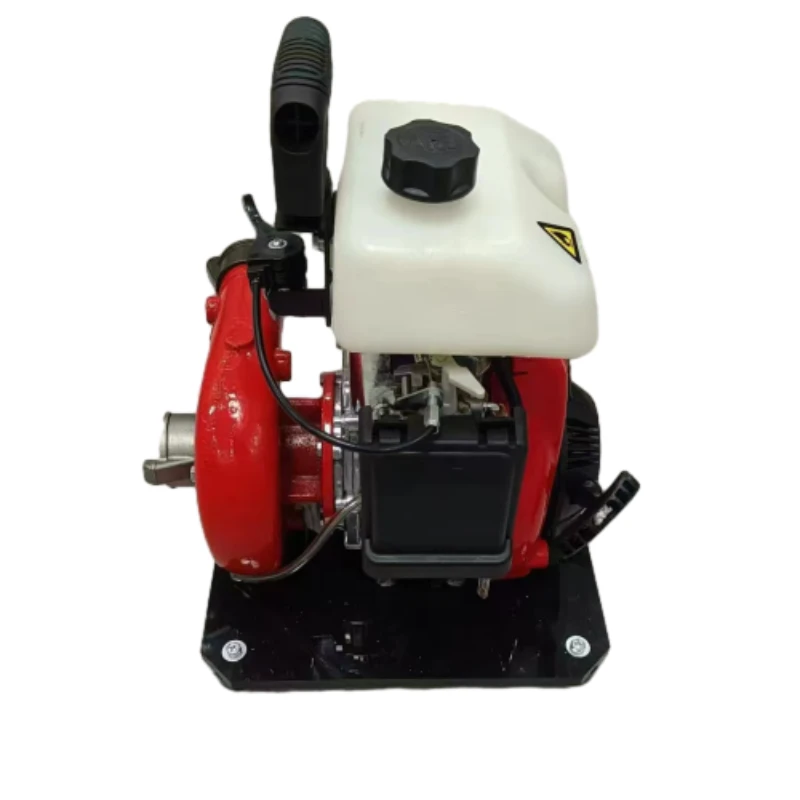
At its core, a water pump for fire protection is a specialized mechanical device designed to increase the pressure and flow of water, feeding fire sprinklers, hydrants, irrigation networks, or hoses during emergencies.
Unlike standard pumps, these units are built to meet strict performance standards—delivering high pressure rapidly, often with redundancy and robust controls. They are often integrated into fire sprinkler systems or stand-alone fire suppression setups.
Whether you’re a facility manager or a firefighter, these pumps ensure that fire crews actually get water with enough force and volume to suppress or control fires effectively.
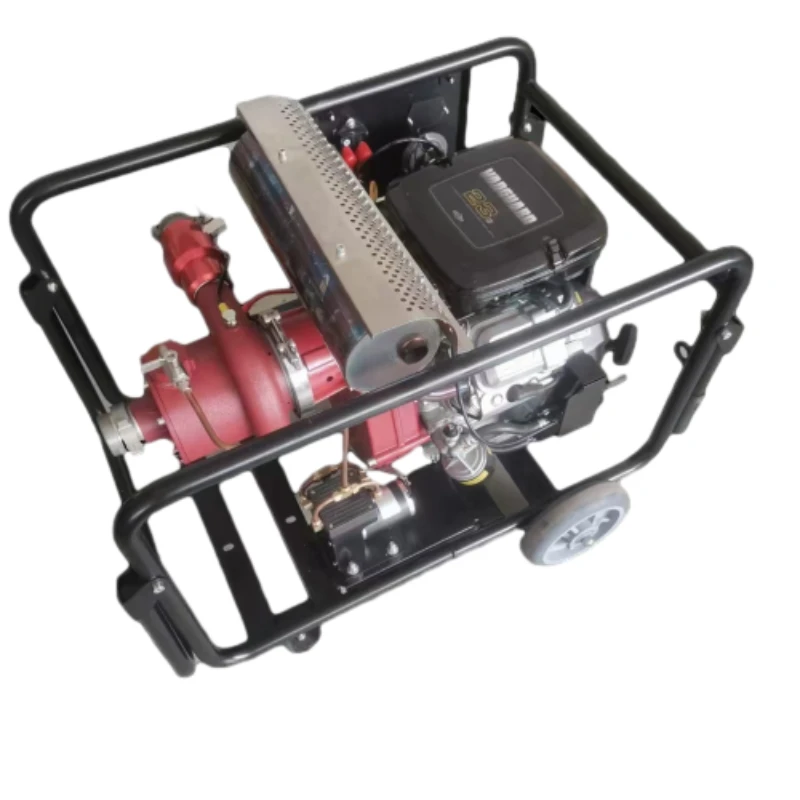
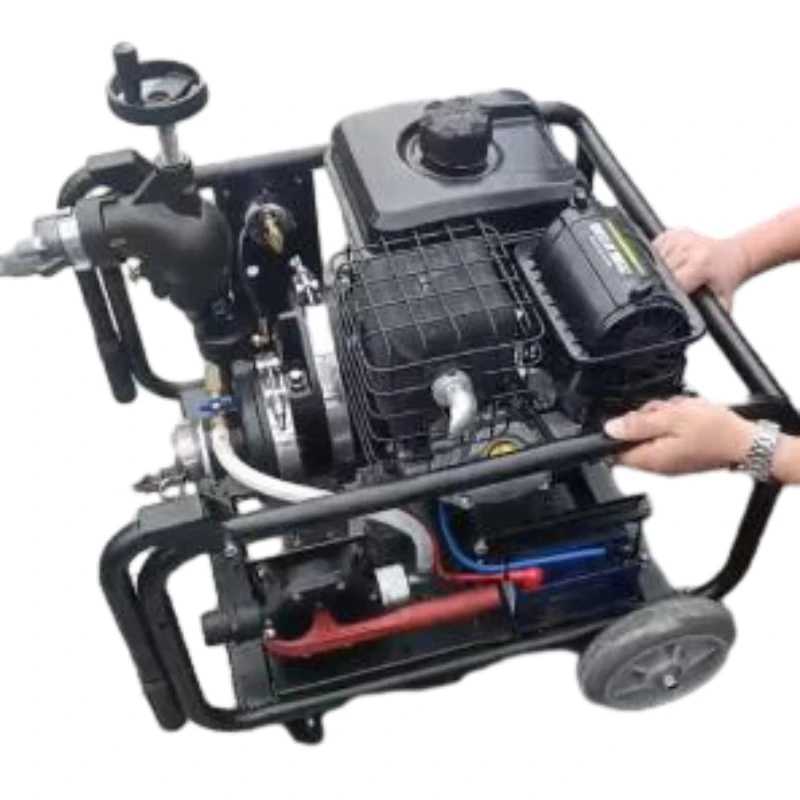
This kind of equipment is crucial not only in industrial setups but also in humanitarian efforts. For example, when disaster strikes and infrastructure is compromised, portable or trailer-mounted fire pumps enable quick action — sometimes being lifesavers for entire communities.
---
Core Factors That Make a Water Pump for Fire Protection Effective
1. Durability Under Stress
Fire protection pumps must function under extreme conditions – often at times of power failure, heat, and demand surges. Many are constructed with corrosion-resistant materials like stainless steel or bronze. Their motors and seals are tested rigorously to ensure performance even during prolonged use.
2. High Flow and Pressure Capacity
A key spec is the pump’s ability to deliver large water volumes with steady pressure. This ensures sprinklers and hoses get enough hydration force. Typical fire pumps provide flows ranging from 100 gallons per minute (gpm) to several thousand gpm.
3. Compliance with Standards
To guarantee safety, fire pumps comply with regulations like NFPA 20 (National Fire Protection Association) or ISO standards. These standards dictate minimal operational parameters and ease of maintenance.
4. Scalability and Integration
Modern fire pumps are often modular or scalable, allowing facilities to integrate them into complex sprinkler networks or expand capacity over time as risk zones change.
5. Energy Efficiency
With rising costs and sustainability targets, many manufacturers now offer pumps with optimized motors or variable speed drives (VSDs), balancing performance with energy consumption.
Mini TAKEAWAY:
Choosing the right water pump means balancing pressure, durability, energy use, and standards compliance — not always easy, but critical for real-world readiness.
---
Global Scenarios Where Water Pumps for Fire Protection Make a Difference
From bustling financial districts in New York to oil fields in the Middle East, the need for reliable fire pumps spans continents:
- Industrial Zones: In chemical plants or refineries, where flammable materials abound, robust pumps deliver instant water or suppressant to blazes.
- Forestry & Wildfire Fighting: Portable pumps in wildfire-prone California or Australia augment scarce water sources to battle flames.
- Remote Infrastructure: Mining sites or hydroelectric dams in Africa rely on trailer-mounted fire pumps due to no nearby hydrants.
- Post-Disaster Relief: NGOs use mobile pumps to quickly restore firefighting ability in regions struck by earthquakes or floods.
For example, a recent case near the Amazon basin had firefighting crews deploy solar-powered pumps to contain forest fires, proving that innovation parallels necessity.
---
Advantages of Investing in Quality Fire Protection Water Pumps
- Safety First: A dependable pump saves lives by ensuring firefighters have the water pressure to fight flames effectively.
- Cost Savings: Preventing even partial fire damage reduces insurance claims, repairs, and operational downtime.
- Sustainability: Modern pumps with energy-efficient motors lower emissions and running costs.
- Social Confidence: Buildings or zones equipped with certified pumps instill trust among occupants and regulators.
- Longevity: With proper maintenance, fire pumps last decades, offering decades of peace of mind.
It’s kind of like a seatbelt—best when you don’t have to use it, but absolutely crucial the moment disaster strikes.
---
Looking Ahead: The Future of Water Pumps for Fire Protection
Innovations quietly revolutionize this space:
- Green Energy Integration: Solar-powered pumps are gaining traction where grid power is unreliable.
- Smart Sensors & IoT: Pumps linked to building management systems enable real-time monitoring and predictive maintenance.
- Advanced Materials: Lightweight composites reduce pump weight without sacrificing strength.
- Automation: Self-start systems trigger pumps instantly once fire detection activates, shaving precious seconds.
These futuristic pumps align with wider trends in digital transformation and environmental stewardship — which is honestly reassuring to see given the stakes.
---
Current Challenges & How the Industry is Tackling Them
The biggest hurdles include:
- Infrastructure Gaps: Remote and underdeveloped areas still lack ready water sources or pump-accessibility.
- Cost Pressures: High upfront investment can deter smaller enterprises from installing pumps.
- Maintenance Complexity: Regular upkeep requires trained personnel and spare parts, not always possible everywhere.
Solutions are emerging:
- Portable, easy-to-operate pumps simplify deployment.
- Leasing or rental models reduce upfront costs.
- Training programs and modular designs facilitate maintenance.
---
Frequently Asked Questions About Water Pumps for Fire Protection
Q: What factors should I consider when selecting a fire protection water pump?
A: Look for flow rate, pressure capacity, compliance with local codes (e.g., NFPA 20), durability, and energy efficiency. Think about your facility’s size and risk profile to ensure coverage.
Q: Can fire pumps run on alternative fuels or renewable energy?
A: Yes, many modern pumps integrate solar power or battery backups, especially for remote areas where grid power is unreliable.
Q: How often should fire protection pumps be tested and maintained?
A: Regular testing monthly or quarterly per NFPA guidelines is recommended, with comprehensive servicing annually to ensure reliable performance when needed.
Q: Are there portable water pumps suitable for emergency fire protection?
A: Definitely. Portable and trailer-mounted pumps help firefighting in off-grid locations or emergency scenarios, allowing flexibility and rapid deployment.
Q: What’s the typical lifespan of a fire protection water pump?
A: When properly maintained, these pumps can last 20 years or more, making them a worthwhile long-term investment.
---
Product Specification Example: Typical Fire Protection Water Pump
| Specification |
Details |
| Flow Rate |
500 - 2000 GPM (Gallons Per Minute) |
| Operating Pressure |
150 - 300 psi |
| Motor Type |
Electric (Variable Speed Drive Option) |
| Power Source |
Electric Grid / Diesel Generator / Solar Hybrid |
| Materials |
Stainless Steel, Bronze, High-Durability Alloys |
| Compliance |
NFPA 20, ISO 21849 |
Vendor Comparison: Water Pump for Fire Protection Solutions
| Vendor |
Range of Flow Rates |
Energy Options |
Key Advantage |
Typical Applications |
| AquaSafe Pumps |
300–1500 GPM |
Electric, Diesel |
Trusted durability, NFPA certified |
Industrial, Commercial Buildings |
| FireFlow Technologies |
500–2500 GPM |
Electric VSD, Hybrid Solar |
Energy-efficient smart pumps with IoT |
Urban high-rises, Remote Zones |
| RapidPump Solutions |
100–1200 GPM |
Diesel, Portable |
Rapid deployment portable units for emergency use |
Disaster relief, Forestry, Mining |
If you’re exploring the right water pump for fire protection solutions, these specs and vendor profiles hopefully shed light on what’s out there and what might fit your unique needs.
---
Conclusion: Why Investing in Water Pumps for Fire Protection Pays Off in Spades
When you take a step back, it’s clear that water pumps for fire protection are more than just mechanical devices. They’re a keystone of community safety, industrial resilience, and responsible stewardship of risk. Whether it’s the pulse of a city’s fire mains or the lifeline to a remote wildfire front line, they stand guard silently, ceaselessly.
Future-ready designs are accommodating environmental challenges, cost constraints, and technological leaps — making fire safety smarter and more efficient. If you want to explore reliable options or learn more, visit:
https://www.ffwfiresafety.com and let professionals guide you toward tailored solutions.
---
References & Further Reading
- United Nations Office for Disaster Risk Reduction (UNDRR)
- National Fire Protection Association (NFPA)
- ISO 21849:2020 – Fire fighting systems — Fire pumps













 English
  Arabic
  Bengali
  China
China  French
  German
  Hausa
Hausa  Indonesian
  Italian
  Japanese
  Javanese
  Malay
Malay  Persian
  Portuguese
  Punjabi
  Russian
  Spanish
  Swahili
  Telugu
  Vietnamese