








What Exactly Is a Sprinkler System Pump Motor and Why Should You Care?
Sprinkler system pump motors may not be daily dinner-table talk, but these workhorse components quietly protect life and property across the globe. In essence, they drive the water pressure needed for fire sprinkler systems to function promptly and effectively. Globally, with urbanization climbing and industrial giants sprouting in every hemisphere, reliable fire safety mechanisms are non-negotiable. Understanding sprinkler system pump motors could save lives, reduce damage, and even protect investments — which, frankly, is why so many fire safety pros and building engineers keep a keen eye on their performance.
How Sprinkler System Pump Motors Keep the World Safer
Fire incidents globally represent significant risks for residential, commercial, and industrial structures. The United Nations reports thousands of fatal fires annually, with many preventable if the right safety infrastructure—like automatic sprinkler systems—was in place. However, an effective sprinkler depends heavily on the pump motor that powers it. A well-engineered sprinkler system pump motor ensures consistent water pressure and flow, drastically improving firefighting success rates.
It’s a bigger issue because in many developing regions, aging infrastructure struggles to meet modern safety codes. According to ISO standards related to fire safety equipment, pump motors must maintain reliability under extreme conditions—something not to overlook. If the pump motor fails, the entire sprinkler system's effectiveness becomes compromised, risking lives and property.
Decoding the Sprinkler System Pump Motor
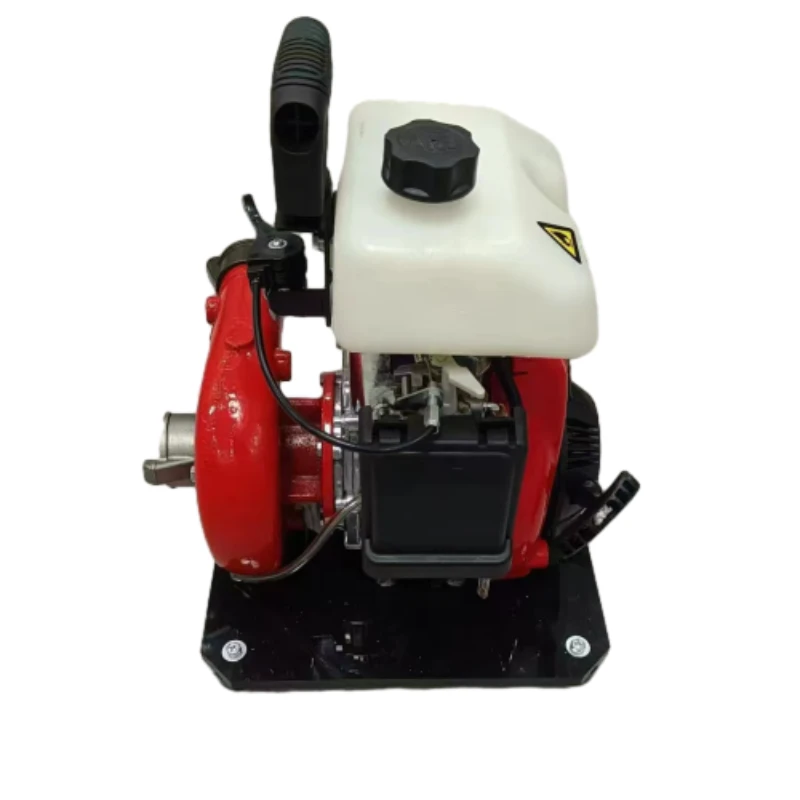
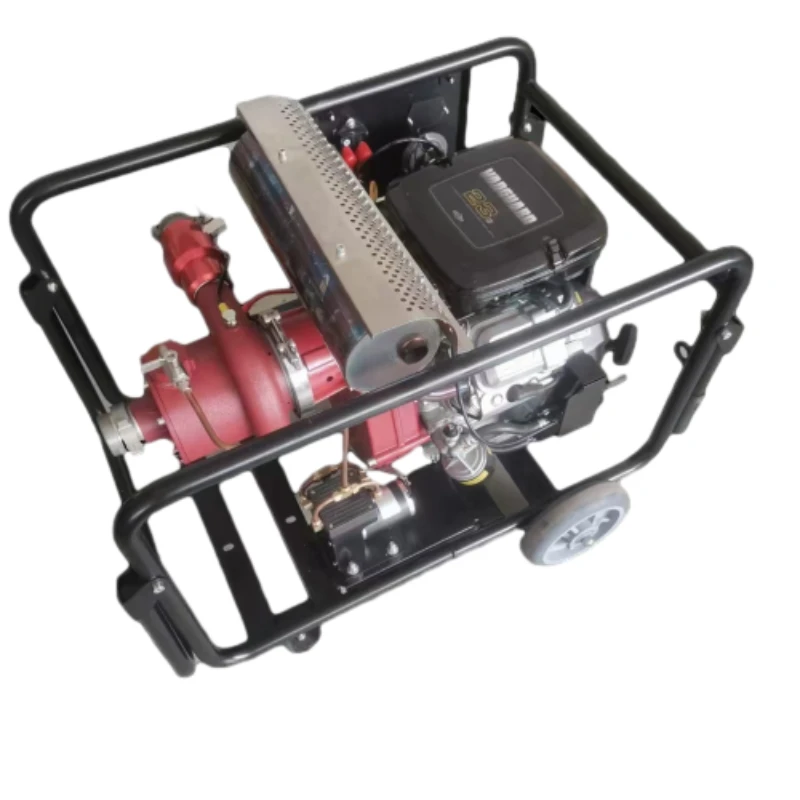
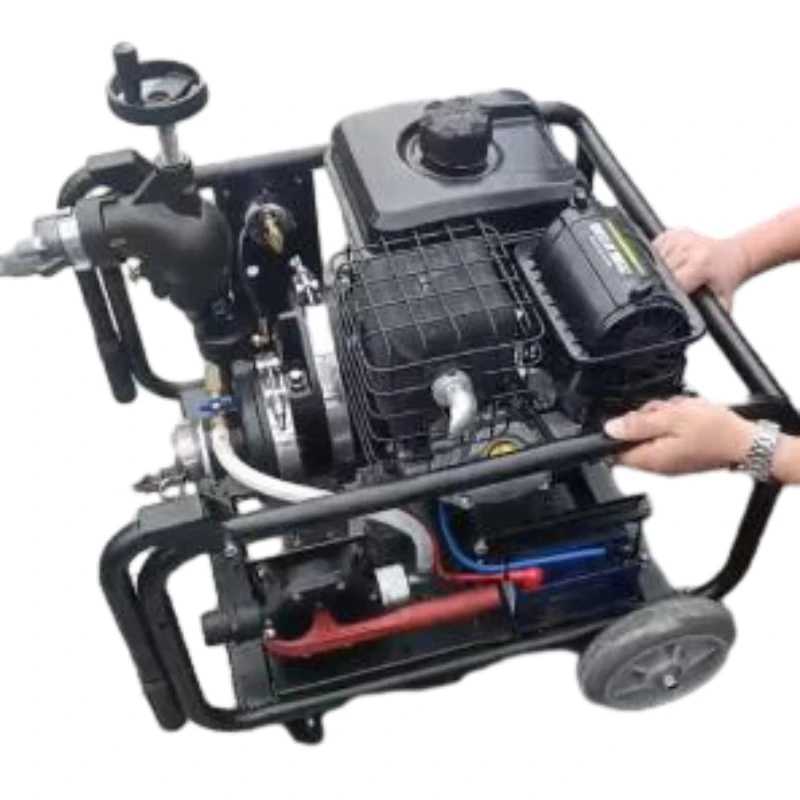
In the simplest terms, a sprinkler system pump motor is the mechanical heart driving the sprinkler system’s water through pipes to suppress fires. It couples an electric motor or diesel engine with pumps specifically designed to boost water pressure to the levels sprinklers require. Think of it as the muscle behind the misting spray — without it, sprinklers might sputter or not work at all.
These motors link closely to industrial safety, urban planning, and disaster resilience. As industries grow and urban footprints densify, robust sprinkler pumps help maintain safe environments for workers and residents alike, preserving lives and infrastructure.
Key Features That Shape Sprinkler System Pump Motors
Durability and Reliability
This is non-negotiable. Considering that fire emergencies are unpredictable, sprinkler system pump motors must run flawlessly under stress and extreme temperatures. High-quality sealing and corrosion-resistant materials are often standard. Engineers often select motors tested against ISO 21547, ensuring consistent performance when it counts.
Energy Efficiency
Efficiency matters, not just for operational cost savings but for sustainability goals. Advances in motor design, like IE3 and IE4 energy efficiency classes, mean modern pump motors use less electricity yet deliver powerful output. This balance is crucial for companies aiming to reduce carbon footprints while maintaining safety compliance.
Scalability and Compatibility
Whether it’s a compact office building or a sprawling industrial plant, sprinkler system pump motors come in various sizes with adaptable power ratings. Modular designs also mean easy integration with control systems and other fire safety components — nicely future-proofed for upgrades.
Maintenance and Serviceability
Time is of the essence when maintaining fire safety. Pump motors designed with easy access to components and clear diagnostic features minimize downtime. Many models feature smart monitoring for predictive maintenance, saving headaches and money in the long-term.
Mini Takeaway:
Durable, efficient, and service-friendly sprinkler system pump motors are critical cogs in a well-oiled fire safety wheel—and choosing the right one means peace of mind when things get hot.
Global Footprints: Who’s Using Sprinkler System Pump Motors and How?
From skyscrapers in Dubai to remote mining projects in Canada, sprinkler system pumps are everywhere. Industrial manufacturing hubs in Asia and North America depend on them to protect expensive machinery and their workforce. Oddly enough, humanitarian groups also use mobile sprinkler pump setups in disaster relief operations, especially where local firefighting agencies are overwhelmed or under-equipped.
For example, after wildfires in Australia, many relief organizations installed temporary sprinkler pump motors to shield critical infrastructure from flare-ups during recovery phases. Meanwhile, cold climate zones demand pump motors designed to tolerate freezing conditions—showing just how adaptable these systems must be.
| Specification | Example Values |
|---|---|
| Power Rating | 7.5 kW – 150 kW |
| Motor Type | Electric (IE3 Efficiency), Diesel-driven |
| Operating Voltage | 380 V – 690 V |
| Max Flow Rate | 1000 – 4000 L/min |
| Protection Class | IP55 or higher |
| Material | Cast iron casing, stainless steel shaft |
Comparing Top Vendors in Sprinkler System Pump Motors
Picking the best pump motor isn’t just about specs — it’s also about support, warranty, and customization options. Here’s a roughly summarized comparison of three vendors that many fire safety professionals trust:
| Vendor | Energy Efficiency | Warranty | Customization Services | Global Support |
|---|---|---|---|---|
| FirePump Pro | IE4 | 5 years | Yes, modular designs | Worldwide |
| SafeFlow Motors | IE3 | 3 years | Limited | North America & Europe |
| AquaGuard Systems | IE3+ | 4 years | Yes, bespoke solutions | Asia & Australia |
The Enduring Value of Investing in Sprinkler System Pump Motors
In real terms, the advantages go beyond just ticking safety checkboxes. The upfront investment in reliable sprinkler system pump motors translates into reduced insurance premiums, fewer fire damages, and enhanced occupant safety. From the emotional angle, there’s a deep trust that builds among employees, tenants, and customers knowing their environment is protected.
And logically? Sustainability is weaving its way into choices. Pumps that consume less energy and require less frequent repairs minimize environmental impact and cost over their service life. Some large corporations even regard this as a reflection of their corporate responsibility. It’s a win-win, really.
What the Future Holds for Sprinkler System Pump Motors
Looking ahead: digital transformation is a hot topic. IoT-enabled pump motors with remote monitoring and automated diagnostics are emerging fast. Imagine receiving a real-time alert if pressure dips or vibrations signal impending failures — no waiting for monthly manual inspections.
Also, renewable energy integration, like solar-powered backup for pump motors, is gaining traction, especially in off-grid applications. Material sciences keep pushing lighter, more corrosion-resistant components, extending operational lifetimes.
Addressing Common Challenges and Smart Fixes
Let’s not pretend everything’s perfect. Challenges like harsh weather exposure, inconsistent power supply in some regions, and wear from continuous operation can trip up sprinkler system pump motors. But many vendors offer innovative solutions: variable frequency drives (VFDs) help protect motors from electrical surges, and advanced sealing methods prevent corrosion.
Regular maintenance remains key—though digital monitoring is gradually making it proactive rather than reactive. Plus, training local technicians in emerging markets helps sustain systems in the field longer.
Frequently Asked Questions About Sprinkler System Pump Motors
- How do I select the right sprinkler system pump motor for my building?
Begin by assessing your building’s water demand and pressure requirements, taking into account fire code standards and system design. Consult vendor specs, and consider energy efficiency, durability, and available maintenance support. - What maintenance routines keep these pump motors healthy?
Regular inspections for leaks, vibration analysis, lubrication checks, and system performance tests are essential. Incorporate predictive monitoring where possible to catch problems early. - Can sprinkler system pump motors operate during power outages?
Some pump motors are paired with diesel engines or battery backups to ensure continuous operation. Confirm with your system designer if backup power is necessary in your application. - Are there eco-friendly alternatives to traditional electric pump motors?
Yes, emerging solar-powered or hybrid pump systems are available, especially useful in remote or off-grid locations, reducing dependency on fossil fuels. - How critical is compliance with international standards?
Very critical. Compliance with ISO and NFPA standards ensures safety reliability and legal conformity, preventing costly fines and insurance hassles.
Wrapping Up: Why Investing in Sprinkler System Pump Motors Makes Sense
To put it simply, sprinkler system pump motors are one of those unsung heroes that can mean the difference between disaster and peace of mind. Their reliable performance safeguards lives, protects assets, and often aligns perfectly with broader sustainability targets.
Interested in upgrading or installing a new system? Visit our website to explore state-of-the-art solutions tailored to your needs: sprinkler system pump motor. Because when it comes to fire safety, cutting corners just isn't an option.
References & Tidbits
- United Nations Office for Disaster Risk Reduction (UNDRR) - Fire Safety Data
- ISO 21547: Pumps for Fire Protection Systems
- National Fire Protection Association (NFPA) Codes & Standards




 English
  Arabic
  Bengali
  China
China  French
  German
  Hausa
Hausa  Indonesian
  Italian
  Japanese
  Javanese
  Malay
Malay  Persian
  Portuguese
  Punjabi
  Russian
  Spanish
  Swahili
  Telugu
  Vietnamese