








Understanding Water Pumps for Fire Sprinkler Systems: The Basics and Beyond
Fire safety isn’t just about extinguishers or alarms anymore. Around the world, a reliable water pump for fire sprinkler system remains a critical backbone of modern fire protection infrastructure. Think of it as the heart that pushes lifeblood — in this case, water — through sprinkler networks to safeguard lives and property in emergencies. But there’s much more to these pumps than you might guess, from their design to how they fit with evolving global safety standards.
Globally speaking, understanding these pumps means grasping a piece of the vast effort to prevent catastrophic fires that cause billions in damage each year, along with loss of life. According to the World Fire Statistics Centre, property losses from fires can top 1% of the GDP in some countries, often affecting vulnerable communities. A reliable water pump within a sprinkler system helps curb those losses significantly — which is why industries and governments alike invest so much into them.
The Global Context: Why Water Pumps in Fire Sprinkler Systems Matter
Back in 2020, the International Organization for Standardization (ISO) highlighted fire protection systems as a key component for urban resilience. As populations grow denser and industrial sites become more complex, the demand for effective fire suppression technology has grown sharply. A central challenge lies in making sure that water delivery systems—including pumps—can handle sudden surges in demand and reliability issues across varied environments.
Urban centers in Asia and the Middle East are rapidly expanding high-rise buildings where sprinkler systems aren’t a luxury but a necessity. Meanwhile, industrial zones in Europe emphasize sustainability, so their pumps need not only to perform but to do so efficiently and consistently for years.
Mini takeaway: The water pump for fire sprinkler systems isn’t just “plumbing”. It’s part of the critical infrastructure puzzle that supports life, property, industry, and economies worldwide.
Defining the Water Pump for Fire Sprinkler Systems
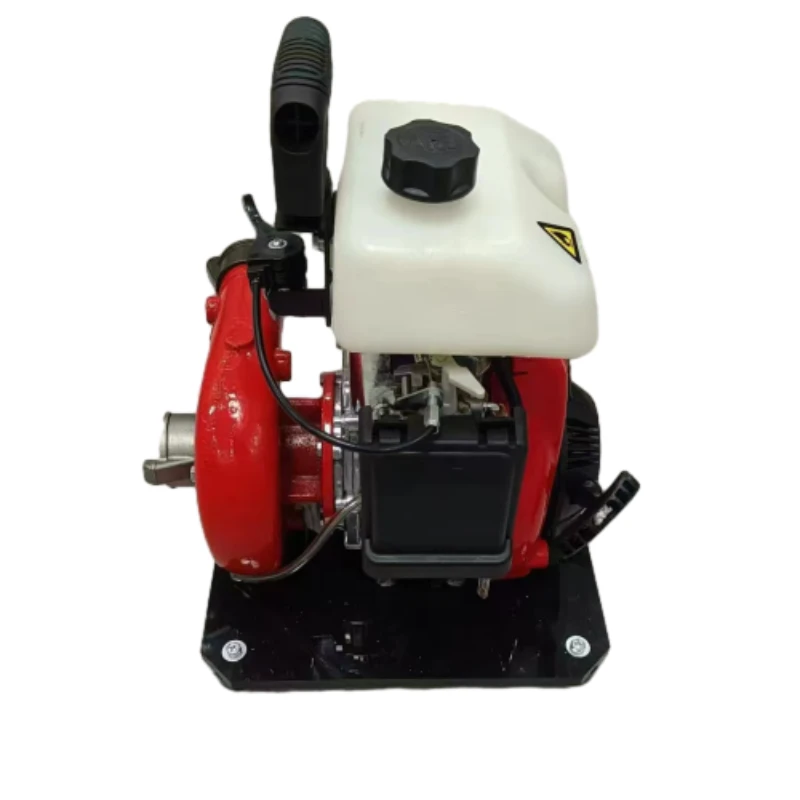
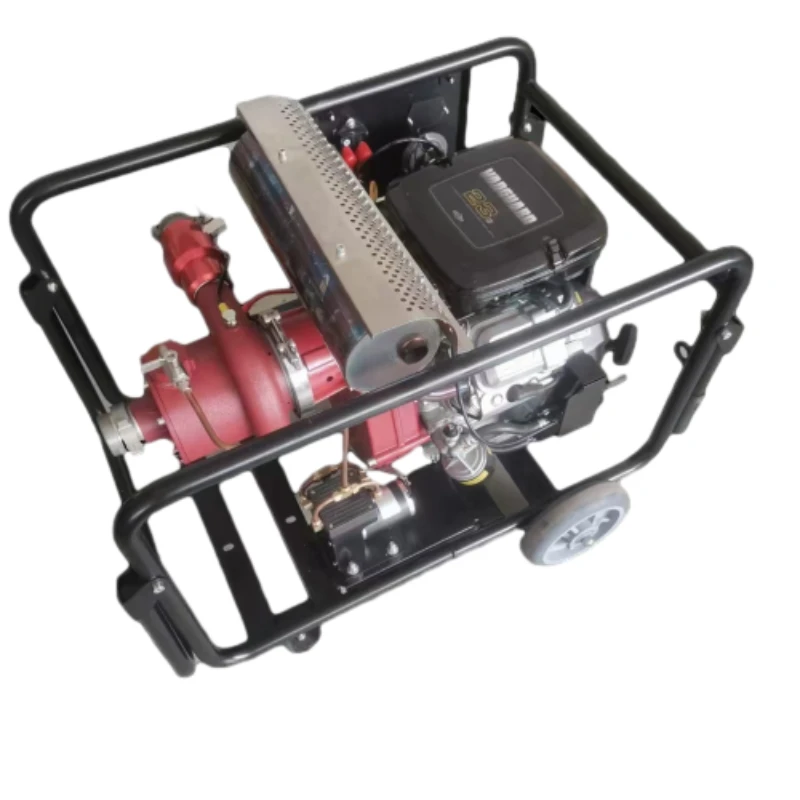
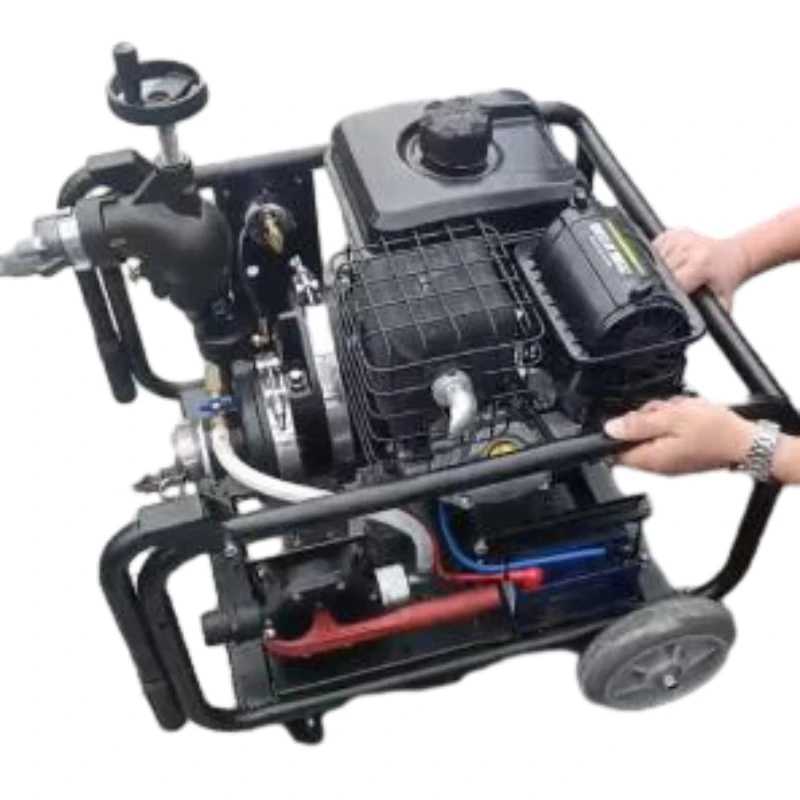
Simply put, a water pump for fire sprinkler systems is a mechanical device that delivers water pressure to sprinkler heads when a fire triggers the system. It complements the building’s main water supply, ensuring that sufficient pressure and flow reach the sprinklers.
Modern fire sprinkler pumps usually fall into two categories: electric motor-driven and diesel engine-driven. They’re designed to respond immediately upon activation to meet stringent safety codes (think of NFPA 20 or ISO 6182 standards). In real terms, these pumps ensure that the fire suppression system can operate effectively even in high-rise buildings or areas with limited water availability, which is a humanitarian need more often than we like to admit.
Core Components and Factors in Choosing the Right Pump
Durability and Reliability
Because these pumps only get tested occasionally but must perform in life-or-death situations, durability is key. Manufacturers use corrosion-resistant materials like stainless steel or specialized coatings to withstand water chemistry and environmental factors.
Power Source Flexibility
Settings vary widely — from urban skyscrapers with stable electric grids to remote factories needing diesel backup. The flexibility to switch power modes or use hybrid systems ensures pumps can run uninterrupted.
Flow Rate and Pressure Capability
Depending on the sprinkler design and building size, water pumps must deliver different flow rates (measured in gallons per minute or liters per second) and pressure (psi/bar). Overshooting specs adds cost; undershooting risks system failure.
Cost Efficiency
Beyond initial purchase, running costs count. Energy-efficient motors, minimal maintenance, and ease of service all reduce lifecycle expenses, which industries notice — especially those overseeing multiple sites.
Compliance and Certification
Pumps must meet relevant codes like NFPA or FM Global approvals. Non-compliance is a regulatory headache and insurance risk.
Automation and Controls
Increasingly, smart controls allow remote monitoring and diagnostics, reducing false starts or maintenance surprises.
Mini takeaway: A good water pump isn’t “set and forget”. It’s a carefully selected system that balances power, durability, efficiency, and compliance tailored to its environment and users.
Global Applications: Where These Pumps Really Matter
Consider regions like Southeast Asia’s sprawling urban environments, where fire safety is ever challenged by rapid construction and dense population. Fire pumps provide critical pressure levels supporting sprinkler systems in malls, hospitals, and office towers.
In industrial hotspots like Germany’s chemical parks or North America’s oil refineries, specialized pumps handle not only standard water but sometimes foam or other fire suppressants—integral to hazardous environments.
NTFP (National Technical Fire Protection) agencies in countries such as Brazil often deploy modular diesel-driven pumps in disaster-prone areas where power supply is unreliable, ensuring fire systems stay live during power outages.
Not to be forgotten, humanitarian organizations in post-disaster scenarios (think earthquake or wildfire zones) install temporary sprinkler solutions paired with mobile pumps to protect evacuation centers and critical infrastructure.
Product Specification Table
| Specification | Typical Value/Range | Notes |
|---|---|---|
| Flow Rate | 500-3000 L/min (130-800 GPM) | Varies by building size |
| Pressure Range | 7-14 bar (100-200 psi) | Ensures effective sprinkler coverage |
| Power Source | Electric motor or Diesel engine | Backup options often mandatory |
| Material | Cast iron, Stainless Steel | Corrosion resistance critical |
| Certifications | NFPA 20, UL, FM Global | Required for insurance & compliance |
Vendor Comparison: Choosing the Right Partner
| Vendor | Product Range | Compliance | Price Range (USD) | Support & Warranty |
|---|---|---|---|---|
| PumpCo Industrial | High-capacity electric & diesel pumps | NFPA 20, UL certified | $5,000 - $15,000 | 5 years with 24/7 support |
| FireSafe Solutions | Compact electric pumps, automated controls | FM Global & UL | $6,000 - $12,000 | 3 years, remote diagnostics |
| GlobalPump Corp | Diesel-driven for harsh environments | NFPA & ISO compliant | $8,000 - $18,000 | 4 year warranty, onsite service |
Advantages and Long-Term Benefits of Modern Water Pumps in Fire Sprinkler Systems
Investing in a robust water pump system brings peace of mind, but the benefits go far beyond that. Energy-efficient pumps reduce operational costs dramatically over their lifecycle. From a sustainability angle, manufacturers are now integrating green technology to minimize environmental impact through lower emissions (for diesel models) or reduced electricity consumption.
On the social side, having such systems in place protects lives — especially children, elderly, and marginalized communities who disproportionately suffer from fire disasters. There’s an emotional reassurance in knowing a well-maintained pump will kick in when needed, which boosts trust among building occupants.
In a way, these pumps represent innovation and attention to detail rolled into a simple, yet life-saving mechanism, often overlooked until the heat is on.
Emerging Trends & Future Innovations
Looking ahead, the integration of IoT sensors and real-time data monitoring is already revolutionizing fire pump management. Imagine a pump that can signal early warnings about pressure drops or mechanical wear, preventing failures before they happen.
Besides digital upgrades, there is growing interest in renewable-powered pumps — solar-driven options in off-grid areas, for instance — making fire safety more accessible and environmentally friendly.
Materials science is also progressing, offering lighter, corrosion-resistant composites that lessen maintenance and extend service life considerably.
It feels like we’re at the cusp of a new era where fire sprinkler systems will become smarter and greener, thanks largely to these trusty pumps.
Challenges & Practical Solutions
That said, not all challenges are solved yet. Many older buildings still run on outdated, inefficient pumps with little automation. Maintenance is often reactive, leading to surprise failures. Moreover, in remote locations, stable power remains an issue.
Pragmatic solutions include scheduled predictive maintenance using digital tools, investing in hybrid power sources, and increasing training for onsite technicians.
Some companies are pioneering subscription-based service models that include pump monitoring and upkeep, ensuring consistent performance.
Frequently Asked Questions About Water Pumps for Fire Sprinkler Systems
Q1: How do I know the right water pump size for my building’s sprinkler system?
A: The pump size depends on your building's specific demands — height, area, sprinkler head density, and flow rate requirements. Typically, a fire protection engineer conducts a hydraulic calculation per NFPA guidelines to determine the correct flow and pressure needed.
Q2: Can water pumps for fire sprinklers operate during power outages?
A: Yes, that's often why diesel engine-driven pumps are installed as backups. Additionally, some electric pumps connect to emergency generators or have battery-backed control systems to ensure continuous operation.
Q3: How frequently should I test and maintain these water pumps?
A: NFPA recommends weekly or monthly operational testing, with thorough inspections and maintenance annually. But your local codes or manufacturer instructions might have specific requirements.
Q4: Are there eco-friendly water pump options available?
A: Absolutely. Recent models incorporate energy-efficient motors, variable speed drives, and some off-grid solar-powered pumps exist for rural applications, reducing environmental footprint.
Q5: Where can I find certified water pumps for fire sprinkler systems?
A: Trusted suppliers typically carry pumps that comply with NFPA 20, UL, FM Global, or ISO certifications. Exploring vendors like PumpCo Industrial or FireSafe Solutions ensures standards compliance.
Mini takeaway: These FAQs cover some of the practical concerns you might have on specifications, reliability, eco options, and maintenance routines—critical to making informed choices.
Conclusion: Safety Flows When Pumps Perform
Ultimately, a dependable water pump for fire sprinkler system forms the foundation for fire safety strategies worldwide. Its role transcends being just a mechanical device — it’s an enabler of safety, resilience, and innovation. When thoughtfully selected, maintained, and integrated, these pumps not only save property but also precious lives.
For anyone looking to invest in or upgrade their fire sprinkler setup, it’s wise to explore current offerings and cutting-edge developments. Don’t hesitate — fire emergencies are no time for second guesses.
Visit our website: https://www.ffwfiresafety.com for detailed guides, product recommendations, and expert support.




 English
  Arabic
  Bengali
  China
China  French
  German
  Hausa
Hausa  Indonesian
  Italian
  Japanese
  Javanese
  Malay
Malay  Persian
  Portuguese
  Punjabi
  Russian
  Spanish
  Swahili
  Telugu
  Vietnamese