








Getting to Know the Waterfall Fire Pump: Why It Matters Worldwide
Fire protection in complex environments often feels like a puzzle with many moving pieces. Enter the waterfall fire pump, a specialized system designed to deliver high volumes of water quickly and reliably—especially in challenging scenarios like steep terrain, industrial complexes, or urban areas with limited water pressure.
Why should you care? Well, globally, fire safety is not just about preventing property damage but about saving lives, protecting ecosystems, and securing infrastructure vital to communities and economies. Understanding how waterfall fire pumps function and where they fit into fire defense strategies is becoming essential, especially as climate change increases wildfire risks and urban densification pushes fire safety demands higher.
Introduction: The Global Context of Waterfall Fire Pumps
It might come as little surprise that the UN Office for Disaster Risk Reduction estimates millions of hectares of forest and thousands of built areas are affected by fires yearly, with massive repercussions on health and safety. In industrial zones, water sources and pressure can be a bottleneck for effective fire suppression.
Waterfall fire pumps address these precise issues by enabling high-capacity water delivery over significant vertical or horizontal distances, effectively “cascading” water flow where needed, often by harnessing or mimicking natural gravity-assisted water movement. It’s fascinating how an engineered solution borrows from natural principles to solve a very modern problem.
Industries like petrochemical, power plants, and large-scale facilities see these pumps as vital lifelines, ensuring that in case of a blaze, water reaches all critical nodes, no matter the elevation or piping length constraints.
Defining the Waterfall Fire Pump: What Exactly Is It?
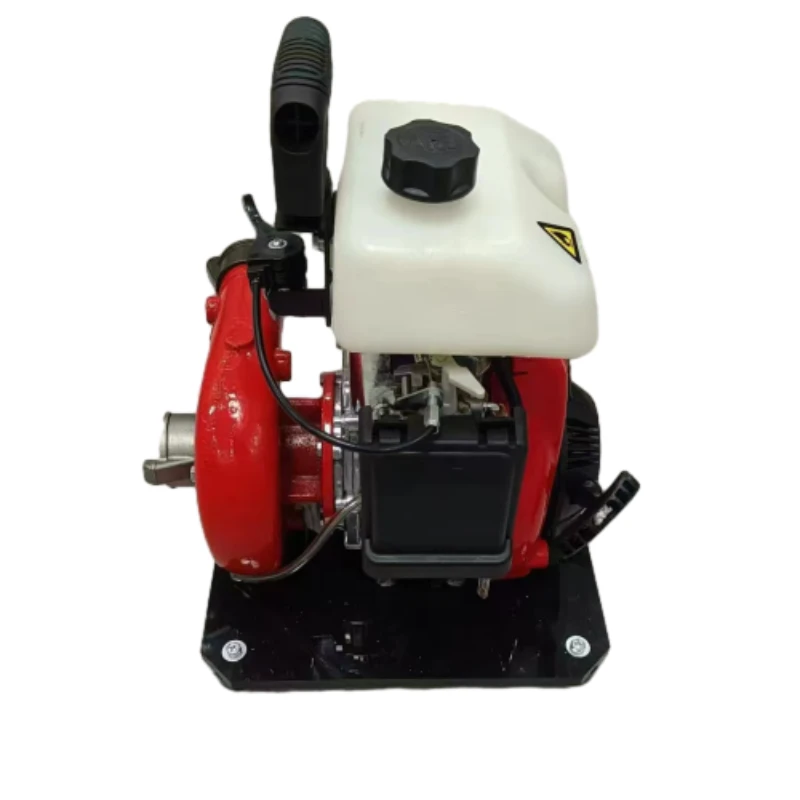
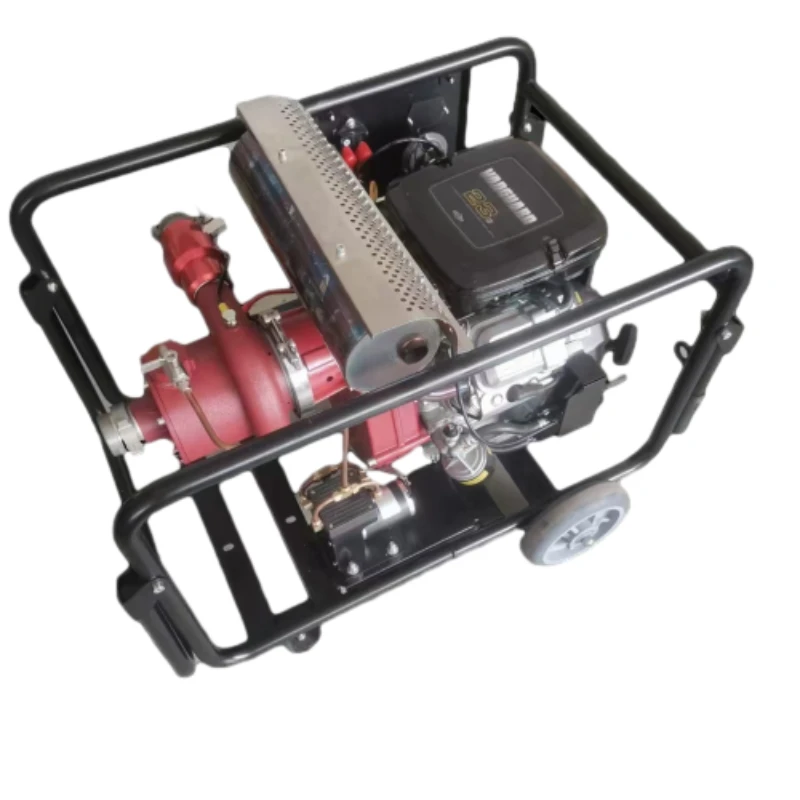
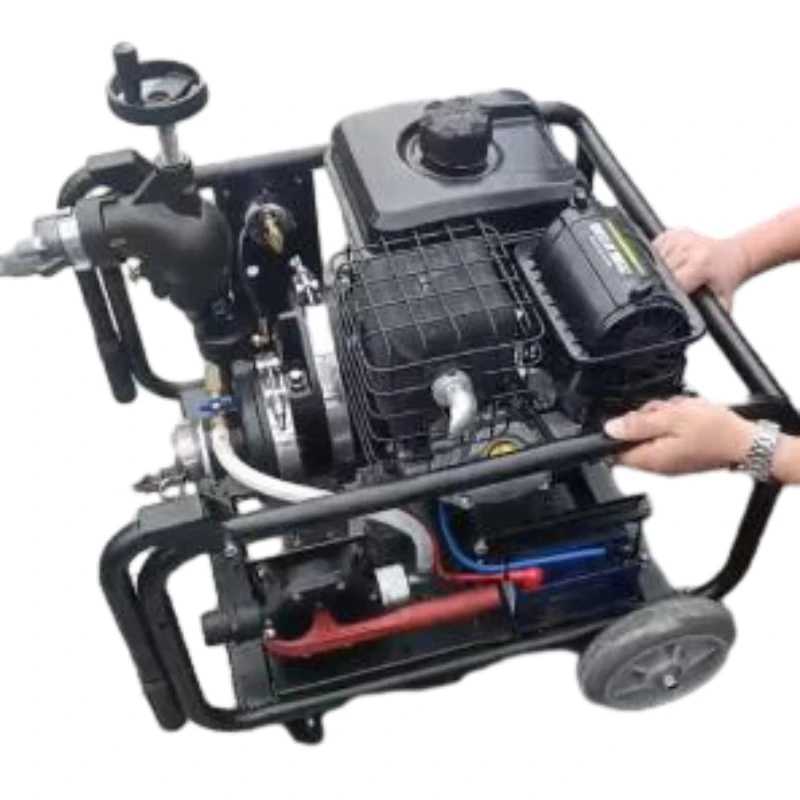
Simply put, a waterfall fire pump is a fire suppression pump designed to deliver water efficiently across challenging topographies and infrastructures. Unlike standard pumps that rely solely on pressurized piping networks, waterfall fire pumps can be configured to work with cascading water flows over slopes or stepped platforms—hence the name “waterfall.”
Practically, this means they’re engineered for robust flow rates, durability, and adaptability, often positioned at outlets where gravity assists water momentum, reducing energy use and improving reliability. They’re not just firefighting tools; these pumps embody a marriage of hydraulics, industrial engineering, and emergency planning. When you look at the challenges water systems face in mountainous or sprawling urban areas, these pumps fill a niche others struggle with.
Core Components and Considerations of Waterfall Fire Pumps
1. Durability
Many engineers emphasize that waterfall fire pumps must withstand harsh environments—extreme temperatures, corrosive atmospheres, and continuous readiness. Stainless steel casings, specially coated impellers, and high-grade seals are often standards.
2. Flow Efficiency
The ability to maintain a steady, strong flow is crucial. The pump’s impeller design, motor power, and inlet/outlet dimensions all contribute to optimized hydraulic performance, especially when combined with gravity-assisted water delivery.
3. Scalability
These pumps come in various sizes—some compact for remote installations, some massive for industrial hubs. Modularity in setup allows operators to extend capacity or adjust for seasonal changes in water availability.
4. Energy Consumption and Sustainability
Using gravity to assist flow means that these pumps can operate more efficiently, lowering energy use—a significant factor for facilities aiming to reduce carbon footprints.
5. Integration with Fire Safety Systems
They must work seamlessly with sensors, automated sprinklers, and remote monitoring technologies to provide real-time control and rapid responses.
6. Maintenance Accessibility
Because fire pumps must be ready 24/7, their design typically allows for easy inspection and repair without major downtime.
Global Applications: Where Waterfall Fire Pumps Are Making a Difference
Let’s get a little practical. Where do these pumps really prove their worth?
- Mountainous Communities: In places like the Alps or Rockies, where elevation challenges water pressure, these systems enable reliable firefighting in villages and resorts.
- Industrial Complexes: Petrochemical plants or mining sites, often located in remote regions, use them to ensure prompt water supply across vast territories.
- Urban Fire Districts: Mega cities with complex water networks deploy waterfall fire pumps to ensure no elevation or distance causes pressure drops during emergencies.
- Disaster Relief Operations: After earthquakes or floods, mobile waterfall pump units provide vital firefighting support where infrastructure is damaged.
One vendor recently shared a case where a waterfall fire pump system saved a logistics hub in southern Europe from a devastating blaze, thanks to its ability to maintain flow despite a damaged water main. I find stories like these really highlight why investment in such equipment isn't merely a checkbox for compliance — it’s about resilience.
Typical Specifications of a Commercial Waterfall Fire Pump
| Specification | Typical Values |
|---|---|
| Flow Rate | 500 - 3000 GPM (gallons per minute) |
| Max Head (Vertical Lift) | Up to 150 meters |
| Power Source | Electric motor / Diesel engine |
| Material | Stainless steel / Cast iron |
| Weight | 200 - 1500 kg (based on size) |
| Noise Level | Less than 85 dB |
Comparing Leading Vendors of Waterfall Fire Pumps
| Feature | SafePump Co. | Cascade Dynamics | HydroFlow Solutions |
|---|---|---|---|
| Max Flow Rate (GPM) | 2800 | 3000 | 2500 |
| Material Standard | SS 316 | Ductile Iron | SS 304 with polymer coating |
| Integrated Monitoring | Yes (IoT-enabled) | Optional | Yes |
| Warranty | 5 years | 3 years | 4 years |
| Price Range | $$$ | $$$$ | $$ |
The Advantages and Long-Term Value of Using Waterfall Fire Pumps
On the one hand, these pumps offer unquestionable reliability in scenarios where every second counts. Their ability to maintain pressure over long distances and heights means fires can be controlled before spreading.
From a cost perspective, while upfront investment might feel steep, their energy efficiency and lower maintenance needs tend to bring returns over time. There’s also this reassuring emotional layer — knowing safety systems are in place lends peace of mind to residents, workers, and first responders alike.
Environmentally, their design often aligns well with sustainability goals by reducing pumped energy usage and integrating with green power sources.
Future Trends: What’s Next for Waterfall Fire Pump Technology?
Frankly, it feels like the next decade will see these pumps become smarter and greener. Think IoT integration that lets facility managers monitor flow and pump health remotely, or AI-driven predictive maintenance to avoid failure before it happens.
Advanced materials—maybe composites that resist corrosion far better—will reduce downtime, plus hybrid power systems coupling solar and battery storage could make remote deployments truly off-grid.
Policy-wise, tighter fire safety regulations worldwide will likely push more sectors to adopt waterfall solutions as part of comprehensive risk management.
Challenges in Waterfall Fire Pump Deployment and How They’re Being Tackled
Of course, no technology is without flaws. One big challenge can be initial setup complexity and cost, especially for smaller operations. Not all regions have expertise in integrating these specialized pumps with existing water systems, which can cause delays or suboptimal performance.
Expert companies now offer modular, plug-and-play versions to simplify installation. Plus, growing training programs and certifications are closing the skills gap. In some cases, drones and robotic inspections minimize human risk during maintenance in difficult terrain.
FAQ: Practical Questions About Waterfall Fire Pumps
Q1: How does a waterfall fire pump differ from a standard fire pump?
A waterfall fire pump is specifically engineered to work efficiently with gravity-assisted water flow, allowing it to maintain pressure over greater vertical distances. Standard pumps usually rely purely on pressurized piping without leveraging elevation differences.
Q2: Can waterfall fire pumps operate off-grid?
Yes, many are designed to run on diesel engines or hybrid systems including solar power, allowing deployment in remote or disaster-stricken areas without reliable electricity.
Q3: What maintenance is required to keep waterfall fire pumps reliable?
Routine inspections focus on seals, impellers, and motor function. Since these pumps may operate in harsh environments, corrosion resistance checks and periodic lubrication are essential for longevity.
Q4: Are waterfall fire pumps compatible with automated fire safety systems?
Absolutely. Modern models integrate with sprinkler systems, sensors, and remote monitoring platforms to provide real-time status and rapid control during emergencies.
Q5: How do I select the right size waterfall fire pump?
Consider the elevation the water must climb, required flow rates, and the length of piping. Consulting with a fire safety engineer or vendor ensures you get a pump correctly rated for your specific needs.
Wrapping Up: Why Waterfall Fire Pumps Are a Smart Long-Term Investment
In the end, investing in a waterfall fire pump isn’t just about adhering to fire codes; it’s about future-proofing safety, efficiency, and sustainability in any environment where water supply challenges exist.
Whether you’re a facility manager, safety officer, or engineer, understanding these pumps gives you a leg up in preparing for fires in the most demanding settings. Looking to explore options or talk specifics? Visit us at FFW Fire Safety and see how these systems could safeguard your world.




 English
  Arabic
  Bengali
  China
China  French
  German
  Hausa
Hausa  Indonesian
  Italian
  Japanese
  Javanese
  Malay
Malay  Persian
  Portuguese
  Punjabi
  Russian
  Spanish
  Swahili
  Telugu
  Vietnamese