








The Growing Importance of Lightweight Pumps in Today’s World
If you’ve ever worked on a construction site, fought a forest fire, or managed water systems in a remote village, you quickly realize that lightweight pumps are something of a silent hero. These compact, portable devices bring a surprising amount of power and efficiency, all while being easy to move and deploy. Globally, they matter because they streamline critical water, fuel, or chemical handling—especially where heavy machinery just isn’t practical.
Put simply: understanding these pumps is key for industries, emergency services, humanitarian groups, and even hobbyists who want reliable liquid movement without the hassle of big equipment. Their benefits ripple across sectors by saving manpower, reducing costs, and ensuring timely, effective service when it counts most.
Why Lightweight Pumps Are Gaining Global Attention
Over the past decade, the demand for compact, efficient equipment has skyrocketed. According to the United Nations Environmental Program, emergency relief efforts globally have increased by roughly 30% since 2010. Many of those missions depend on gear that’s portable yet rugged — here’s where lightweight pumps slide in.
More so, in developing regions where infrastructure lags, pumping systems that are resource-friendly and simple to maintain can transform water accessibility and sanitation. The World Bank estimates that over 2 billion people lack safe drinking water. Lightweight pumps, used wisely, can address these gaps where electricity is spotty or transportation is tough.
Oddly enough, the same qualities appeal in advanced industrial setups — offshore rigs or remote mining operations where hauling giant machinery is a logistical nightmare. The challenge these pumps answer is clear: how do you make fluid transport effective without the bulk?
What Exactly Are Lightweight Pumps?
At their core, lightweight pumps are fluid-moving devices designed with miniaturization and portability in mind. Unlike traditional heavy-duty pumps built for permanent installations, they feature compact frames constructed from advanced materials like aluminum alloys, composite plastics, or even carbon fiber reinforcements.
But it’s not just about being small — they also tend to be user-friendly, with fewer moving parts, plug-and-play setups, and often battery or solar-powered options. In modern industry, humanitarian aid, and even DIY projects, lightweight pumps bridge the gap between efficiency and accessibility.
Core Features That Define Quality Lightweight Pumps
1. Durability Under Diverse Conditions
Lightweight doesn't mean fragile. The best pumps withstand dusty, wet, and corrosive environments. Engineers often use corrosion-resistant coatings and impact-absorbing designs, ensuring these pumps keep going despite rough handling or exposure. It’s a balance of toughness and lightness that many manufacturers chase.
2. Scalability and Modularity
Quite a few pumps come with scalable components – you can add nozzles, replace power modules, or switch out impellers depending on the volume or liquid type. This modularity means one core pump can handle multiple tasks, a boon when budgets or cargo space is tight.
3. Energy Efficiency and Power Source Flexibility
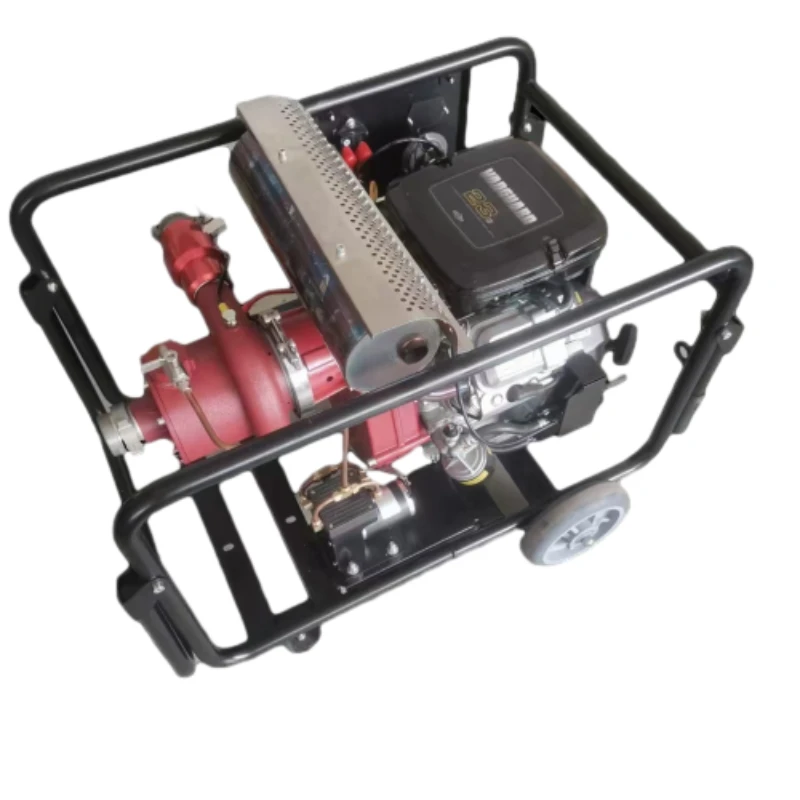
Whether powered by rechargeable lithium batteries, solar panels, or simple fuel engines, lightweight pumps prioritize low energy consumption. Particularly for remote or disaster zones, a pump that runs several hours on a small battery, or charges easily in the sun, brings massive advantages.
4. Cost-Effectiveness and Maintenance
You’ll find varying price points, but the best lightweight pumps cut operating costs drastically compared to traditional ones. Routine care is minimal: quick seal replacements or simple filter cleanings. For NGOs or small businesses, these savings and ease of repair matter enormously.
5. Portability Features
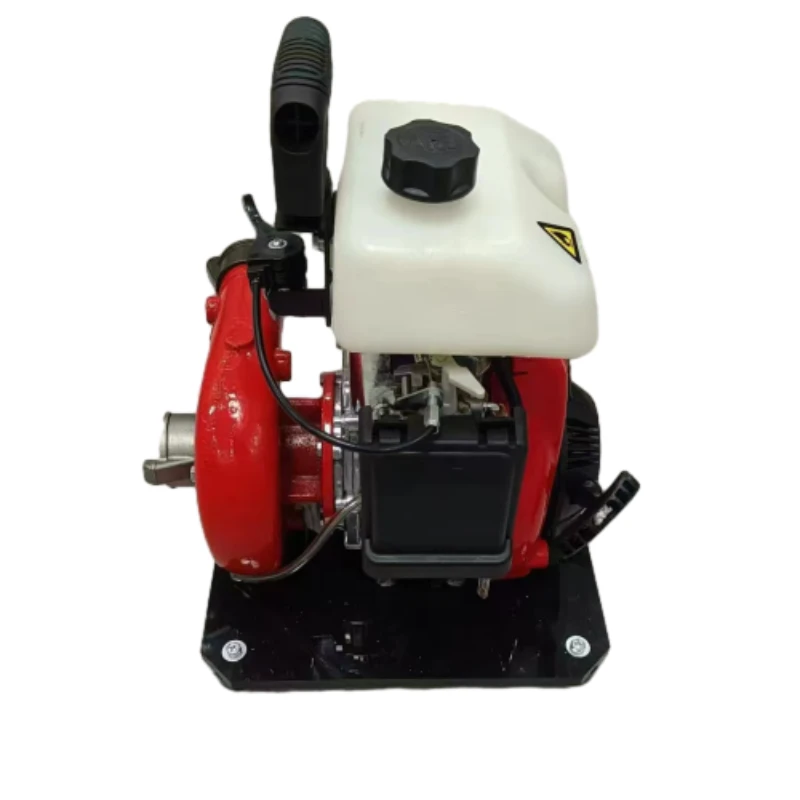
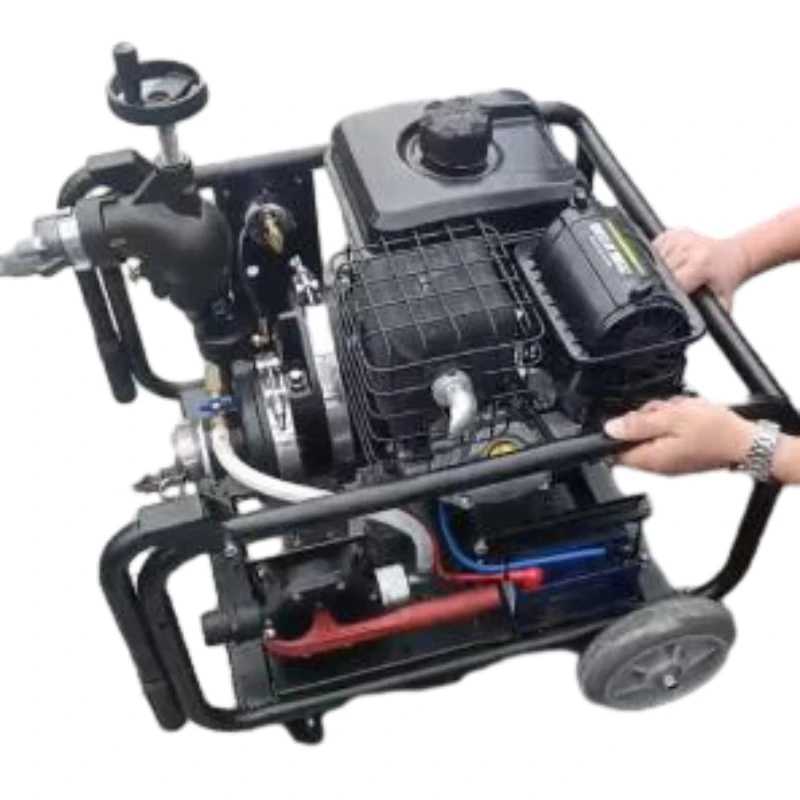
Handles, straps, carrying cases, and compact designs allow workers to haul these units on foot, in vehicles, or even airlift them to remote spots. In fact, some models weigh less than 10 kilograms but pump thousands of liters daily.
Mini takeaway: Lightweight pumps blend innovation with practical design, balancing durability and energy use to serve a vast array of critical tasks in many environments.
Real-World Uses of Lightweight Pumps Around the Globe
In post-disaster relief operations—like after floods in Southeast Asia—these pumps drain waterlogged homes and provide clean water swiftly, often where infrastructure is destroyed. Charitable organizations frequently prioritize lightweight portable pumps for their rapid deployment and reliability.
In remote industrial zones—say, oil exploration in the Arctic or mining camps deep inland—the ability to move fuels and water without heavy trucks or cranes saves time and money. Environmental teams monitor wetlands using solar-powered lightweight pumps to manage water levels with minimal disturbance.
Even municipal utilities in developed cities use lightweight pumps for quick patch-up jobs or temporary setups while main equipment undergoes repairs.
Here’s a practical look at typical lightweight pump specifications:
| Specification | Model A (Battery) | Model B (Solar) | Model C (Petrol) |
|---|---|---|---|
| Weight | 8.5 kg | 9.2 kg | 12 kg |
| Max Flow Rate | 350 L/min | 320 L/min | 400 L/min |
| Power Source | Lithium Battery (6h runtime) | Solar Panel (4–6h daily) | Petrol Engine (2L fuel tank) |
| Material | Aluminum Alloy | Composite Plastics | Reinforced Steel |
| Noise Level |
Comparing Leading Lightweight Pump Vendors
| Vendor | Best For | Price Range | Warranty | Global Reach |
|---|---|---|---|---|
| FlowLight | Battery-powered emergency pumps | $800–$1,200 | 3 years | North America, Europe |
| EcoPump | Solar & sustainable solutions | $1,000–$1,500 | 5 years | Global (especially Africa) |
| PetroLite | Fuel pumps for rugged sites | $700–$1,000 | 2 years | Asia, Middle East |
What Makes Lightweight Pumps Truly Valuable? Advantages to Remember
- Cost savings: Lower upfront and operating costs than heavy installed pumps.
- Sustainability: Less material used, energy-efficient, some models powered by renewables.
- Safety & Reliability: Reduced risk of injury thanks to lower weight; stable operation in harsh environments.
- Empowerment & Innovation: Increased access to fluid management allows remote areas to thrive; pushes for better designs worldwide.
There’s something reassuring knowing a pump won’t break your back but still handles essential fluid transport. From an emotional standpoint, it supports dignity—bringing clean water, enabling firefighting, or easing agricultural workloads.
Looking Ahead: Innovations Driving the Future of Lightweight Pumps
The future is bright. Advances in composite materials promise even lighter weights without sacrificing strength. Smart pumps with IoT capabilities already alert crews to failures or leakage. Solar integration and battery tech keep evolving, reducing dependence on fossil fuels.
Regulations worldwide are starting to nudge manufacturers toward greener, more energy-conscious models, while autonomous systems hint at pumps that adjust flow and pressure in real time—just the kind of efficiency many industries crave.
Challenges and How Experts Are Tackling Them
Of course, no technology is perfect. Lightweight pumps sometimes face issues like shorter runtime (battery versions) or limited pressure output. Durability in extreme conditions also remains a concern.
Innovation is answering these with hybrid power models, better sealing technologies, and more rigorous testing protocols to ensure reliability. Some companies even work with local technicians to improve maintenance networks, closing gaps that slow adoption in remote regions.
Frequently Asked Questions About Lightweight Pumps
- Q1: What makes a lightweight pump suitable for emergency relief?
- A: Portability, quick setup, and energy independence make lightweight pumps ideal for emergencies. Their ability to operate without heavy infrastructure allows responders to act fast, moving water or chemicals safely where it's needed.
- Q2: Are lightweight pumps reliable for long-term industrial use?
- A: While they excel in flexibility and portability, their reliability depends on maintenance and environment. Many models are designed for rugged conditions but may require more frequent servicing than permanent heavy-duty pumps.
- Q3: Can lightweight pumps handle different liquids?
- A: Yes, with appropriate seals and materials, many lightweight pumps can move water, fuel, chemicals, or slurry. It’s crucial to check specs to avoid corrosion or mechanical damage from specific fluid properties.
- Q4: How simple is it to transport these pumps to remote areas?
- A: Very simple—most come with compact cases, lightweight frames, and minimal setup tools. Some models are approved for air transport and can be carried by a single person.
- Q5: What sustainable features do modern lightweight pumps offer?
- A: Modern models often include solar charging, low-energy motors, recyclable components, and eco-friendly packaging, aligning with global sustainability goals.
Final Thoughts: Why Lightweight Pumps Are a Game Changer
At the end of the day, lightweight pumps aren’t just nifty gadgets; they’re tools that enable efficiency, save lives, and protect the environment. Their growing adoption across industries and humanitarian efforts underscores their value. If you’re looking for solutions that marry portability with performance, it’s worth taking a closer look at these nimble devices.
For those eager to explore models tailored to your needs or to step up your operational game, I invite you to visit our lightweight pumps page. There, you’ll find detailed product options, expert advice, and case studies to guide you.
Mini takeaway: Lightweight pumps embody a blend of technology, portability, and practical design that supports vital activities worldwide — and their story is only just beginning.
References:
1. Wikipedia: Pumps
2. United Nations Climate Change
3. World Bank: Water Supply and Sanitation





 English
  Arabic
  Bengali
  China
China  French
  German
  Hausa
Hausa  Indonesian
  Italian
  Japanese
  Javanese
  Malay
Malay  Persian
  Portuguese
  Punjabi
  Russian
  Spanish
  Swahili
  Telugu
  Vietnamese