





The world increasingly recognizes the critical role of robust fire safety systems. From sprawling urban centers to remote industrial sites, the ability to quickly and effectively combat fires is paramount, impacting lives, property, and economic stability. Understanding the types of pumps used in fire fighting system isn’t just about technical specifications; it’s about engineering solutions that directly address these global challenges. Effective fire suppression relies heavily on a consistent and powerful water supply, and the pump is the heart of that system. These systems are continually evolving to meet increasingly complex demands and stringent safety regulations.
The need for advanced fire fighting capabilities is underscored by the rising frequency and intensity of wildfires and structural fires globally. According to the National Fire Protection Association (NFPA), U.S. fire departments responded to 1,349,500 fires in 2021 alone. This translates into significant economic losses and, tragically, loss of life. Similarly, the UN Environment Programme highlights the escalating risk of wildfires due to climate change, emphasizing the need for enhanced prevention and response strategies, which fundamentally rely on efficient fire suppression systems.
The types of pumps used in fire fighting system are integral to these strategies, acting as the vital force that delivers the water necessary to protect communities and infrastructure. Selecting the right pump, understanding its limitations, and ensuring proper maintenance are key to building resilient fire defense systems. It's a topic that touches every facet of construction, safety, and emergency response.
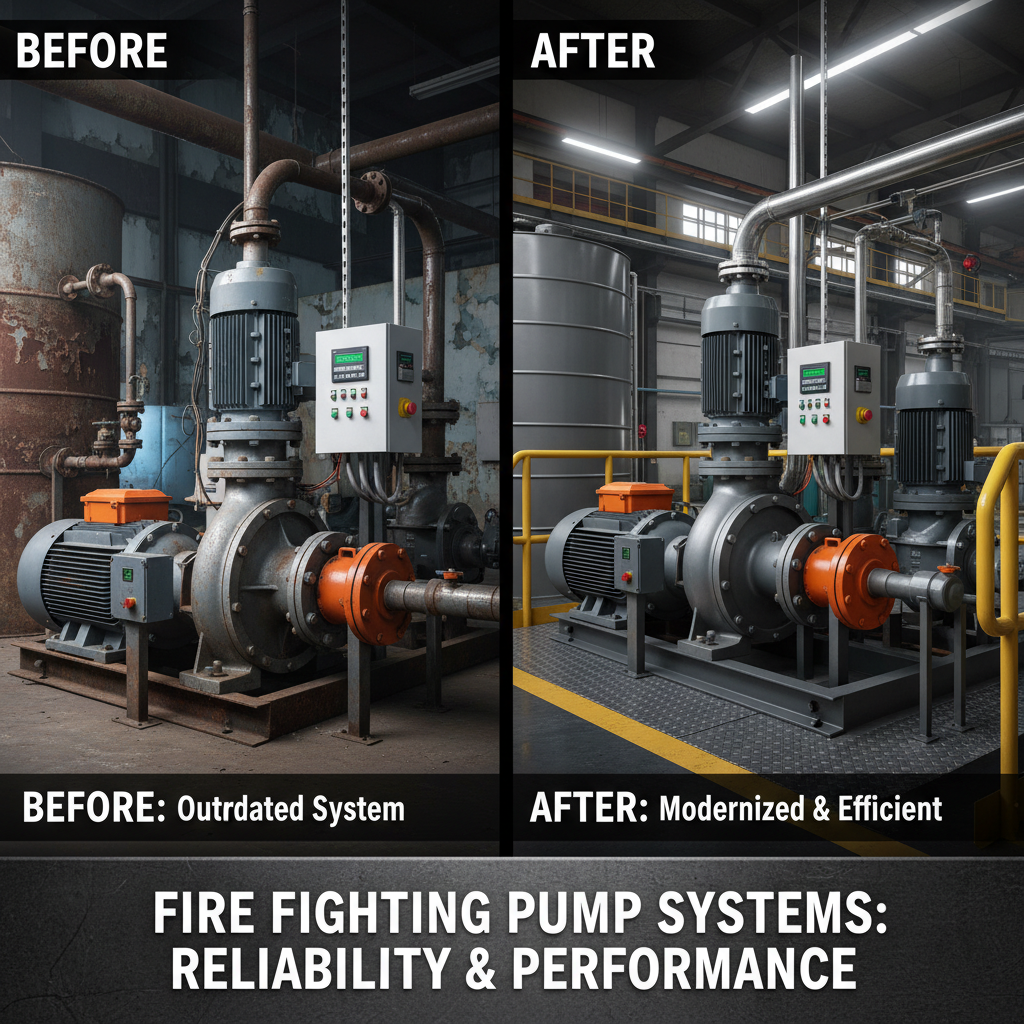
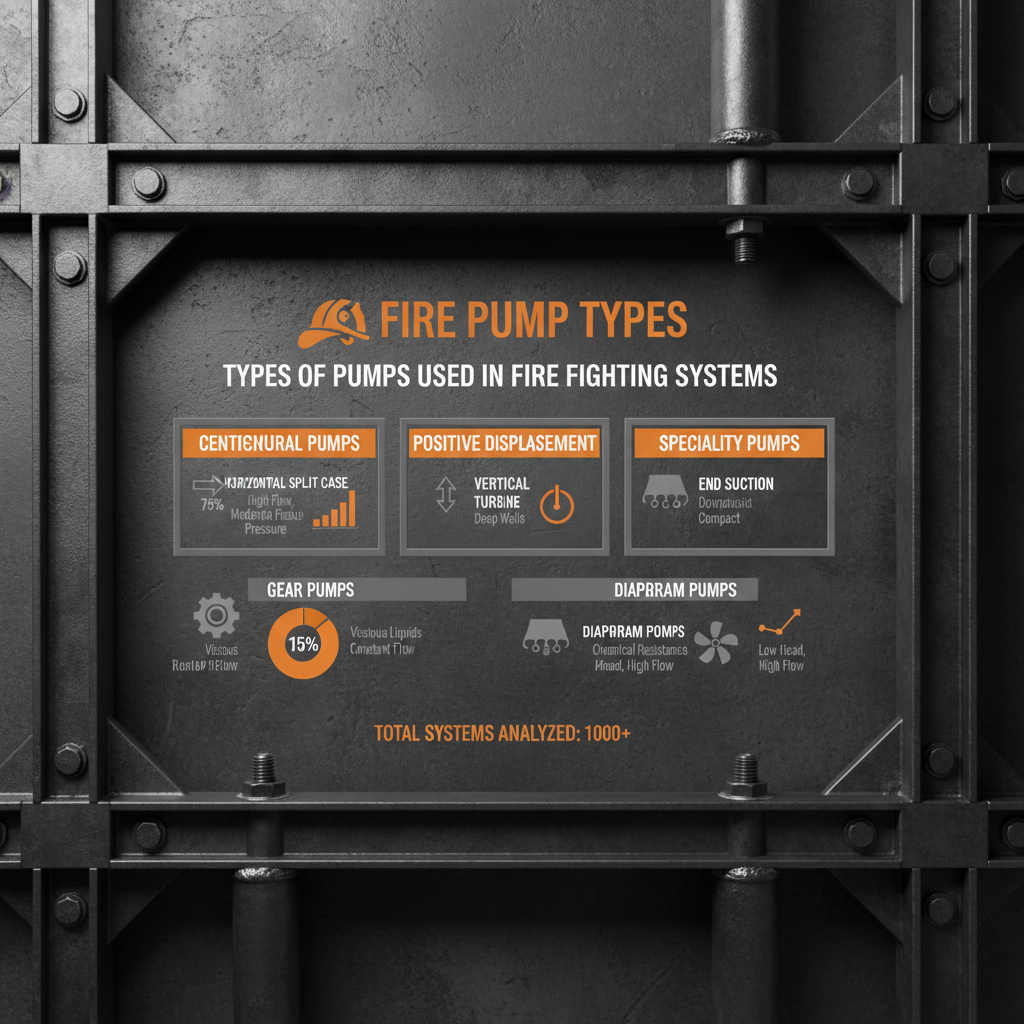
Look, I’ve spent years on sites watching these systems go in. It's not just about getting water to the fire, it's about getting the right pressure and volume consistently. The pump is the engine driving that, and it’s gotta be reliable. A cheap pump, or one that's not properly sized for the system, is a disaster waiting to happen. We’re talking life safety here.
These systems range from simple setups in smaller buildings to incredibly complex, high-capacity arrangements in skyscrapers and industrial facilities. Choosing the right types of pumps used in fire fighting system depends on a whole host of factors – the building height, the type of occupancy, the water supply available, and the specific fire risks present. It’s a systems-level approach; the pump doesn’t exist in a vacuum.
Pump sizing isn't just about square footage. It's a complex calculation involving building height, occupancy type, fire hazard classification, and required flow rates and pressures dictated by code. We need to assess the hydraulic demand of the entire system, including sprinkler heads and hose standpipes, to ensure adequate coverage. Neglecting any of these factors can lead to insufficient fire suppression.
Regular inspection and maintenance are critical. At a minimum, pumps should be visually inspected monthly, with more thorough inspections and testing performed annually. This includes checking lubrication levels, seal integrity, and overall system functionality. Diesel-driven pumps require additional maintenance, like fuel polishing and engine testing, as per the manufacturer's recommendations. Proper maintenance ensures reliability when you need it most.
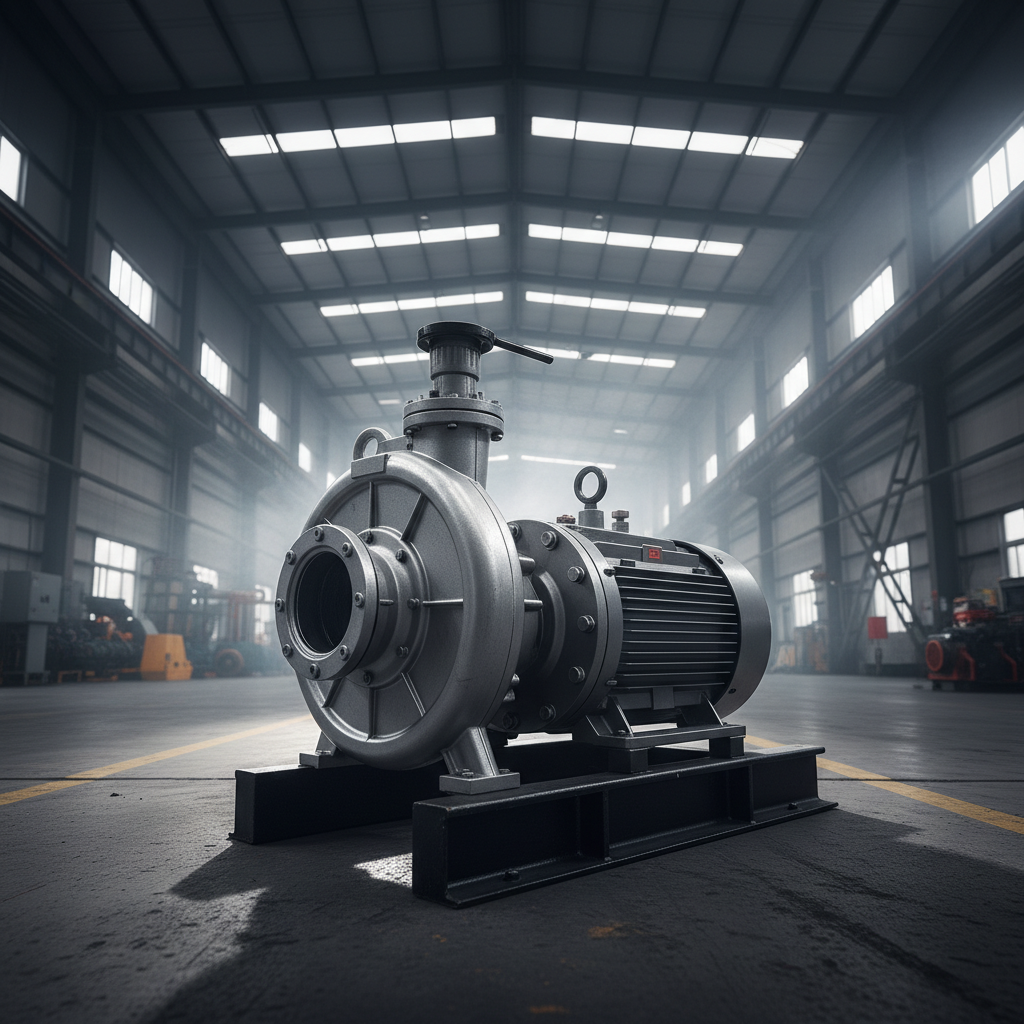
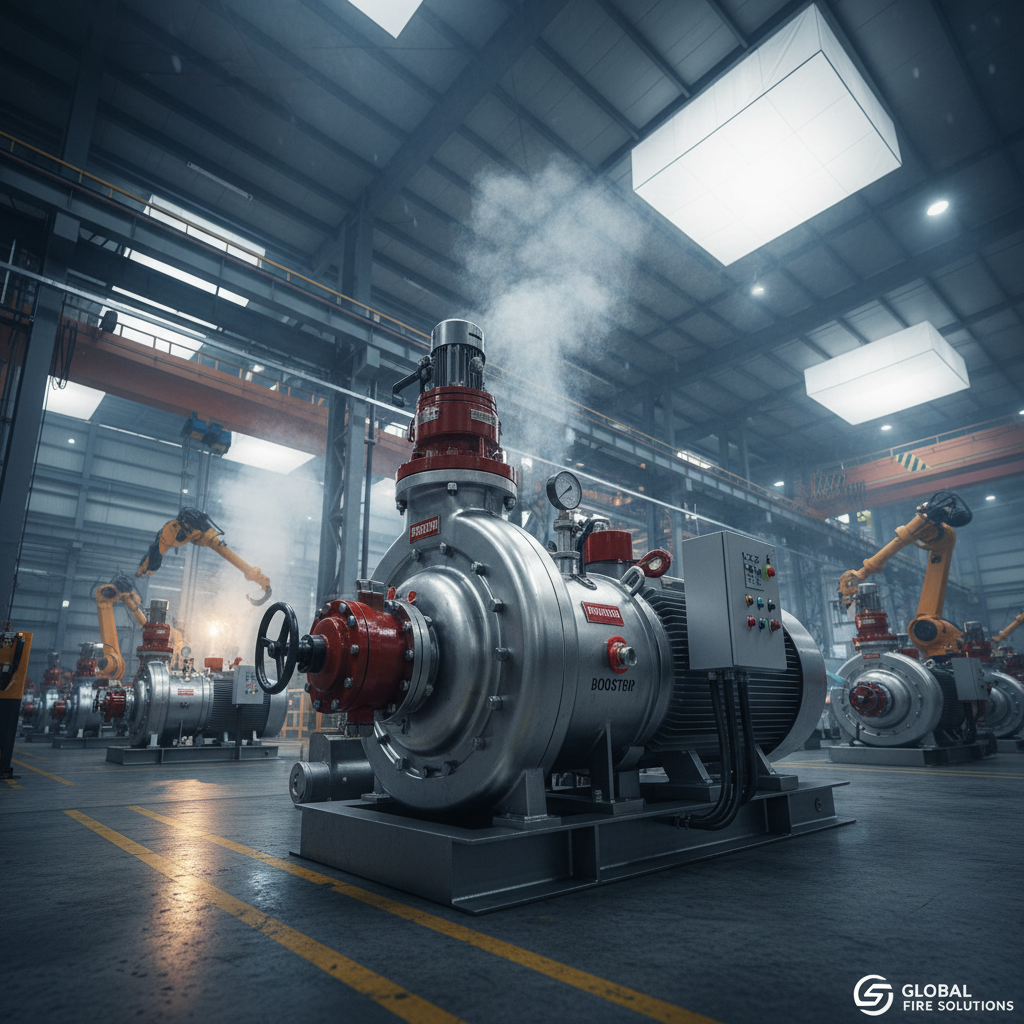
Centrifugal pumps are your workhorses – high flow, lower pressure. They’re great for most typical fire sprinkler systems. Positive displacement pumps, on the other hand, deliver a constant flow rate regardless of pressure. They're often used in foam systems where consistent chemical mixing is essential. Each type has specific strengths, and choosing the right one depends on the application.
Compliance starts with understanding the applicable codes, like NFPA 20, which sets standards for the installation of stationary pumps for fire protection. You'll also need to consult local building codes and insurance requirements. Working with a qualified fire protection engineer and a licensed contractor is crucial to ensure your system is designed, installed, and maintained to meet all necessary standards.
The jockey pump is a small pump that maintains system pressure to compensate for minor leaks or pressure fluctuations. It prevents the main fire pump from cycling on and off unnecessarily, which extends its lifespan and reduces energy consumption. It's a crucial component for system efficiency and reliability.
VFDs allow you to precisely control pump speed and flow rate, optimizing energy consumption and reducing wear and tear. They can also improve system response time and provide better pressure control. They’re particularly beneficial in buildings with fluctuating water demands. While they add upfront cost, the long-term savings can be significant.
Understanding types of pumps used in fire fighting system isn’t just a technical exercise; it’s a fundamental component of building safety and resilience. From selecting the right pump for a specific application to ensuring proper maintenance and adherence to industry standards, the choices we make directly impact lives and property. Investing in reliable, well-maintained fire fighting systems is an investment in peace of mind.
As technology continues to evolve, we can expect to see even more sophisticated and sustainable pumping solutions emerge. Embracing these advancements, while maintaining a focus on core principles of safety and reliability, will be critical to protecting communities and infrastructure in the face of increasing fire risks. Visit our website at www.ffwfiresafety.com to learn more about our comprehensive fire protection solutions.

SUBSCRIBE NEWSLETTER
We are very interested in your company's high-quality fire protection equipment and hope to learn more about the products and discuss purchasing matters.

Hebei FeiFanWei Technology Co.,Ltd. is a comprehensive enterprise specialized in the research, production, sales and training of emergency rescue equipment.


PRODUCTS
PRODUCTS
QUICK LINKS
CONTACT US
Hebei FeiFanWei Technology Co.,Ltd. is a comprehensive enterprise specialized in the research, production, sales and training of emergency rescue equipment.
Copyright © 2026 Hebei FeiFanWei Technology Co.,Ltd. All Rights Reserved. Sitemap | Privacy Policy | Top Blog | Global Service


