



Understanding the different types of pump in fire fighting is absolutely critical, not just for fire departments and emergency responders, but for anyone involved in risk management and safety planning. We’re talking about protecting lives and property, and the right pump can be the difference between containing a blaze and a catastrophic event. Globally, the demand for robust and reliable fire suppression systems is constantly increasing, driven by factors like urbanization, climate change, and stricter safety regulations. The UN reports a steady rise in fire-related incidents worldwide, highlighting the need for continuous improvement in fire fighting technologies. These pumps aren't just about brute force; it's about intelligent application and understanding the nuances of each type.
For those of us on the ground, dealing with real-world scenarios, it's not enough to just know the theory. We need to understand how these systems perform under pressure, how easily they're maintained, and what their limitations are. A pump that’s perfect on paper might be a nightmare in the field if it’s overly complex or requires specialized parts that aren’t readily available. Investment in these systems is a growing market, driven by international safety standards like those set by the ISO, but that investment needs to be informed.
At its core, types of pump in fire fighting refers to the diverse range of mechanical devices used to deliver water or other fire suppressants at the necessary pressure and volume to extinguish fires. From simple hand-operated pumps to complex high-capacity turbine pumps, the choice depends on the specific application – a small building fire versus a large industrial complex, for example. This isn’t some abstract concept; it’s about protecting critical infrastructure, preserving ecological systems, and, ultimately, saving lives in situations where every second counts.
The effective deployment of types of pump in fire fighting directly impacts global safety and economic stability. Consider the devastating wildfires we've seen in Australia, California, and the Amazon – the scale of these events underscores the importance of having the right equipment to rapidly suppress flames. Beyond natural disasters, industrial accidents and urban fires claim countless lives and cause billions of dollars in damage annually.
Investing in advanced fire fighting pump technology isn’t just about responding to emergencies; it's about preventative measures, safeguarding critical infrastructure, and ensuring business continuity. A well-maintained and appropriately selected pump system minimizes damage, reduces response times, and ultimately saves lives. That’s a measurable return on investment that goes far beyond the initial purchase price.
The most common error is focusing solely on initial cost without considering long-term operating expenses and maintenance requirements. A cheap pump that constantly breaks down or consumes excessive energy will ultimately cost far more than a higher-quality, more efficient model. Understanding the specific fire hazards and anticipated usage patterns is critical for making an informed decision, and that often requires expert consultation.
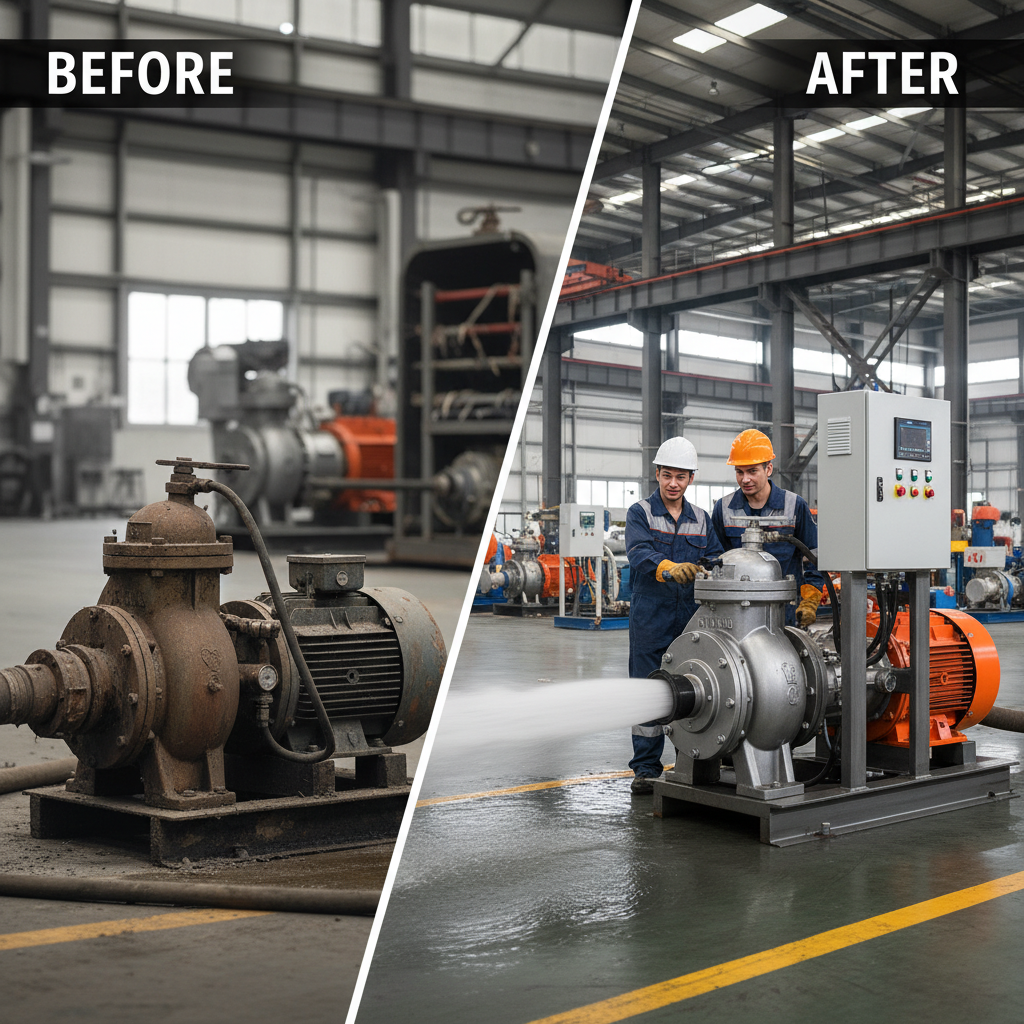
Regular inspection and maintenance are paramount. A minimum of annual inspections by a qualified technician is essential, but more frequent checks – quarterly or even monthly – are recommended for critical systems. Maintenance should include lubrication, impeller inspection, seal replacement, and pressure testing. Keeping detailed maintenance records is also crucial for tracking performance and identifying potential issues.
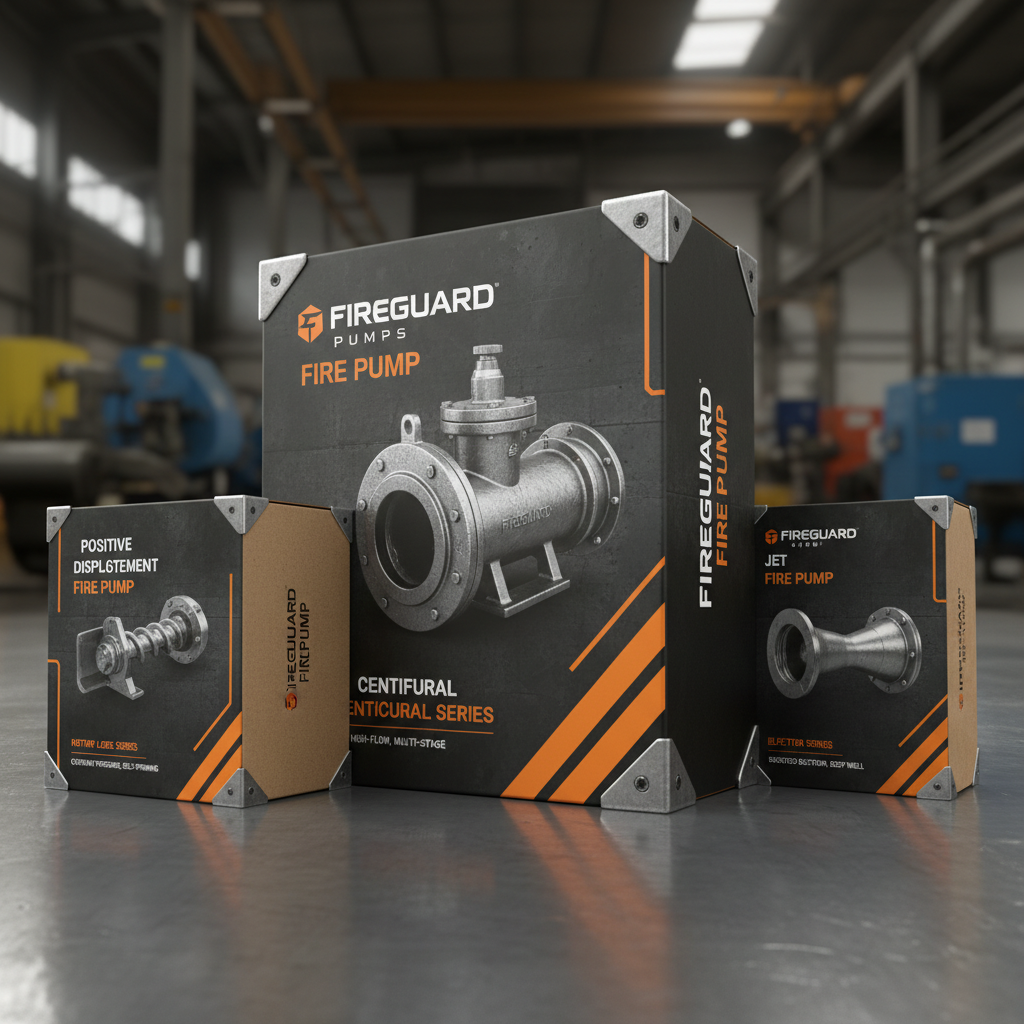
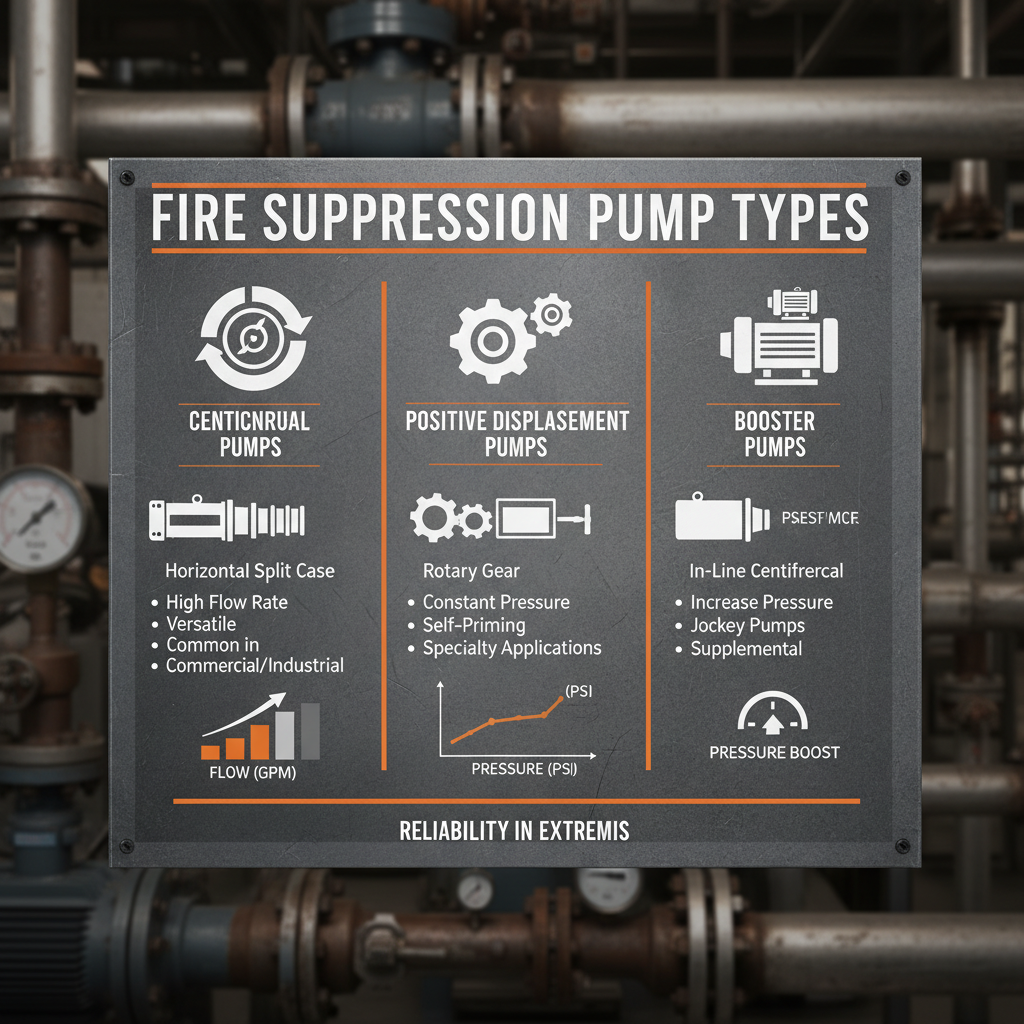
Centrifugal pumps are ideal for high-flow, low-pressure applications, like moving large volumes of water quickly. They’re generally more affordable and require less maintenance. Positive displacement pumps, on the other hand, excel at delivering consistent flow rates at high pressures, making them suitable for applications like foam concentrate injection. The choice depends on the specific needs of the fire suppression system.
Absolutely not. Standard water pumps aren't designed to handle the demands of fire fighting. They often lack the necessary pressure and flow rate, and they may not be constructed with materials that can withstand the harsh conditions encountered during a fire. Using an inappropriate pump can create a dangerous situation and compromise the effectiveness of fire suppression efforts.
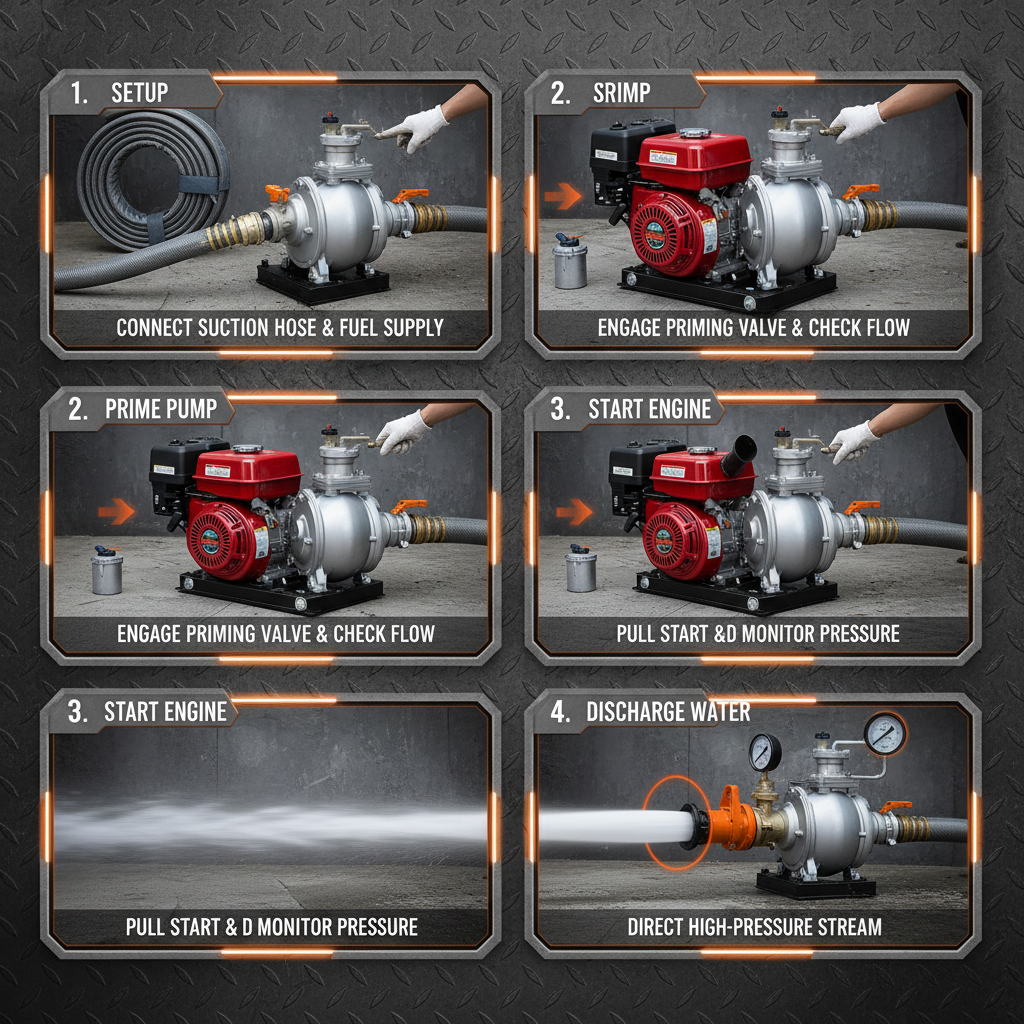
Portability, weight, and ease of deployment are paramount in wildland fire fighting. Pumps must be lightweight enough to be carried over rough terrain and easy to set up quickly. They also need to be capable of drawing water from a variety of sources, including rivers, lakes, and ponds. Fuel efficiency and reliability are also critical factors, as firefighters often operate in remote locations for extended periods.
Technology is revolutionizing fire fighting pump performance. Smart sensors, remote monitoring systems, and digital flow control are enabling more efficient operation, predictive maintenance, and faster response times. These technologies help optimize pump performance, reduce downtime, and ultimately improve fire suppression effectiveness. The integration of data analytics is also providing valuable insights into pump usage patterns and potential areas for improvement.
In conclusion, understanding the nuances of types of pump in fire fighting is not merely a technical exercise; it’s a fundamental aspect of safety, resilience, and responsible risk management. From selecting the right pump for a specific application to implementing a robust maintenance program, every decision has the potential to impact lives and property. The future of fire fighting pump technology lies in innovation, sustainability, and a commitment to continuous improvement.
As we move forward, it’s crucial to embrace new technologies, prioritize preventative maintenance, and invest in training and education. By doing so, we can ensure that fire fighting pumps continue to serve as a vital lifeline in protecting communities around the globe. Visit our website at www.ffwfiresafety.com to learn more about our comprehensive range of fire fighting pumps and solutions.

SUBSCRIBE NEWSLETTER
We are very interested in your company's high-quality fire protection equipment and hope to learn more about the products and discuss purchasing matters.

Hebei FeiFanWei Technology Co.,Ltd. is a comprehensive enterprise specialized in the research, production, sales and training of emergency rescue equipment.


PRODUCTS
PRODUCTS
QUICK LINKS
CONTACT US
Hebei FeiFanWei Technology Co.,Ltd. is a comprehensive enterprise specialized in the research, production, sales and training of emergency rescue equipment.
Copyright © 2026 Hebei FeiFanWei Technology Co.,Ltd. All Rights Reserved. Sitemap | Privacy Policy | Top Blog | Global Service