

wechat
d3f465e7-84e5-42bb-9e8a-045675d7acbb.webp1
whatsapp
736c7497-0c03-40d4-ba30-fc57be1a5e23.webp1
mailto
up
0%

Table of Contents

Look, after running around construction sites all year, you start to see patterns. Everyone’s talking about prefabrication now, modular builds. It's not new, mind you. We were dabbling with it back in ‘08, but the economics just weren't there. Now, with material costs through the roof and skilled labor getting harder to find… well, it’s making a comeback. It's all about speed and minimizing waste, right? But people think it's just slapping together Lego bricks. It’s not. It's a whole different beast.

To be honest, the biggest mistake I see is folks trying to over-engineer the connections. They get so caught up in the analysis, the stress testing, that they forget about the poor guy who actually has to assemble it. I encountered this at a factory in Ningbo last time, they had this ridiculously complex interlocking system… took three guys and a crane to put it together. Pointless! Simple is always better.

And don't even get me started on materials. Everyone wants composite this, nano-that. Give me good old steel any day. You can feel it, you can smell it. It’s honest. We’re using a lot of S355J2 steel these days, especially for the framing. It’s got good yield strength, easy to weld, and, you know, doesn't flake off if you look at it wrong. Though the smell when you're cutting it… that's something else. Then there’s the protective coatings – epoxy primers, polyurethane topcoats. They're crucial, especially near the coast.
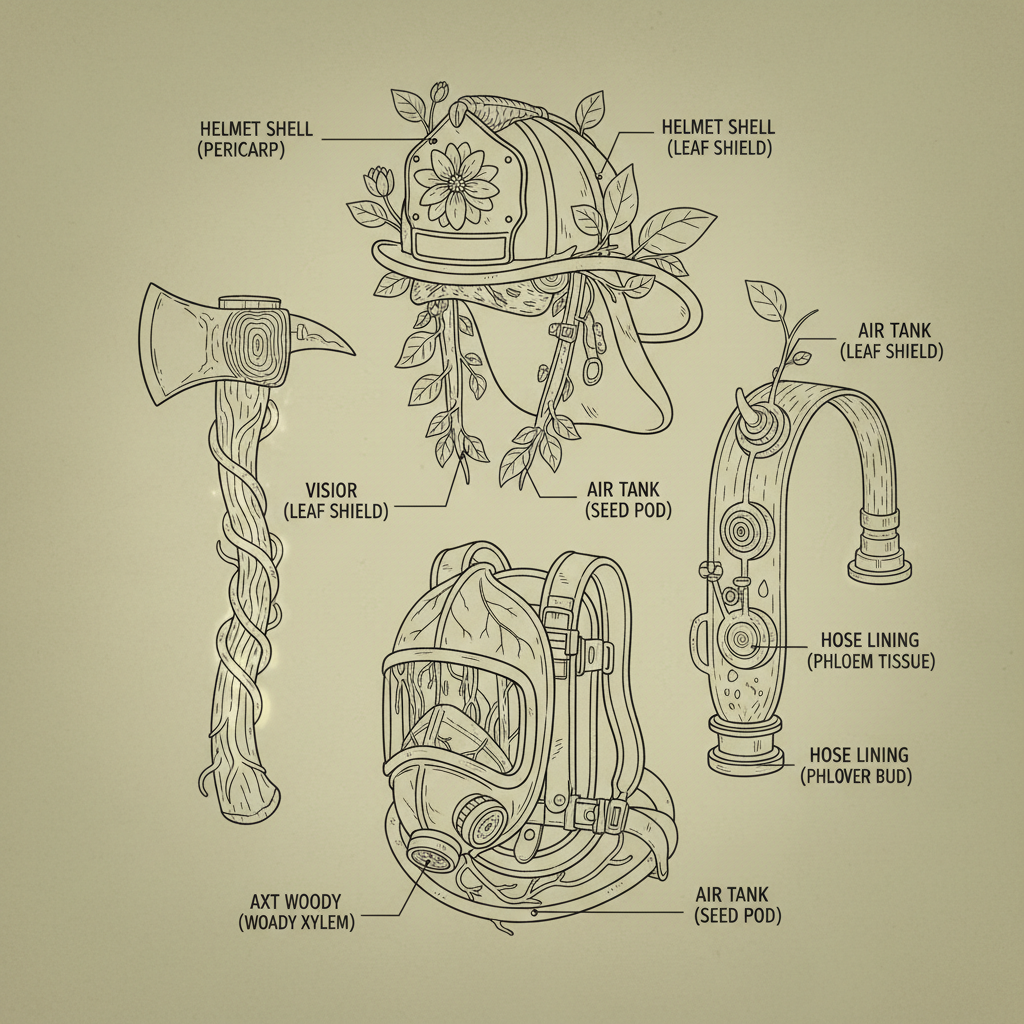
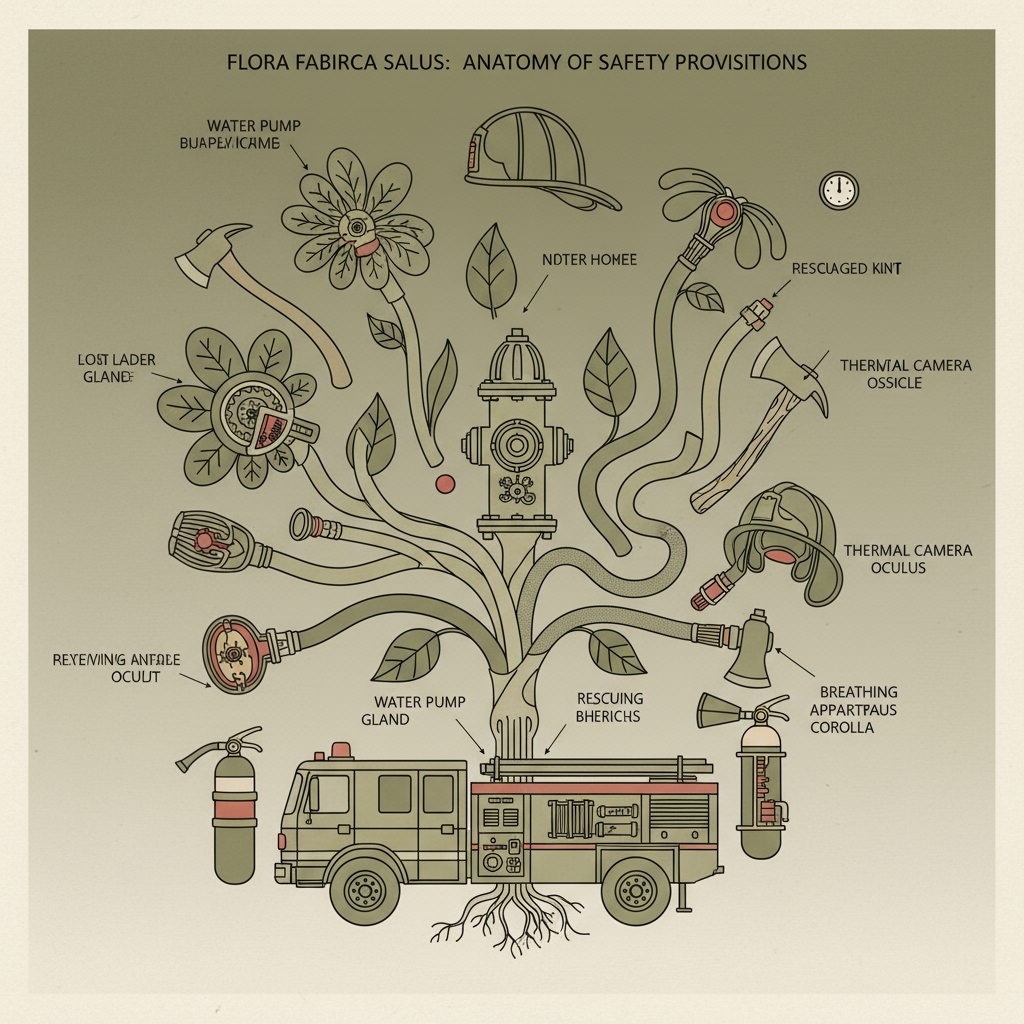
Advancements in Fire and Rescue Equipment Design and Prefabrication Techniques

The Rise of Prefabrication in Fire and Rescue Equipment

Advancements in Fire and Rescue Equipment Design and Prefabrication Techniques

Have you noticed how much more common pre-fabricated fire stations are becoming? It used to be all custom builds, but now, especially for smaller towns, pre-fab is the way to go. It dramatically cuts down on construction time, and frankly, the quality control is better. When it's built in a controlled factory environment, you're less likely to get shoddy workmanship. It's not just stations either. We're seeing pre-fab components for command centers, training facilities… pretty much anything that isn’t super specialized.

Anyway, I think the biggest driver is the need for faster deployment. When a community needs a new fire station, they don’t want to wait a year and a half for it to be built. They need it now. Prefabrication allows you to get a fully functional facility up and running in a fraction of the time.

Common Design Pitfalls in Fire and Rescue Equipment

Strangely enough, one of the biggest problems I see is architects designing these things without talking to the firefighters who are actually going to use them. They'll put in all these fancy features, like glass walls in the living quarters, and the firefighters are like, "Are you kidding me? We need privacy!" It's basic stuff. Or they'll design a bay door that's too narrow for the trucks. Seriously! You’d think they’d check that.

Another big one is ventilation. Poor ventilation leads to all sorts of problems – mold, mildew, sick building syndrome. Firefighters are already exposed to enough toxins, they don’t need to be breathing that in at the station too. You've got to get the airflow right, and that means considering things like prevailing winds, building orientation, and the types of equipment being used.

And don’t even get me started on cable management. A fire station is a mess of cables – for communications, alarms, vehicle maintenance… it’s a nightmare. If you don’t plan for it properly, it’s just going to become a tangled, unmanageable mess.

Material Selection: A Hands-On Approach to Fire and Rescue Equipment

Look, I’m a practical guy. I care about what works, not what sounds good on paper. For flooring, you want something durable, easy to clean, and slip-resistant. Epoxy is good, but it can be expensive. Polished concrete is another option, but it can be cold and hard on the feet. I prefer good old-fashioned quarry tile. It’s tough, it’s affordable, and it looks decent.

For wall panels, we're leaning heavily towards fiber-reinforced polymer (FRP). It's lightweight, corrosion-resistant, and easy to install. It doesn't have the same feel as concrete – it's a bit…plasticky. But the benefits outweigh the drawbacks, especially in coastal environments. Plus, it’s got that slight chemical smell that tells you it’s doing something.

And roofing? Metal, always metal. Standing seam metal roofing, specifically. It's durable, energy-efficient, and it doesn’t require a lot of maintenance. Plus, it looks sharp. Later… forget it, I won't mention the time we tried a green roof at a station in Florida. Let's just say it didn't end well.

Real-World Testing of Fire and Rescue Equipment

Lab tests are fine, but they don’t tell you the whole story. You need to put this stuff through the wringer in a real-world setting. We regularly collaborate with fire departments to do field testing. We’ll set up a mock station, simulate real-life scenarios, and get feedback from the firefighters.

For example, we tested a new type of hose last year. The lab tests showed it had excellent burst pressure, but when we got it out on the field, the firefighters complained that it was too stiff and difficult to maneuver. We went back to the drawing board and adjusted the material composition. That’s the kind of feedback you just can’t get in a lab.

Fire and Rescue Equipment Performance Metrics


How Fire and Rescue Equipment is Actually Used

You know, you design a storage system for turnout gear, thinking firefighters will meticulously hang everything up. Nope. It ends up in a pile. A neatly organized pile, usually, but still a pile. You gotta design for how people actually behave, not how you think they should behave.

Same with the vehicle maintenance bays. You design these elaborate systems for fluid recovery and tool storage, and they just end up using cardboard boxes and duct tape. It's frustrating, but you learn to embrace the chaos.

Advantages and Disadvantages of Modern Fire and Rescue Equipment

The biggest advantage of the new stuff? Durability. Everything is built to last, to withstand the harshest conditions. The composite materials, the high-strength alloys… it’s a huge improvement over the old days. Also, it’s safer. More ergonomic designs, better protective gear, it all adds up.

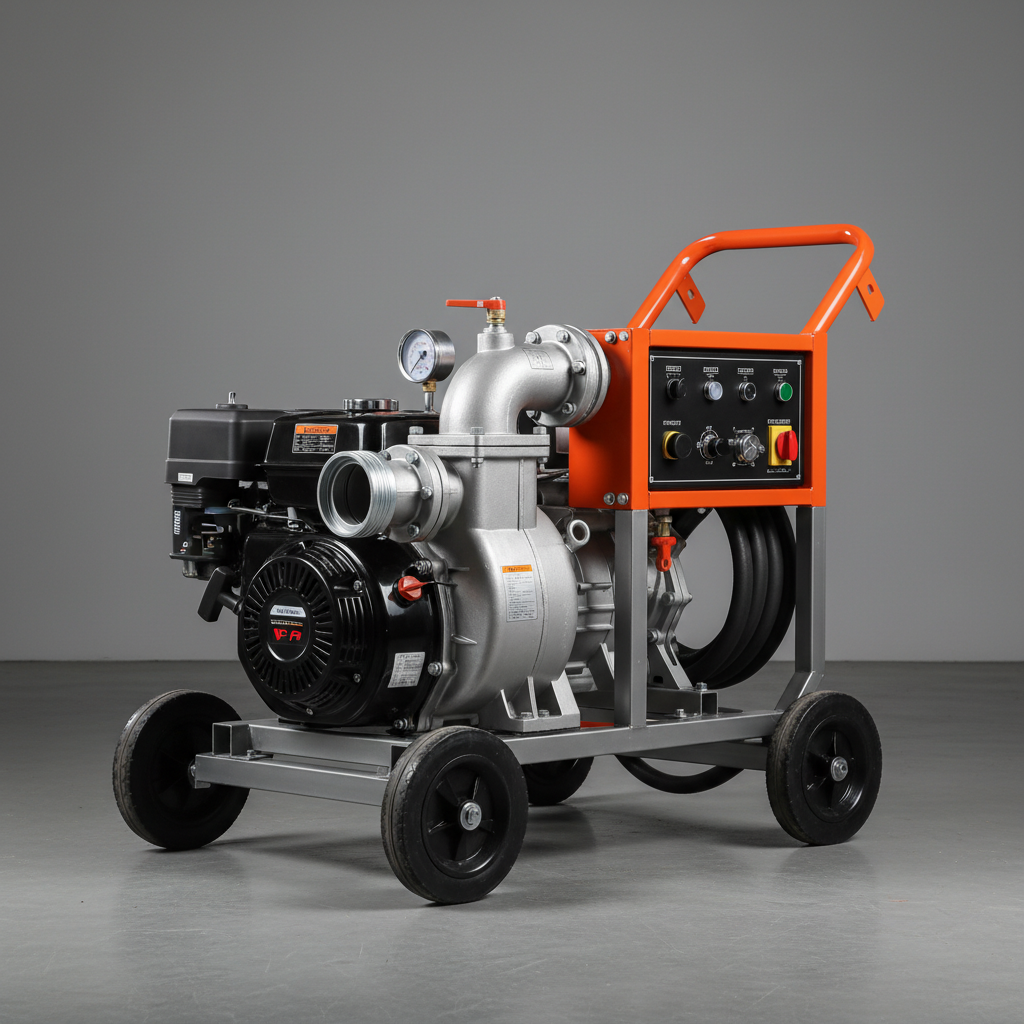
But it’s also more expensive. Significantly more expensive. And sometimes, it's too complex. Too many bells and whistles. The firefighters just want something that works, reliably and without a lot of fuss. I saw a small boss in Shenzhen last month who insisted on changing the interface to on a portable pump – said it was “more modern”. Took him three hours to find a compatible cable, and the pump still performed worse than the old USB-A version!

And honestly, some of these “smart” features? Pointless. They add cost and complexity without providing any real benefit. We need to focus on the basics: functionality, durability, and ease of use.

Customization Options for Fire and Rescue Equipment

Look, every fire department is different. They have different needs, different budgets, different preferences. We offer a lot of customization options to meet those needs. For example, we can adjust the size and layout of the apparatus bays to accommodate different types of trucks.

We can also customize the color schemes and finishes to match the department's branding. And we can integrate specialized equipment, like hazardous materials storage or decontamination facilities. The key is to listen to the firefighters and understand their specific requirements.

Just last week, we worked with a department in rural Montana that needed a station designed to withstand extreme winter weather. We reinforced the roof, added extra insulation, and installed a backup generator. It wasn't cheap, but it was essential for their safety and operational readiness.

Core Aspects of Fire and Rescue Equipment Customization

Customization Category Complexity Level (1-5) Cost Impact (Low, Med, High) Lead Time (Weeks)
Apparatus Bay Dimensions 3 Med 4
Color Scheme & Finishes 1 Low 2
Hazardous Materials Storage 4 High 8
Backup Power Systems 3 Med 6
Specialized Ventilation Systems 5 High 10
Reinforced Roofing Structures 4 Med 7

FAQS

What are the key factors to consider when choosing pre-fabricated fire station materials?

When selecting materials for a prefabricated fire station, prioritize durability, corrosion resistance, and ease of maintenance. Consider factors like local climate, potential exposure to harsh chemicals, and the long-term cost of ownership. Steel, FRP, and specific concrete mixes are often preferred due to their robust properties and relative longevity. Don’t skimp on the coatings – they’re crucial for protecting against the elements. And always get feedback from the firefighters who will be using the station.

How can I ensure that a pre-fabricated fire station meets local building codes?

Ensuring compliance with local building codes is paramount. Work with a manufacturer that has experience navigating the permitting process in your area. They should be able to provide documentation demonstrating that their pre-fabricated components meet all applicable standards. Be prepared to submit detailed plans and specifications to the local building department for review, and be open to making adjustments as needed. It's a bit of a headache, but it's worth it to avoid problems down the road.

What is the typical lifespan of a pre-fabricated fire station?

With proper maintenance, a well-built pre-fabricated fire station can easily last 50 years or more. The key is to address any issues promptly, such as leaks, corrosion, or structural damage. Regular inspections and preventative maintenance are essential. The lifespan will also depend on the quality of the materials used and the severity of the environmental conditions. But honestly, if you use quality materials and build it right, it’ll outlast all of us.

Are pre-fabricated fire stations customizable to meet specific department needs?

Absolutely. Customization is a major advantage of pre-fabrication. You can adjust the layout, size, and features of the station to meet the unique requirements of your department. This includes things like apparatus bay configurations, equipment storage solutions, training rooms, and living quarters. The more specific you are with your needs upfront, the better the final result will be.

What are the potential challenges of integrating pre-fabricated components with existing fire station infrastructure?

Integrating pre-fabricated components with existing infrastructure can be tricky. You need to ensure that the connections are structurally sound and that all systems are properly integrated. This often requires careful planning and coordination with experienced contractors. Potential challenges include mismatched foundation heights, differing wall thicknesses, and compatibility issues with existing electrical and plumbing systems.

How does the cost of a pre-fabricated fire station compare to a traditionally constructed one?

Generally, pre-fabricated fire stations are more cost-effective than traditionally constructed ones, primarily due to reduced labor costs and faster construction timelines. However, the final cost will depend on a variety of factors, including the size and complexity of the station, the materials used, and the location. It’s best to get quotes from multiple manufacturers and compare them carefully. Remember to factor in the long-term cost of ownership, including maintenance and energy efficiency.

Conclusion

So, where does all this leave us? Prefabrication is changing the game when it comes to building fire stations and other emergency response facilities. It’s faster, more efficient, and often more cost-effective. But it's not a magic bullet. You still need to pay attention to the details – material selection, design, customization, and integration with existing infrastructure. You need to listen to the firefighters who are going to be using the facilities, and you need to prioritize durability and safety above all else.

Ultimately, whether this thing works or not, the worker will know the moment he tightens the screw. Don't overthink it. Focus on building something solid, something reliable, something that will protect the people who protect us. To learn more about our fire and rescue equipment solutions, visit our website at www.ffwfiresafety.com.
Daniel Hayes

Daniel Hayes

Daniel Hayes serves as the Regional Sales Manager for FEI FAN WEI, covering the Western US. With over 15 years of experience in fire safety equipment sales, Daniel brings a deep understanding of the challenges faced by wildland firefighters and forestry professionals. He's a graduate of Montana State University with
Previous Advancements in forestry fire fighting product for Rapid and Effective Response
Next Advancements in Modular Construction and Emergency Rescue Equipment Integration

SUBSCRIBE NEWSLETTER

We are very interested in your company's high-quality fire protection equipment and hope to learn more about the products and discuss purchasing matters.