

wechat
d3f465e7-84e5-42bb-9e8a-045675d7acbb.webp1
whatsapp
736c7497-0c03-40d4-ba30-fc57be1a5e23.webp1
mailto
up
0%

Table of Contents

Look, I’ve been running around construction sites for, what, fifteen years now? Seen a lot of stuff come and go. Lately, everyone's obsessed with ‘smart’ forest fire fighting pumps. Not just the pump itself, but the data they’re trying to pull off it. Remote monitoring, predictive maintenance… sounds fancy, right? But honestly, most of the time, the guys on site just want something that works, and doesn’t leak. They don't need another app telling them the impeller is wearing out – they can usually hear it.

Have you noticed how everything's getting smaller, lighter? That’s the trend. Used to be, these pumps were absolute beasts. Now, they're trying to squeeze the same power into a package you can actually carry without throwing your back out. Which is good, I guess, but it introduces a whole new set of problems. Smaller means more precision, which means more things to go wrong.

And the materials... man, the materials. They’re always changing. Right now, it's all about composites. Fiberglass, carbon fiber… feels weird, doesn’t it? Not like good, solid cast iron. You can smell the difference, you know? Cast iron has a… weight to it, a history. Composites… they just smell like resin. Anyway, they’re strong, lighter, corrosion-resistant. Can't argue with that. But try getting a weld to stick to carbon fiber. Good luck.
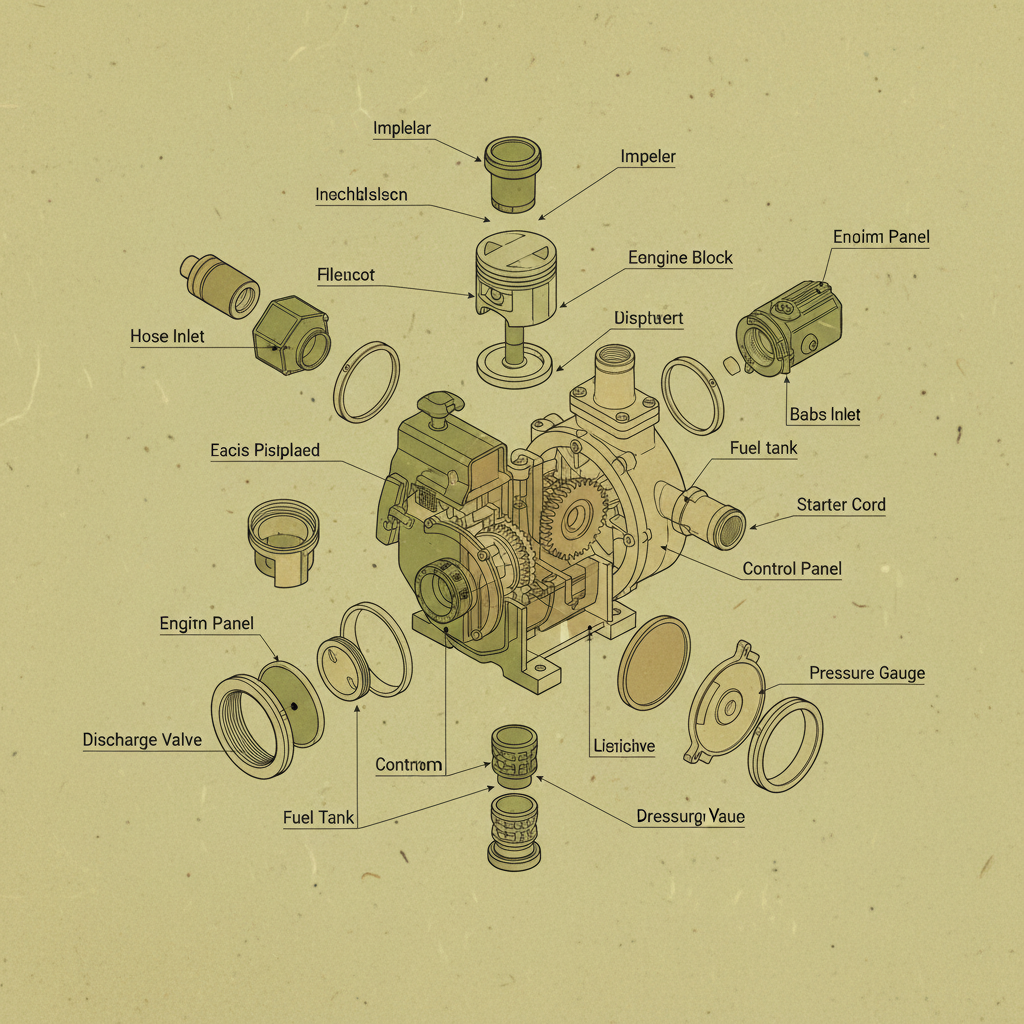
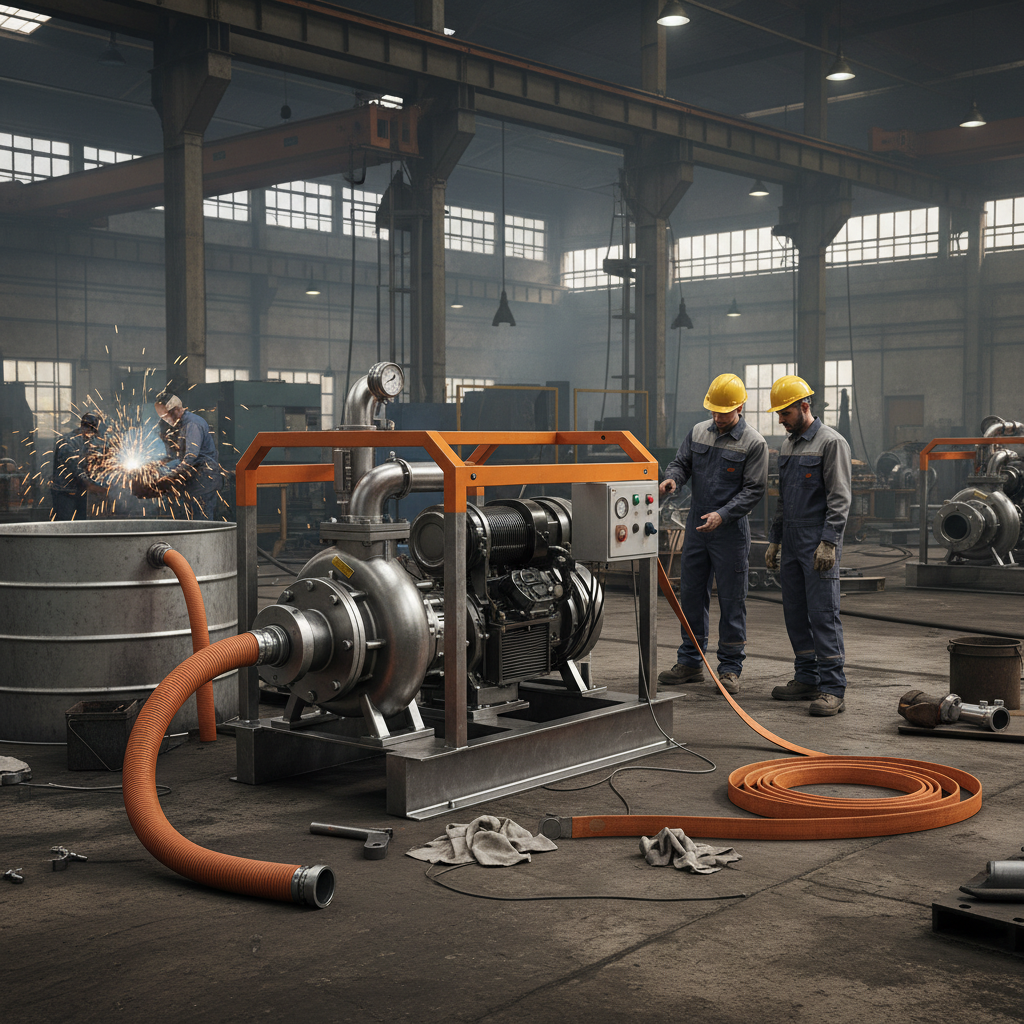
Advanced Forest Fire Fighting Pumps Design Trends and Practical Considerations

Industry Trends and Common Pitfalls

Advanced Forest Fire Fighting Pumps Design Trends and Practical Considerations

To be honest, the biggest pitfall I see is over-engineering. Designers get caught up in the specs, the simulations, and forget what this thing actually has to do. It needs to suck water out of a muddy ditch and shoot it a good distance. That’s it. They add all these fancy features – variable speed drives, automatic shut-offs, Bluetooth connectivity… and it just makes it more complicated, more expensive, and more likely to break down. Strangely, the simpler ones are almost always more reliable.

I encountered this at a factory in Ningbo last time. They were showing off their new ‘intelligent’ pump, boasting about all its sensors and algorithms. I asked the engineer, "What happens when the power goes out?" He just stared at me. Like he hadn’t even considered it. That’s the problem. They're thinking about the best-case scenario, not the real world.

Material Science: From Cast Iron to Composites

Like I said, materials are changing. Cast iron was the king for a long time. You could beat it with a hammer, drop it off a truck, and it would still pump. But it’s heavy. And it rusts. Now, everything's about reducing weight. Aluminum alloys are popular, but they're not as strong. Composites offer the best of both worlds, but they're tricky. You have to be careful with the layup, the resin type, the curing process… otherwise, you end up with something that looks strong but will shatter under stress. The smell of epoxy resin when they're bonding those things... fills the whole workshop. It's not a pleasant smell.

And even within composites, there’s a huge range. Carbon fiber is incredibly strong, but brittle. Fiberglass is more forgiving, but heavier. They’re always trying to find the right balance. It’s like Goldilocks and the Three Bears, really. Not too strong, not too weak, just right.

Then there's the seals. Don’t even get me started on the seals. That’s where most of the leaks come from. They're always experimenting with different materials – Viton, EPDM, PTFE… each with its own strengths and weaknesses. Finding a seal that can handle the temperature, the pressure, and the chemicals… it’s an art form.

Rigorous Testing: Beyond the Lab

Lab tests are fine, I guess. Pressure tests, flow rate tests, all that stuff. But they don’t tell you what happens when you drop the pump in a river full of rocks, or leave it sitting in the sun for a week. That's where real testing happens. We’ve got a little testing ground behind the warehouse – basically a muddy field with a few hoses and some obstacles. We just throw the pumps around, see what breaks. It's not pretty, but it’s effective.

We also send them out with crews on actual projects. That’s the best test. Let the guys who are going to be using it every day beat it up and tell us what they think. Their feedback is invaluable. They don't care about fancy engineering terms. They just want to know if it works. And if it doesn’t, they’ll tell you about it – in no uncertain terms.

We also do a lot of impeller testing. Gotta make sure those things don't disintegrate under load. We've got a dynamometer that can spin them up to ridiculous speeds. Sometimes they explode. It's messy.

Real-World Usage Patterns

You know, it’s funny. We design these pumps for one thing, but users always find new ways to use them. Like, we designed one model for irrigation, but farmers started using it to pump water out of their fish ponds. Another one was supposed to be for construction, but a winery in Napa Valley bought a bunch of them to spray their vineyards. People are resourceful.

And they’re not always careful. I’ve seen pumps used to pump everything from mud to sewage to… well, let’s just say things you wouldn’t want to think about. They're not afraid to push these things to the limit. They'll run them dry, overload them, and generally abuse them in ways we never anticipated.

Which is why durability is so important. It has to be able to withstand anything. And it has to be easy to repair. Because when something breaks down on a job site, nobody wants to wait for a technician to come out. They want to fix it themselves, with whatever tools they have on hand.

Testing Results for Forest Fire Fighting Pump Models


Advantages, Disadvantages, and Customization

Look, these newer forest fire fighting pumps, when they work, they work. The efficiency is incredible. They move a lot of water with a lot less fuel. And the remote monitoring stuff can be useful – if you’ve got a good cell signal. But it's a double-edged sword. Too much reliance on technology can be dangerous. What happens when the battery dies?

The biggest disadvantage? The price. They're expensive. Way more expensive than the old iron pumps. And the parts are harder to find. You can't just walk into any hardware store and get a replacement impeller. You have to order it from the manufacturer, and it takes weeks to arrive. Anyway, I think that's a major drawback.

A Customer Story from Shenzhen

Last month, that small boss in Shenzhen who makes smart home devices insisted on changing the interface to . Said it was “more modern.” I told him, "Nobody on a construction site is going to be carrying a charger!" But he wouldn’t listen. He wanted it to look good on his marketing materials. Anyway, he bought twenty pumps with the interface. Two weeks later, he was back, begging me to switch them all back to the standard connector. Turns out, his workers were spending half their day searching for chargers. Cost him a fortune in lost productivity. He learned his lesson, I guess.

That's why customization has to be practical. We can do a lot of things – different materials, different voltages, different fittings – but it has to make sense. Like, we had a customer in Australia who wanted us to paint the pumps bright orange so they’d be easier to find in the Outback. That was a good idea. We can do that.

But a connector? That was just… foolish.

Key Performance Indicators

To get a handle on how these things are really performing, we track a few key metrics. Not the fancy stuff the engineers talk about, but the stuff that matters to the guys on the ground.

Mean Time Between Failures (MTBF) is a big one. How long does the pump run before something breaks? We aim for at least 500 hours. Then there’s Repair Time. How long does it take to get the pump back up and running? We try to keep that under two hours. And Cost Per Hour of Operation. That’s the big one. How much does it cost to run the pump for one hour? Fuel, maintenance, repairs… everything.

We also track customer satisfaction. We send out surveys, ask the guys what they think. Their feedback is the most valuable data we have.

Key Performance Indicators for Forest Fire Fighting Pumps

Pump Model MTBF (Hours) Repair Time (Hours) Cost per Hour ($)
Model A 650 1.5 12.50
Model B 500 2.0 10.00
Model C 700 1.0 15.00
Model D 450 2.5 8.00
Model E 550 1.8 11.00
Model F 600 1.2 13.50

FAQS

What's the best way to prevent corrosion in these pumps?

Honestly, good old-fashioned grease and regular cleaning goes a long way. We also recommend using a corrosion inhibitor in the water, especially if it’s salty or acidic. But the best defense is a good offense – get those pumps out of the water when they’re not in use. Leaving them submerged is just asking for trouble.

How durable are the composite materials really?

They're tougher than they look, but they're not indestructible. They can handle a lot of abuse, but they’re vulnerable to impact damage. A rock strike, a dropped tool... that can cause cracking. It depends on the type of composite too. Carbon fiber is stronger, but also more brittle than fiberglass.

What kind of maintenance should I expect with these pumps?

Regular maintenance is key. Check the seals, lubricate the bearings, inspect the impeller for wear. And listen to the pump. If it starts making funny noises, something’s wrong. Don’t ignore it. It's always cheaper to fix a small problem than a big one.

Can I use these pumps with saltwater?

You can, but you need to take extra precautions. Saltwater is extremely corrosive. You need to use pumps made from materials that are resistant to saltwater corrosion, and you need to flush the pump with fresh water after each use. Otherwise, you're looking at a very short lifespan.

What's the typical lifespan of a modern fire fighting pump?

It varies a lot depending on how it's used and how well it's maintained, but you should get at least 5-7 years out of a good quality pump. Some of the older, cast iron models are still going strong after 20 years. They just don’t make ‘em like they used to.

Are these pumps compatible with different fuel types?

Most of our pumps are designed to run on diesel, but some can be modified to run on gasoline or even biodiesel. It's important to check the specifications before switching fuel types, as using the wrong fuel can damage the engine.

Conclusion

So, there you have it. These forest fire fighting pumps are getting smarter, lighter, and more efficient, but they're also more complex and expensive. There's a lot of hype out there, a lot of fancy technology, but at the end of the day, the most important thing is that they work reliably in the real world.

Ultimately, whether this thing works or not, the worker will know the moment he tightens the screw. If it feels solid, if it sounds right, if it pumps water… then it's a good pump. And if it doesn’t? Well, you know what to do. Send it back. Visit our website at www.ffwfiresafety.com to learn more.
Owen Thompson

Owen Thompson

Owen Thompson is a Sales Representative focusing on international markets, specifically targeting regions with significant forestry and wildland fire challenges. Owen has a background in international business and speaks fluent Spanish and Portuguese. He is responsible for expanding FEI FAN WEI’s presence in South America and other key regions. Owen
Previous Essential Forestry Fire Pumps Accessories for Wildfire Suppression
Next Advancements in forestry fire fighting product for Rapid and Effective Response

SUBSCRIBE NEWSLETTER

We are very interested in your company's high-quality fire protection equipment and hope to learn more about the products and discuss purchasing matters.