



The effective control and extinguishment of fires, particularly in their initial stages, are critical for minimizing damage and ensuring safety. A small fire fighting pump plays a vital role in this process, offering a readily available and adaptable solution for a wide range of environments. These pumps are essential tools for both professional firefighters and everyday citizens, enabling rapid response and effective suppression of small-scale incidents before they escalate into larger, more dangerous situations. Understanding the capabilities and applications of a small fire fighting pump is crucial for enhancing fire safety protocols globally.
Globally, fire incidents cause substantial economic losses and, more importantly, endanger lives. The UN reports that fires are responsible for millions of deaths and injuries annually, with developing countries often bearing a disproportionate burden due to limited resources and infrastructure. A small fire fighting pump provides an affordable and accessible means of addressing this challenge, particularly in areas where large-scale fire departments are not readily available or quickly deployable. Furthermore, adherence to ISO standards in pump manufacturing ensures consistent quality and reliability, contributing to a more secure global landscape.
The growing awareness of fire safety, coupled with increased regulations and proactive safety measures, fuels the demand for efficient and reliable fire suppression tools. Investing in and understanding the use of a small fire fighting pump empowers individuals and communities to protect themselves and their assets, bolstering overall resilience against the devastating effects of fire.
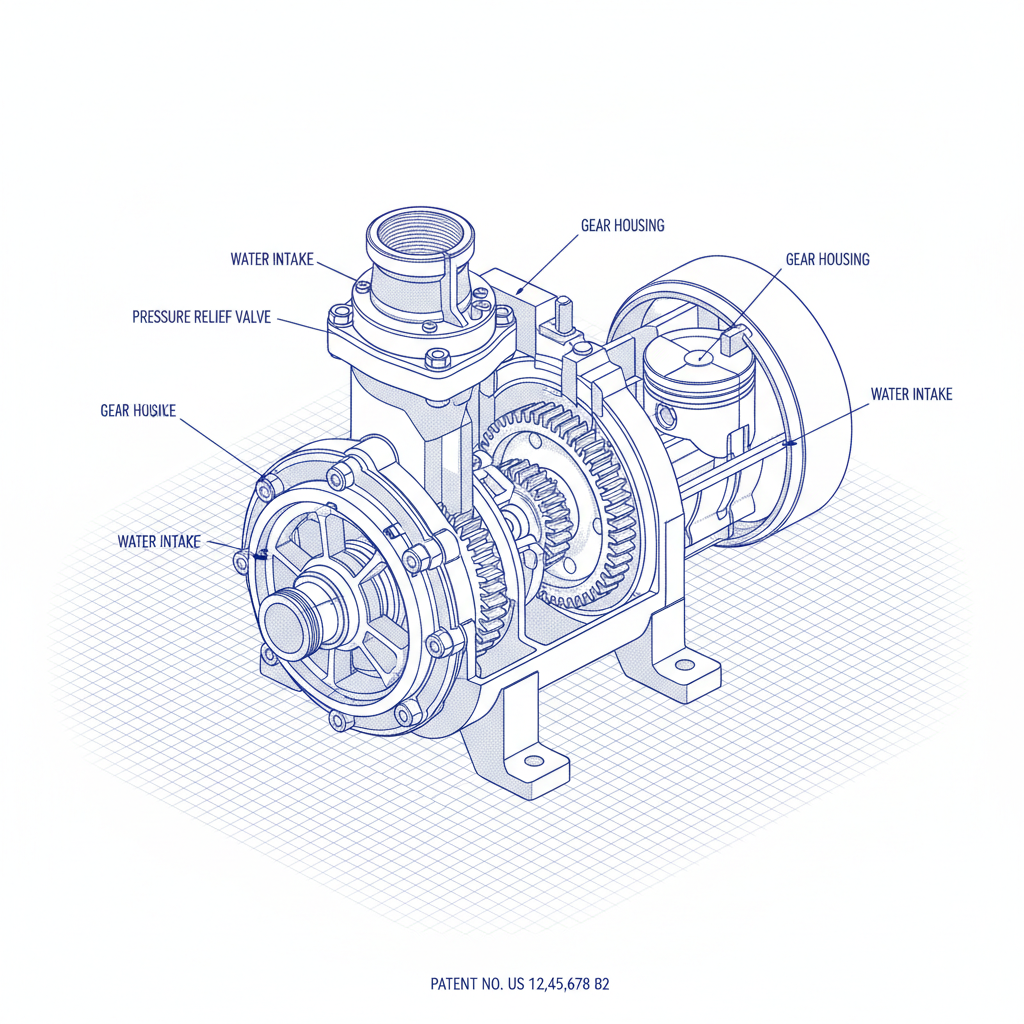
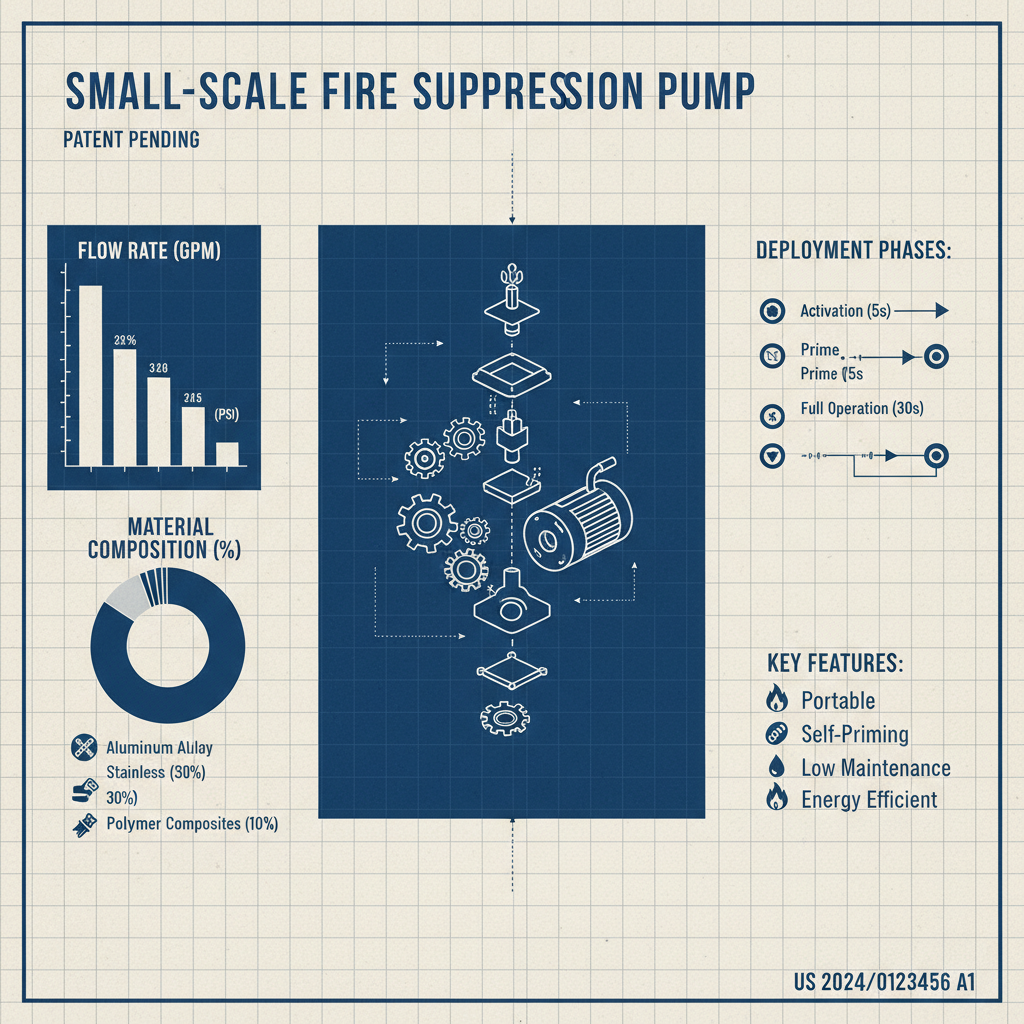
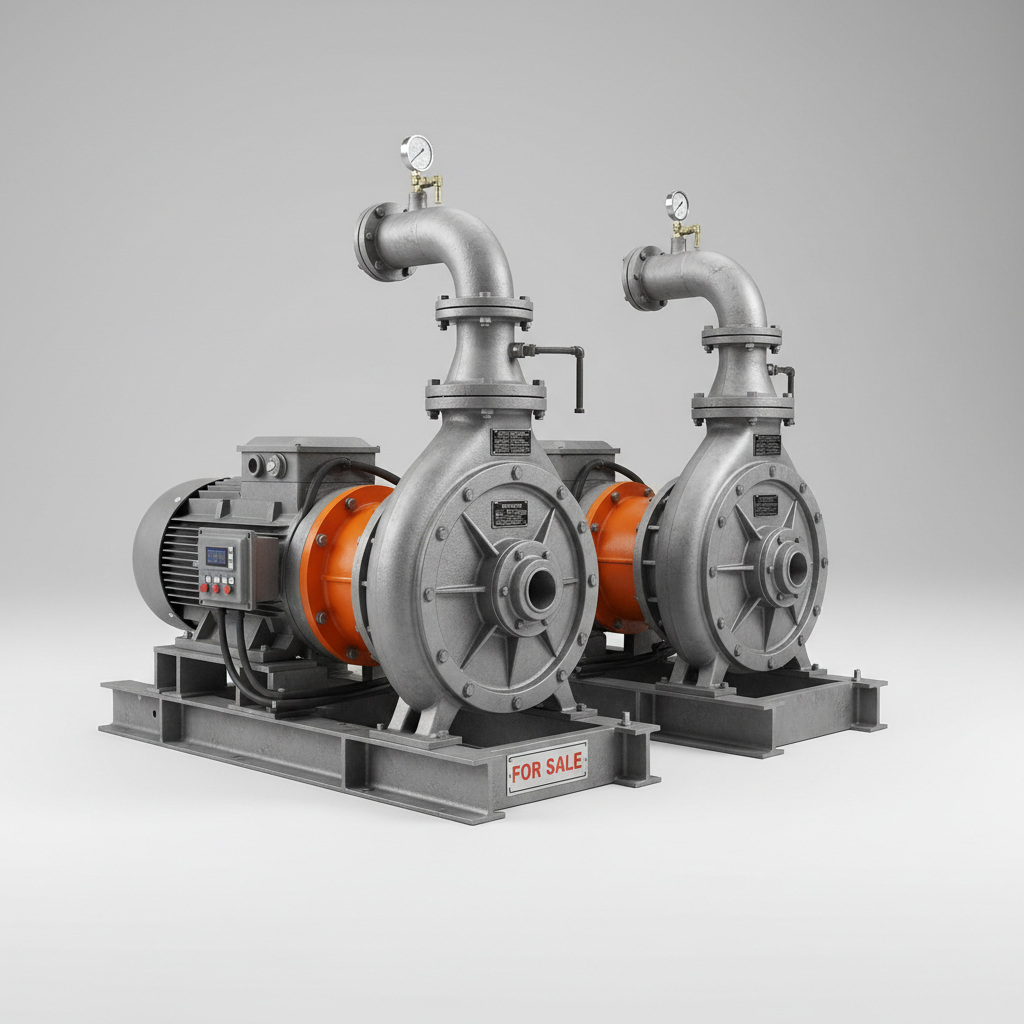
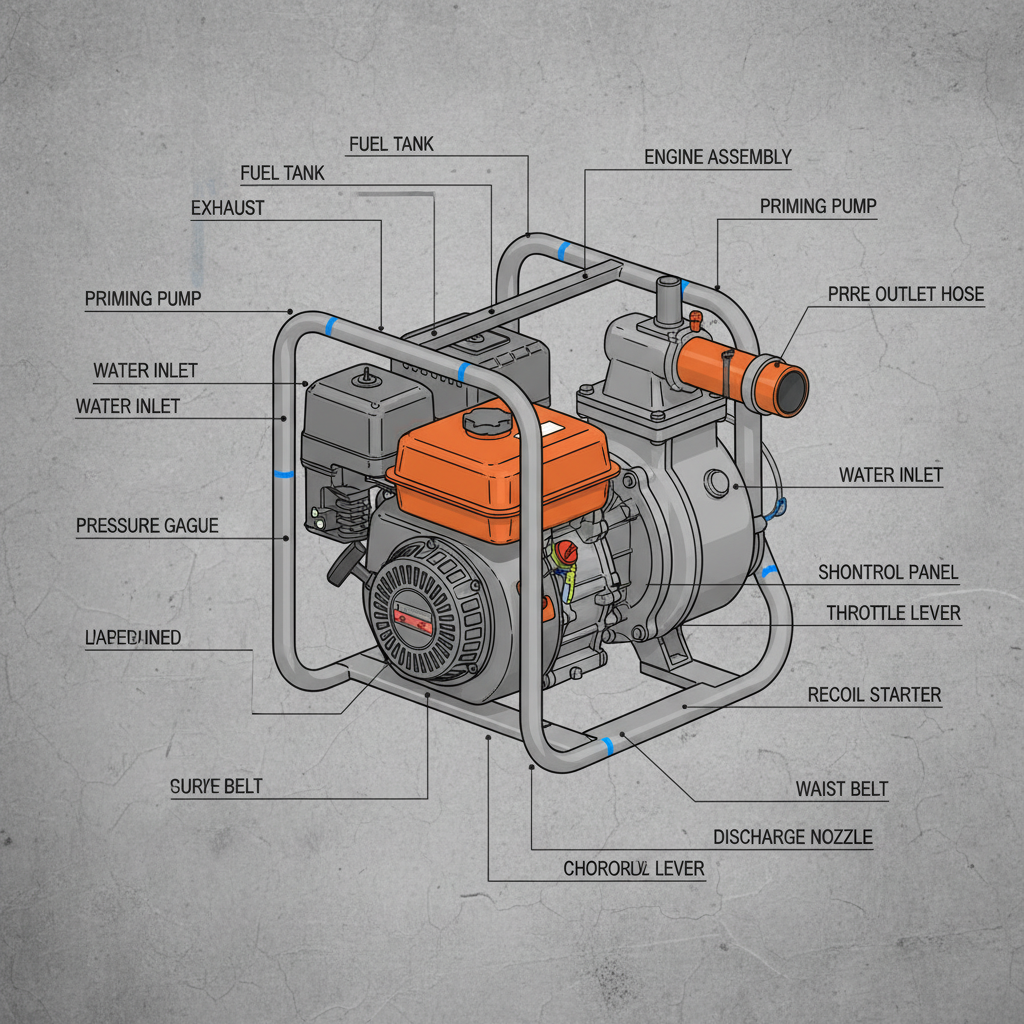
A small fire fighting pump is a self-contained unit designed to deliver a high-pressure stream of water or foam to suppress fires quickly and efficiently. These pumps are typically portable and powered by gasoline or electric motors, allowing for versatile deployment in diverse scenarios. They are commonly found in residential properties, commercial buildings, and industrial facilities, serving as a first line of defense against fire emergencies.
The primary function of a small fire fighting pump is to increase water pressure, enabling a concentrated stream to reach the seat of the fire, cool surrounding materials, and extinguish flames. The portability and relatively simple operation of these pumps make them an invaluable asset for individuals and organizations prioritizing proactive fire safety.
Small fire fighting pumps are highly effective against Class A fires (ordinary combustibles like wood, paper, and cloth) and Class B fires (flammable liquids like gasoline and oil). When equipped with foam solutions, they can also tackle Class C fires (electrical fires) by creating a barrier between the fuel source and oxygen. However, they are generally not recommended for Class D fires (combustible metals) due to the specialized extinguishing agents required.
The flow rate of a small fire fighting pump varies depending on the model and engine size. Generally, they range from 100 to 500 gallons per minute (GPM). This flow rate is sufficient for suppressing small to medium-sized fires effectively. Choosing a pump with the appropriate GPM for your specific needs is crucial for ensuring adequate fire suppression.
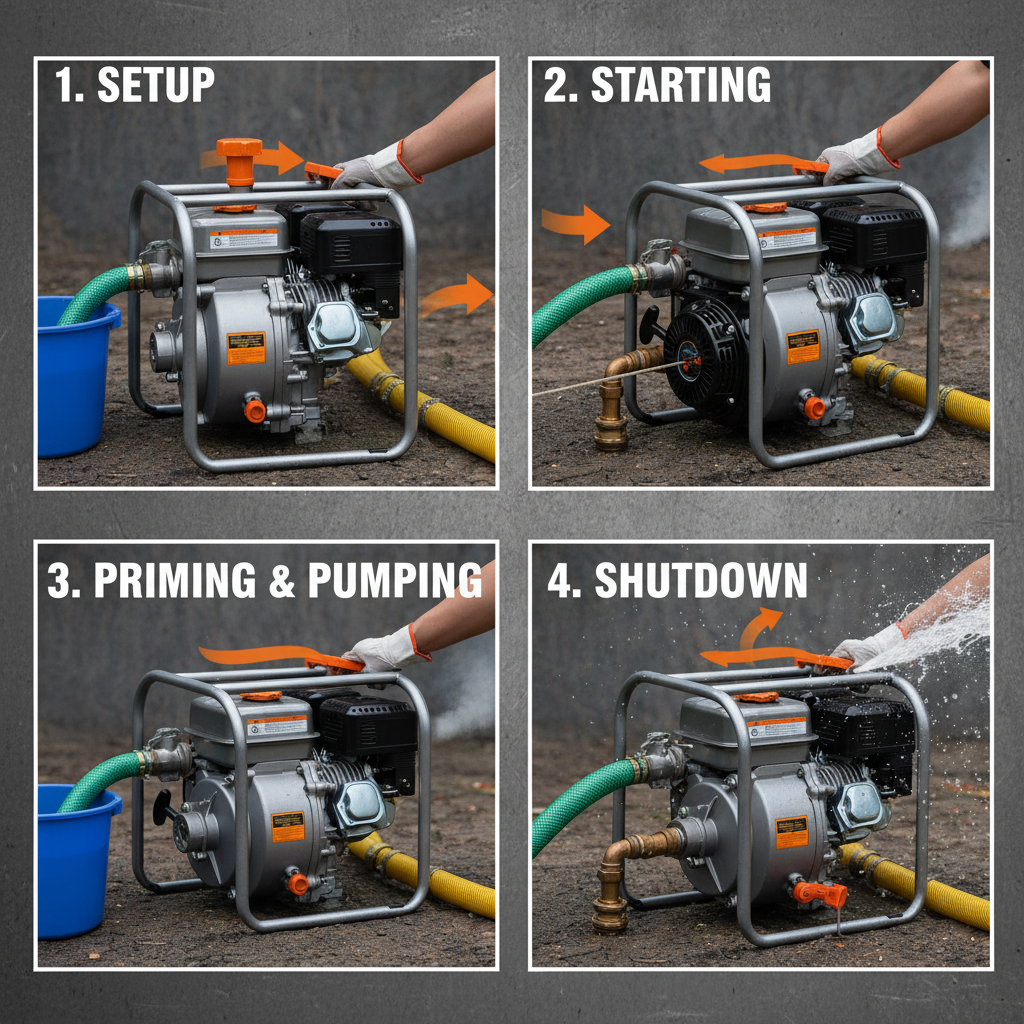
Regular maintenance is essential for ensuring the reliability of a small fire fighting pump. This includes checking fluid levels (fuel, oil, water), inspecting hoses and connections for leaks or damage, testing the pump’s functionality, and following the manufacturer’s recommended service schedule. Proper maintenance prevents breakdowns and ensures optimal performance during emergencies.
Using saltwater with a small fire fighting pump can cause corrosion and damage to the pump's internal components. It is generally recommended to use freshwater whenever possible. If saltwater is the only available source, the pump should be thoroughly flushed with freshwater immediately after use to prevent corrosion. Specialized pumps designed for saltwater operation are also available.
Always wear appropriate personal protective equipment (PPE), including gloves, eye protection, and a respirator if necessary. Ensure the pump is operated in a well-ventilated area, and never operate it near flammable materials. Follow the manufacturer’s instructions carefully, and be aware of the potential hazards associated with high-pressure water streams.
The lifespan of a small fire fighting pump depends on several factors, including the quality of the pump, the frequency of use, and the level of maintenance. With proper care and maintenance, a well-built pump can last for 10-15 years or more. Regular inspections and timely repairs are crucial for maximizing its lifespan and ensuring reliable performance.
In conclusion, a small fire fighting pump represents a vital component of a comprehensive fire safety strategy. Its affordability, portability, and ease of use make it an invaluable asset for individuals, businesses, and communities alike, providing a crucial first line of defense against fire emergencies. By understanding its capabilities and applications, we can significantly enhance our ability to protect lives and property.
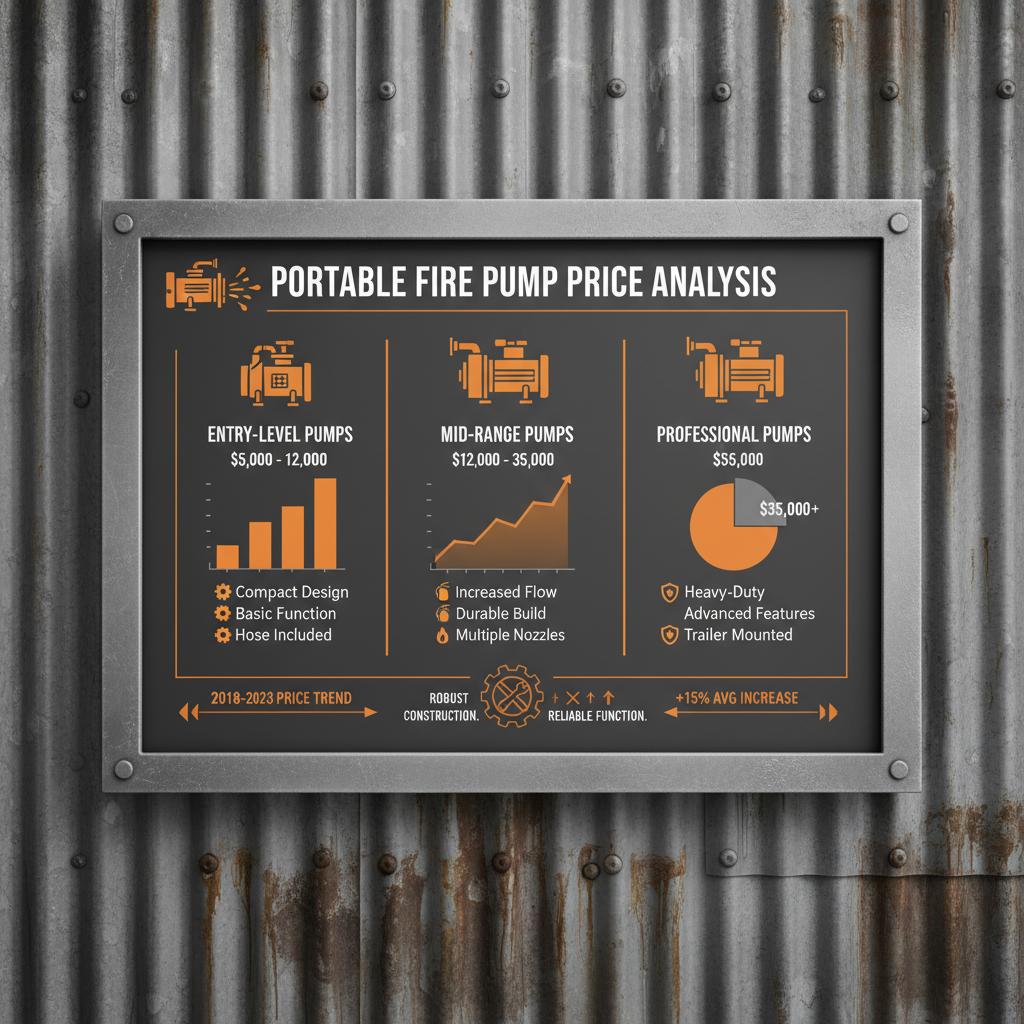
Investing in a high-quality small fire fighting pump, coupled with regular training and maintenance, is a proactive step towards building a safer and more resilient future. As technology continues to advance, we can expect to see even more innovative and effective solutions emerge, further solidifying the role of these pumps in global fire safety efforts. Visit our website at www.ffwfiresafety.com to learn more and find the perfect pump for your needs.

SUBSCRIBE NEWSLETTER
We are very interested in your company's high-quality fire protection equipment and hope to learn more about the products and discuss purchasing matters.

Hebei FeiFanWei Technology Co.,Ltd. is a comprehensive enterprise specialized in the research, production, sales and training of emergency rescue equipment.


PRODUCTS
PRODUCTS
QUICK LINKS
CONTACT US
Hebei FeiFanWei Technology Co.,Ltd. is a comprehensive enterprise specialized in the research, production, sales and training of emergency rescue equipment.
Copyright © 2026 Hebei FeiFanWei Technology Co.,Ltd. All Rights Reserved. Sitemap | Privacy Policy | Top Blog | Global Service