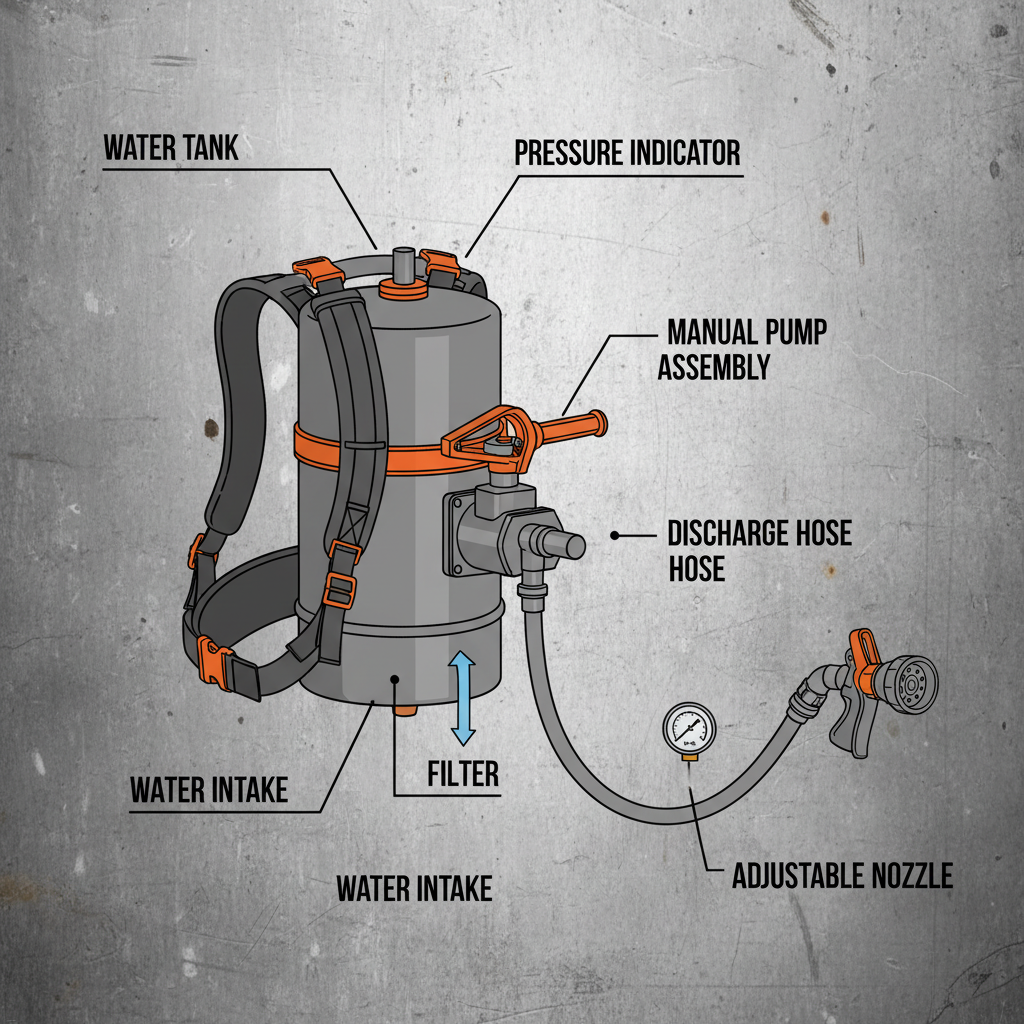


Portable fire pump diesel engine systems are critical for safeguarding lives and property, especially in situations where a reliable water source isn’t immediately available. These self-contained units provide a powerful and independent means of fire suppression, vital for industrial facilities, remote locations, and emergency response teams. Their ability to rapidly deploy and operate without external power makes them invaluable assets in a wide range of scenarios.
The global need for robust fire protection is ever-increasing, driven by population growth, urbanization, and the escalating risks associated with climate change and industrial expansion. Portable fire pump diesel engine technology plays a key role in addressing these challenges, offering a practical and cost-effective solution for enhancing fire safety preparedness across diverse environments. Demand is particularly high in developing nations and regions prone to natural disasters.
The versatility of a portable fire pump diesel engine extends beyond traditional firefighting. They are frequently used for water transfer, irrigation, and dewatering applications, making them multi-functional tools for various industries. Understanding the principles of operation, maintenance, and applications of these systems is essential for ensuring optimal performance and maximizing their lifespan, ultimately contributing to a safer and more resilient world.
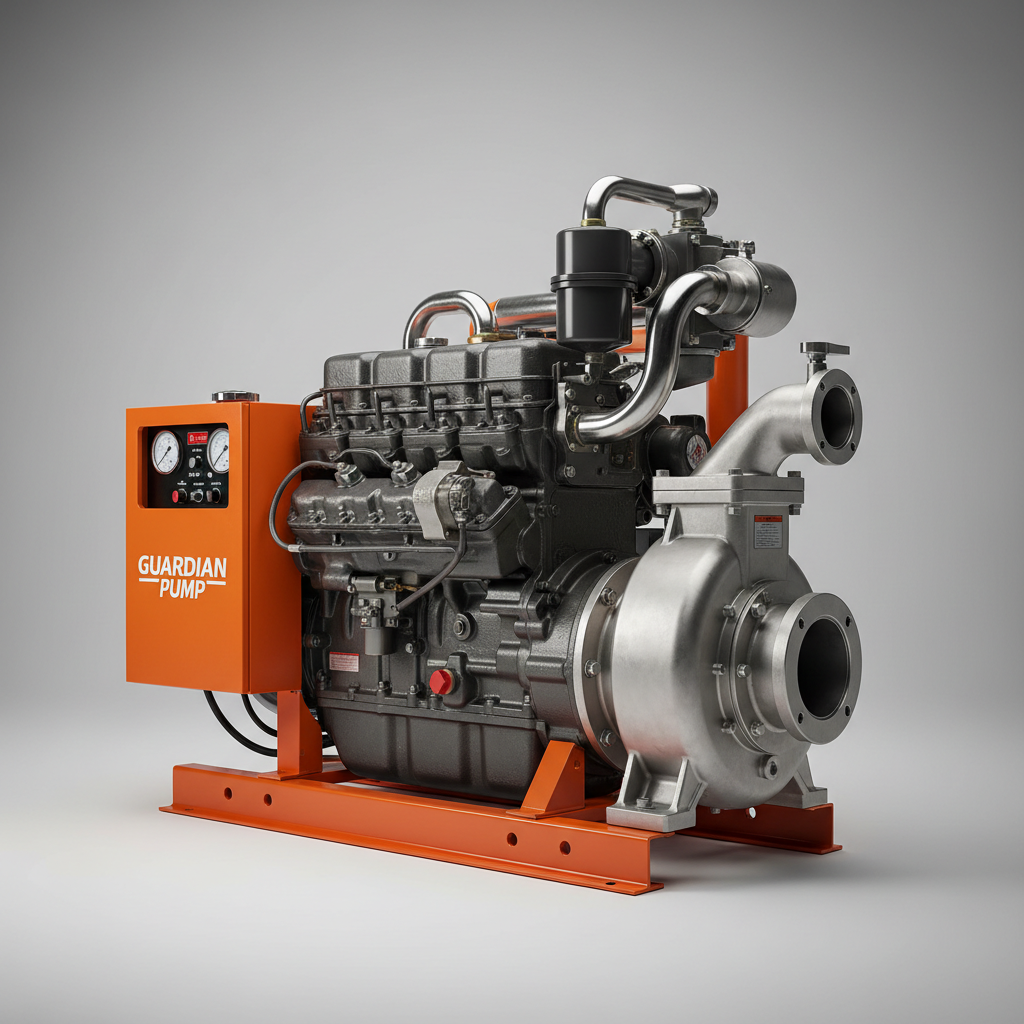
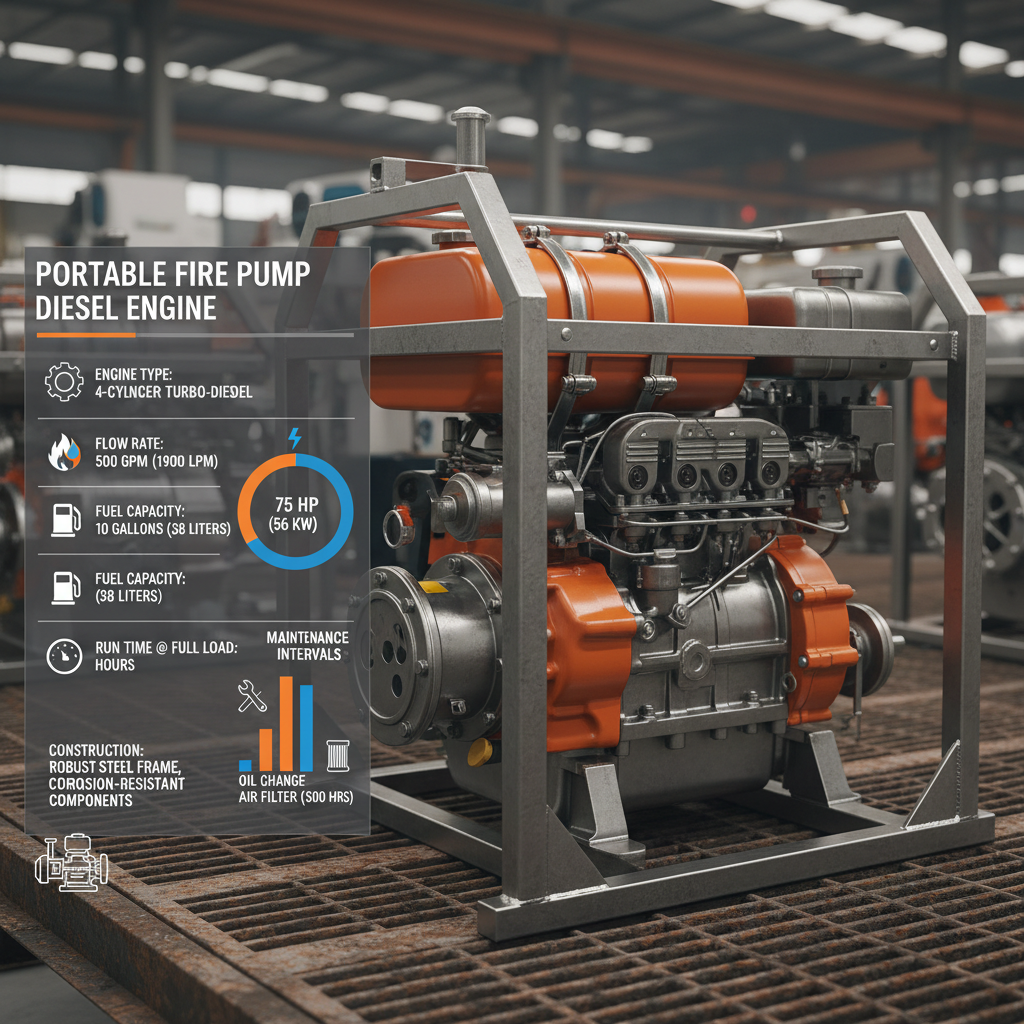
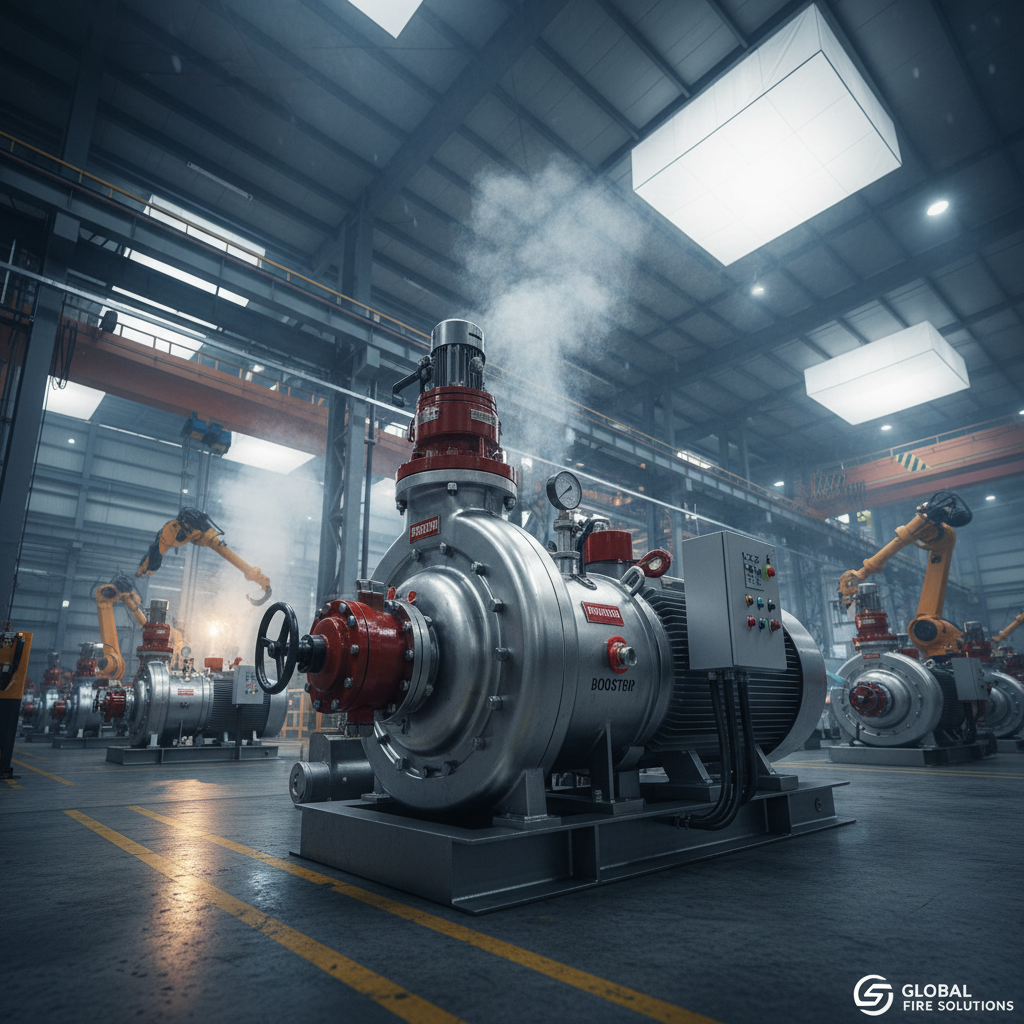
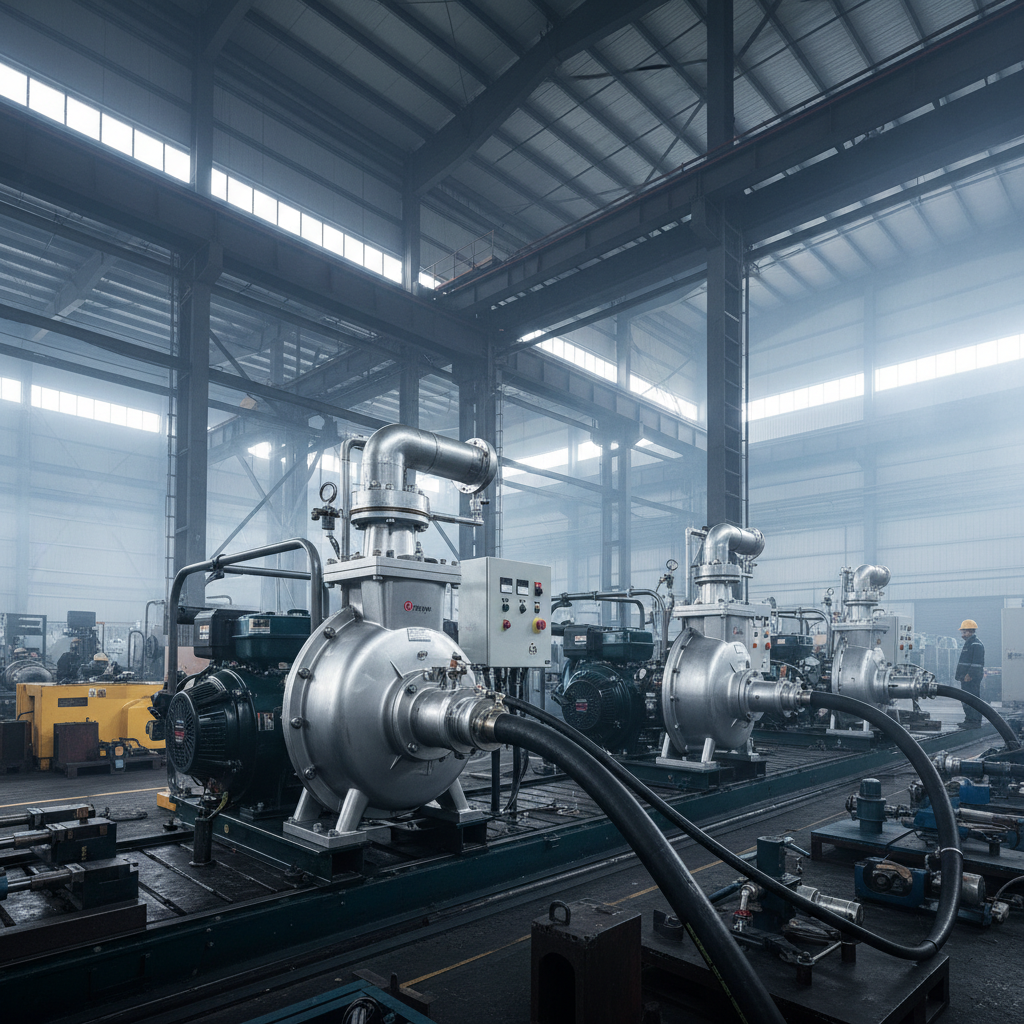
At its core, a portable fire pump diesel engine combines a robust diesel engine with a high-capacity water pump. The diesel engine provides the power needed to drive the pump, which in turn draws water from a source – be it a static tank, river, or lake – and delivers it at high pressure through fire hoses to extinguish fires. The portability aspect is achieved through a skid-mounted design allowing for easy transport.
The efficiency and reliability of these systems hinge on several key components: the diesel engine’s power output, the pump’s flow rate and pressure capabilities, the intake and discharge connections, and the overall structural integrity of the unit. Proper maintenance, including regular engine servicing and pump inspections, is paramount for ensuring consistent performance and extending the system’s operational life.
The demand for portable fire pump diesel engine solutions is globally distributed, with significant needs in both developed and developing nations. Industries such as oil and gas, mining, construction, and forestry frequently rely on these systems to mitigate fire risks in remote or hazardous locations. International organizations, including the UN and Red Cross, also deploy them in disaster relief operations worldwide.
Several international standards govern the design, testing, and performance of portable fire pumps, including NFPA 20 (Standard for Stationary Pumps for Fire Protection) and ISO standards related to diesel engine emissions and safety. Adherence to these standards ensures that the equipment meets stringent quality and reliability requirements, safeguarding both users and the environment.
Statistics indicate a growing trend in wildfire incidents and industrial fires globally, driving increased investment in fire protection infrastructure. The World Bank estimates that losses from natural disasters, including wildfires, cost billions of dollars annually, further highlighting the critical role of preventative measures and effective firefighting equipment, like portable fire pump diesel engine systems.
A portable fire pump diesel engine is a self-contained firefighting system consisting of a diesel-powered pump, typically mounted on a skid for easy transportation. Unlike stationary fire pumps connected to a permanent water supply and power source, these units are fully independent, capable of drawing water from various sources and operating in locations without access to electricity.
The term "portable" refers to the unit's ability to be readily moved, often using a trailer or forklift. They are designed for rapid deployment, making them ideal for emergency response situations where time is critical. While "portable" doesn’t necessarily mean easily carried by hand, it signifies mobility and independence from fixed infrastructure.
These systems bridge a critical gap in fire protection, especially in areas lacking established fire hydrants or reliable power grids. They are vital for protecting vulnerable populations and critical infrastructure in remote regions, construction sites, and industrial facilities where maintaining constant fire safety is paramount.
Several factors contribute to the effectiveness of a portable fire pump diesel engine. First is Engine Power, which directly dictates the pump’s ability to generate sufficient pressure and flow rate. Second, Pump Capacity – measured in gallons per minute (GPM) – determines the volume of water delivered. Third, Suction Lift refers to the pump’s ability to draw water from a source below its intake, crucial for accessing water in diverse environments.
Finally, Portability & Durability are key. A robust skid-mounted design and high-quality materials ensure the unit can withstand harsh conditions and maintain operational readiness. Additionally, Fuel Efficiency impacts runtime and logistical considerations. The design and proper maintenance of these components will all affect the overall performance of a portable fire pump diesel engine.
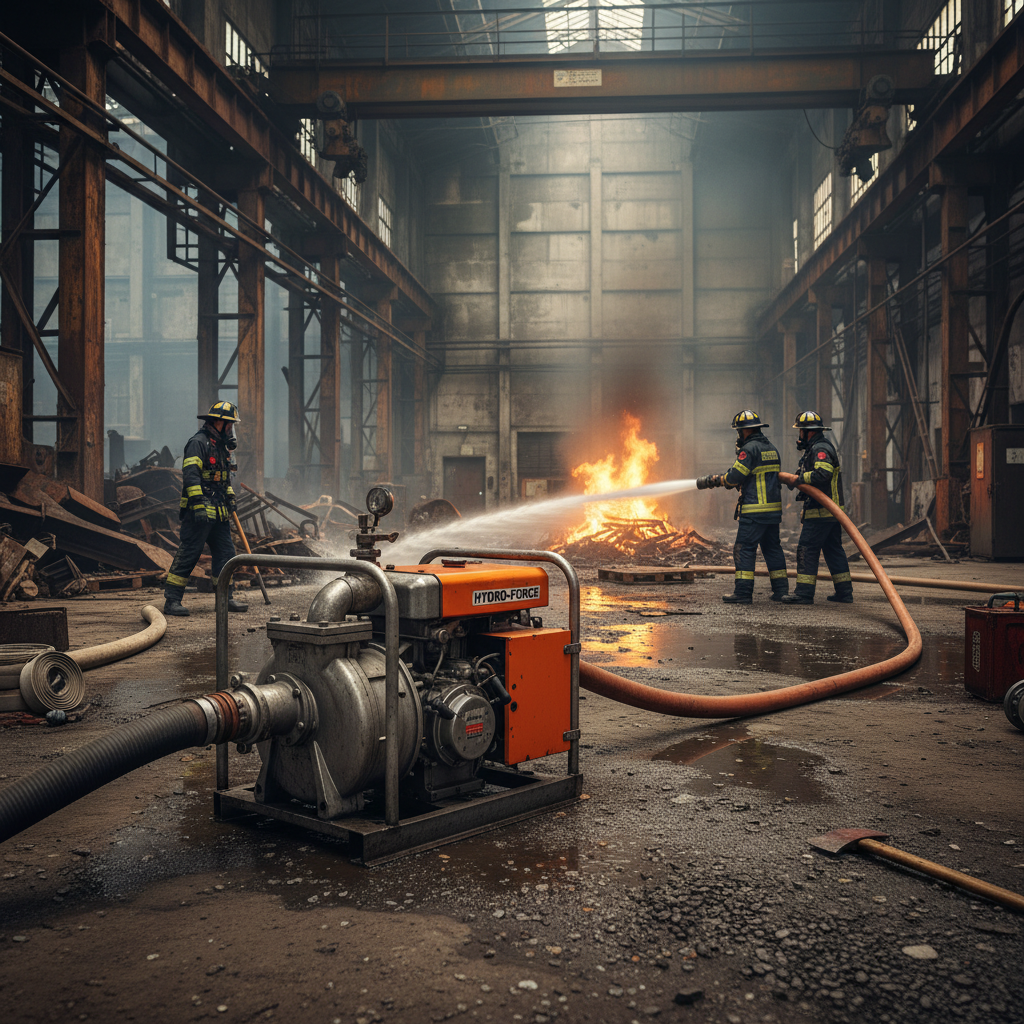
Portable fire pump diesel engine are employed in a multitude of settings. In post-disaster relief operations, they provide immediate water access for firefighting and essential services when infrastructure is compromised. For remote industrial sites – such as oil rigs, mining operations, and forestry camps – these pumps are often the sole reliable means of fire protection.
Municipalities utilize them for brush fires, rural fire departments, and as backup systems during main water line failures. They are also crucial for airport fire services, providing rapid response capabilities for aircraft emergencies. Furthermore, agricultural applications include irrigation support and water transfer, showcasing their versatility beyond emergency response.
Investing in a portable fire pump diesel engine offers significant long-term benefits. The independence from external power sources and water supplies guarantees reliability in crisis situations, minimizing downtime and potential damage. The cost of ownership is often lower than maintaining extensive fixed firefighting infrastructure, particularly in remote areas.
Beyond the practical advantages, portable fire pump diesel engine enhance safety, protecting lives and assets. They instill confidence and trust in communities and industries, demonstrating a proactive commitment to risk mitigation. By minimizing the impact of fires, these systems contribute to environmental sustainability and operational continuity.
The future of portable fire pump diesel engine is geared toward enhanced efficiency, sustainability, and integration with smart technologies. Research is underway to develop more fuel-efficient diesel engines and explore alternative power sources, such as biodiesel and hybrid systems, reducing carbon emissions.
Digitalization is also playing a role, with the integration of remote monitoring systems, predictive maintenance algorithms, and GPS tracking capabilities. These advancements enable proactive management, reducing downtime and optimizing performance. Furthermore, advancements in pump materials and designs promise increased durability and reduced weight.
Expect to see more autonomous features in portable fire pump diesel engine, potentially including automated start-up and shutdown sequences, remote control capabilities, and integration with drone-based fire detection systems, creating a more comprehensive and responsive fire protection network.
Despite their advantages, portable fire pump diesel engine face challenges. Maintenance requirements can be demanding, requiring skilled technicians and regular servicing. Fuel storage and transportation also present logistical hurdles, especially in remote locations. Noise pollution from diesel engines can be a concern in certain environments.
Solutions include implementing comprehensive maintenance programs with remote diagnostic capabilities, exploring alternative fuel options with lower emissions and increased availability, and investing in noise reduction technologies. The integration of smart monitoring systems can predict potential failures, allowing for proactive repairs and minimizing downtime.
| Model Type | Flow Rate (GPM) | Engine Horsepower (HP) | Portability Score (1-10) |
|---|---|---|---|
| Model A - Compact Unit | 150 | 10 | 8 |
| Model B - Mid-Range Pump | 250 | 15 | 7 |
| Model C - High-Capacity System | 400 | 25 | 6 |
| Model D - Trailer-Mounted Unit | 300 | 20 | 9 |
| Model E - Lightweight Portable | 100 | 8 | 9 |
| Model F - Industrial Grade Pump | 500 | 30 | 5 |
Regular maintenance is crucial for optimal performance. This includes checking fluid levels (oil, coolant, fuel), inspecting hoses and connections for leaks or damage, testing the pump’s operation, and adhering to the diesel engine manufacturer's recommended service intervals. Filter changes, battery maintenance, and periodic inspections by qualified technicians are also vital. Neglecting maintenance can lead to reduced efficiency and potential failures during critical events.
Portable fire pump diesel engine can draw water from a variety of sources, including rivers, lakes, ponds, tanks, and even swimming pools (if clean). The pump’s suction lift capacity determines how far below the pump’s intake it can draw water. It's important to ensure the water source is relatively free of debris that could clog the pump. Using a strainer on the intake is highly recommended.
The continuous run time depends on the fuel tank capacity and the engine’s fuel consumption rate. Typically, a portable fire pump diesel engine can operate for 6-8 hours on a full tank. It’s important to monitor fuel levels and have a sufficient supply available for extended operations. Regularly checking the engine’s temperature is also vital to prevent overheating during prolonged use.
Safety is paramount. Always operate the pump in a well-ventilated area to avoid carbon monoxide buildup. Wear appropriate personal protective equipment (PPE), including hearing protection and safety glasses. Ensure the pump is stable and securely positioned before operation. Never operate the pump near flammable materials. Follow all manufacturer's instructions and safety guidelines.
With proper maintenance and care, a portable fire pump diesel engine can have a lifespan of 10-15 years or more. The engine itself is typically the limiting factor, with regular servicing extending its life. The pump component is generally durable but may require occasional seal or impeller replacements. Environmental conditions and frequency of use also influence the lifespan.
Diesel engines offer independence from the electrical grid, which is crucial in remote locations or during power outages. They typically deliver more power and torque for heavier-duty applications. Electric pumps are quieter and produce no emissions but require a reliable power source. The choice depends on the specific application and available resources. Diesel pumps are often preferred for their versatility and reliability in demanding environments.
Portable fire pump diesel engine represent a vital component of comprehensive fire safety strategies worldwide. Their ability to provide reliable, independent water pumping capabilities in diverse and challenging environments makes them indispensable for protecting lives, property, and critical infrastructure. The advancements in engine technology, coupled with smart monitoring systems, are continually enhancing their efficiency, durability, and overall value.
Looking ahead, continued investment in research and development will drive further innovation in this field, leading to more sustainable, user-friendly, and effective solutions. Proactive maintenance, adherence to industry standards, and a commitment to safety are crucial for maximizing the benefits of these systems and ensuring their long-term reliability. Visit our website at www.ffwfiresafety.com to learn more about our range of portable fire pump diesel engine solutions.

SUBSCRIBE NEWSLETTER
We are very interested in your company's high-quality fire protection equipment and hope to learn more about the products and discuss purchasing matters.

Hebei FeiFanWei Technology Co.,Ltd. is a comprehensive enterprise specialized in the research, production, sales and training of emergency rescue equipment.
PRODUCTS
PRODUCTS
CONTACT US
Hebei FeiFanWei Technology Co.,Ltd. is a comprehensive enterprise specialized in the research, production, sales and training of emergency rescue equipment.
Copyright © 2026 Hebei FeiFanWei Technology Co.,Ltd. All Rights Reserved. Sitemap | Privacy Policy | Top Blog | Global Service