





The global need for effective fire suppression is ever-present, with wildfires, industrial accidents, and urban fires causing significant economic and environmental damage annually. A mobile fire pump offers a critical solution, providing rapid and adaptable firefighting capabilities where fixed infrastructure is lacking or insufficient. These pumps are increasingly vital for remote locations, disaster response, and industries where mobility is paramount. Understanding the technology, applications, and future trends surrounding mobile fire pumps is crucial for ensuring safety and minimizing losses.
The demand for robust and readily deployable fire suppression systems is driven by increasing climate change impacts, urbanization in vulnerable areas, and the growth of industries in remote regions. Traditional firefighting methods can be slow to mobilize and limited in reach. A mobile fire pump addresses these challenges by delivering high-volume water flow directly to the fire source, often significantly reducing response times and damage.
The advancements in pump technology, coupled with the development of durable and lightweight materials, have made mobile fire pumps a cornerstone of modern fire safety strategies. Their versatility and adaptability make them indispensable for a wide range of applications, from protecting critical infrastructure to safeguarding lives in emergency situations.
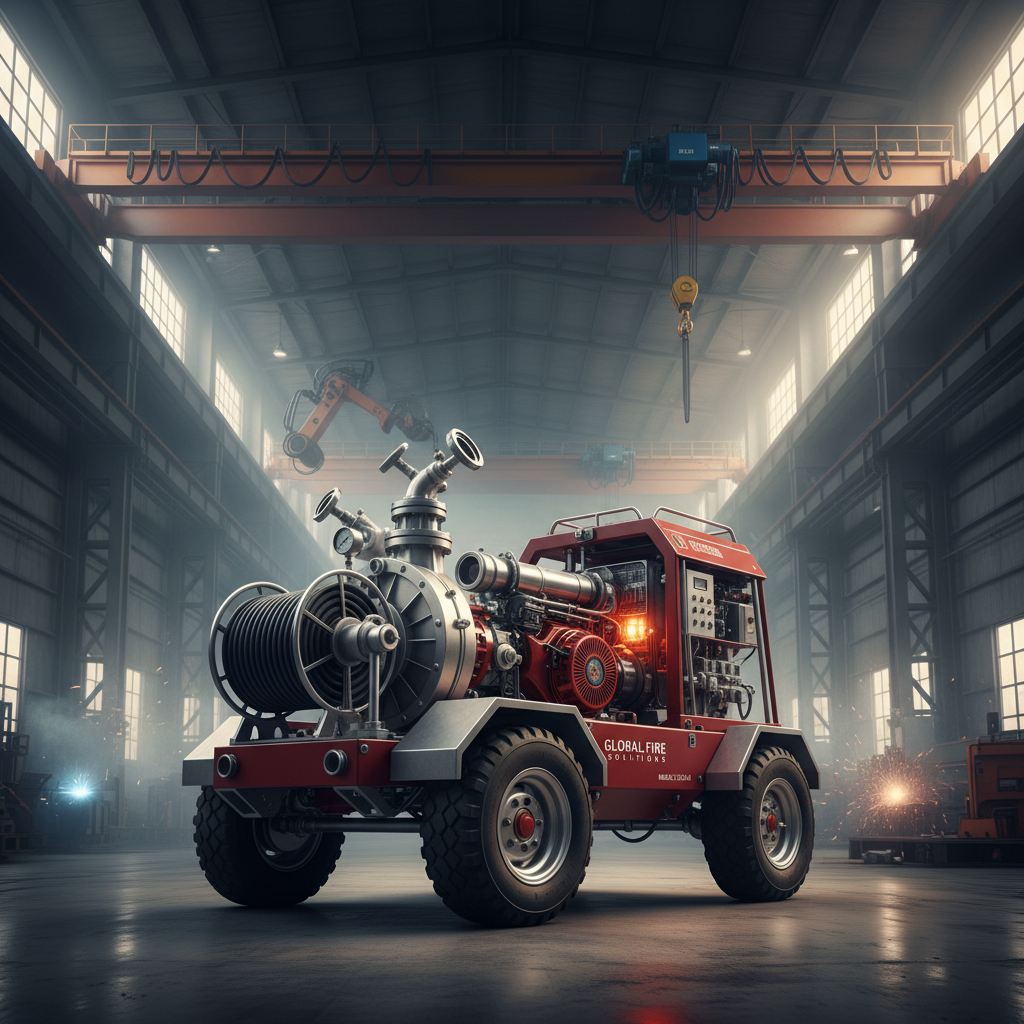
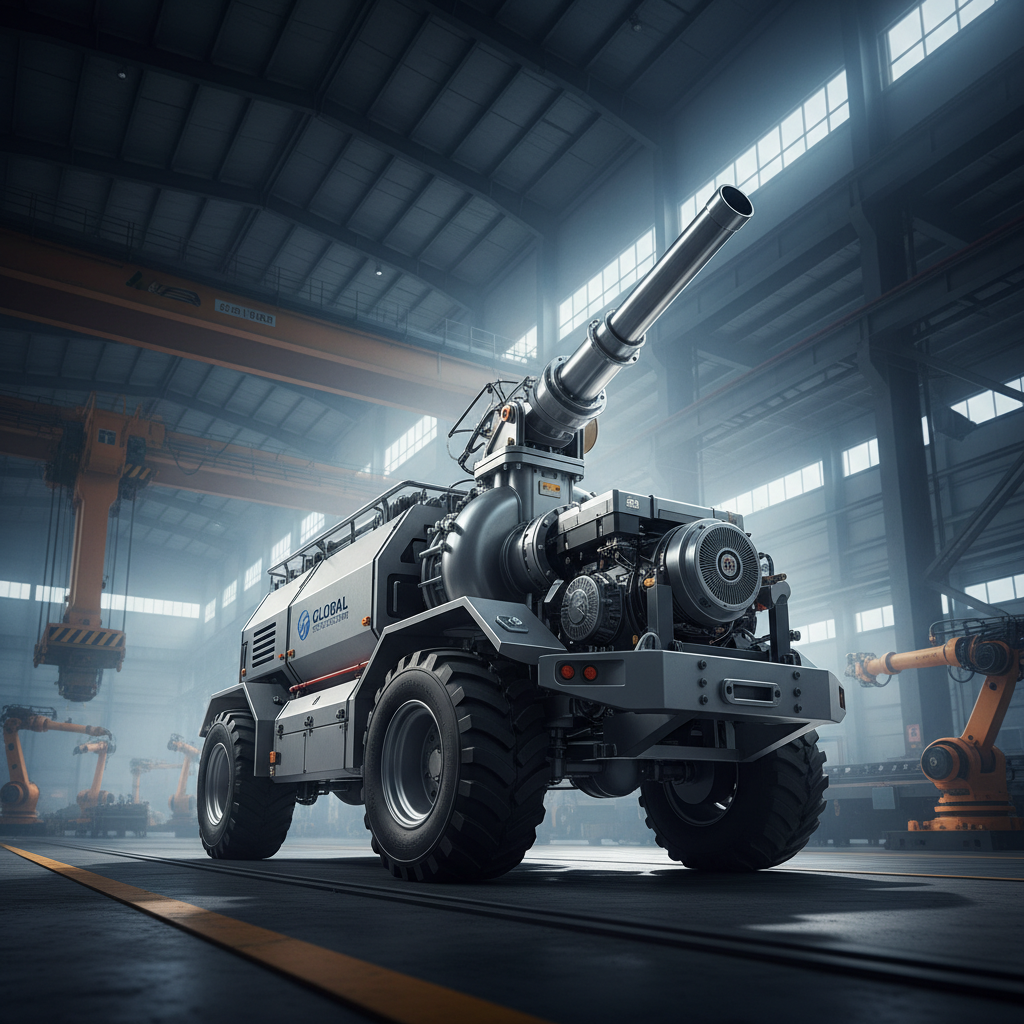
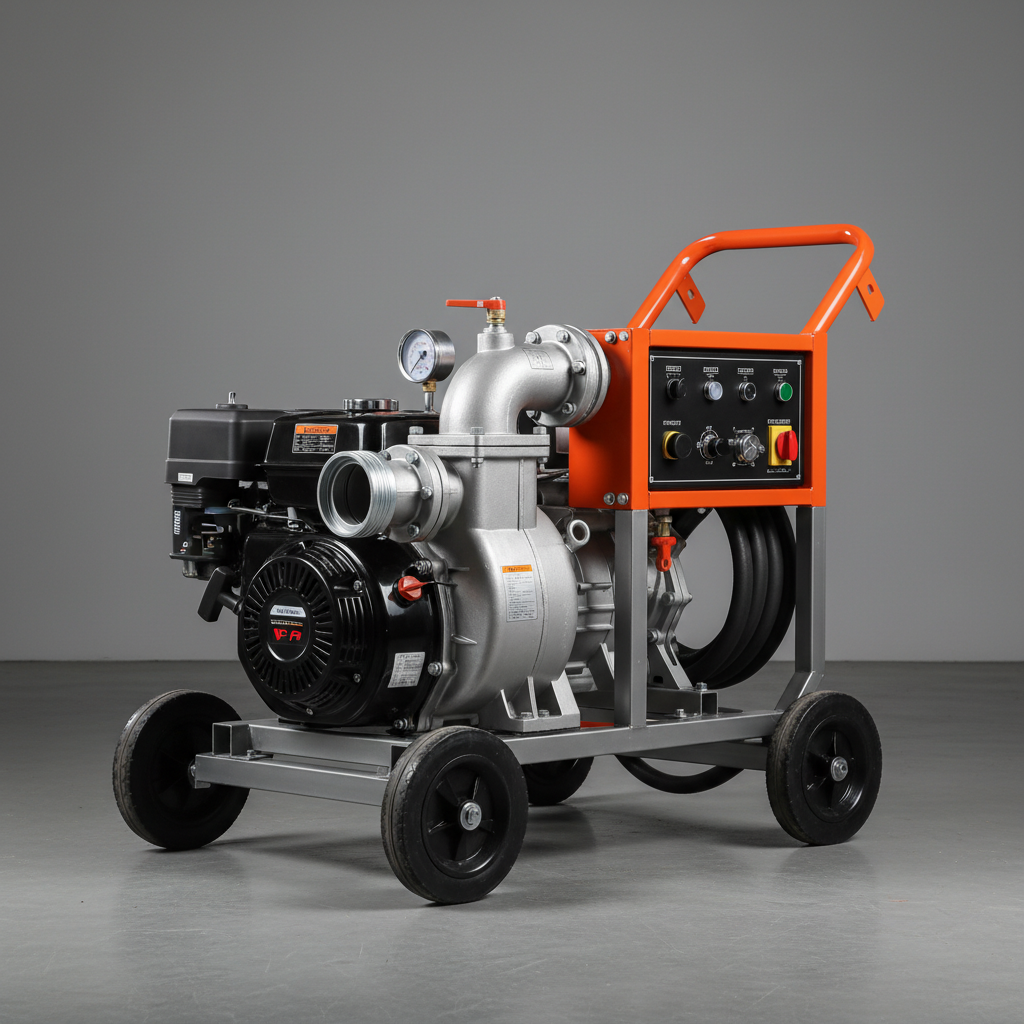
Mobile fire pumps represent a significant advancement in firefighting technology, offering a flexible and efficient solution for a diverse range of fire hazards. These self-contained units are designed for rapid deployment and operation in environments where traditional fire hydrants or fixed sprinkler systems are unavailable or inadequate. Their portability is a key advantage, allowing firefighters and emergency responders to quickly establish a water supply at the fire scene.
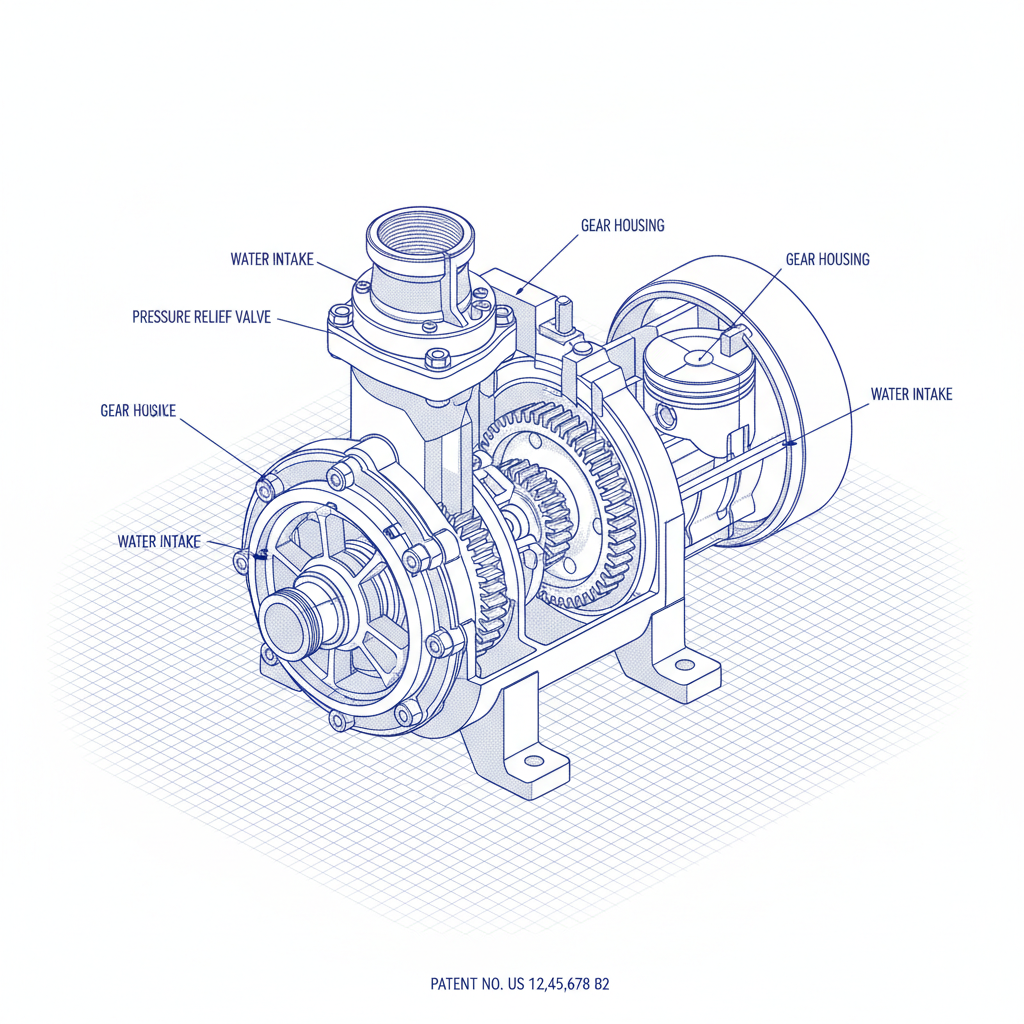
The effectiveness of a mobile fire pump relies not only on its pumping capacity but also on its robustness, ease of operation, and compatibility with various water sources. Modern designs incorporate features such as automatic pressure regulation, self-priming capabilities, and durable construction materials to ensure reliable performance under demanding conditions.
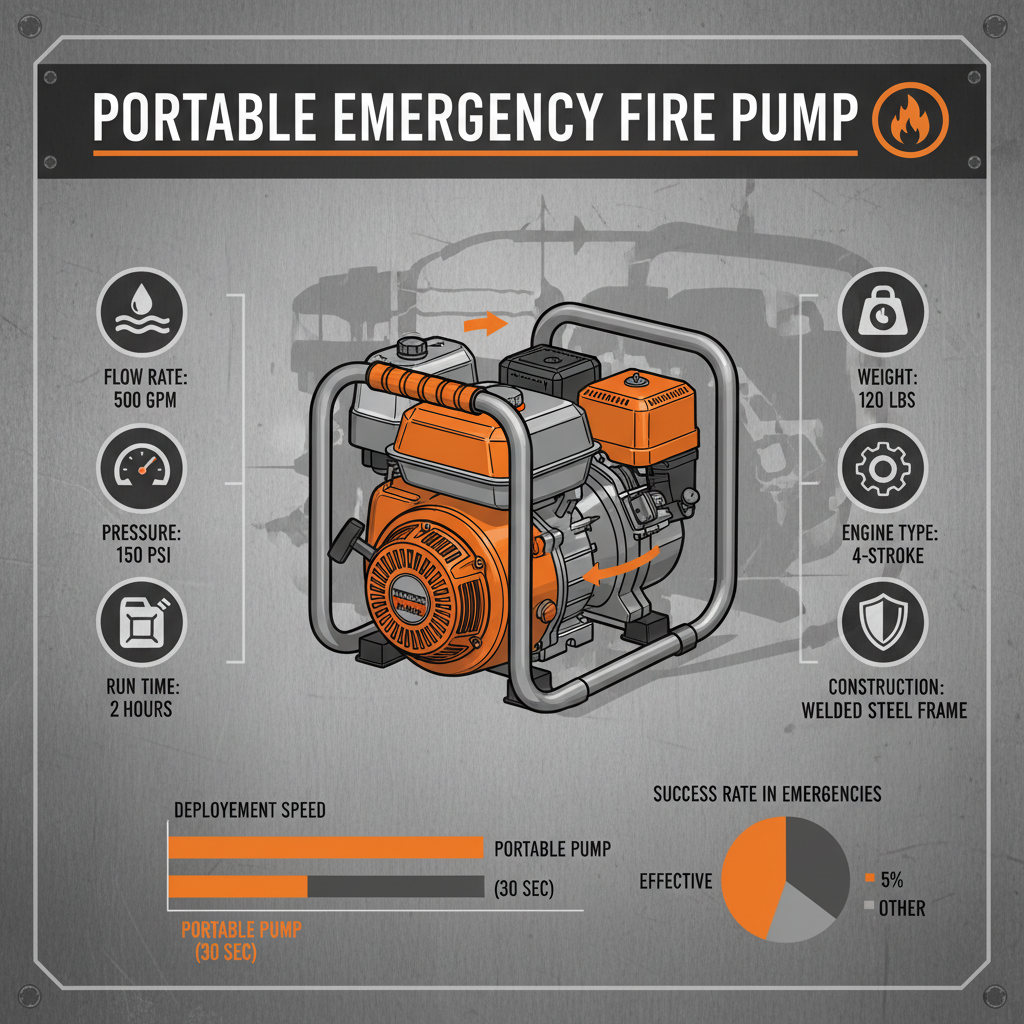
The flow rate of a mobile fire pump can vary significantly depending on the pump’s size and design, but typically ranges from 100 to 500 gallons per minute (GPM). Smaller, portable units might offer 100-250 GPM, while larger, skid-mounted pumps can deliver up to 500 GPM or more. The specific GPM required depends on the type and size of the fire, as well as the distance to the fire scene. Choosing the right pump involves carefully assessing the potential fire hazards and ensuring adequate flow capacity for effective suppression.
The continuous operating time of a mobile fire pump depends on the fuel capacity of the engine (if gas-powered) and the efficiency of the cooling system. Generally, a well-maintained pump with a full fuel tank can operate continuously for several hours, typically between 4-8 hours. Electric pumps, depending on battery capacity or power source availability, can operate similarly, but may require access to a charging infrastructure for extended use. Regular maintenance, including oil changes and coolant checks, is critical for maximizing operating time.
Mobile fire pumps are designed to draw water from a variety of sources. Common sources include natural bodies of water like rivers, lakes, and ponds. They can also utilize water tanks, fire hydrants (when available), and even swimming pools in emergency situations. Most pumps are equipped with intake screens and filters to prevent debris from entering the pump and causing damage. However, pre-filtering the water source can further enhance pump performance and longevity.
Regular maintenance is essential for ensuring the reliability of a mobile fire pump. This includes checking and changing the engine oil, coolant, and filters. Inspecting the pump housing for leaks or damage is also crucial. Regularly testing the pump's operation and pressure output is recommended. Additionally, it’s important to inspect and maintain the hoses, nozzles, and intake screens. A comprehensive maintenance schedule, following the manufacturer's recommendations, should be established and adhered to.
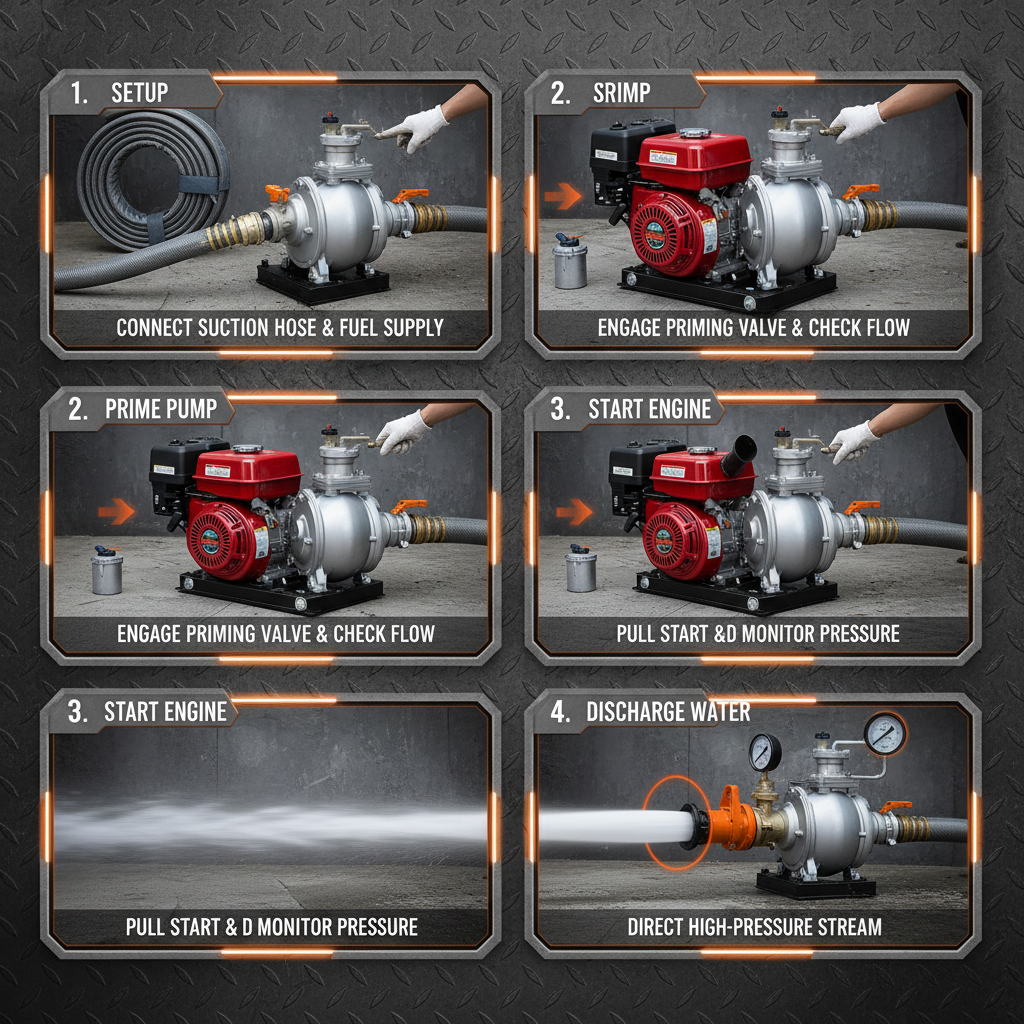
While mobile fire pumps involve some mechanical components, modern units are designed for relatively simple operation. However, proper training is essential for safe and effective use. Operators should be familiar with starting and stopping the pump, adjusting the pressure, and troubleshooting common issues. Understanding the pump's limitations and safety features is also critical. Training programs are available to ensure operators are proficient in all aspects of pump operation.
Safety is paramount when operating a mobile fire pump. Operators should always wear appropriate personal protective equipment (PPE), including helmets, gloves, and eye protection. Ensuring the pump is positioned on a stable surface is vital to prevent tipping. Careful attention should be paid to the exhaust fumes if the pump is gasoline-powered, ensuring adequate ventilation. Never operate the pump near flammable materials or in confined spaces without proper safety precautions. Following all manufacturer’s safety guidelines is crucial.
Mobile fire pumps represent a critical advancement in fire safety, offering a flexible, reliable, and adaptable solution for a wide range of applications. Their ability to provide rapid and effective fire suppression in remote locations, disaster zones, and industrial settings is invaluable. The ongoing innovation in pump technology, with trends like electric power, automation, and digitalization, promises even greater efficiency and sustainability in the future.
Investing in mobile fire pumps and ensuring proper training for operators is not merely a matter of compliance, but a proactive step towards safeguarding lives, protecting property, and minimizing environmental damage. By embracing these advancements and addressing the existing challenges, we can significantly enhance our collective resilience to fire hazards. For more information and to explore our range of mobile fire pump solutions, visit our website: www.ffwfiresafety.com.

SUBSCRIBE NEWSLETTER
We are very interested in your company's high-quality fire protection equipment and hope to learn more about the products and discuss purchasing matters.

Hebei FeiFanWei Technology Co.,Ltd. is a comprehensive enterprise specialized in the research, production, sales and training of emergency rescue equipment.


PRODUCTS
PRODUCTS
QUICK LINKS
CONTACT US
Hebei FeiFanWei Technology Co.,Ltd. is a comprehensive enterprise specialized in the research, production, sales and training of emergency rescue equipment.
Copyright © 2026 Hebei FeiFanWei Technology Co.,Ltd. All Rights Reserved. Sitemap | Privacy Policy | Top Blog | Global Service


