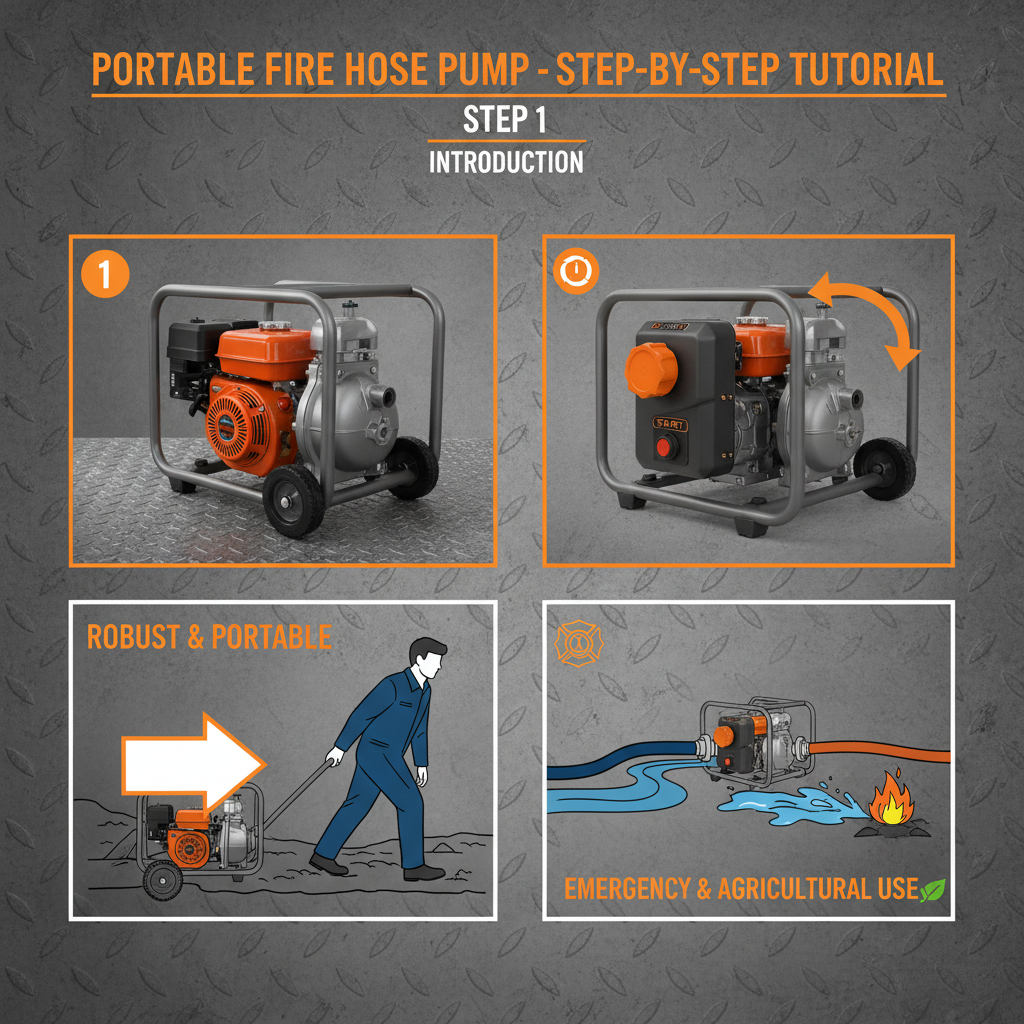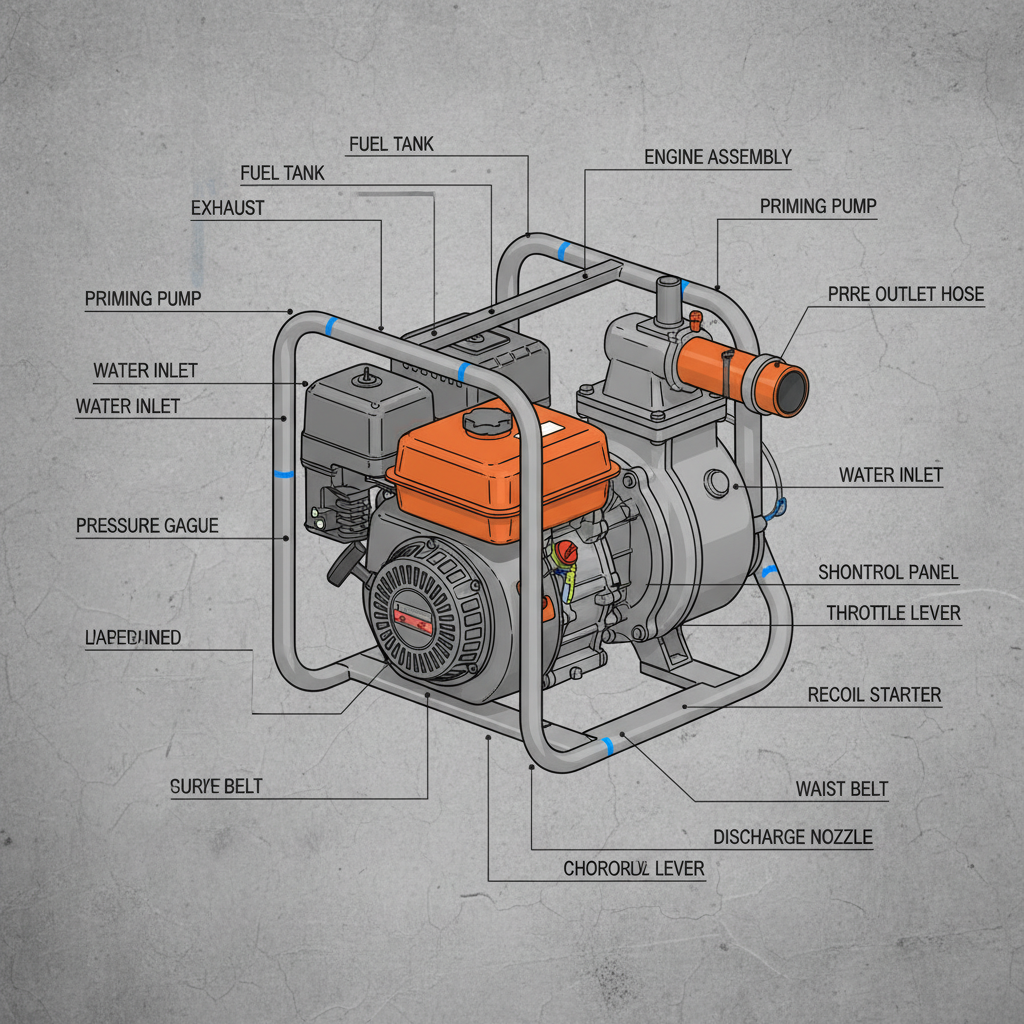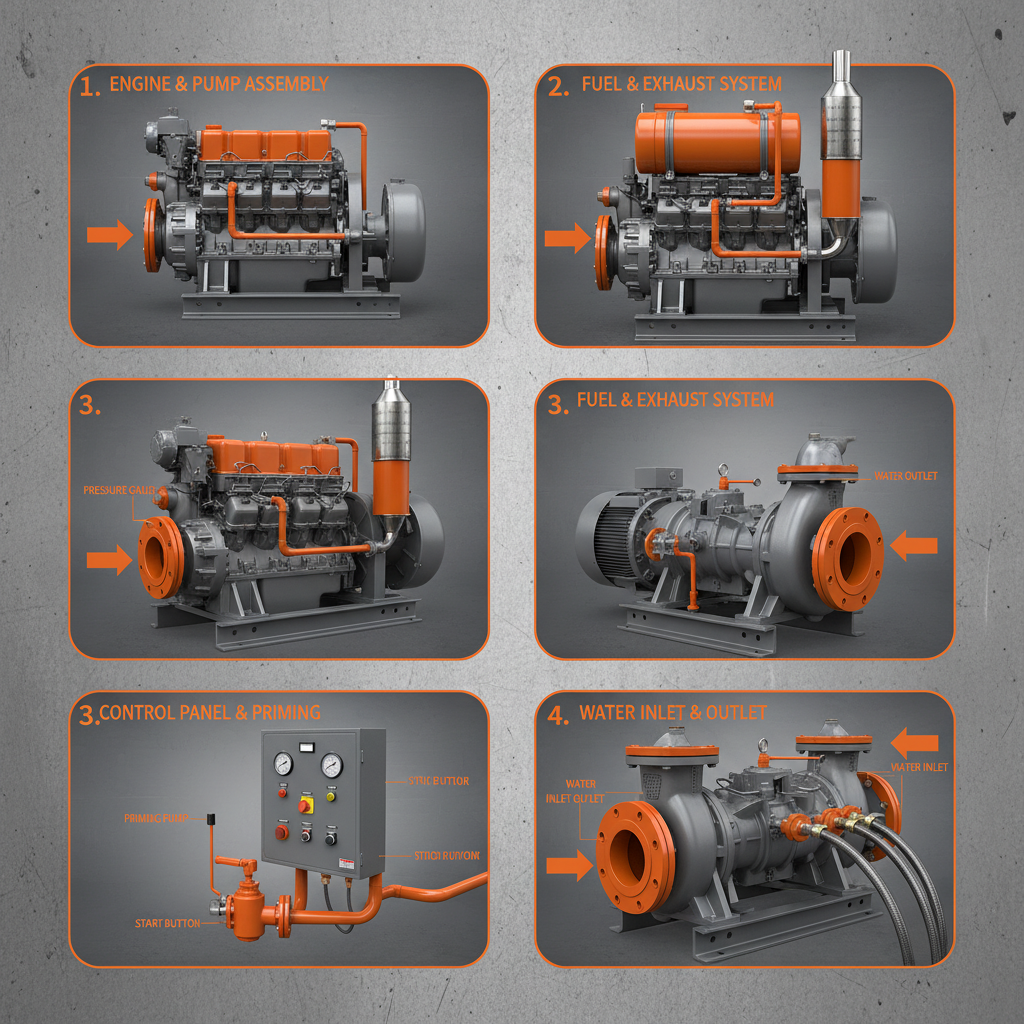




Portable emergency fire pump systems are vital for safeguarding lives and property, particularly in scenarios where traditional fire suppression methods are unavailable or insufficient. These self-contained units deliver a reliable water supply for firefighting, making them indispensable for remote locations, construction sites, and disaster response. Understanding the capabilities and applications of a portable emergency fire pump is crucial for effective emergency preparedness and mitigation.
The global need for rapid and reliable fire suppression solutions is constantly increasing due to factors like urbanization, climate change, and expanding industrial operations. According to the UN, natural disasters are on the rise, creating a growing demand for tools that facilitate immediate response. Portable emergency fire pump systems bridge the gap in areas with limited infrastructure, offering a practical and cost-effective alternative to fixed installations.
Investing in and understanding portable emergency fire pump technology isn't merely about compliance; it's about prioritizing safety, minimizing damage, and enhancing resilience in the face of unpredictable events. These pumps provide a critical lifeline, empowering individuals and organizations to effectively combat fires before they escalate into larger, more devastating incidents.
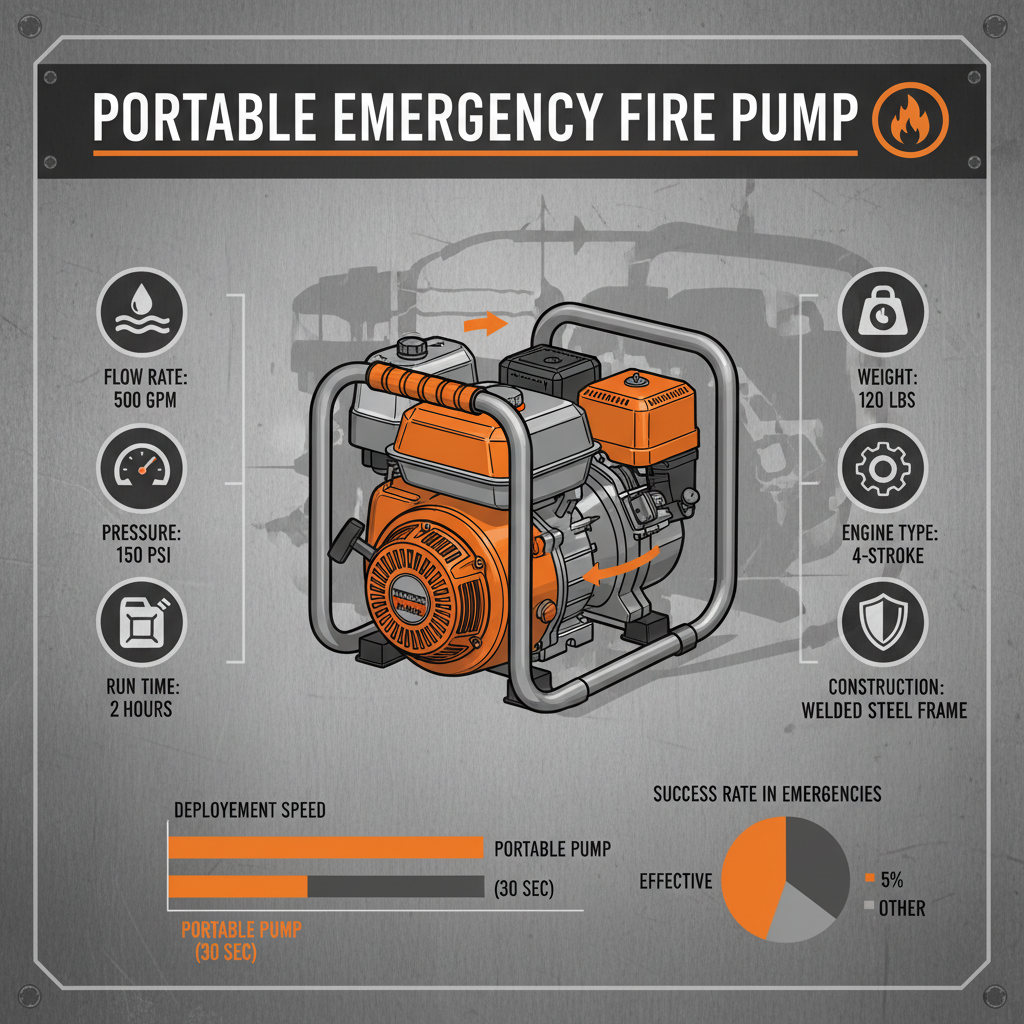
Portable emergency fire pump systems provide an immediate and independent fire suppression capability, critical when access to traditional water sources or fixed fire protection systems is limited. They are designed for rapid deployment, often used in situations where every second counts, such as initial attack on wildfires, industrial accidents, or emergency response following natural disasters.
Their significance stems from their versatility. These pumps can draw water from diverse sources – ponds, rivers, tanks, or even swimming pools – allowing for a flexible and adaptable firefighting solution. This adaptability makes them essential for locations lacking established fire hydrants or where the existing infrastructure is compromised.
When selecting a portable emergency fire pump, consider factors like the required flow rate and pressure for your specific needs. Assess the available water sources and the pump’s suction lift capability. Evaluate engine type (gasoline, diesel, electric) based on fuel availability and environmental concerns. Portability (weight and dimensions) is crucial for rapid deployment. Finally, check for certifications and ensure the pump meets relevant safety standards.
Regular servicing is vital for maintaining the reliability of a portable emergency fire pump. Generally, an annual inspection by a qualified technician is recommended. This should include checking the engine, pump components, hoses, and nozzles. Additionally, perform routine maintenance like oil changes, filter replacements, and fuel stabilization as outlined in the manufacturer’s instructions. Regular testing ensures the pump is ready for immediate use in an emergency.
Proper training is essential for safe and effective operation. Operators should receive instruction on pump setup, priming, starting, operation, and shutdown procedures. Training should cover troubleshooting common issues, hose handling techniques, nozzle selection, and basic fire suppression strategies. Refresher courses are recommended to reinforce knowledge and ensure continued competency.
While some portable emergency fire pumps can handle saltwater, it's crucial to verify the pump’s specifications. Saltwater is corrosive and can damage certain pump components if they are not designed for marine use. If using saltwater, thorough flushing with fresh water is essential after each use to prevent corrosion. Consider using pumps specifically designed for saltwater applications for prolonged or frequent use.
With proper maintenance and care, a high-quality portable emergency fire pump can have a lifespan of 10-15 years or even longer. Regular servicing, timely repairs, and adherence to the manufacturer’s recommendations are key to maximizing longevity. Storage in a clean, dry environment also helps prevent corrosion and extends the pump's operational life.
Always wear appropriate personal protective equipment (PPE), including eye protection and gloves. Ensure the pump is placed on a stable, level surface. Never operate the pump in an enclosed space without adequate ventilation. Be aware of potential hazards, such as electrical sources and flammable materials. Follow all safety guidelines provided by the manufacturer and relevant emergency response protocols.
In conclusion, portable emergency fire pump systems represent a critical component of comprehensive emergency preparedness. Their versatility, reliability, and ease of deployment make them invaluable in a wide range of applications, from disaster relief to industrial safety. Understanding the key components, performance metrics, and future trends in this technology is essential for ensuring effective fire suppression and protecting lives and property.
Investing in a portable emergency fire pump is an investment in safety, resilience, and peace of mind. As technology continues to evolve, these systems will become even more efficient, sustainable, and user-friendly, further enhancing their role in safeguarding communities worldwide. Visit our website at ffwfiresafety.com to learn more about our range of portable emergency fire pump solutions and how we can help you protect what matters most.

SUBSCRIBE NEWSLETTER
We are very interested in your company's high-quality fire protection equipment and hope to learn more about the products and discuss purchasing matters.

Hebei FeiFanWei Technology Co.,Ltd. is a comprehensive enterprise specialized in the research, production, sales and training of emergency rescue equipment.


PRODUCTS
PRODUCTS
QUICK LINKS
CONTACT US
Hebei FeiFanWei Technology Co.,Ltd. is a comprehensive enterprise specialized in the research, production, sales and training of emergency rescue equipment.
Copyright © 2026 Hebei FeiFanWei Technology Co.,Ltd. All Rights Reserved. Sitemap | Privacy Policy | Top Blog | Global Service