





The portable engine water pump is a crucial piece of equipment across a vast spectrum of applications, from firefighting and agricultural irrigation to industrial processes and disaster relief. Its ability to deliver reliable water flow independent of established infrastructure makes it indispensable in scenarios where access to traditional water sources is limited or unavailable. Understanding the nuances of these pumps – their operation, maintenance, and selection – is paramount for ensuring effective performance and maximizing their lifespan.
Globally, the need for efficient and readily deployable water pumping solutions is increasing. Climate change is exacerbating drought conditions in many regions, creating a greater demand for irrigation and emergency water supply. Simultaneously, rapid urbanization and infrastructure challenges in developing nations heighten the importance of portable solutions for construction, sanitation, and disaster response. The versatility of a portable engine water pump directly addresses these escalating needs.
Investing in robust, reliable, and appropriately sized portable water pumps isn't just a logistical advantage; it’s a crucial component of preparedness, resilience, and sustainable development. From safeguarding communities against wildfires to ensuring access to clean water in emergency situations, these devices play a vital role in protecting lives and livelihoods.
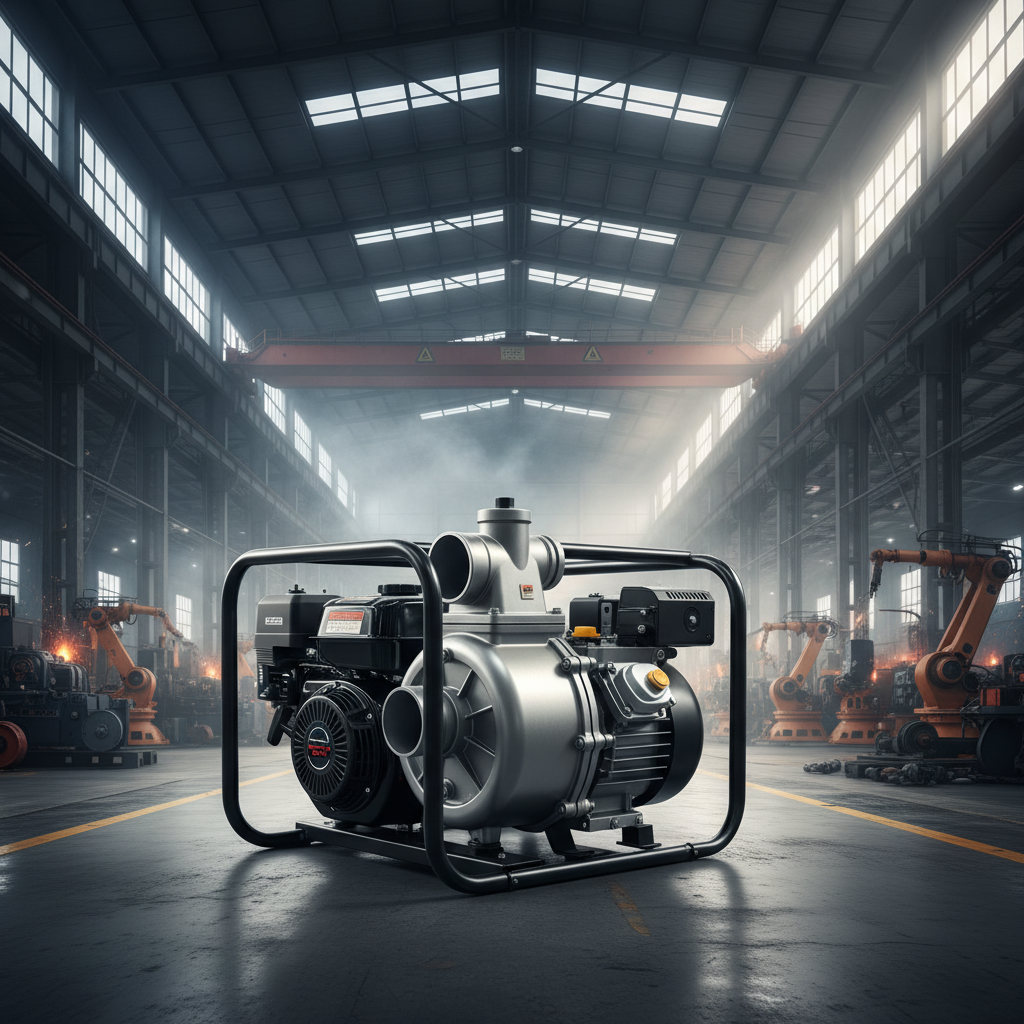
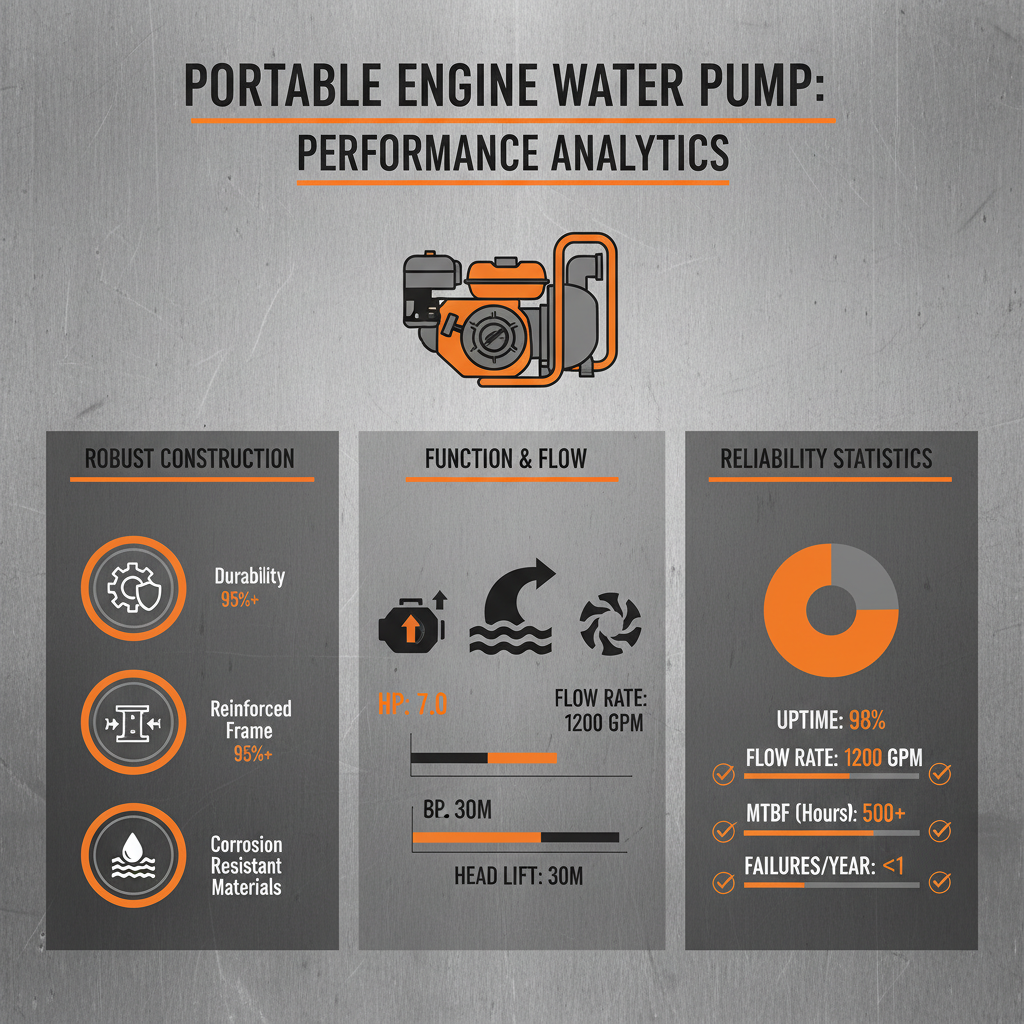
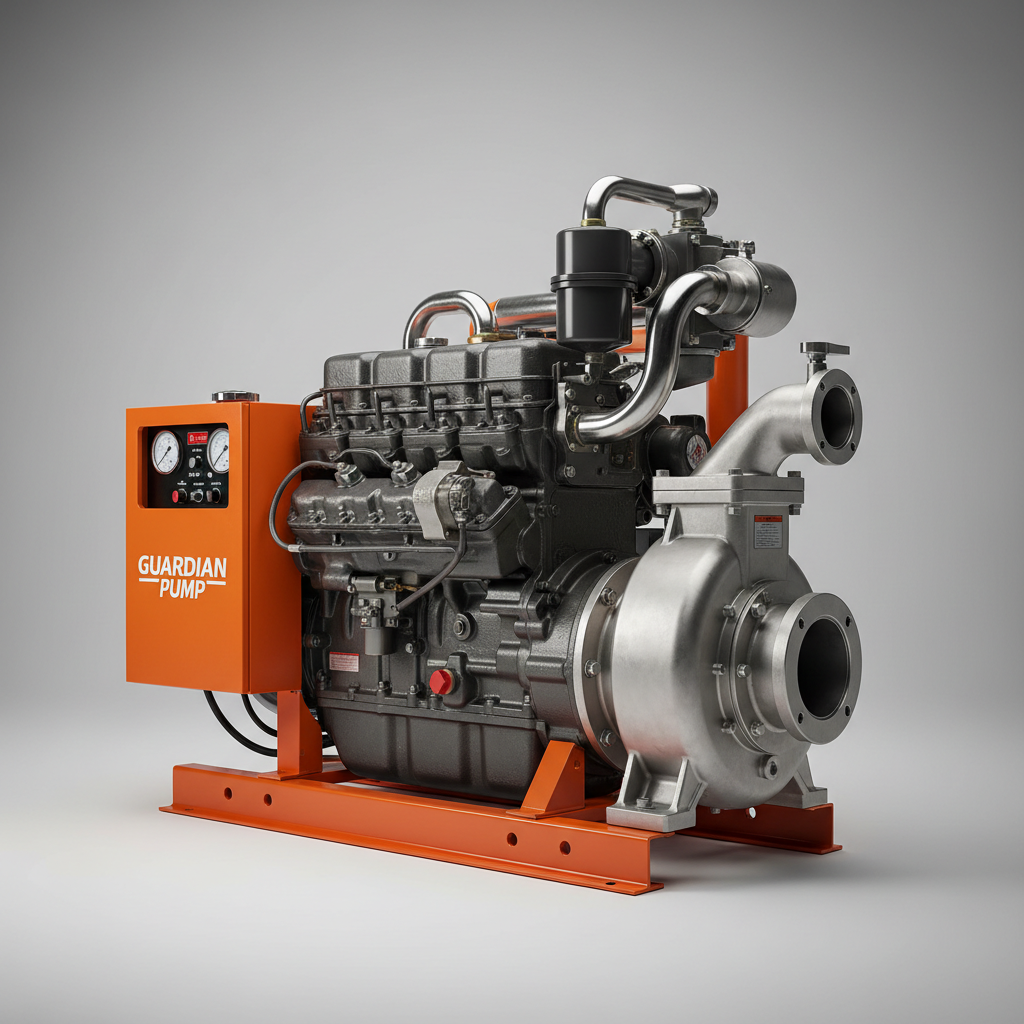
Portable engine water pumps represent a self-contained solution for transferring water, utilizing an engine (typically gasoline or diesel) to power the pumping mechanism. They offer unparalleled flexibility, enabling water movement in locations lacking electrical power or fixed plumbing. This makes them a vital asset for both routine operations and emergency response.
These pumps come in a variety of sizes and configurations, each designed to meet specific flow rate and pressure requirements. Factors such as the engine's horsepower, the pump's impeller design, and the size of the suction and discharge ports all contribute to the overall performance characteristics of a portable engine water pump.
Determining the appropriate size depends on several factors, including the expected water demand, the distance to the water source, and the required pressure. Generally, firefighting applications require higher flow rates and pressures than irrigation or dewatering. A pump capable of delivering at least 200 GPM at 100 PSI is often recommended, but a thorough risk assessment is crucial.
Regular maintenance is vital for ensuring reliable performance. At a minimum, oil changes, filter replacements, and impeller inspections should be conducted every 50-100 hours of operation. It’s also important to check fuel lines, hoses, and connections for leaks or damage. A qualified technician should perform a comprehensive inspection annually.
Many modern portable engine water pumps are compatible with biodiesel blends. However, it’s crucial to check the manufacturer’s specifications before using alternative fuels, as some engines may require modifications. Using incompatible fuels can damage the engine and void the warranty.
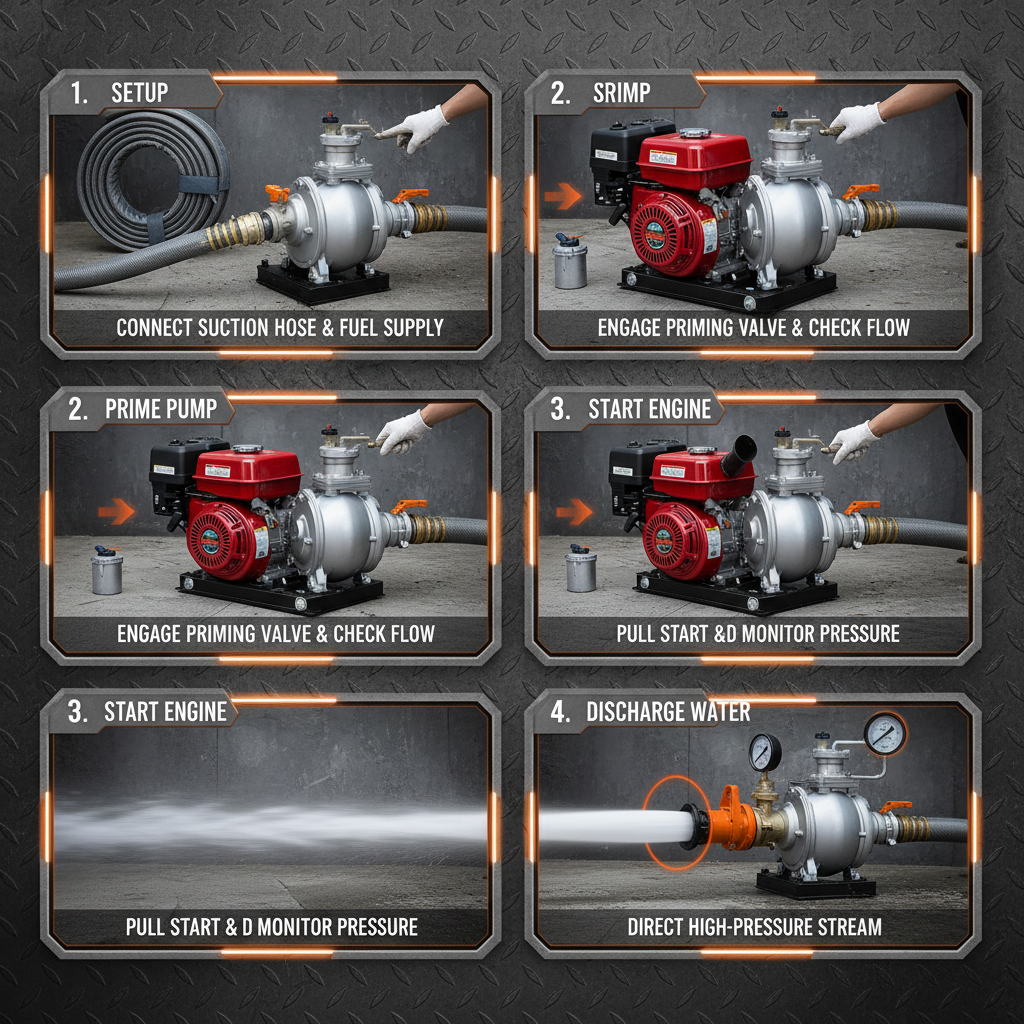
Priming is essential for removing air from the pump casing and suction hose before starting. Air in the pump prevents it from generating the necessary suction to draw water. Failing to prime can cause the pump to run dry, leading to cavitation and potential damage to the impeller.
Centrifugal pumps are best suited for high-flow, low-pressure applications, such as irrigation and water transfer. Diaphragm pumps excel at handling viscous fluids and slurries, and are self-priming. Consider the type of fluid you’ll be pumping and the required flow rate and pressure when making your selection.
Always operate the pump in a well-ventilated area to avoid carbon monoxide poisoning. Wear appropriate personal protective equipment (PPE), including hearing protection and safety glasses. Never operate the pump near flammable materials. Ensure the suction and discharge hoses are securely connected and free from leaks. Follow all manufacturer’s safety guidelines.
In conclusion, the portable engine water pump remains an indispensable tool across a wide range of industries and applications. Its versatility, reliability, and ability to operate independently of established infrastructure make it a critical asset for ensuring access to water in challenging environments. From emergency response and agricultural irrigation to industrial processes and construction, these pumps provide a vital lifeline.
Looking ahead, continued innovation in engine technology, materials science, and smart connectivity will further enhance the performance, efficiency, and sustainability of portable engine water pumps. Investing in these technologies and prioritizing regular maintenance will ensure their continued effectiveness in addressing global water challenges and safeguarding communities worldwide.
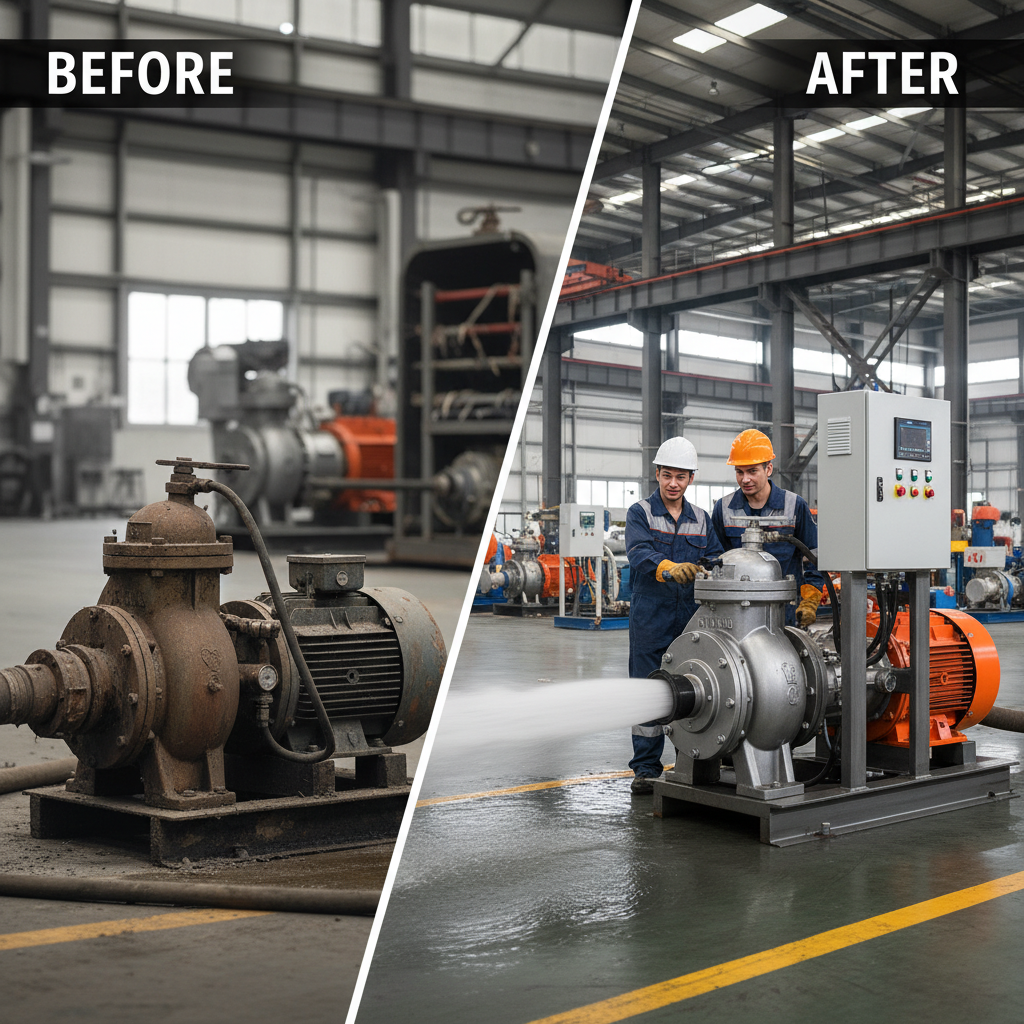
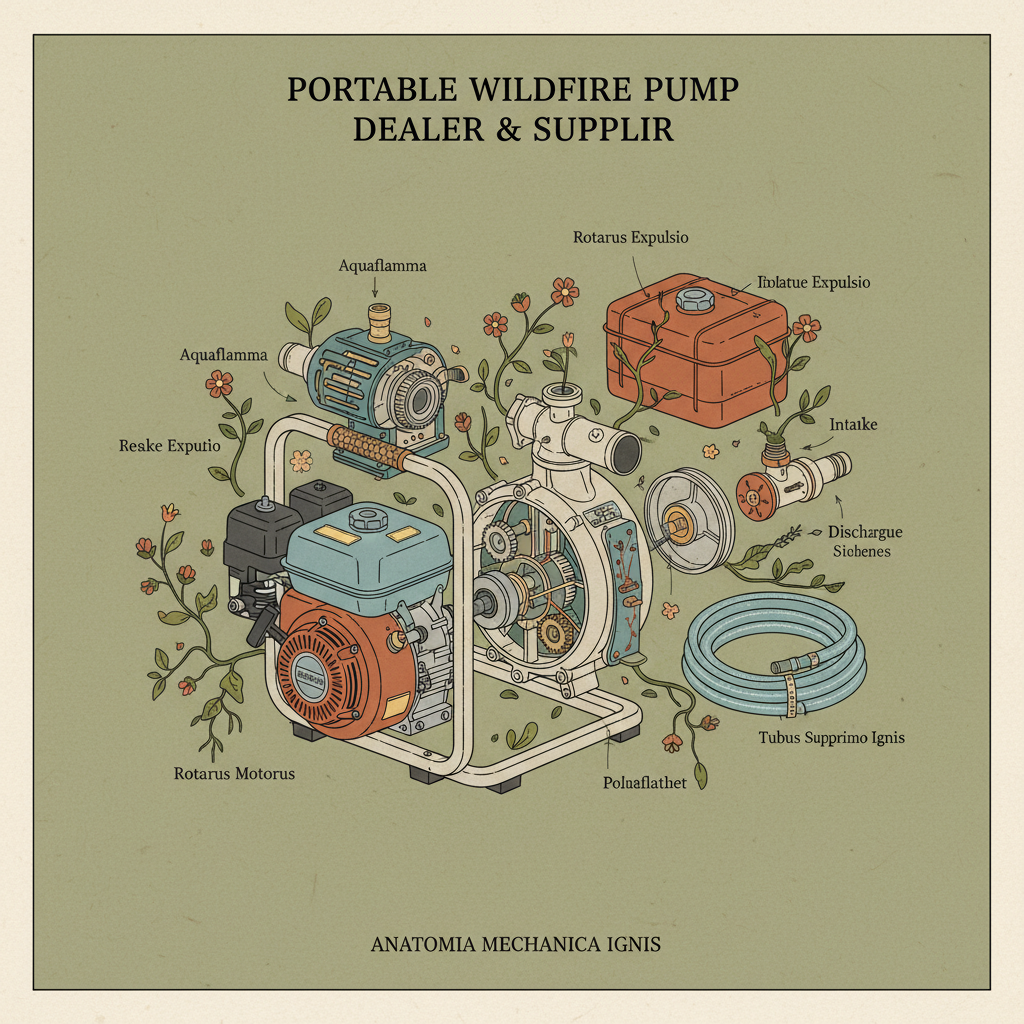

SUBSCRIBE NEWSLETTER
We are very interested in your company's high-quality fire protection equipment and hope to learn more about the products and discuss purchasing matters.

Hebei FeiFanWei Technology Co.,Ltd. is a comprehensive enterprise specialized in the research, production, sales and training of emergency rescue equipment.


PRODUCTS
PRODUCTS
QUICK LINKS
CONTACT US
Hebei FeiFanWei Technology Co.,Ltd. is a comprehensive enterprise specialized in the research, production, sales and training of emergency rescue equipment.
Copyright © 2026 Hebei FeiFanWei Technology Co.,Ltd. All Rights Reserved. Sitemap | Privacy Policy | Top Blog | Global Service


