





Look, I've been running around construction sites for fifteen years, smelling cement dust and arguing with engineers. These portable wildfire pumps… they’re getting a lot of attention lately. Not just because of the fires, obviously – everyone’s seen those headlines. But because the old stuff just wasn’t cutting it. Too heavy, too unreliable, too much fiddling around. Honestly, everyone’s scrambling for something that works, really works, when the chips are down. I think people are finally realizing you can’t skimp on this stuff.
You know, it’s funny. Everyone thinks designing a pump is straightforward. It’s not. It’s never straightforward. There are so many little things that can go wrong. Like, everyone wants to use the cheapest impeller material to save a few bucks. Big mistake. They crack under pressure, especially when sucking up water with debris in it. To be honest, I’ve seen some impeller failures that made me cringe.
It’s all about the details, really. And people underestimate how important those details are until they're standing in a smoke-filled forest with a pump that won’t start.
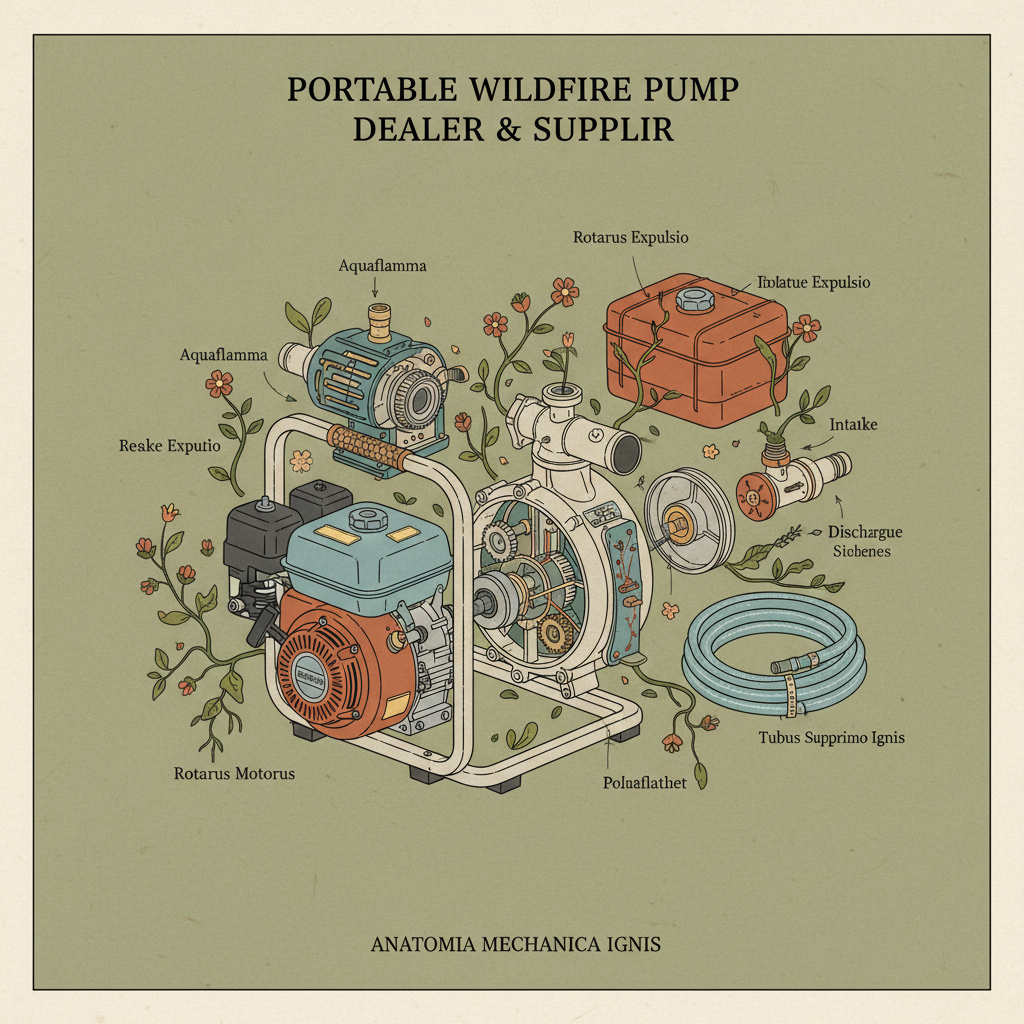

Have you noticed the shift towards battery-powered pumps? It’s huge. Gas pumps are still reliable, don’t get me wrong, but the fumes, the noise, the constant need for fuel… it’s a headache. Especially in these dry conditions. Battery tech is finally catching up, though. We’re seeing longer run times and faster charging. It’s not perfect, mind you. Cold weather still drains the batteries faster than you'd like, and you need a reliable power source to recharge them. But it's improving rapidly.
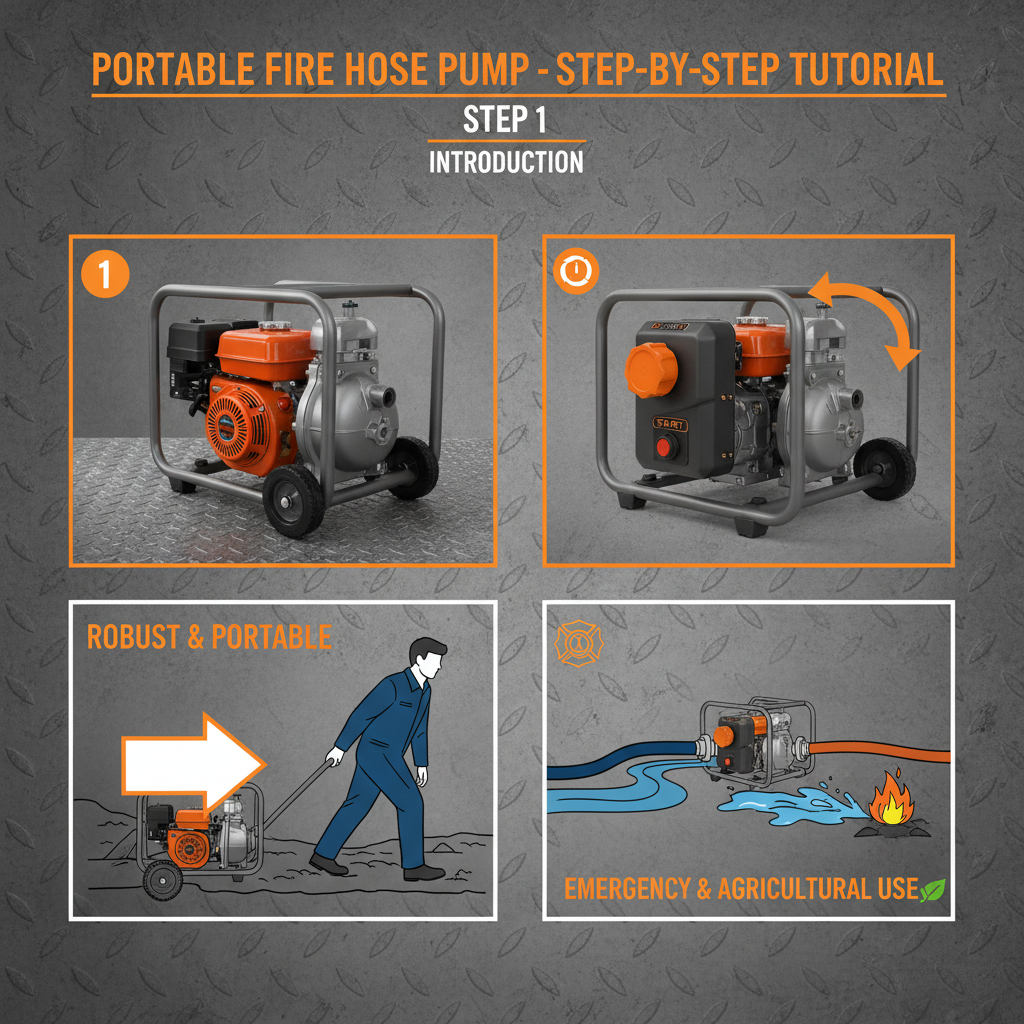
Also, there's a move towards more compact, lightweight designs. Firefighters are carrying a lot of gear. Every pound counts. That means using lighter materials, streamlining the pump body, and integrating features like built-in handles and backpack straps. It seems simple, but getting that balance right is incredibly difficult.
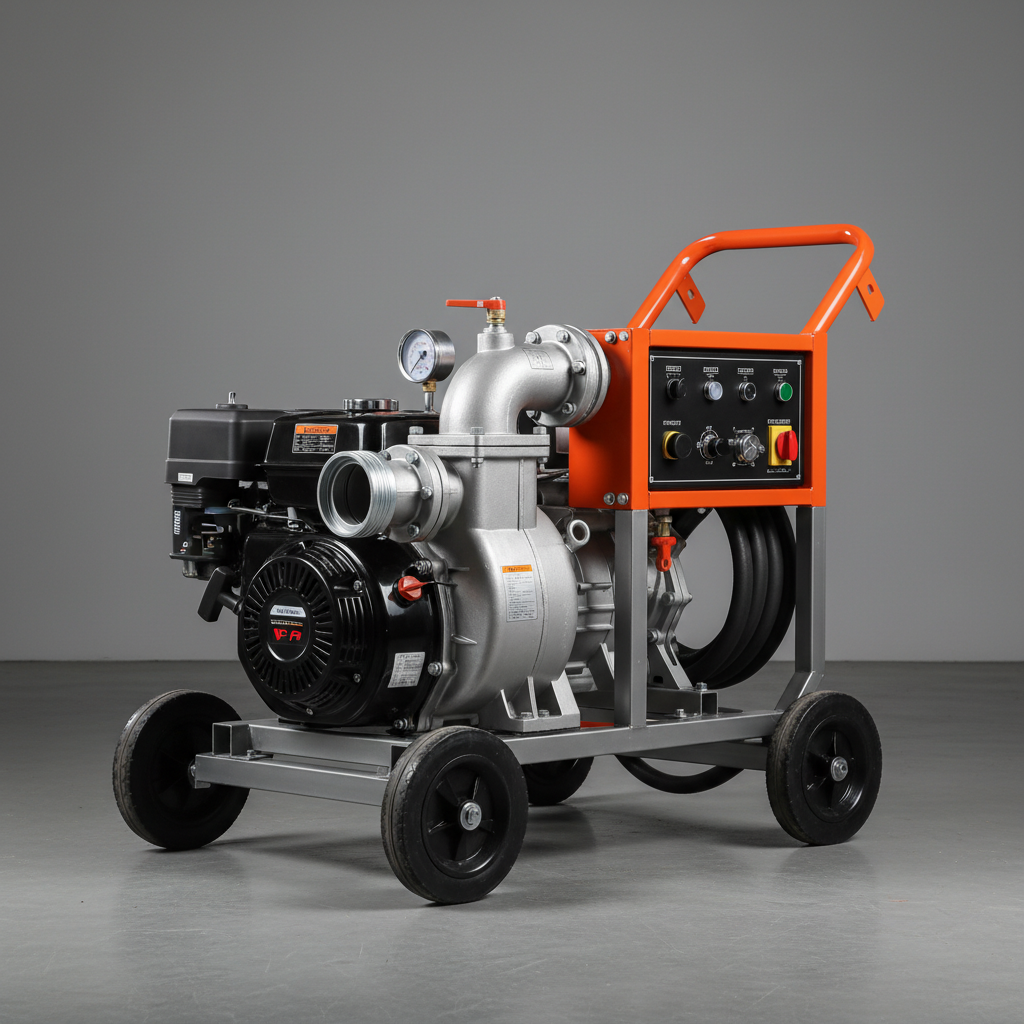
Flow rates vary depending on the model, but generally, you’re looking at anywhere from 100 to 300 gallons per minute. It depends on the engine size, the impeller design, and the suction lift. Don't just look at the peak flow rate; pay attention to the sustained flow rate under load. That’s what really matters when you’re fighting a fire. A good pump should maintain a consistent flow even when dealing with dirty water or a long hose run.
Winterizing is crucial. First, drain all the water from the pump and hoses. Then, run the pump with a small amount of antifreeze to prevent freezing in the impeller and seals. Store the pump in a dry, heated location. Don't just throw it in the shed! If it's a gas-powered pump, stabilize the fuel. If it’s battery-powered, fully charge the battery before storage and check it periodically. A little preventative maintenance goes a long way.
Always use fresh, unleaded gasoline with a minimum octane rating of 87. Using stale fuel or fuel with a lower octane rating can cause engine problems. I recommend using a fuel stabilizer, especially if the pump is going to be stored for an extended period. It prevents the fuel from breaking down and gumming up the carburetor. Honestly, I've seen pumps ruined by bad fuel.
Hose diameter is critical. A smaller diameter hose will restrict flow and reduce pump performance. A larger diameter hose will increase flow but can be more difficult to handle. Typically, a 1.5-inch or 2-inch hose is a good choice for most wildfire applications. Consider the length of the hose run; longer runs require larger diameters to minimize friction loss. It’s a balancing act, really.
First, always wear appropriate personal protective equipment, including eye protection, gloves, and hearing protection. Be aware of your surroundings and potential hazards, such as downed power lines or flammable materials. Never operate the pump in an enclosed space. And always follow the manufacturer’s instructions. It sounds obvious, but people often skip that step. Common sense, people, common sense!
Generally, no. Most portable wildfire pumps are not designed for saltwater use. Saltwater is corrosive and can quickly damage the pump’s internal components. If you need to pump saltwater, you’ll need a pump specifically designed for that purpose, typically made with corrosion-resistant materials like stainless steel or bronze. Attempting to use a standard pump with saltwater will void the warranty and likely result in a very expensive repair.
So, there you have it. These portable wildfire pumps are getting smarter, lighter, and more reliable. They're not a silver bullet, but they’re a critical tool for firefighters and anyone else who needs to move water quickly and efficiently. The industry is trending toward battery power, lighter materials, and a focus on durability.
Ultimately, whether this thing works or not, the worker will know the moment he tightens the screw. But if you’re looking for a pump that can handle the heat, a pump that won't let you down when you need it most, visit our website at ffwfiresafety.com. We’ve got what you need.

SUBSCRIBE NEWSLETTER
We are very interested in your company's high-quality fire protection equipment and hope to learn more about the products and discuss purchasing matters.

Hebei FeiFanWei Technology Co.,Ltd. is a comprehensive enterprise specialized in the research, production, sales and training of emergency rescue equipment.


PRODUCTS
PRODUCTS
QUICK LINKS
CONTACT US
Hebei FeiFanWei Technology Co.,Ltd. is a comprehensive enterprise specialized in the research, production, sales and training of emergency rescue equipment.
Copyright © 2026 Hebei FeiFanWei Technology Co.,Ltd. All Rights Reserved. Sitemap | Privacy Policy | Top Blog | Global Service


