

wechat
d3f465e7-84e5-42bb-9e8a-045675d7acbb.webp1
whatsapp
736c7497-0c03-40d4-ba30-fc57be1a5e23.webp1
mailto
up
0%

Table of Contents

Portable pumps for fire fighting are critical tools in a world increasingly vulnerable to wildfires, industrial accidents, and natural disasters. These self-contained units provide a rapid and reliable water supply when traditional infrastructure is compromised or unavailable. Their versatility and ease of deployment make them indispensable for first responders, industrial safety teams, and community emergency preparedness. Understanding the capabilities and applications of these pumps is essential for enhancing fire suppression efforts and minimizing the impact of emergencies globally.

The demand for effective fire suppression solutions is escalating due to climate change, urbanization, and increased industrial activity. According to the United Nations Environment Programme (UNEP), wildfires are increasing in frequency and intensity, posing significant threats to ecosystems and human populations. Portable pumps for fire fighting address this challenge by providing an immediate and adaptable water source, particularly in remote or difficult-to-access areas. The World Bank estimates that disaster-related economic losses are growing, emphasizing the need for proactive mitigation strategies.

These pumps play a vital role in both developed and developing nations, ensuring a swift response to fire emergencies. Their portability makes them invaluable in situations where access to conventional fire hydrants or water mains is limited, effectively bridging the gap and enhancing overall fire safety.
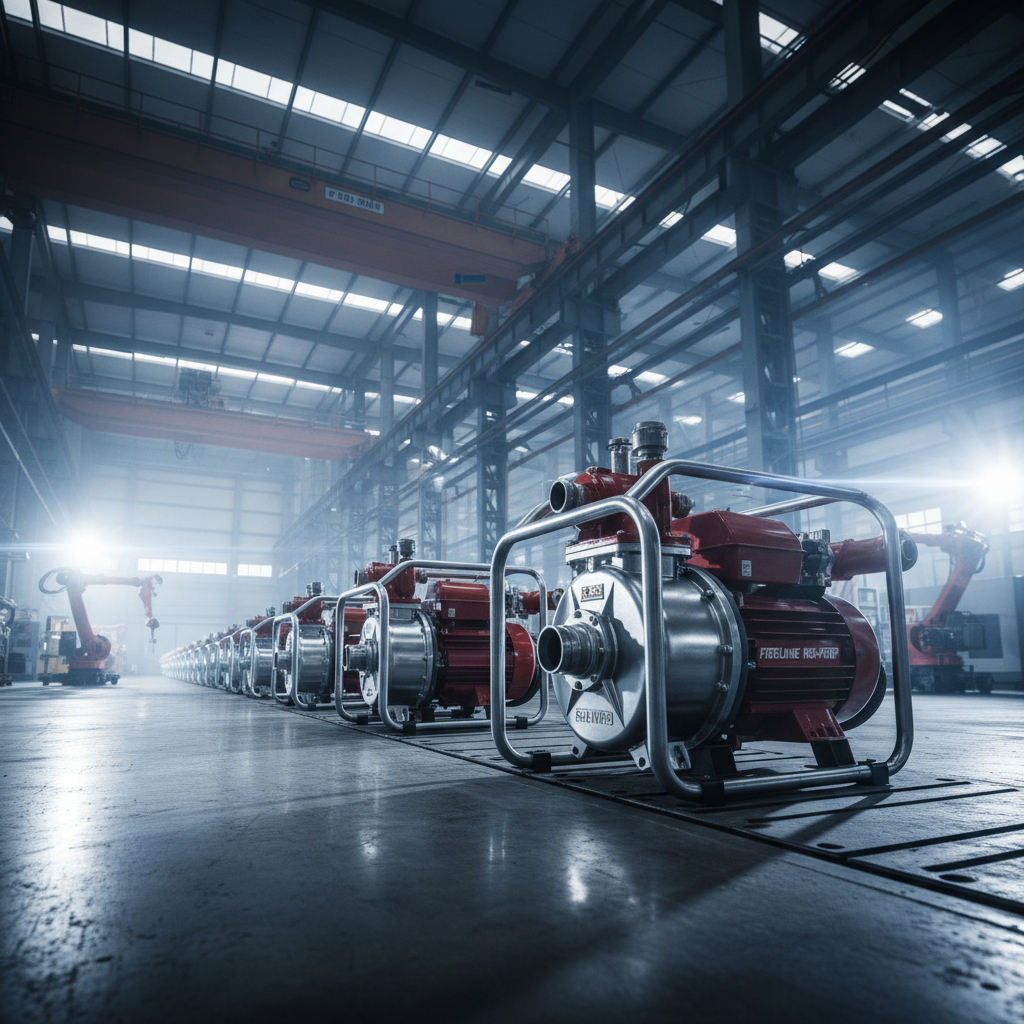
Essential Portable Pumps for Fire Fighting Enhancing Global Emergency Response

Introduction to Portable Pumps for Fire Fighting

Essential Portable Pumps for Fire Fighting Enhancing Global Emergency Response

Portable pumps for fire fighting represent a cornerstone of modern fire safety, offering a flexible and responsive solution for a wide range of emergency scenarios. These pumps, designed for rapid deployment, can draw water from various sources – ponds, lakes, rivers, even swimming pools – providing a crucial water supply where traditional fire hydrants are unavailable or insufficient. portable pumps for fire fighting are continually evolving, incorporating new technologies to enhance their efficiency and reliability.

The core benefit of utilizing portable pumps lies in their ability to mitigate fire damage swiftly and effectively. Faster response times translate directly to reduced property loss, minimized environmental impact, and, most importantly, the preservation of human life. Their compact design and ease of operation also empower volunteer fire departments and community response teams, bolstering overall fire preparedness.

Defining Portable Pumps for Fire Fighting

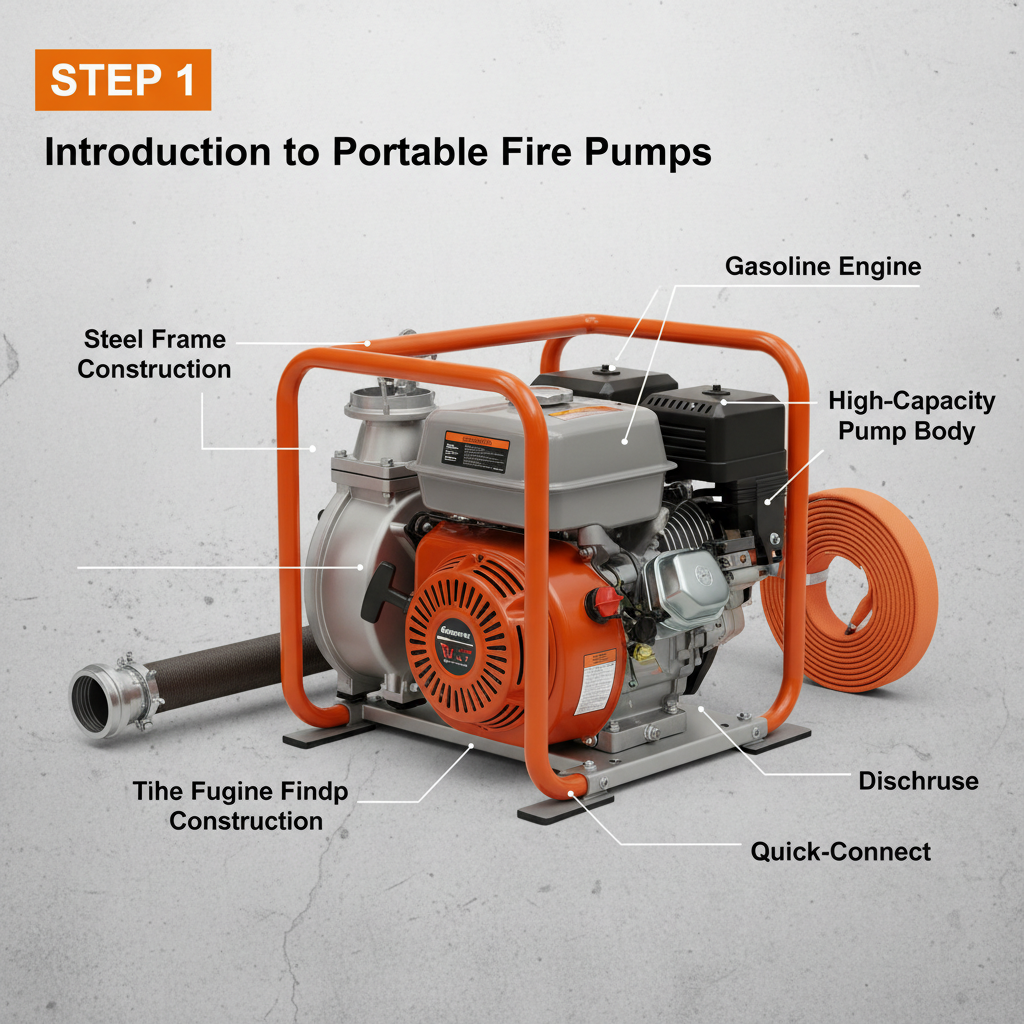
Portable pumps for fire fighting are self-contained pumping systems designed to deliver water at substantial pressure for suppressing fires. Unlike permanently installed fire pumps, these units are mobile and can be easily transported to the scene of an emergency. They typically consist of a pump unit (often gasoline or diesel powered), suction and discharge hoses, and various fittings for connecting to water sources and fire suppression nozzles.

These pumps are crucial in scenarios where immediate water access is paramount. Their connection to modern industry and humanitarian needs is direct; they safeguard industrial facilities, protect communities from wildfires, and provide essential support during disaster relief efforts. They empower a rapid and localized response, often before larger fire fighting resources can arrive.

The design of these pumps prioritizes reliability and ease of use, ensuring that personnel with minimal training can quickly deploy and operate them effectively. They are a critical component of a comprehensive fire safety plan.

Core Components and Key Features

The functionality of portable pumps for fire fighting relies on several key components. The pump itself, whether centrifugal, rotary vane, or piston-driven, is the heart of the system. Engine selection (gasoline, diesel, or electric) impacts portability, fuel availability, and maintenance requirements. Suction hoses, with integrated strainers, prevent debris from entering the pump, while discharge hoses deliver water under pressure to the fire nozzle.

Beyond the core components, features like automatic priming, pressure regulation, and flow control contribute to efficient operation. Durable construction, often utilizing lightweight alloys and corrosion-resistant materials, ensures longevity and reliability in harsh environments. Modern pumps may also incorporate electronic monitoring systems to track performance and alert operators to potential issues.

Effective portable pumps are characterized by their ability to maintain consistent pressure and flow rates under varying conditions. This is vital for delivering a targeted and effective water stream to combat flames. These pumps must also be easy to maintain and service, minimizing downtime and ensuring they are ready for deployment when needed.

Critical Factors for Performance

Performance of portable pumps for fire fighting hinges on several key factors. Flow rate (gallons per minute or liters per minute) determines the volume of water delivered, while discharge pressure (pounds per square inch or bars) dictates the reach and impact of the water stream. The pump’s suction lift capability—the vertical distance it can draw water from—is critical for accessing diverse water sources.

Engine horsepower is a defining element, impacting the pump’s overall output. Fuel efficiency and run time are also crucial considerations, particularly in prolonged fire fighting operations. Equally important is the pump’s reliability under stress, encompassing its ability to operate consistently in challenging conditions, such as extreme temperatures or rugged terrain.

Portable Pumps for Fire Fighting – Performance Metrics


Global Applications and Use Cases

Portable pumps for fire fighting find widespread application across diverse sectors. In post-disaster relief operations, they are crucial for supplying water to affected areas where infrastructure is damaged or destroyed. They are extensively used by wildfire agencies to protect forests and communities from the devastating effects of wildfires.

Industrial facilities, such as oil refineries, chemical plants, and manufacturing sites, rely on these pumps for emergency fire suppression. Remote mining operations and construction sites, often lacking readily available water sources, also benefit significantly from their portability and reliability. Moreover, volunteer fire departments and rural communities utilize these pumps to enhance their local fire protection capabilities.

Advantages and Long-Term Value

The advantages of employing portable pumps for fire fighting extend beyond immediate fire suppression. Cost-effectiveness is a significant factor, as these pumps offer a relatively affordable solution compared to installing and maintaining extensive fixed fire protection systems. The inherent flexibility and adaptability of these pumps translate to long-term value.

They minimize potential damage and downtime, protecting assets and ensuring business continuity. From a societal perspective, they enhance public safety, reduce insurance costs, and contribute to environmental sustainability by limiting the spread of fire-related pollution. The peace of mind knowing a reliable water source is readily available fosters a greater sense of security.

Future Trends and Innovations

The future of portable pumps for fire fighting is poised for significant advancements. Integration of smart technology, such as GPS tracking, remote monitoring, and automated diagnostics, will enhance operational efficiency and preventative maintenance. Research into more sustainable fuel sources, including biofuels and electric power, will reduce the environmental footprint of these pumps.

Developments in pump materials, such as lightweight composites and corrosion-resistant alloys, will improve durability and reduce overall weight. Furthermore, advancements in pump design, focusing on increased flow rates and pressure capabilities, will optimize fire suppression performance. Digital transformation promises a more interconnected and data-driven approach to fire safety.

The trend towards more autonomous operation, potentially utilizing drones for reconnaissance and targeted water delivery, also represents a noteworthy area of innovation.

FAQS

What fuel type is best for portable pumps in remote areas?

For remote areas, diesel is generally preferred due to its wider availability and higher energy density compared to gasoline. Diesel pumps also tend to have longer run times and are more robust, making them ideal for prolonged operations where refueling may be infrequent. However, consider the specific environmental conditions and the availability of maintenance resources when making your choice.

How do I properly winterize a portable fire pump?

Winterizing a portable fire pump is critical to prevent damage from freezing. Drain all water from the pump, hoses, and impeller. Add a non-toxic antifreeze to the pump casing. Remove the spark plug and add a small amount of oil to the cylinder, then replace the plug. Store the pump in a dry, heated location if possible, and cover it to protect it from the elements.

What is the typical lifespan of a portable fire pump with proper maintenance?

With regular maintenance, a high-quality portable fire pump can last for 10-15 years or even longer. Proper maintenance includes regular oil changes, filter replacements, and thorough inspections for wear and tear. Following the manufacturer's recommendations for servicing will significantly extend the pump’s lifespan.

What hose diameter is best for maximum flow with portable pumps?

The ideal hose diameter depends on the pump's outlet size and the desired flow rate. Generally, larger diameter hoses (e.g., 3-inch or 4-inch) provide less friction loss and allow for higher flow rates, especially over longer distances. However, compatibility with nozzles and fittings is essential. Consult the pump's specifications for the recommended hose size.

What training is required to safely operate a portable fire pump?

Comprehensive training is crucial for safe and effective operation. Training should cover pump operation, maintenance, troubleshooting, hose handling, water source selection, and fire suppression techniques. Operators should understand the pump’s limitations and potential hazards, and be familiar with local safety regulations. Certification courses are often available from fire training academies.

What are the key considerations when choosing a portable pump for wildfire applications?

For wildfire applications, prioritize pumps with high flow rates, robust construction, and spark arrestors to prevent ignition of surrounding vegetation. Consider pumps that can operate with high suction lifts to access available water sources. Lightweight and portable designs are also essential for easy transport across rough terrain. Check for compliance with relevant wildfire safety standards.

Conclusion

In conclusion, portable pumps for fire fighting are indispensable tools for safeguarding lives, protecting property, and mitigating the devastating impact of fire emergencies. Their versatility, reliability, and ease of deployment make them essential assets for first responders, industrial safety teams, and community emergency preparedness efforts worldwide. These pumps are not merely equipment; they represent a critical investment in resilience and safety.

Looking ahead, continued innovation in pump technology, coupled with enhanced training and proactive maintenance practices, will further enhance their effectiveness. By embracing advancements in sustainable fuel sources, smart technology, and autonomous operation, we can optimize their performance and minimize their environmental footprint. Visit our website at ffwfiresafety.com to learn more about our comprehensive range of portable pumps and fire safety solutions.

Daniel Hayes

Daniel Hayes

Daniel Hayes serves as the Regional Sales Manager for FEI FAN WEI, covering the Western US. With over 15 years of experience in fire safety equipment sales, Daniel brings a deep understanding of the challenges faced by wildland firefighters and forestry professionals. He's a graduate of Montana State University with
Previous Advancements in Mobile Fire Pump Technology for Enhanced Fire Safety
Next Essential Guide to Portable Fire Pumps for Effective Fire Suppression

SUBSCRIBE NEWSLETTER

We are very interested in your company's high-quality fire protection equipment and hope to learn more about the products and discuss purchasing matters.