



Portable fire pumps are essential tools for firefighting and emergency response, offering a readily deployable solution for water delivery where permanent infrastructure is lacking or compromised. These self-contained units are crucial for initial attack on fires, especially in remote locations, construction sites, and areas prone to natural disasters. Understanding the capabilities and applications of a portable fire pump is paramount for ensuring effective fire suppression and protecting lives and property.
Globally, the need for rapid and reliable firefighting solutions is increasing due to factors such as climate change, urbanization, and industrial expansion. The UN and various humanitarian organizations rely heavily on portable fire pumps in disaster relief efforts. Furthermore, industries like oil and gas, forestry, and mining require robust fire suppression systems, frequently employing these pumps due to their versatility and independence from fixed water supplies. The demand for efficient and dependable portable fire pump systems is not just a local concern, but a worldwide imperative.
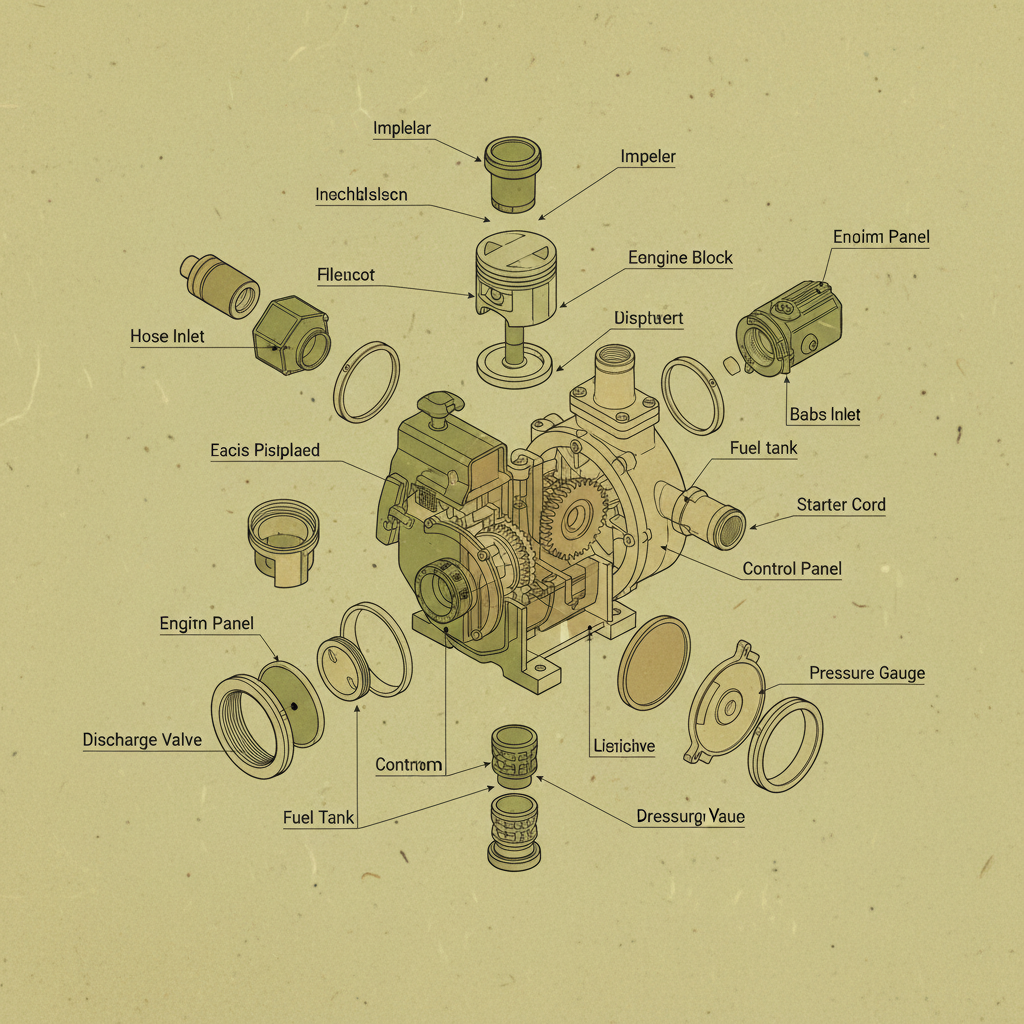
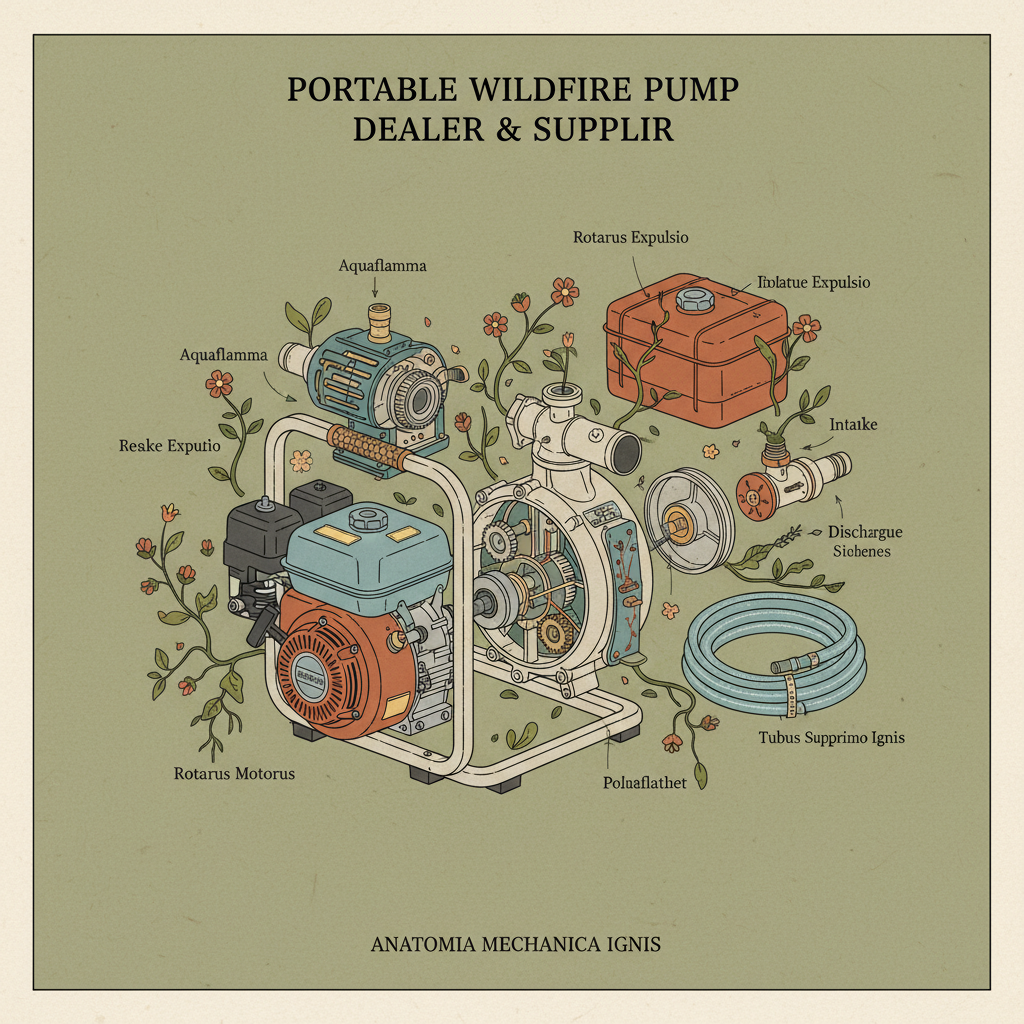
A portable fire pump is a self-contained, mobile unit designed to draw water from various sources – ponds, lakes, rivers, tanks, or even fire hydrants – and deliver it at high pressure through hoses to fight fires. It typically consists of a pump, an engine (gasoline or diesel), a suction hose, a discharge hose, and various control valves and gauges. Its portability makes it invaluable in scenarios where a standard fire engine cannot easily access the fire or lacks a sufficient water supply.
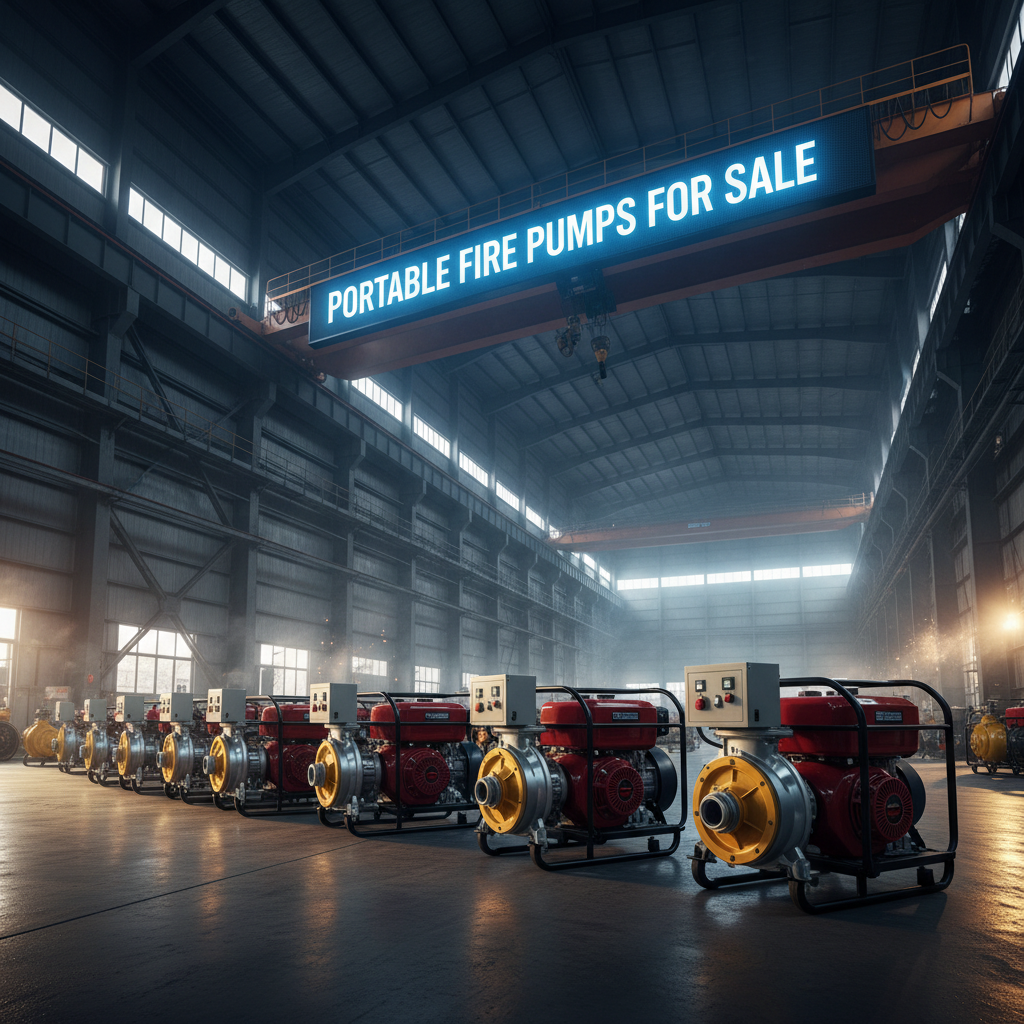
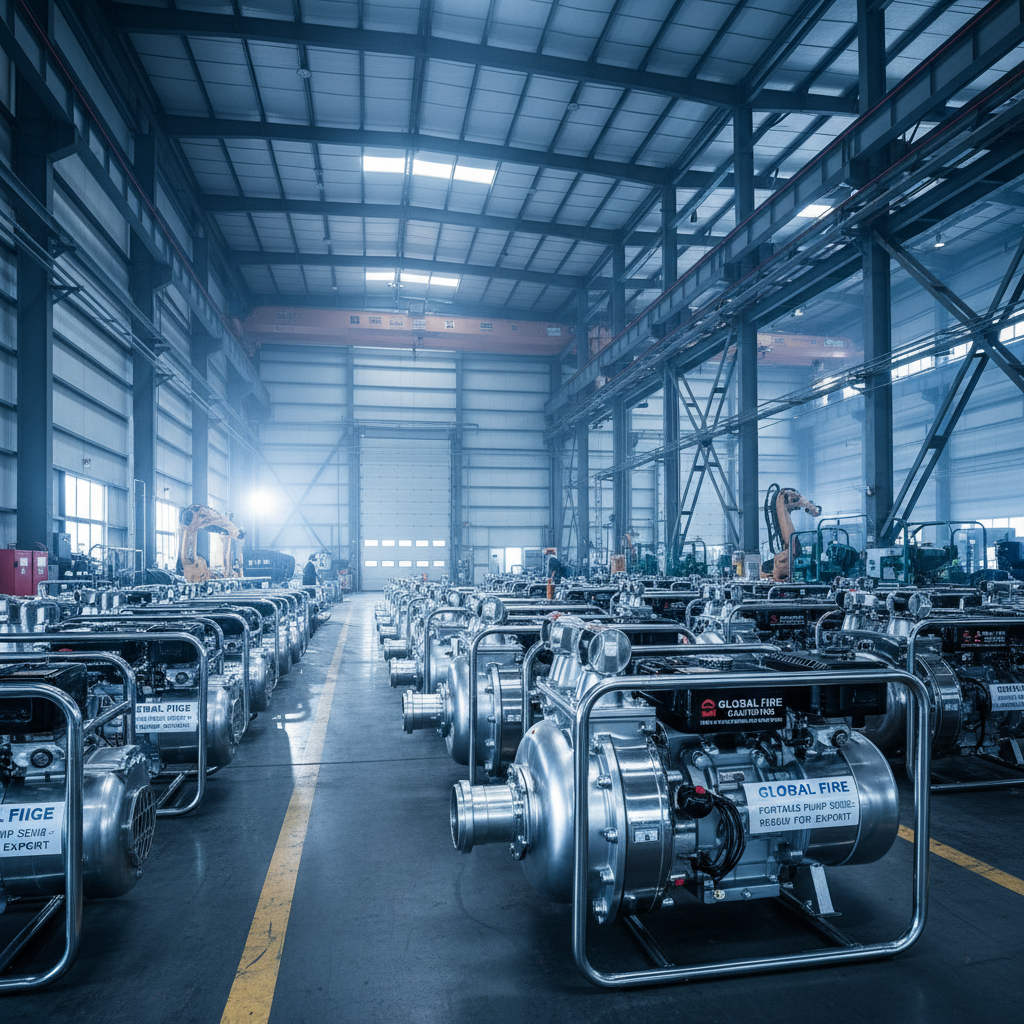
The ability to rapidly deploy effective firefighting resources is crucial in mitigating damage and saving lives. Portable fire pumps provide this capability, offering a self-sufficient solution that doesn’t rely on established fire hydrant systems. This is particularly critical in rural areas, construction sites, and emergency response scenarios where time is of the essence.
Investing in reliable portable fire pump equipment isn’t just about fire suppression; it’s about risk management, community safety, and ensuring business continuity. Properly maintained pumps can significantly reduce potential losses and protect valuable assets.
With regular servicing and adherence to manufacturer guidelines, a high-quality portable fire pump can reliably operate for 5-10 years, and sometimes longer. Factors such as usage frequency, operating environment, and the quality of components significantly influence longevity. Routine inspections, fluid changes, and prompt repair of any issues are crucial for maximizing lifespan.
The choice between gasoline and diesel fuel depends on the specific pump model and intended use. Gasoline engines are generally lighter and easier to start in cold weather, while diesel engines offer better fuel efficiency and longer engine life. Consider availability, cost, and environmental factors when making your selection. Always consult the pump’s manual for recommended fuel types.
Professional servicing is recommended at least annually, even if the pump hasn't been used extensively. This should include a thorough inspection of all components, fluid level checks, filter replacements, and performance testing. More frequent servicing may be needed in harsh operating conditions or with heavy usage. Maintaining a service record is crucial for tracking maintenance history.
Operators should receive comprehensive training covering pump operation, safety procedures, priming techniques, troubleshooting, and basic maintenance. Training should include hands-on practice and a review of the pump’s operator manual. Competent operators are vital for safe and effective fire suppression, minimizing the risk of equipment damage or injury.
While portable fire pumps can draw water from various sources, not all sources are suitable. The water should be relatively clean and free of debris to prevent damage to the pump’s impeller. Using a strainer is crucial when drawing from ponds, lakes, or rivers. Avoid sources with excessive silt, oil, or other contaminants.
Always wear appropriate personal protective equipment (PPE), including eye protection, hearing protection, and gloves. Ensure the pump is placed on a stable surface and that the exhaust is vented away from personnel. Be aware of electrical hazards and maintain a safe distance from the fire. Never operate the pump in a confined space without proper ventilation.
Portable fire pumps are indispensable tools for effective fire suppression and emergency response across a wide spectrum of industries and regions. Their adaptability, reliability, and relative cost-effectiveness make them a crucial asset for protecting lives, property, and the environment. Investing in quality equipment and ensuring proper operator training are paramount for maximizing their benefits.
Looking ahead, advancements in technology, such as electric and hybrid power sources and smart monitoring systems, will further enhance the capabilities of portable fire pumps. Continued innovation and a commitment to safety will ensure that these vital tools remain at the forefront of firefighting efforts, safeguarding communities and minimizing the devastating impact of fire. For reliable portable fire pump solutions, visit our website today.

SUBSCRIBE NEWSLETTER
We are very interested in your company's high-quality fire protection equipment and hope to learn more about the products and discuss purchasing matters.

Hebei FeiFanWei Technology Co.,Ltd. is a comprehensive enterprise specialized in the research, production, sales and training of emergency rescue equipment.


PRODUCTS
PRODUCTS
QUICK LINKS
CONTACT US
Hebei FeiFanWei Technology Co.,Ltd. is a comprehensive enterprise specialized in the research, production, sales and training of emergency rescue equipment.
Copyright © 2026 Hebei FeiFanWei Technology Co.,Ltd. All Rights Reserved. Sitemap | Privacy Policy | Top Blog | Global Service