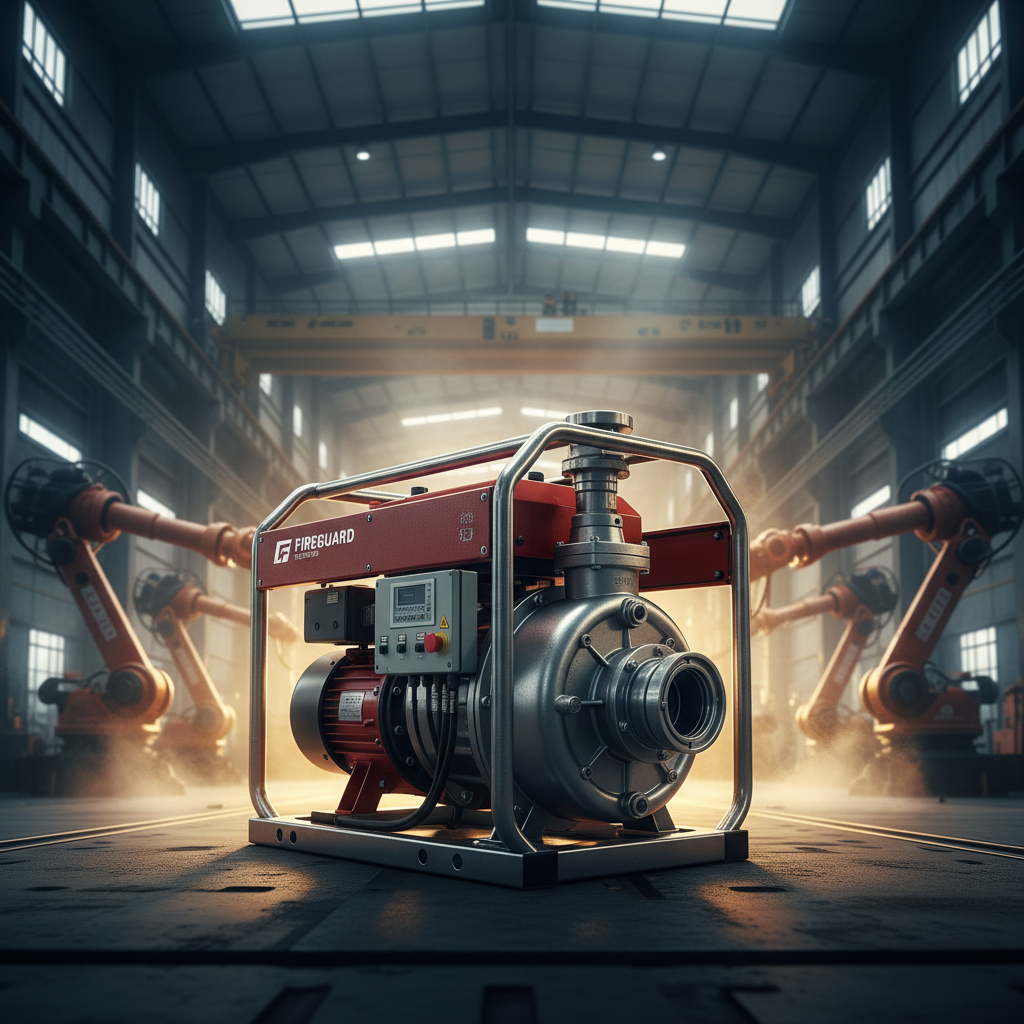
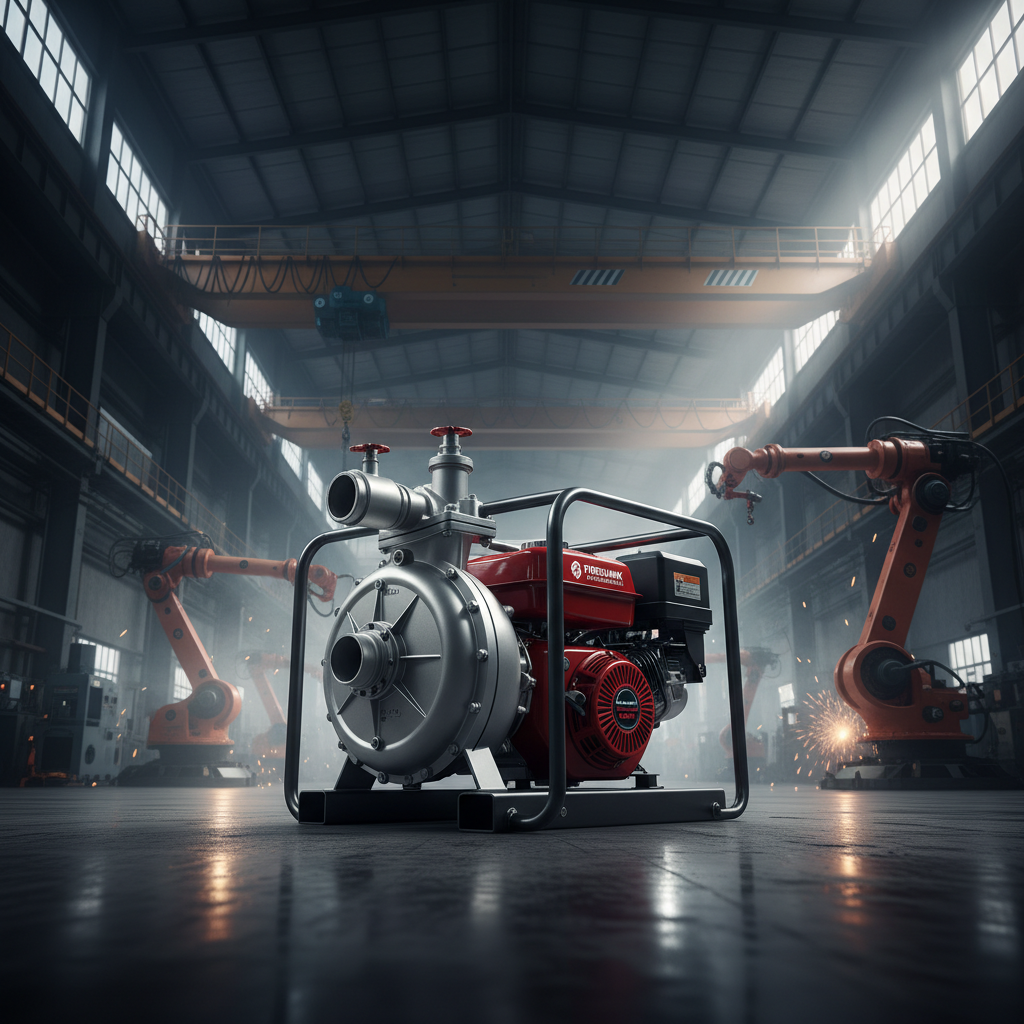
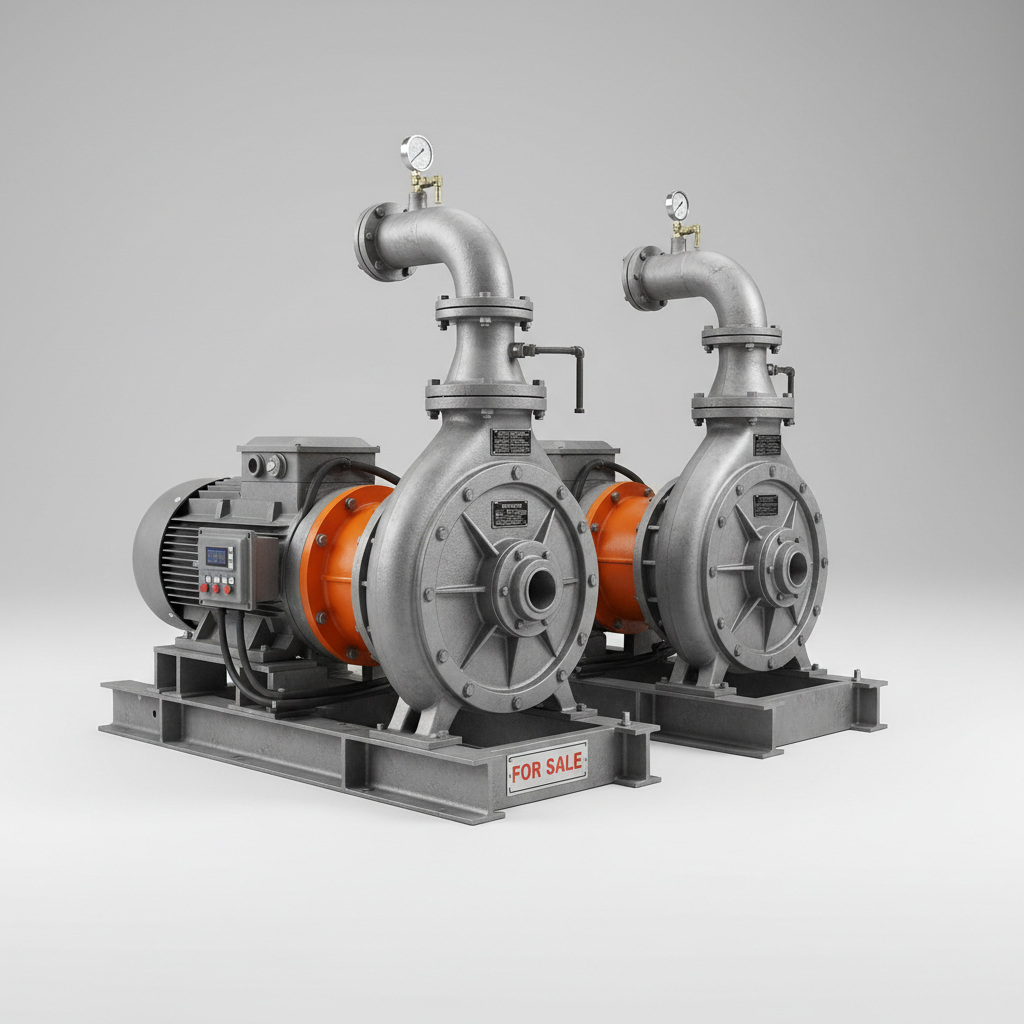
The global need for effective and readily available firefighting solutions has never been more critical. From rapidly expanding urban centers to remote industrial sites and disaster-prone regions, the ability to quickly suppress fires is paramount to protecting lives, property, and the environment. A portable fire fighting pump provides that essential first line of defense, offering a self-contained, mobile solution for a wide range of fire emergencies. Understanding the principles, applications, and advancements in this technology is vital for ensuring public safety and minimizing the devastating impact of fire incidents.
The increasing frequency of wildfires, exacerbated by climate change, and the growing prevalence of industrial accidents underscore the importance of robust fire suppression systems. Traditional firefighting methods often rely on centralized infrastructure, which can be slow to deploy in remote or difficult-to-access locations. Portable fire fighting pumps bridge this gap, offering a decentralized and rapidly deployable solution. According to the UN Office for Disaster Risk Reduction, direct economic losses from disasters have significantly increased in recent decades, highlighting the need for proactive mitigation measures, including effective firefighting capabilities.
The benefits extend beyond immediate fire suppression. Reliable portable fire fighting pump systems contribute to business continuity, environmental protection, and the overall resilience of communities. Adopting these technologies is not just about extinguishing flames; it’s about safeguarding livelihoods, preserving ecosystems, and fostering a safer, more secure world. The versatility of these pumps allows for adaptation to diverse environments and operational needs, making them an indispensable tool for modern fire protection.
The Core Principles of portable fire fighting pump
At its core, a portable fire fighting pump operates on the principle of efficiently transferring water – or other fire suppressing agents – from a source to the point of a fire. This involves a combination of engine power, pumping mechanisms, and appropriate hose systems. The effectiveness hinges on factors like flow rate (gallons per minute), pressure (pounds per square inch), and the pump's ability to draw water from various sources, including static bodies of water, tanks, and even rivers or streams.
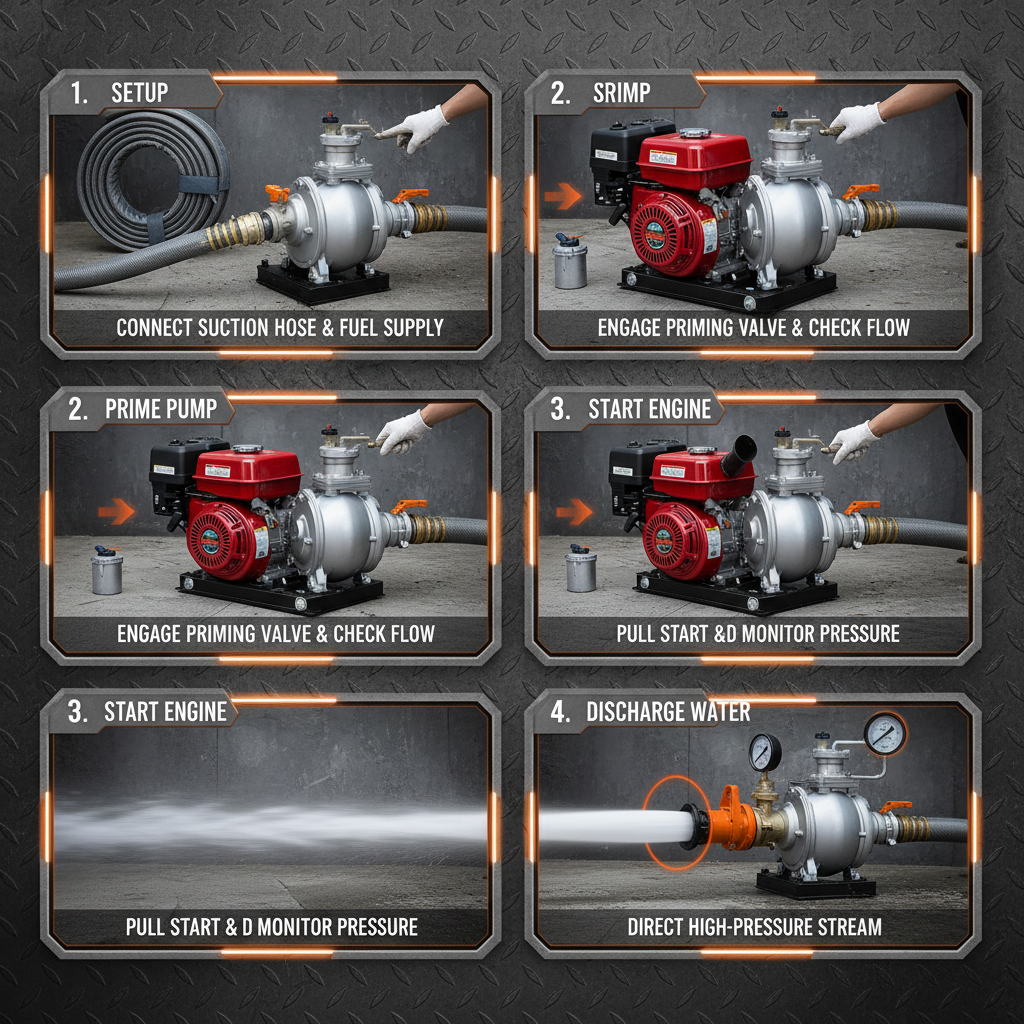
Modern designs prioritize ease of use and reliability, employing robust materials and simplified operating procedures. Many incorporate self-priming capabilities, eliminating the need for manual priming and enabling rapid deployment in emergency situations. The portability aspect necessitates a balance between power, efficiency, and weight, often achieved through the use of lightweight alloys and optimized engine designs.
The Global Impact and Relevance of portable fire fighting pump
The demand for portable fire fighting pump systems is globally distributed, driven by a diverse range of needs and challenges. In developing countries, where centralized firefighting infrastructure may be limited, these pumps provide crucial support for local communities and industries. They are instrumental in protecting forests, agricultural lands, and vital resources from wildfires. The World Bank estimates that wildfires cause billions of dollars in economic damage annually, highlighting the importance of effective prevention and suppression strategies.
Industrial sectors, such as oil and gas, mining, and construction, rely heavily on portable pumps to mitigate fire risks in remote or hazardous environments. These pumps are essential for ensuring worker safety, protecting valuable assets, and preventing environmental contamination. Furthermore, emergency response organizations, including NGOs and government agencies, utilize them extensively in disaster relief operations, providing immediate firefighting capabilities in affected areas.
ISO standards play a vital role in ensuring the quality, safety, and performance of portable fire fighting pumps. Adherence to these standards guarantees that the equipment meets rigorous testing criteria and provides reliable operation when it matters most. The global harmonization of these standards facilitates international trade and ensures a consistent level of fire protection worldwide.
Defining portable fire fighting pump and its Significance
A portable fire fighting pump is a self-contained, mobile unit designed to deliver water or other fire suppression agents at a specified flow rate and pressure. Unlike fixed firefighting systems, it doesn’t require a permanent infrastructure connection, making it ideal for use in remote locations, emergency situations, and areas where immediate fire suppression is critical. This includes everything from small brush fires to larger industrial incidents.
The significance of these pumps extends beyond simply extinguishing fires. They represent a proactive approach to fire safety, enabling rapid response and minimizing potential damage. They empower individuals and organizations to take control of fire risks, reducing reliance on external resources and improving overall safety preparedness. This is especially crucial in industries where downtime due to fire can be extremely costly.
In the context of modern humanitarian needs, portable fire fighting pump are essential tools for disaster relief. They provide immediate fire suppression capabilities in the aftermath of natural disasters, helping to protect displaced populations, critical infrastructure, and emergency response personnel. They are also valuable assets for preventing the spread of wildfires in vulnerable ecosystems.
Key Characteristics of High-Performance portable fire fighting pump
High-performance portable fire fighting pumps are distinguished by several key characteristics. First, flow rate is crucial, measured in gallons per minute (GPM). Higher GPMs are necessary for suppressing larger fires more effectively. Second, pressure (PSI) determines the distance and height to which water can be delivered. Adequate pressure ensures the water reaches the affected area with sufficient force.
Third, portability is paramount, encompassing both weight and size. A pump that is too heavy or bulky will be difficult to transport and deploy in emergency situations. Fourth, reliability and durability are essential, demanding robust construction and components capable of withstanding harsh operating conditions. Finally, ease of operation minimizes training requirements and ensures rapid deployment by personnel with varying levels of expertise.
Comparative Analysis of portable fire fighting pump Features
Real-World Applications of portable fire fighting pump
In post-disaster relief operations, such as after earthquakes or hurricanes, portable fire fighting pump are invaluable for controlling fires sparked by damaged infrastructure or hazardous materials. They enable rapid response in areas where access is limited and traditional firefighting resources are unavailable. Similarly, in remote industrial zones – like mining operations or forestry camps – they provide a crucial first line of defense against accidental fires.
Agricultural settings benefit from these pumps in controlling brush fires and protecting crops. They are also essential for volunteer fire departments in rural areas, supplementing their existing equipment and providing additional firefighting capacity. The versatility of these pumps makes them adaptable to a wide range of scenarios, from small localized incidents to large-scale emergencies.
The Enduring Value and Advantages of portable fire fighting pump
The tangible benefits of investing in portable fire fighting pump systems are numerous. Cost savings are realized through reduced property damage, minimized business disruption, and lower insurance premiums. Sustainability is enhanced by preventing the release of harmful pollutants into the environment during fires. Social impact is significant, protecting lives and livelihoods and fostering a safer community.
However, the value extends beyond purely economic and environmental considerations. The peace of mind that comes with knowing you have a reliable fire suppression system in place is invaluable. It fosters a culture of safety and preparedness, empowering individuals and organizations to take proactive steps to protect themselves and their assets. This fosters trust and confidence in emergency response capabilities.
Future Trends and Innovations in portable fire fighting pump Technology
The future of portable fire fighting pump technology is focused on increased efficiency, automation, and sustainability. Advancements in engine technology, such as the development of more fuel-efficient and environmentally friendly engines, are driving performance improvements. Digital integration, including remote monitoring and control systems, is enabling more proactive fire management.
The exploration of alternative fire suppression agents, such as foam concentrates and misting systems, is gaining traction, offering enhanced extinguishing capabilities and reduced environmental impact. Furthermore, the integration of artificial intelligence (AI) and machine learning (ML) is promising to optimize pump operation and predict potential fire risks. These innovative technologies will enhance effectiveness and safety in various sectors.
Driven by the need for reduced carbon footprints, future designs are likely to incorporate more green energy solutions, potentially utilizing solar power or hybrid power systems to operate the pumps, aligning with global sustainability goals.
Summary of Core Challenges & Solutions in portable fire fighting pump Implementation
| Challenge |
Impact on portable fire fighting pump Effectiveness |
Proposed Solution |
Implementation Cost (Estimate) |
| Limited Water Source Availability |
Reduces pumping duration and overall fire suppression capacity. |
Implement portable water tanks and suction hoses for diverse source access. |
$500 - $2,000 |
| Difficult Terrain Access |
Hinders pump deployment and maneuverability. |
Utilize all-terrain vehicle (ATV) or tracked carrier for transport. |
$3,000 - $10,000 |
| Operator Training Deficiencies |
Leads to inefficient operation and potential pump damage. |
Conduct comprehensive training programs and certification courses. |
$200 - $500 per operator |
| Maintenance Neglect |
Results in reduced reliability and unexpected failures. |
Establish a regular maintenance schedule and inspection checklist. |
$100 - $300 annually |
| Harsh Environmental Conditions |
Accelerates pump wear and tear and reduces operational lifespan. |
Select pumps constructed with corrosion-resistant materials. |
$500 - $1,500 (premium materials) |
| Limited Remote Monitoring Capabilities |
Hampers real-time performance assessment and proactive issue identification. |
Integrate telemetry systems for remote data logging and status reporting. |
$1,000 - $5,000 (telemetry system) |
FAQS
With regular maintenance, including routine inspections, cleaning, and adherence to the manufacturer’s guidelines, a high-quality portable fire fighting pump can typically last between 10 to 15 years or even longer. The lifespan is heavily influenced by usage frequency, environmental conditions, and the quality of components. Proper storage when not in use is also vital, protecting the pump from corrosion and damage.
Most portable fire fighting pumps are powered by gasoline or diesel engines, due to their reliability and readily available fuel sources. Gasoline engines offer a lighter weight and simpler maintenance, while diesel engines provide greater fuel efficiency and longer run times. Some newer models are beginning to incorporate alternative fuels, like biodiesel, or even electric power sources, for enhanced environmental performance.
Determining the right GPM (gallons per minute) and PSI (pounds per square inch) depends on the size and type of fire hazard you’re addressing. Smaller fires may only require a pump with 50-100 GPM and 40 PSI, while larger industrial fires could necessitate a pump exceeding 200 GPM and 100 PSI. Consulting with a fire safety professional can provide a tailored recommendation based on a thorough risk assessment.
Always wear appropriate personal protective equipment (PPE), including eye protection, gloves, and hearing protection. Ensure the pump is positioned on a stable surface and away from flammable materials. Properly vent the exhaust fumes and avoid operating the pump in enclosed spaces. Familiarize yourself with the pump’s operating manual and follow all safety instructions.
Look for pumps that meet relevant industry standards, such as those set by the National Fire Protection Association (NFPA) and ISO. These certifications ensure the pump has undergone rigorous testing and meets performance and safety requirements. UL listing is also a valuable indicator of quality and reliability.
Store the pump in a clean, dry, and well-ventilated area. Protect it from extreme temperatures, moisture, and direct sunlight. Drain all water from the pump and hoses to prevent corrosion. Regularly inspect the pump for any signs of damage or wear and tear. Follow the manufacturer's recommended storage procedures to maximize its lifespan.
Conclusion
In conclusion, the portable fire fighting pump represents a crucial component of modern fire protection strategies. Its versatility, portability, and reliability make it an indispensable tool for a wide range of applications, from industrial settings to disaster relief operations. Understanding its core principles, advancements, and potential challenges is essential for ensuring effective fire suppression and safeguarding lives, property, and the environment.
Looking ahead, continued innovation in materials, engine technology, and digital integration will further enhance the performance and sustainability of these pumps. Investing in training, proper maintenance, and adherence to industry standards will maximize their lifespan and effectiveness. Visit our website at www.ffwfiresafety.com to learn more about our comprehensive range of portable fire fighting solutions and how we can help you protect what matters most.