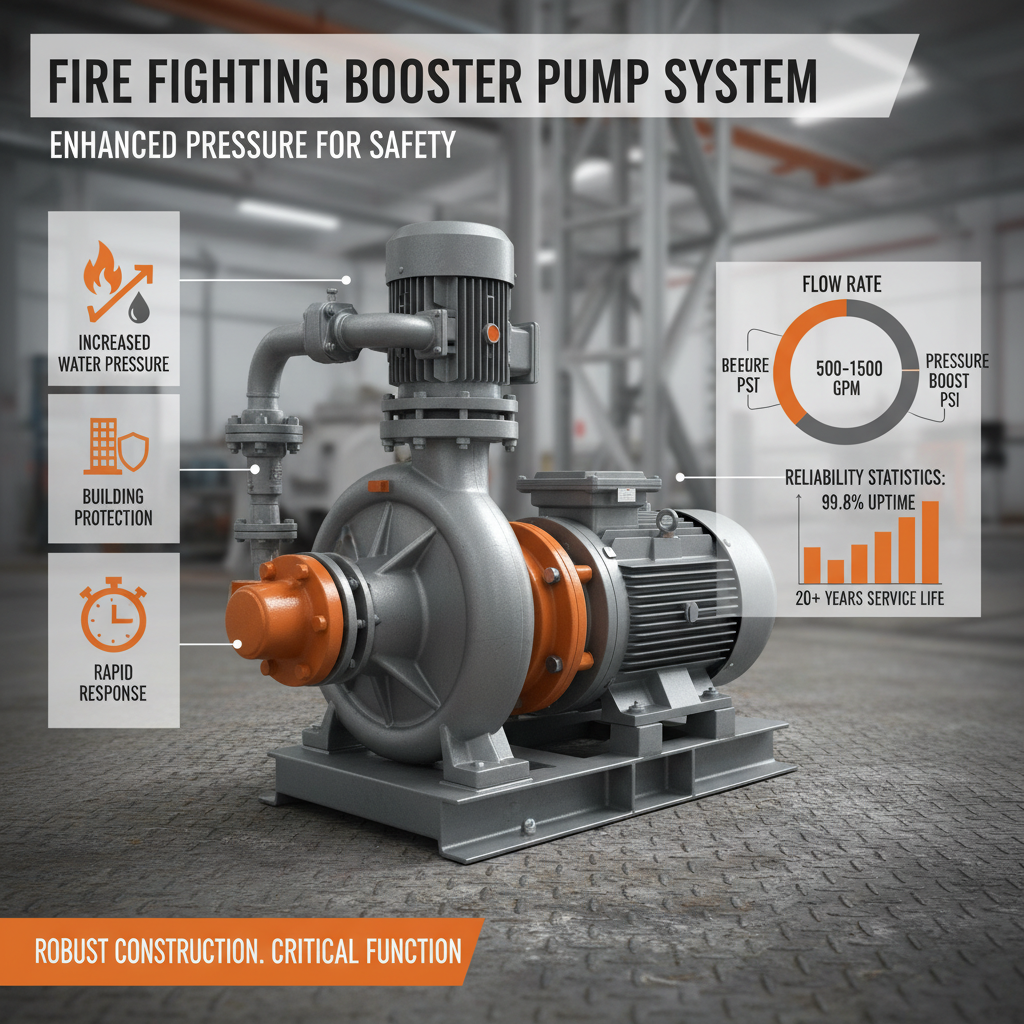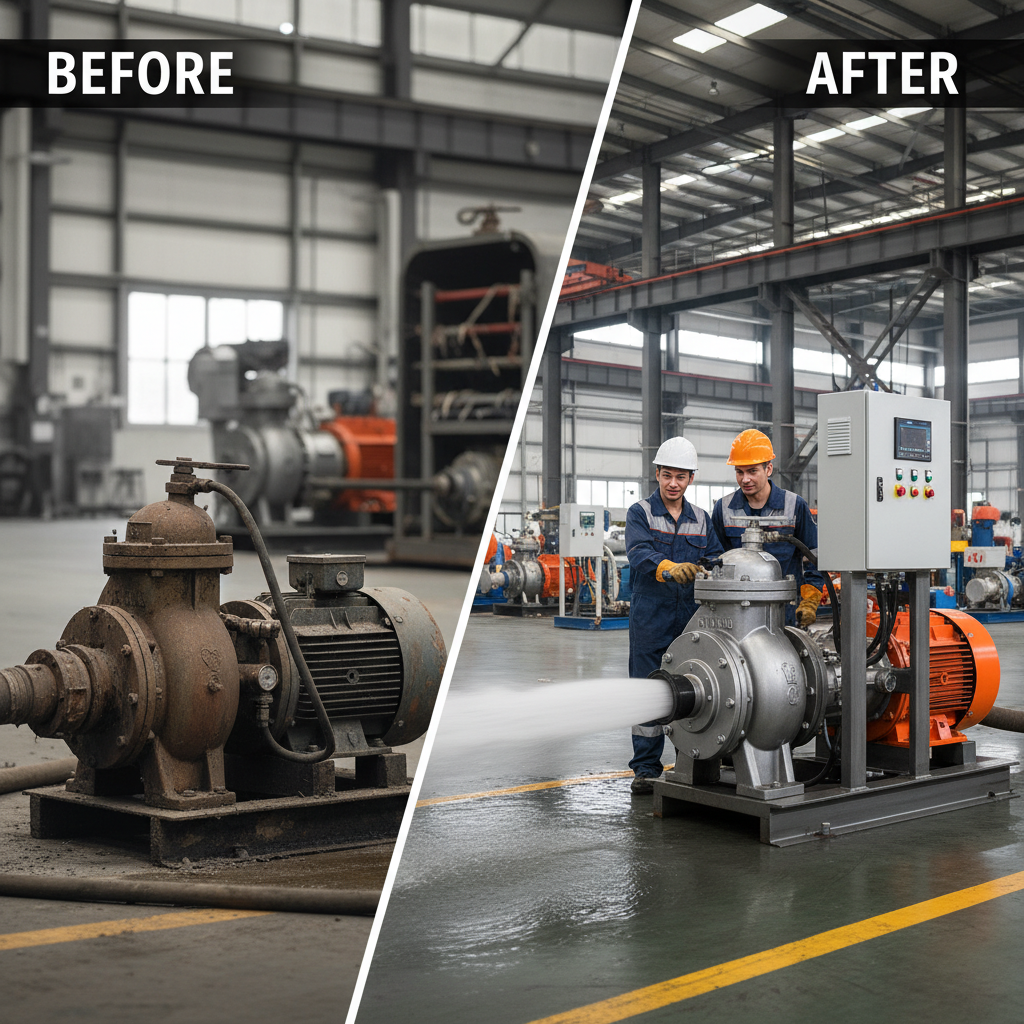


Ensuring adequate water pressure during a fire emergency is the difference between containing a blaze and suffering a total loss. A booster pump in fire fighting system serves as the critical heart of this operation, amplifying the pressure of water sources to ensure that extinguishers, sprinklers, and hydrants operate at peak efficiency regardless of the building's height or the water source's distance.
Globally, the integration of high-performance boosting technology has become a standard in urban planning and industrial safety. By mitigating the risks associated with pressure drops in complex piping networks, these systems provide first responders and automated safety mechanisms with the reliable force needed to suppress fires rapidly, saving countless lives and protecting high-value assets across various sectors.
Understanding the nuances of a booster pump in fire fighting system—from its mechanical components to its strategic placement—allows facility managers and safety engineers to build more resilient infrastructures. This guide explores the technical dimensions, global applications, and future innovations of pressure-boosting technology to ensure maximum reliability in the face of disaster.
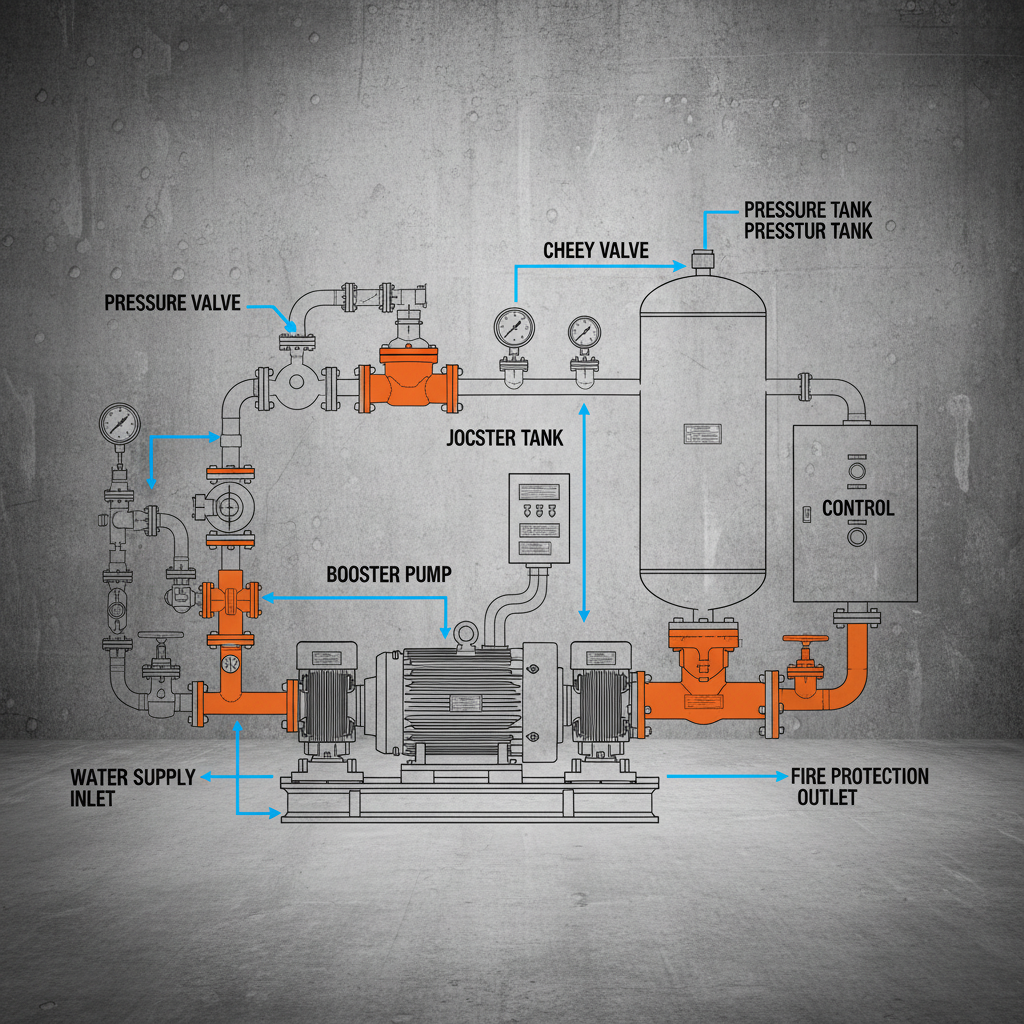
In the modern architectural landscape, the trend toward high-rise buildings and sprawling industrial complexes has created a significant hydraulic challenge: gravity. As water travels upward or across vast distances, friction and elevation cause a dramatic drop in pressure. This is where a booster pump in fire fighting system becomes indispensable, ensuring that the water reaching the top floor is just as potent as the water at the source.
According to international safety standards such as NFPA (National Fire Protection Association) and ISO guidelines, maintaining a minimum residual pressure at the most remote hydrant is non-negotiable. In regions with aging municipal water infrastructure, the reliance on these boosting systems has increased, as city mains often cannot provide the surge capacity required for large-scale fire suppression in industrial zones or dense urban cores.
At its most basic level, a booster pump in fire fighting system is a specialized mechanical device designed to increase the pressure of water being delivered from a source—such as a city main, a reservoir, or a storage tank—to the end-point of the fire protection network. Unlike standard water pumps used in residential plumbing, these are engineered for extreme reliability, high flow rates, and the ability to start instantaneously under emergency conditions.
The core purpose is to overcome "head loss," which is the energy lost as water moves through pipes, valves, and bends. By introducing a focused injection of kinetic energy, the booster pump ensures that sprinkler heads activate with the correct spray pattern and that fire hoses can project water far enough to reach the seat of a fire, effectively bridging the gap between available water and required pressure.
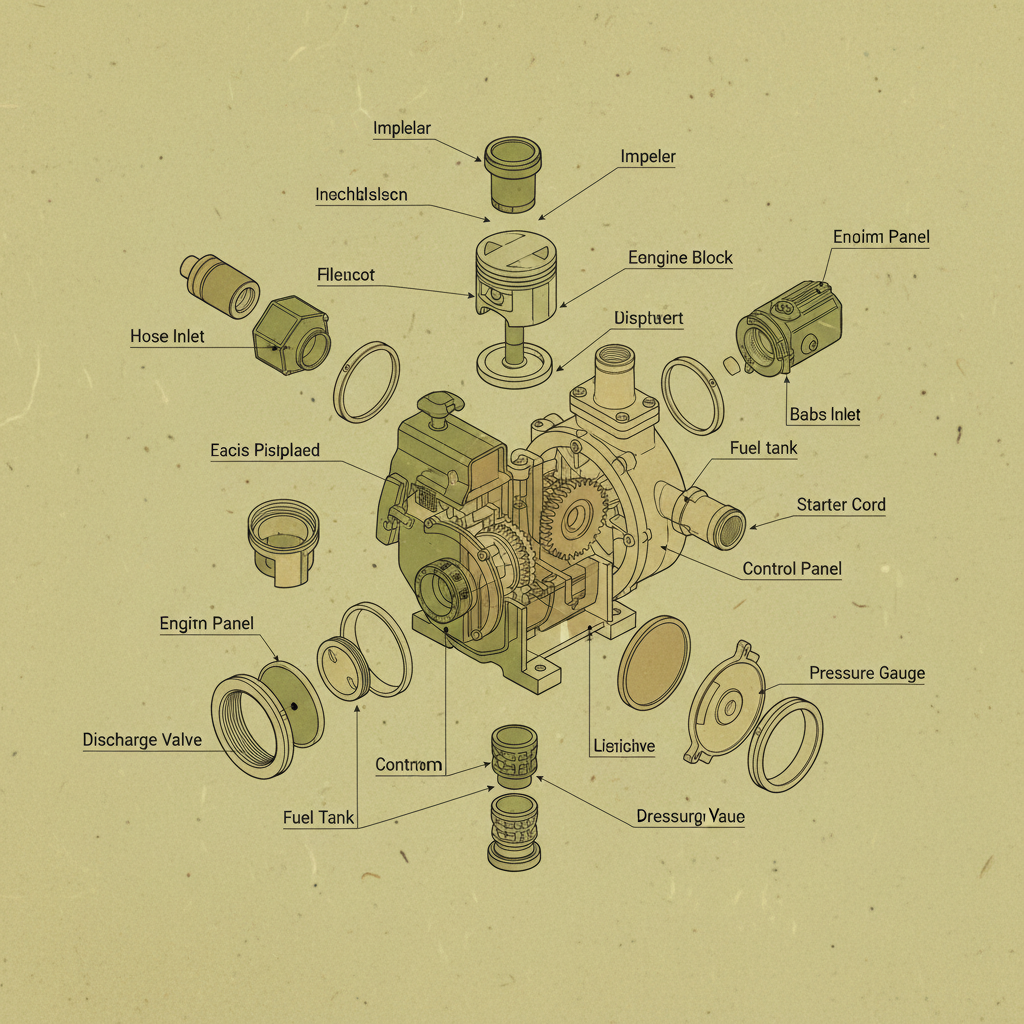
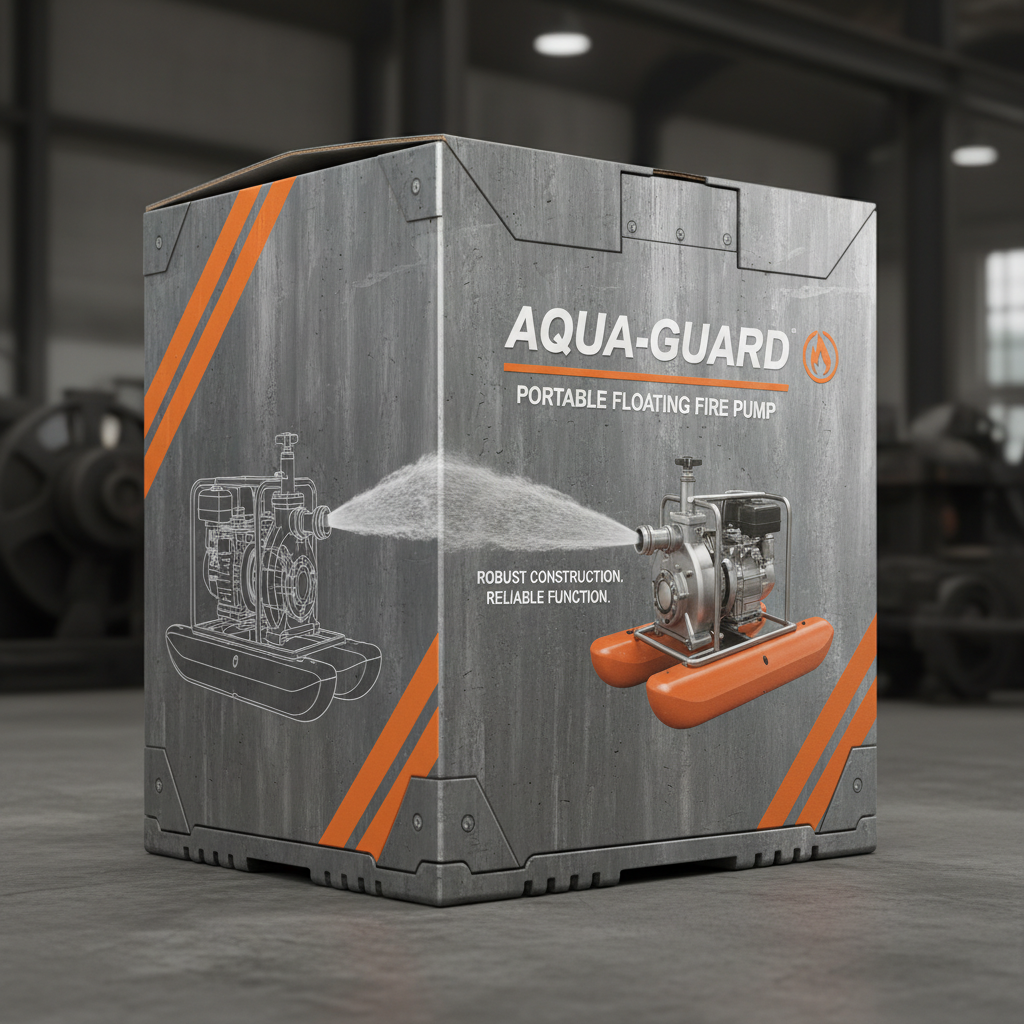
In the context of humanitarian needs and disaster management, these pumps are often integrated into portable or mobile units. This allows emergency teams to draw water from improvised sources, such as ponds or canals, and boost that water to a pressure level sufficient for fighting forest fires or urban blazes in areas where the permanent infrastructure has been destroyed.
Durability is the cornerstone of any booster pump in fire fighting system. Because these machines may sit idle for months but must perform perfectly within seconds of an alarm, they are constructed from corrosion-resistant materials like stainless steel or cast iron. This ensures that the internal components do not seize and that the pump can handle the chemically treated water often found in fire protection tanks.
Scalability and precision control are equally vital. Modern systems utilize Variable Frequency Drives (VFDs) to adjust the pump's speed based on real-time demand. If only one sprinkler head is open, the booster pump in fire fighting system operates at a low speed to prevent pipe bursts; however, if multiple zones are activated, it ramps up to full power to maintain a steady pressure gradient across the entire facility.
Cost efficiency in these systems is measured not by the initial purchase price, but by the lifecycle reliability and energy consumption during testing. A well-engineered system minimizes "water hammer" effects—pressure surges that can rupture pipes—thereby reducing long-term maintenance costs and ensuring that the safety infrastructure remains intact for decades without needing expensive overhauls.
The application of a booster pump in fire fighting system varies significantly by environment. In high-density urban areas like Tokyo or New York, booster pumps are embedded in the basement or mid-levels of skyscrapers to ensure that the upper floors meet safety codes. Without these pumps, water would simply stop ascending due to gravity, leaving the highest floors vulnerable to uncontrolled fire spread.
In remote industrial zones, such as oil refineries or mining sites in Australia or Canada, these systems are often coupled with large on-site reservoirs. Because these sites are far from municipal water lines, the booster pumps are critical for transporting water across kilometers of piping, providing a high-pressure curtain of water to isolate flammable materials and protect personnel.
The primary value of integrating a booster pump in fire fighting system is the peace of mind derived from absolute reliability. Beyond the logical benefit of meeting insurance requirements and legal codes, there is a profound emotional angle: the preservation of life. Knowing that a system will trigger and deliver high-pressure water within seconds provides a sense of security to employees in a factory or residents in an apartment complex.
From a financial perspective, these systems offer significant long-term sustainability. By optimizing water flow and reducing the need for massive, energy-intensive gravity tanks on rooftops, booster pumps reduce the structural load on buildings and lower the overall carbon footprint of the facility's safety infrastructure. This blend of innovation and trust ensures that the investment pays off not just in the event of a fire, but in daily operational efficiency.
The digital transformation of fire safety is bringing "Smart Boosting" to the forefront. We are seeing the rise of IoT-enabled booster pump in fire fighting system units that can perform self-diagnostics and send real-time health alerts to maintenance teams. Instead of relying on monthly manual tests, these systems can simulate pressure loads and detect wear and tear in the impeller or motor before a failure occurs, moving the industry from reactive to predictive maintenance.
Green energy is also making its mark. New hybrid power systems allow booster pumps to operate on high-capacity battery backups or solar-charged capacitors, ensuring that even during a total city power outage—a common occurrence during major disasters—the water pressure remains constant. This decoupling from the traditional power grid enhances the resilience of critical infrastructure.
Furthermore, the development of advanced composite materials is reducing the weight of portable boosting units. This allows firefighting teams to carry more powerful pumps into rugged terrains, such as deep forests or collapsed urban structures, without sacrificing the pressure output required to combat high-intensity fires.
One of the most common challenges in deploying a booster pump in fire fighting system is the risk of cavitation—the formation of vapor bubbles that can erode the pump impeller. This usually happens when the suction pressure is too low. Expert engineers overcome this by calculating the Net Positive Suction Head (NPSH) with extreme precision and implementing priming systems that ensure the pump is always fully lubricated with water before it hits full RPM.
Another limitation is the noise and vibration associated with high-pressure pumping, which can be disruptive in mixed-use buildings. To solve this, modern installations use vibration-dampening mounts and acoustic enclosures. These innovative approaches ensure that the system remains invisible and silent during normal operation but becomes a powerful force the moment it is needed.
Finally, the complexity of integrating new booster pumps into legacy piping systems often leads to bottlenecks. The solution lies in hydraulic modeling software, which allows engineers to simulate the entire flow of a building and determine the optimal location for the booster pump to maximize efficiency and eliminate "dead zones" where pressure might otherwise be insufficient.
| Deployment Strategy | Pressure Stability | Installation Complexity | Maintenance Load |
|---|---|---|---|
| Centralized Booster | High (8/10) | Medium | Low |
| Distributed Booster | Very High (10/10) | High | Medium |
| Mobile Emergency Units | Medium (6/10) | Low | High |
| VFD-Controlled Pumps | Precise (9/10) | Medium | Low |
| Gravity-Assisted Boost | Consistent (7/10) | High | Very Low |
| Hybrid Power Boosters | Stable (8/10) | Medium | Medium |
City water mains provide a baseline pressure, but this is often insufficient for high-rise buildings or large industrial sites due to friction loss and gravity. A booster pump in fire fighting system takes that baseline pressure and amplifies it to the specific levels required by fire codes to ensure that water reaches the highest or furthest point of your facility with enough force to actually suppress a fire.
Depending on local regulations and NFPA standards, booster pumps should typically undergo a weekly "no-flow" test and a comprehensive annual flow test. These tests ensure the motor starts correctly, the impeller is functioning, and the system can deliver the rated gallons per minute (GPM) at the required pressure without failure.
A fire booster pump is built for "extreme reliability" rather than "constant efficiency." It features specialized materials to prevent corrosion during long periods of dormancy and is designed to handle sudden, massive surges in demand. Additionally, it must integrate with fire alarm panels for automatic activation, a feature not found in standard plumbing pumps.
If improperly installed or lacking pressure relief valves, yes. However, professional installations include "jockey pumps" to maintain a steady pressure and pressure-reducing valves (PRVs) in lower zones. Modern VFD-controlled booster pumps in fire fighting systems further mitigate this risk by ramping up pressure gradually rather than creating a sudden shock.
Critical fire booster systems are required to have redundant power sources. This typically includes a dedicated emergency generator or a diesel-driven pump engine that kicks in automatically if the electrical grid fails, ensuring that the booster pump continues to provide life-saving water pressure regardless of the power state.
Yes, portable high-pressure booster units are widely used in wildland firefighting. These units allow teams to draw water from natural sources (like streams) and boost the pressure enough to push water through long stretches of hose up steep hills, making them essential for remote disaster relief operations.
In summary, the booster pump in fire fighting system is an indispensable component of modern safety engineering. By addressing the physical limitations of water transport—namely gravity and friction—these systems ensure that the critical line of defense between a building and a blaze is never compromised. From the durability of the hardware to the precision of VFD controls and the integration of IoT diagnostics, the evolution of boosting technology continues to raise the ceiling for global fire safety.
As we move toward smarter, greener cities, the significance of resilient water-pressure infrastructure only grows. Investing in high-quality boosting solutions is not merely a matter of regulatory compliance; it is a commitment to the safety and dignity of every person entering a building. For those seeking to upgrade their fire protection capabilities or implement a new system, we recommend focusing on scalability and predictive maintenance to ensure long-term reliability. Visit our website: www.ffwfiresafety.com
SUBSCRIBE NEWSLETTER
We are very interested in your company's high-quality fire protection equipment and hope to learn more about the products and discuss purchasing matters.

Hebei FeiFanWei Technology Co.,Ltd. is a comprehensive enterprise specialized in the research, production, sales and training of emergency rescue equipment.
PRODUCTS
PRODUCTS
CONTACT US
Hebei FeiFanWei Technology Co.,Ltd. is a comprehensive enterprise specialized in the research, production, sales and training of emergency rescue equipment.
Copyright © 2026 Hebei FeiFanWei Technology Co.,Ltd. All Rights Reserved. Sitemap | Privacy Policy | Top Blog | Global Service