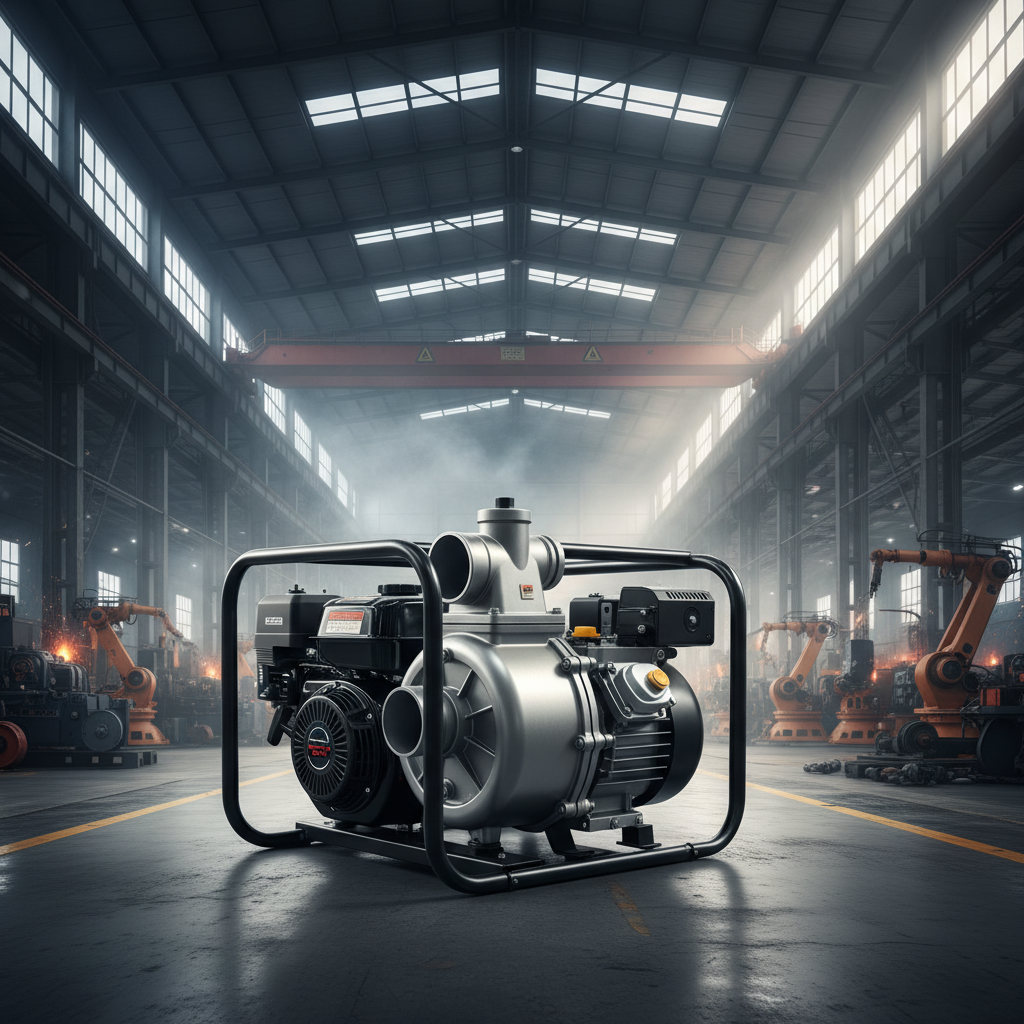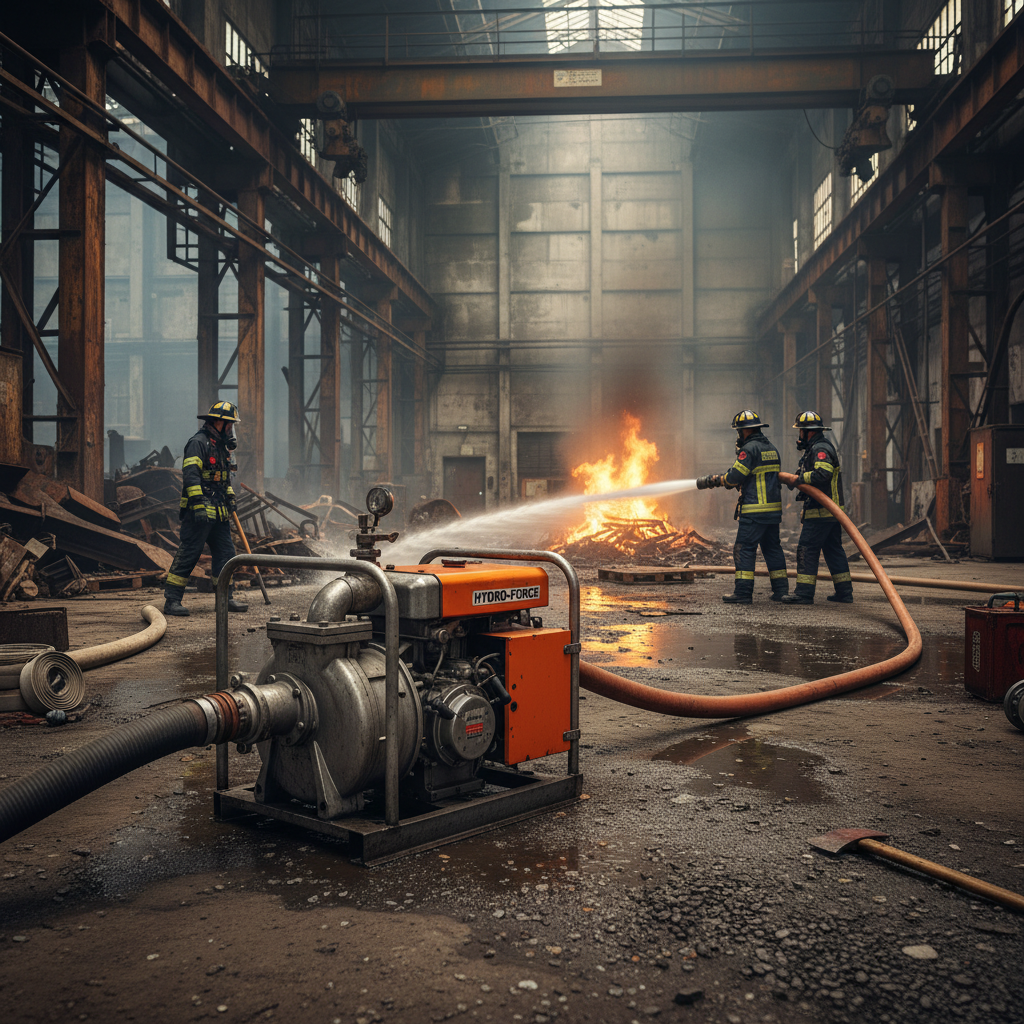




The global need for effective and rapid fire suppression is paramount, with wildfires and structural fires causing immense damage annually. A portable water pump for fire fighting represents a critical component in mitigating these risks, offering versatility and accessibility where traditional fire infrastructure is limited or unavailable. This solution isn't simply about extinguishing flames; it’s about protecting lives, property, and ecosystems.
The increasing frequency of extreme weather events, coupled with expanding urbanization and industrial activities, necessitates robust and adaptable firefighting solutions. Portable water pump for fire fighting equipment fills this gap, providing immediate response capabilities in remote locations, disaster zones, and areas with insufficient permanent fire protection. Effective deployment can drastically reduce response times and improve overall fire control.
Understanding the nuances of portable water pump technology – from pump types and flow rates to power sources and deployment strategies – is crucial for first responders, emergency management professionals, and anyone involved in fire safety. Investing in reliable equipment and proper training significantly enhances preparedness and minimizes the devastating impacts of fire incidents.
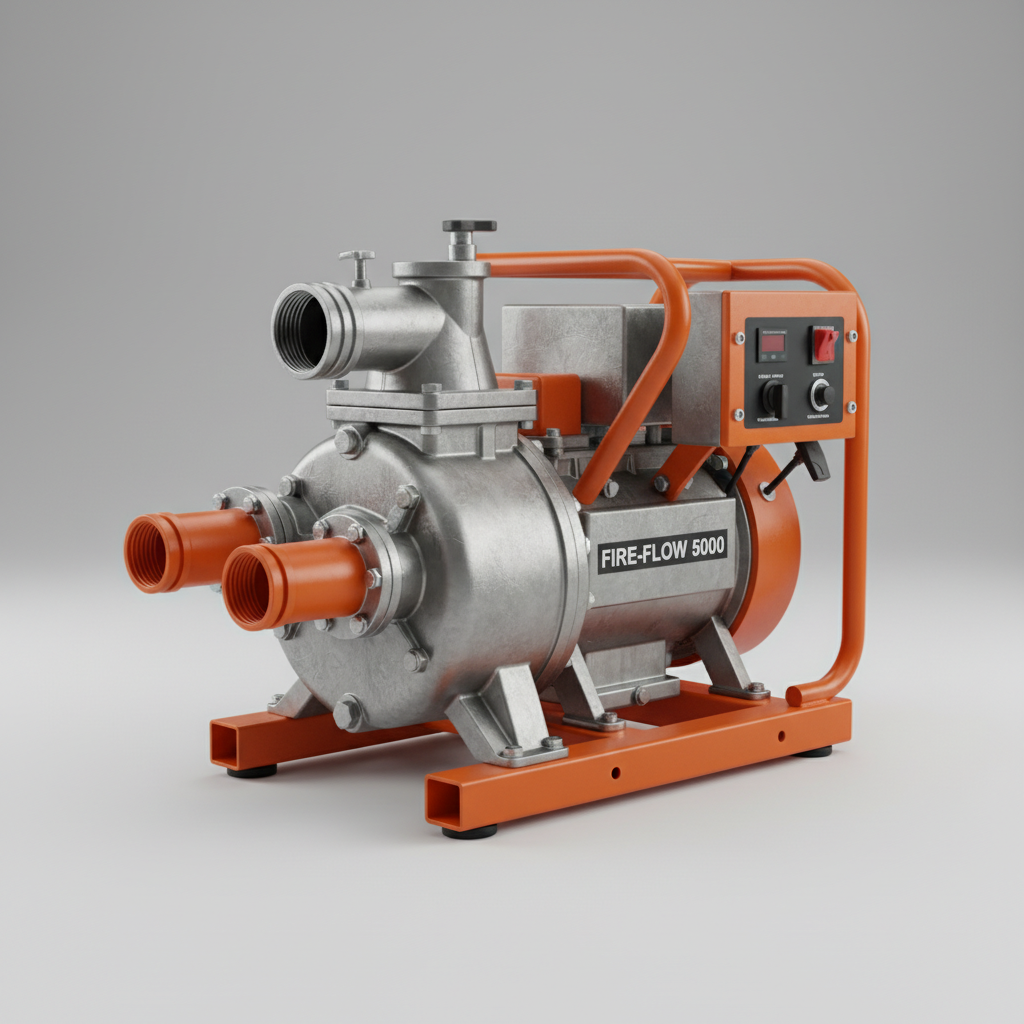
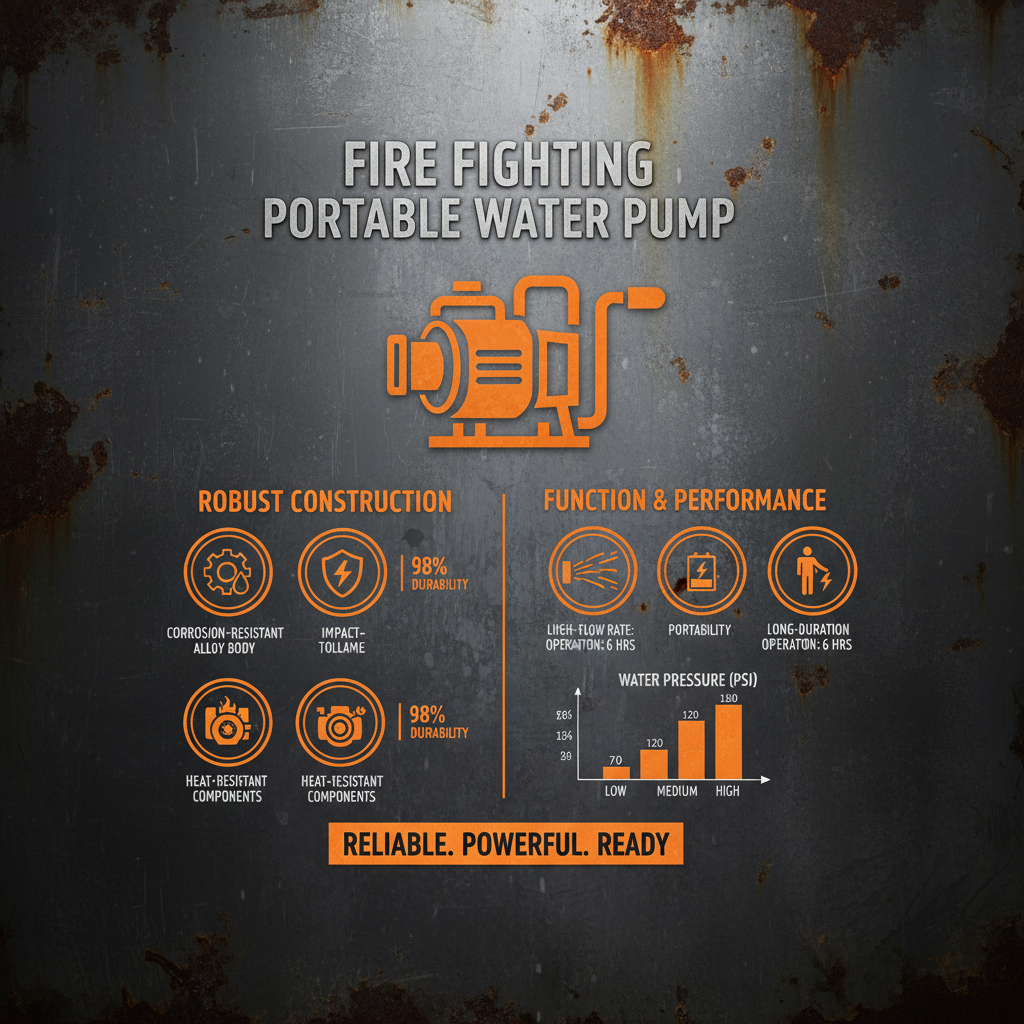
Firefighting operations often require immediate water access, which isn't always available at the incident site. A portable water pump for fire fighting bridges this gap, enabling responders to quickly establish a water supply from various sources, including rivers, lakes, ponds, and even swimming pools. This ability is particularly critical in rural and remote areas.
The portability of these pumps allows for rapid deployment and strategic positioning, enhancing the effectiveness of firefighting efforts. They are invaluable tools for initial attack, protecting exposures, and conducting mop-up operations, ultimately contributing to more successful fire control and minimizing overall damage.
The ideal flow rate depends on the specific application. Generally, a flow rate of 100-250 gallons per minute (GPM) is sufficient for many structural and wildland firefighting scenarios. Consider the nozzle requirements and the need to supply multiple appliances simultaneously. Higher flow rates are needed for larger fires or situations requiring extensive water coverage. Always consult with fire safety professionals to determine the appropriate flow rate for your needs. Ensure the pump's flow rate matches your hose diameter and expected pressure loss.
Gasoline pumps are typically lighter and more readily available, offering quicker start-up times. However, diesel pumps generally provide better fuel efficiency and longer engine life, making them suitable for prolonged operations. Diesel also has a lower risk of igniting in hazardous environments. Gasoline pumps are often preferred for quick deployment scenarios, while diesel pumps are favored for extended use and reliability in challenging conditions. Consider the logistical implications of fuel storage and availability when making your decision.
Regular maintenance is crucial for ensuring the reliable operation of a portable water pump for fire fighting. Servicing should be conducted at least annually, or more frequently if the pump is used extensively. This includes checking the engine oil, air filter, fuel filter, and impeller. Inspect hoses and connections for leaks or damage. Follow the manufacturer's recommendations for maintenance schedules and procedures. Proper maintenance will extend the pump's lifespan and minimize the risk of failure during critical incidents.
Suction lift refers to the maximum height a pump can draw water from below its intake. It’s a critical factor when sourcing water from rivers, lakes, or ponds. Insufficient suction lift means the pump won't be able to draw water, rendering it useless. Pumps are rated with a specific suction lift capacity, typically measured in feet or meters. Ensure the pump's suction lift meets or exceeds the expected water level drop at the source. Priming the pump correctly is also essential for achieving optimal suction lift.
Winterizing a portable water pump is vital to prevent damage from freezing temperatures. Drain all water from the pump casing, hoses, and impeller. Add fuel stabilizer to the gasoline tank to prevent fuel degradation. Disconnect the battery (for electric pumps) or drain the fuel tank (for gasoline pumps). Store the pump in a dry, protected environment. Following these steps will ensure the pump is ready for use when spring arrives.
Always operate a portable water pump in a well-ventilated area to avoid carbon monoxide poisoning. Wear appropriate personal protective equipment (PPE), including eye protection and hearing protection. Ensure the pump is stable and properly grounded to prevent electrical hazards. Never operate a pump with damaged hoses or connections. Be aware of potential hazards in the surrounding environment, such as uneven terrain or falling debris. Read and understand the pump’s operating manual before use.
In conclusion, the portable water pump for fire fighting remains an indispensable asset in modern fire suppression and emergency response. Its versatility, portability, and adaptability make it an ideal solution for a wide range of scenarios, from wildland fires to structural fires and humanitarian aid operations. Understanding the core components, advantages, and future trends associated with these pumps is crucial for maximizing their effectiveness and ensuring community safety.
Investing in high-quality equipment, coupled with comprehensive training programs, will empower first responders and emergency management professionals to effectively combat fires and protect lives and property. Continued innovation in pump technology, driven by sustainability and efficiency concerns, will further enhance their capabilities and solidify their role as a critical component of comprehensive fire safety strategies. Visit our website at www.ffwfiresafety.com to learn more about our range of portable water pumps and fire safety solutions.

SUBSCRIBE NEWSLETTER
We are very interested in your company's high-quality fire protection equipment and hope to learn more about the products and discuss purchasing matters.

Hebei FeiFanWei Technology Co.,Ltd. is a comprehensive enterprise specialized in the research, production, sales and training of emergency rescue equipment.


PRODUCTS
PRODUCTS
QUICK LINKS
CONTACT US
Hebei FeiFanWei Technology Co.,Ltd. is a comprehensive enterprise specialized in the research, production, sales and training of emergency rescue equipment.
Copyright © 2026 Hebei FeiFanWei Technology Co.,Ltd. All Rights Reserved. Sitemap | Privacy Policy | Top Blog | Global Service