

The global need for effective fire suppression systems is paramount, particularly with increasing urbanization and climate-related wildfires. A booster pump for fire fighting plays a critical role in enhancing water pressure for fire hoses and sprinkler systems, ensuring rapid and efficient response to fire emergencies. This technology is essential not only for safeguarding lives and property but also for protecting critical infrastructure and natural resources.
In the manufacturing landscape, specialized equipment for fire safety is a crucial segment. A reliable booster pump for fire fighting directly impacts the effectiveness of fire protection systems in industrial facilities, high-rise buildings, and public spaces. The demand for these pumps is driven by increasingly stringent fire safety regulations and a growing awareness of the importance of preventative measures.
Understanding the intricacies of booster pump for fire fighting technology is vital for fire safety professionals, building owners, and emergency responders. Selecting the right pump, ensuring proper installation, and conducting regular maintenance are all critical factors in guaranteeing optimal performance during a fire incident. Investing in quality booster pump systems translates directly into enhanced safety and reduced risk.
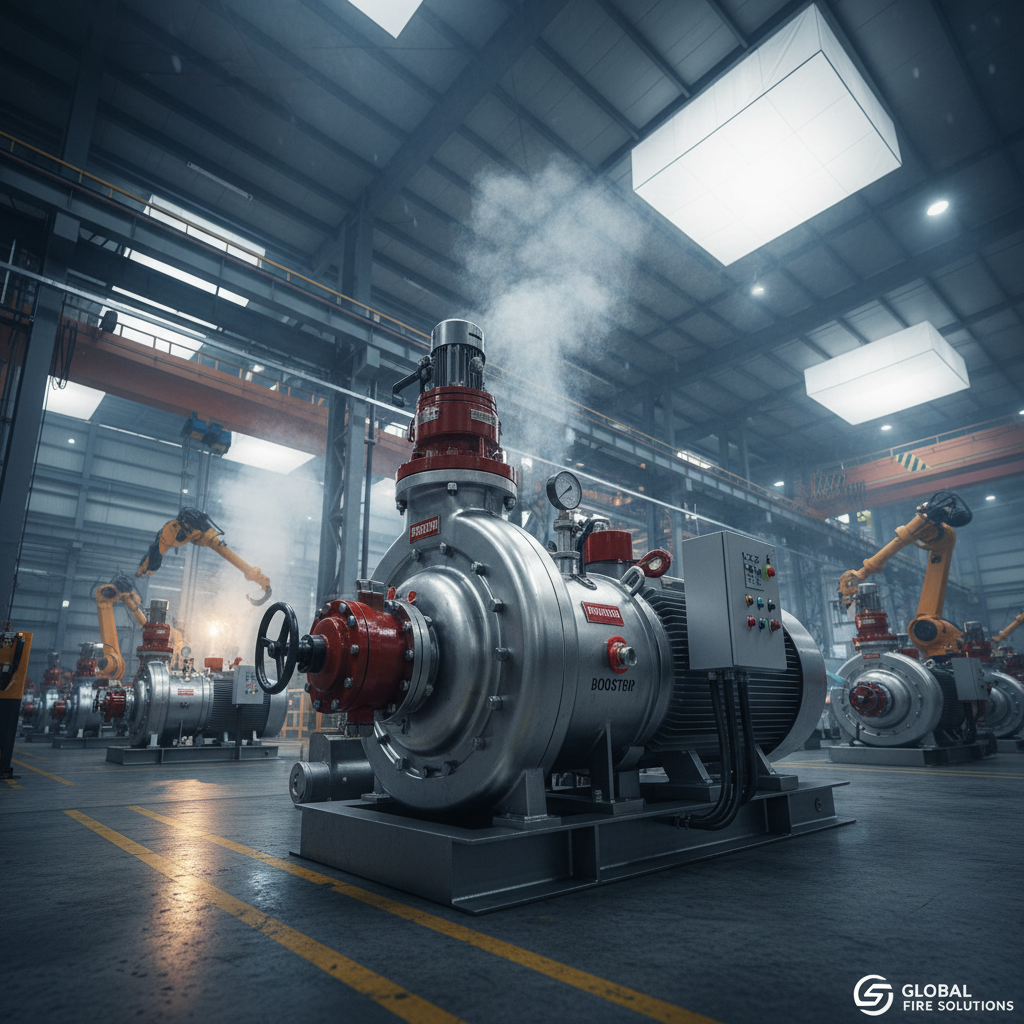
A booster pump for fire fighting is indispensable for maintaining adequate water pressure throughout a fire protection system, especially in tall buildings or large facilities. Without sufficient pressure, firefighters struggle to effectively combat blazes, jeopardizing lives and property. These pumps ensure that water reaches the highest floors and furthest reaches of a building, delivering the necessary force to suppress fires quickly.
Beyond building protection, booster pumps are vital for municipal fire departments. They can be deployed to supplement water supply in areas with limited water pressure or to increase flow rates during large-scale incidents. A strategically positioned booster pump for fire fighting can dramatically improve a department's ability to contain and extinguish fires, particularly in rural or remote locations.
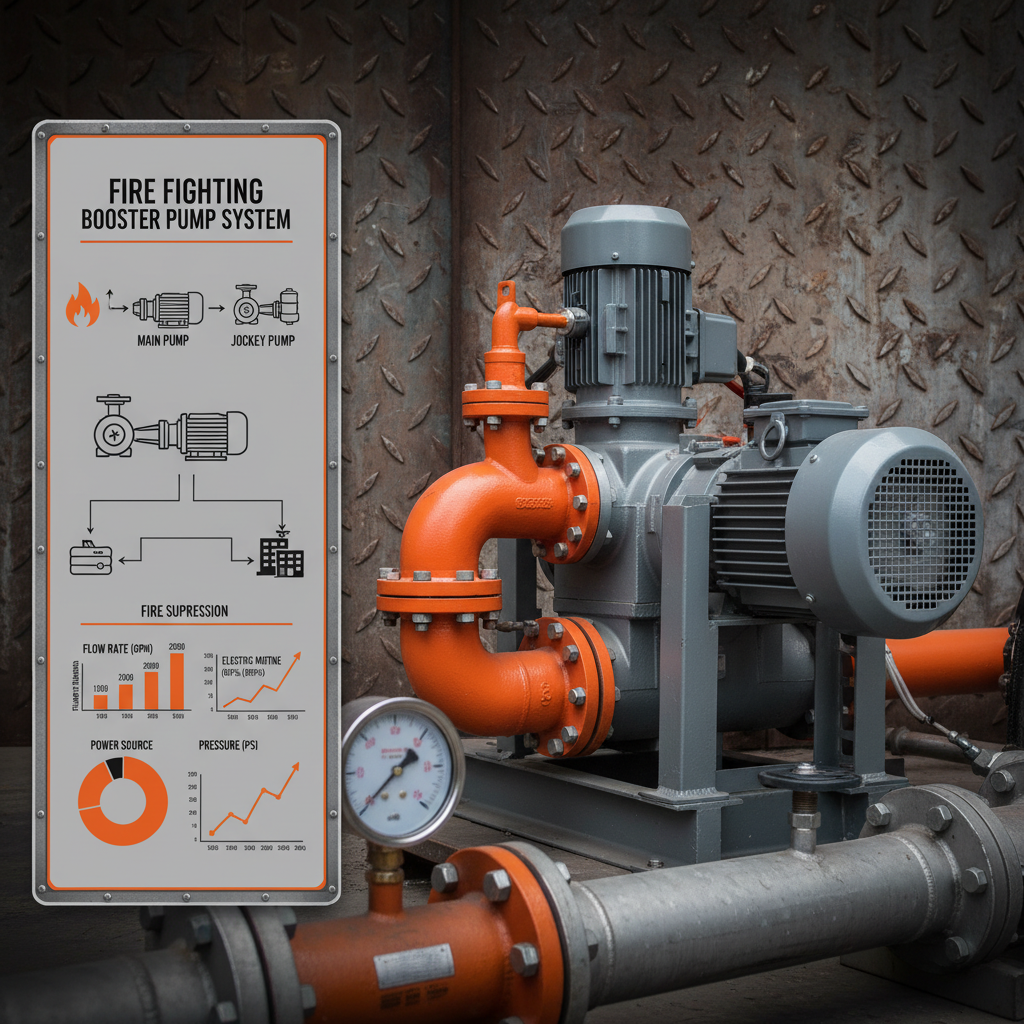
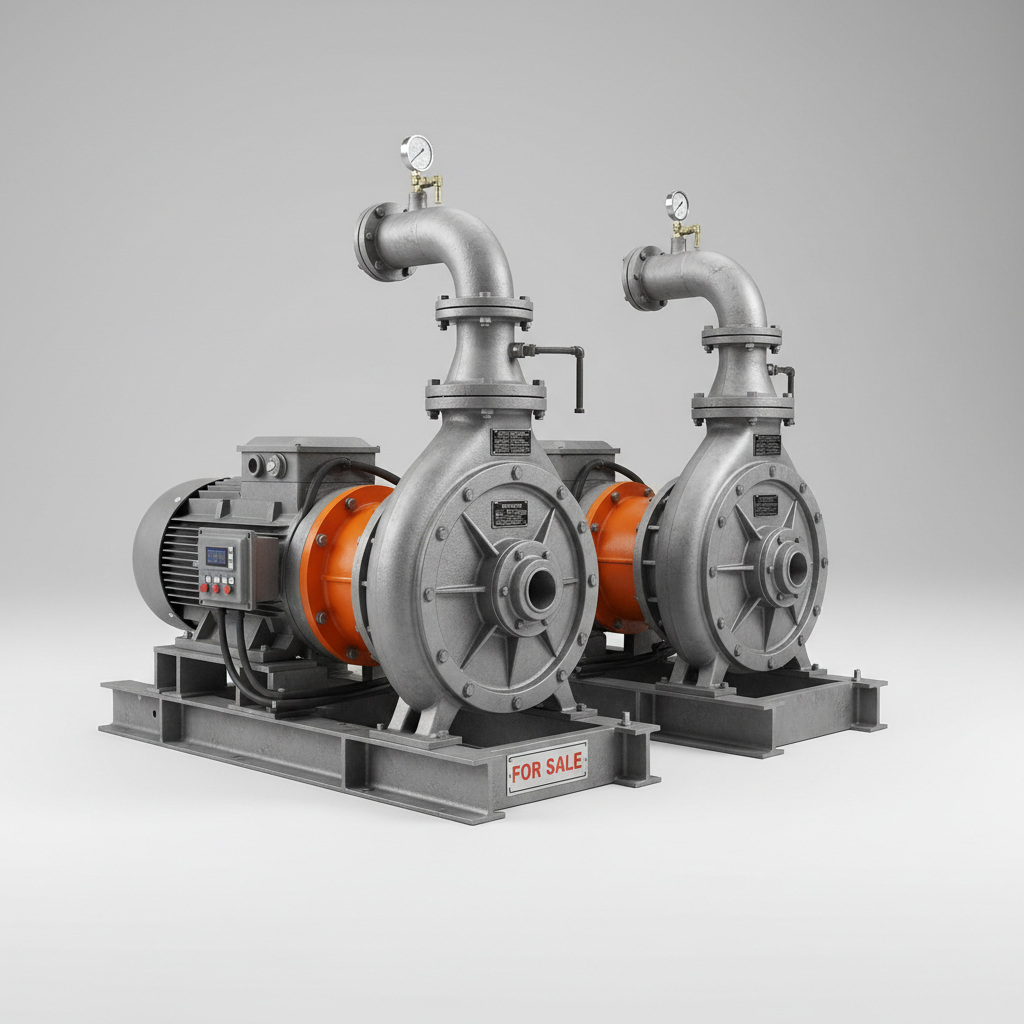
A booster pump for fire fighting is a specialized pump designed to increase the water pressure in a fire sprinkler system or standpipe network. Unlike standard water pumps, these are specifically engineered to meet the rigorous demands of fire protection, adhering to standards set by organizations like the National Fire Protection Association (NFPA). They are typically installed between the water supply and the fire suppression system.
The core function is to provide consistent and reliable pressure, compensating for pressure losses due to friction in pipes and elevation differences. This ensures that firefighters and sprinkler systems have the necessary water volume and pressure to effectively control and extinguish fires, regardless of the building’s height or complexity.
The connection between a booster pump for fire fighting and modern industry is deeply intertwined with building codes and life safety. As buildings grow taller and more complex, the demand for robust fire protection systems – and the booster pumps that power them – continues to increase. This demand drives innovation and the development of more efficient and reliable pumping technologies.
Several critical factors determine the optimal performance of a booster pump for fire fighting system. Firstly, pump capacity – measured in gallons per minute (GPM) – must be appropriately sized to meet the maximum fire flow demands of the protected building. Undersized pumps will struggle to deliver sufficient water pressure, while oversized pumps can be inefficient and costly to operate.
Secondly, pump head – the height to which the pump can lift water – is crucial, especially in high-rise buildings. Accurate head calculations must account for elevation differences, friction losses in piping, and the pressure requirements of sprinkler heads. A properly calculated head ensures consistent pressure delivery across all levels of the building.
Thirdly, the reliability of the pump's control system is essential. Modern booster pumps often utilize sophisticated controllers that automatically start and stop the pump based on pressure demand, monitor pump performance, and provide alarms in case of malfunctions. This ensures a rapid and reliable response during a fire event.
The application of booster pump for fire fighting systems is global, spanning a diverse range of environments and industries. In urban centers, these pumps are standard equipment in high-rise buildings, shopping malls, and industrial complexes, protecting millions of people and billions of dollars in assets.
In remote industrial zones, such as oil refineries or mining operations, where water supply may be limited, booster pump for fire fighting are crucial for maintaining fire protection capabilities. They can be integrated with water tanks or reservoirs to ensure a consistent and reliable water supply, even in the absence of municipal water systems.
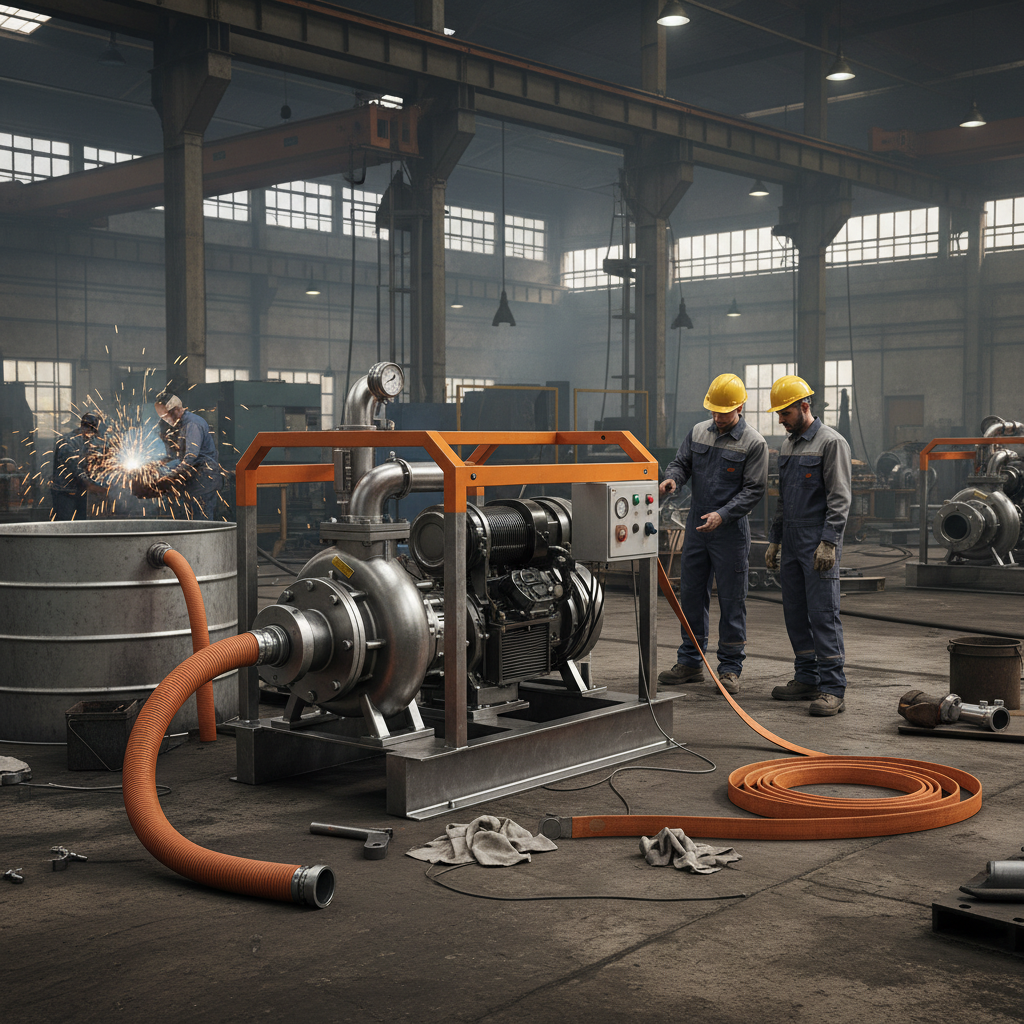
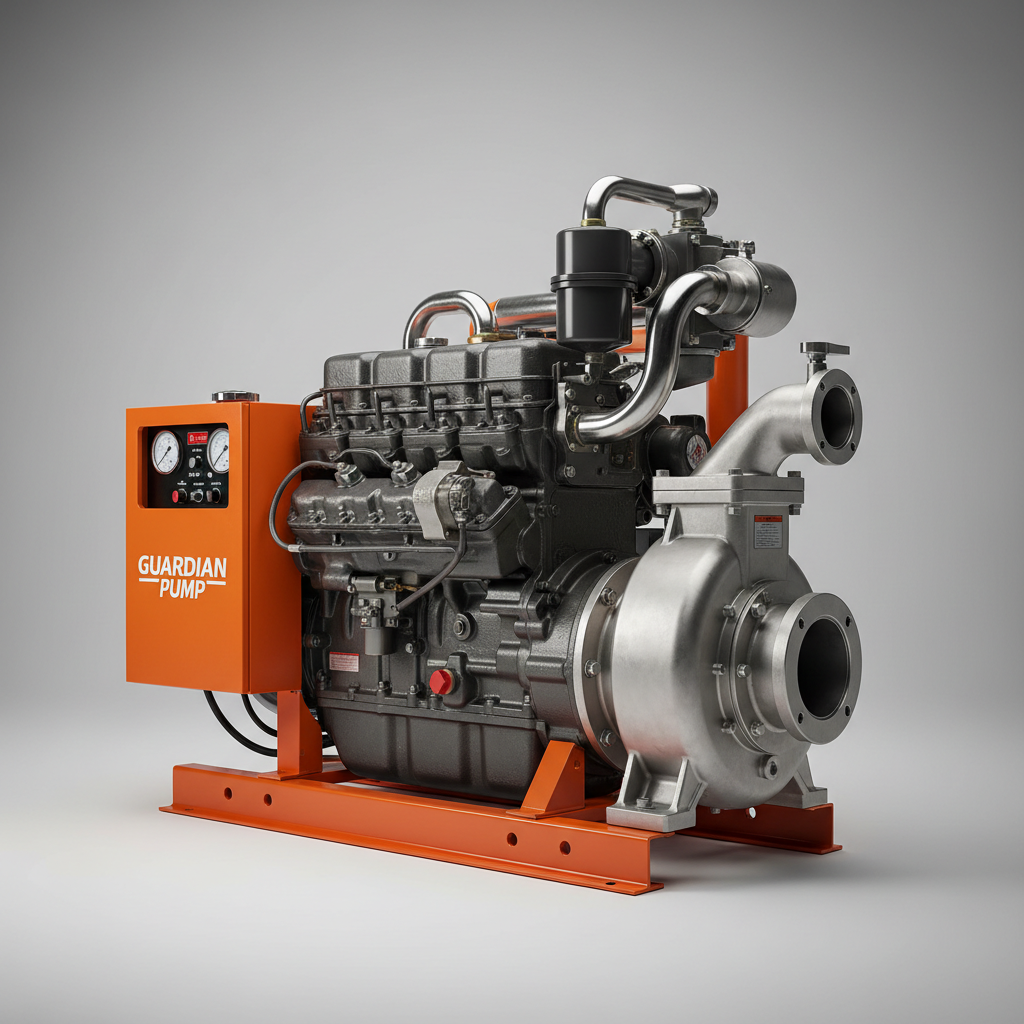
In post-disaster relief operations, portable booster pump for fire fighting can be rapidly deployed to provide water pressure for firefighting efforts in areas where infrastructure has been damaged or destroyed. These pumps can be powered by generators or other portable power sources, offering a vital lifeline during emergencies.
Investing in a high-quality booster pump for fire fighting system offers numerous tangible benefits, including reduced insurance premiums, minimized property damage in the event of a fire, and improved occupant safety. The cost of a booster pump is often a small fraction of the potential losses that could be prevented.
From a sustainability perspective, efficient booster pumps can reduce energy consumption and water waste. Modern pumps are designed to operate at optimal efficiency, minimizing energy costs and environmental impact. Furthermore, reliable fire protection systems contribute to the long-term preservation of assets and infrastructure, reducing the need for costly repairs or replacements.
The future of booster pump for fire fighting technology is focused on increased efficiency, intelligent controls, and remote monitoring capabilities. Variable frequency drives (VFDs) are becoming increasingly common, allowing pumps to adjust their speed and flow rate based on demand, further reducing energy consumption.
Integration with building automation systems (BAS) is another key trend, enabling remote monitoring of pump performance, automated diagnostics, and predictive maintenance. This allows facility managers to proactively address potential issues before they lead to system failures, ensuring continuous fire protection.
One of the primary challenges in implementing booster pump for fire fighting systems is ensuring proper sizing and selection for specific building requirements. Incorrectly sized pumps can lead to insufficient pressure or inefficient operation. Solution: Conduct thorough hydraulic calculations and consult with experienced fire protection engineers.
Another challenge is maintaining system reliability and preventing corrosion or scaling in the pump and piping. Solution: Implement a regular maintenance program that includes flushing, inspection, and replacement of worn components. Utilize corrosion-resistant materials and water treatment systems.
| Challenge | Impact on Fire Protection | Potential Solution | Implementation Cost (Estimate) |
|---|---|---|---|
| Incorrect Pump Sizing | Insufficient pressure, reduced firefighting effectiveness. | Hydraulic calculations, expert consultation. | $500 - $2,000 |
| Corrosion/Scaling | Reduced pump efficiency, potential failures. | Regular maintenance, corrosion-resistant materials. | $200 - $1,000/year |
| Control System Malfunctions | Delayed pump startup, unreliable operation. | Redundancy, preventative maintenance, software updates. | $300 - $1,500 |
| Power Supply Interruptions | Pump shutdown, loss of fire protection. | Backup power generator, UPS system. | $5,000 - $20,000 |
| Lack of Regular Inspections | Undetected issues, increased risk of failure. | Scheduled inspections, documented maintenance records. | $100 - $500/year |
| Inadequate Staff Training | Incorrect operation, delayed response times. | Comprehensive training programs, certifications. | $200 - $1,000/person |
The lifespan of a booster pump for fire fighting typically ranges from 15 to 25 years, depending on the quality of the pump, the frequency of use, and the effectiveness of the maintenance program. Regular inspections, proper lubrication, and timely replacement of worn parts are crucial for maximizing the pump's lifespan and ensuring its continued reliability. Choosing a pump from a reputable manufacturer is also a key factor.
NFPA standards recommend conducting comprehensive inspections of your booster pump for fire fighting system at least annually, and more frequently if the system is subject to heavy use or harsh environmental conditions. Inspections should include checks of the pump's motor, seals, pressure gauges, and control panel. It's best to use qualified fire protection professionals for these inspections.
Key considerations include the required flow rate and pressure, the type of fire protection system (sprinkler, standpipe), the building's height and layout, and any applicable local codes and regulations. It’s also important to choose a pump that is compatible with the water supply and the piping materials. Proper sizing and selection are critical for optimal performance.
Yes, a booster pump for fire fighting can typically be retrofitted into an existing building, but it requires careful planning and assessment. A qualified fire protection engineer should evaluate the existing fire protection system, the building's water supply, and the available space to determine the feasibility of the retrofit and ensure that it meets all applicable codes and standards.
Regular maintenance includes lubricating bearings, checking seals for leaks, inspecting electrical connections, testing pressure gauges, and flushing the pump and piping to remove debris. It’s also important to keep detailed maintenance records and to address any issues promptly. Following the manufacturer’s recommendations is crucial for preventing failures.
Always disconnect power to the pump before performing any maintenance or repairs. Wear appropriate personal protective equipment (PPE), such as gloves and safety glasses. Follow all lockout/tagout procedures. Be aware of the potential for high pressure and hot surfaces. Only qualified personnel should work on these systems.
In conclusion, a booster pump for fire fighting is a critical component of any comprehensive fire protection strategy. Its ability to deliver consistent and reliable water pressure is essential for effectively suppressing fires, protecting lives, and safeguarding property. Understanding the key factors influencing pump performance, embracing emerging technologies, and prioritizing regular maintenance are all vital for ensuring long-term reliability and value.
Looking ahead, the demand for advanced booster pump for fire fighting systems will continue to grow, driven by increasing urbanization, stricter fire safety regulations, and a greater emphasis on sustainability. Investing in these technologies is not merely a matter of compliance but a proactive step towards creating safer and more resilient communities. Visit our website at www.ffwfiresafety.com to learn more.

SUBSCRIBE NEWSLETTER
We are very interested in your company's high-quality fire protection equipment and hope to learn more about the products and discuss purchasing matters.

Hebei FeiFanWei Technology Co.,Ltd. is a comprehensive enterprise specialized in the research, production, sales and training of emergency rescue equipment.
PRODUCTS
PRODUCTS
CONTACT US
Hebei FeiFanWei Technology Co.,Ltd. is a comprehensive enterprise specialized in the research, production, sales and training of emergency rescue equipment.
Copyright © 2026 Hebei FeiFanWei Technology Co.,Ltd. All Rights Reserved. Sitemap | Privacy Policy | Top Blog | Global Service