








Understanding Diesel Pump Fire: A Vital Safety Concern in Industry and Beyond
When we talk about diesel pump fire, it might not be the daily headline, but honestly, it’s a critical topic for many industries worldwide. This issue isn’t only about machines catching fire — it’s about human safety, environmental risk, and large-scale economic impact. As global infrastructure ages and energy demands evolve, diesel-powered pumps remain essential tools in everything from firefighting to disaster relief. So, getting a grip on what a diesel pump fire means helps companies, first responders, and regulators to better prepare and prevent dangerous incidents. Let’s unfold what this risk really entails and why it matters across borders.
Introduction: Why Diesel Pump Fire Is a Global Safety Challenge
Diesel pumps power a lot more than just engines; they keep water flowing in firefighting setups, ensure fuel supply in remote areas, and run crucial industrial processes. The United Nations, through its disaster risk reduction frameworks, highlights fire hazards near fuel storage and equipment as a persistent global threat. In fact, International Standards Organization (ISO) investigations show that mechanical failure or improper maintenance in diesel pumps often sparks fires that can escalate quickly, especially in densely industrialized zones.
Oddly enough, despite the importance, many industries still underestimate the potential ignition sources inside diesel pumping equipment. This leads to unnecessary accidents causing costly damages and even loss of life. Frankly, ensuring better understanding and safety measures against diesel pump fire is no longer just a recommendation — it’s a necessity.
What Exactly Is Diesel Pump Fire?
Simply put, a diesel pump fire occurs when a diesel-powered pumping unit — used for transferring fluids such as water or fuel — experiences an ignition event that causes flames or combustion. These pumps often operate under tough conditions, where heat, fuel leaks, or electrical faults can spark flare-ups. It’s connected tightly to many modern industries, including oil and gas, firefighting, agriculture, and construction.
On the humanitarian side, diesel pumps are vital in emergency water supply and firefighting efforts, particularly where electric power isn’t reliable. So understanding these fires also supports better preparedness in disaster zones and remote communities, an aspect often overlooked.
Core Components and Key Factors of Diesel Pump Fire Safety
1. Durability and Material Quality
Many engineers stress that building diesel pumps with heat-resistant materials and robust casing significantly reduces fire risk. Components that can withstand high temperatures or corrosive fluids prevent early failure that could lead to leaks or sparks.
2. Proper Maintenance and Inspection
Routine checks for fuel line integrity, electrical connections, and proper ventilation help nip fire hazards in the bud. The harsh truth is many diesel pump fires happen due to neglect or deferred maintenance.
3. Leak Detection and Containment
Fuel leaks inside or around pumps provide the essential fuel source for fire. Giliting sensors or containment dikes are practical measures that industries implement to curb this risk.
4. Scalability and Application Environment
The environment where the pump operates — say, dusty desert sites versus wet confined basements — demands tailored safety solutions. Scalability here means adapting fire prevention systems as pumps move from small to large-scale uses.
5. Cost Efficiency Balanced with Safety
Often, budget concerns push companies toward cheaper models or deferred upgrades. But wise investment in fire-resistant diesel pumps often pays off in fewer disruptions and safer sites — a classic “penny wise, pound foolish” dynamic.
Mini Takeaway:
Durability, maintenance, leak control, and application-specific safety measures create the foundation for diesel pump fire prevention — all interlocked and equally vital.
Global Applications & Use Cases of Diesel Pump Fire Awareness
Funny as it sounds, the risk (and mitigation!) of diesel pump fire spans industries and regions. In post-disaster relief operations — think flood aftermaths in Southeast Asia — diesel pumps supply water to firefighting teams where power grids are down. Industrial zones in the Middle East rely heavily on diesel pumps for fuel transfer, where any fire could escalate catastrophically.
Also, mining companies in Australia employ diesel-powered water pumps underground, often with high fire hazard demands. Here, strict ISO and local fire safety standards lead to innovations in pump design and monitoring. Governments and NGOs in Africa turn to robust diesel pump systems to sustain fire safety in rural clinics or schools.
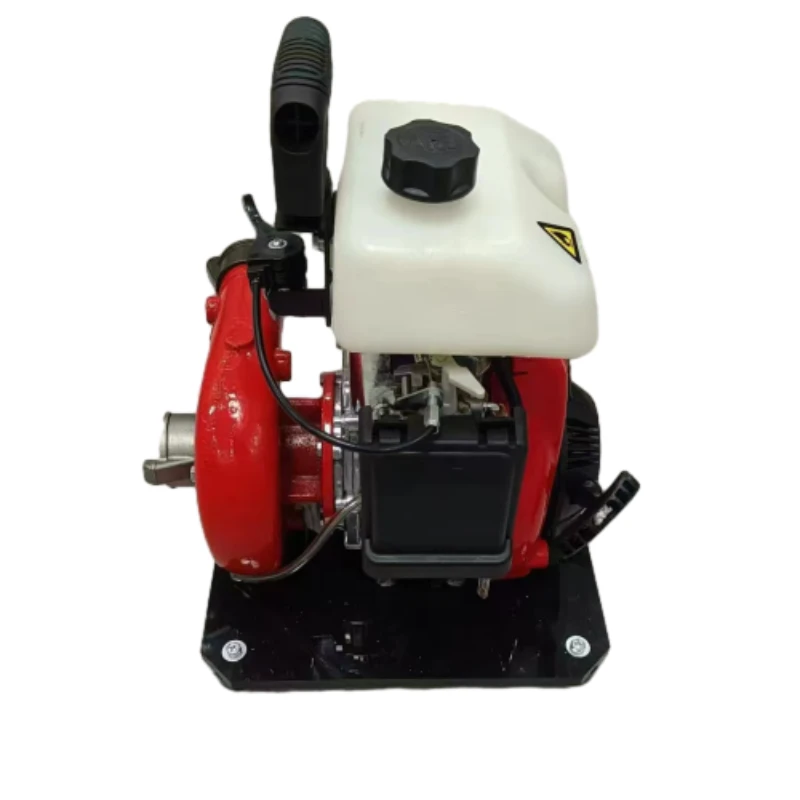
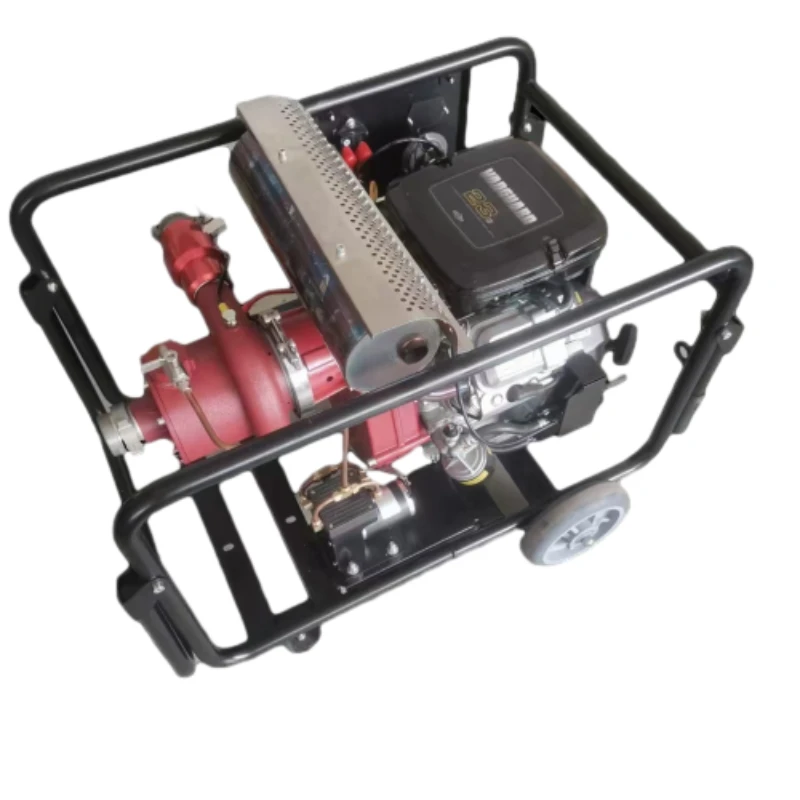
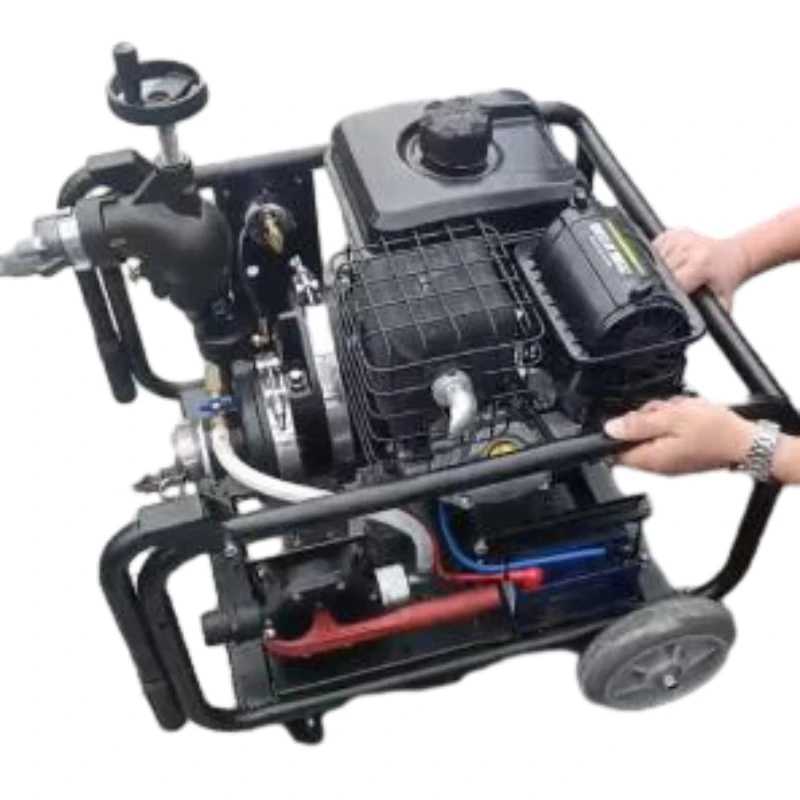
Product Specifications for a Typical Fire-Resistant Diesel Pump
| Specification | Details |
|---|---|
| Power Source | Diesel engine with fire-retardant casing |
| Max Flow Rate | 250 L/min (liters per minute) |
| Operating Temperature Range | -20°C to 60°C |
| Fire Suppression System | Integrated automatic foam extinguisher |
| Leak Detection | Sensor-based alert with local alarm |
| Weight | 180 kg |
Comparing Top Diesel Pump Fire Safety Vendors
| Vendor | Fire Safety Features | Warranty | Typical Delivery Time |
|---|---|---|---|
| FireGuard Pumps | Automatic foam system, thermal sensors | 3 years | 4 weeks |
| SafeFlow Solutions | Double-walled fuel lines, leak alert | 5 years | 6 weeks |
| EcoPump Technologies | Eco-friendly diesel blend compatible | 2 years | 3 weeks |
Advantages & Long-Term Value of Managing Diesel Pump Fire Risk
Securing diesel pumps against fire doesn’t just reduce direct financial losses — it builds trust with clients and workers alike. Reliability on-site fosters safety and dignity, important for companies and communities depending on these systems. Tangibly, fire-resistant pumps cut downtime and environmental contamination from burning fuel spills. The social impact feels just as crucial: knowledge about diesel pump fire safety can save lives and reduce anxiety in volatile settings.
Plus, many insurers now offer better premiums to facilities with strong proactive fire protection. For me, that’s a clear sign that safety and innovation align financially as well.
Future Trends & Innovations in Diesel Pump Fire Safety
Looking ahead, ISO standards are evolving to encompass stricter fire resistance and environmental compatibility. Automation plays a big role too — smart diesel pumps with IoT-enabled sensors can predict fire risks before they happen by monitoring fuel leaks or excessive heat in real-time.
Green energy alternatives (e.g., bio-diesel or hybrid diesel-electric pumps) offer promise in reducing flammable fuel volumes on-site. Manufacturers increasingly integrate advanced fire suppression technologies, like inert gas systems, which reduce oxygen instantly without damaging equipment.
Challenges & Expert Solutions for Diesel Pump Fire
Of course, challenges remain. Companies sometimes struggle with retrofitting older pumps while maintaining operational capacity. Also, harsh environmental conditions can degrade safety elements fast. The key is systematic risk assessment combined with investing in quality materials and staff training.
Experts recommend embracing modular upgrade kits that can add fire suppression or sensor tech without full equipment replacement. Additionally, better regulatory enforcement and cross-sector cooperation help raise baseline safety.
FAQ: Frequently Asked Questions About Diesel Pump Fire
- Q: What are the primary causes of diesel pump fire incidents?
A: Most incidents stem from fuel leaks, overheating diesel engines, or electrical malfunctions. Ensuring tight seals, proper ventilation, and routine inspections helps mitigate these risks. - Q: How can industries quickly respond to a diesel pump fire?
A: Immediate shutdown of fuel supply, activation of onboard fire suppression, and alerting emergency teams are crucial first steps to prevent escalation. - Q: Are diesel pumps with fire suppression systems expensive?
A: They can be pricier upfront, but reduced downtime, lower insurance costs, and avoided damages often result in long-term savings. - Q: Can diesel pumps be used safely indoors?
A: Yes, if proper ventilation, leak detectors, and fireproof enclosures are in place according to safety regulations. - Q: How can I find certified diesel pump fire safety vendors?
A: Look for vendors who comply with ISO fire safety standards and provide detailed warranty and maintenance support.
Conclusion: Safety First with Diesel Pump Fire Awareness
Addressing diesel pump fire risk goes beyond compliance. It’s about protecting environments, workers, and communities — a responsibility all industries share. Seen through a wider lens, investing in fire-safe diesel pumps pays dividends in trust, sustainability, and operational resilience.
For anyone serious about safety, I highly recommend visiting our website for expert advice and product offerings tailored to real-world conditions. Prevention, after all, beats cure.
Final thought: While diesel pump fires might seem rare, the right knowledge and tools make all the difference — a little preparation can prevent disaster.






 English
  Arabic
  Bengali
  China
China  French
  German
  Hausa
Hausa  Indonesian
  Italian
  Japanese
  Javanese
  Malay
Malay  Persian
  Portuguese
  Punjabi
  Russian
  Spanish
  Swahili
  Telugu
  Vietnamese