








Understanding the Diesel Powered Fire Pump: Essential Insights and Global Impact
When you hear "diesel powered fire pump," what comes to mind? If you’re picturing a rugged, dependable machine that can push thousands of gallons of water per minute in emergencies, you’re on the right track. These pumps aren’t just industrial curiosities—they’re lifesavers in many parts of the world. With fires threatening lives, property, and precious infrastructure globally, understanding how these machines work and why they matter—well, it’s pretty crucial.
Introduction: The Rising Need for Diesel Powered Fire Pumps Worldwide
Fire safety is a universal concern. According to the International Organization for Standardization (ISO), industries and cities alike face an escalating number of fire incidents, especially with rising urbanization. The United Nations highlights that fire emergencies cause significant fatalities and economic loss annually. Diesel powered fire pumps, thanks to their autonomy and efficiency, address a huge challenge: reliable firefighting where electricity might fail or be unavailable.
In remote or disaster-prone areas, access to dependable firefighting equipment is often limited. That’s where diesel powered fire pumps become vital — they operate independently from the grid, delivering robust performance no matter what. Given their significance, many governments and organizations prioritize them within safety protocols.
What Exactly is a Diesel Powered Fire Pump?
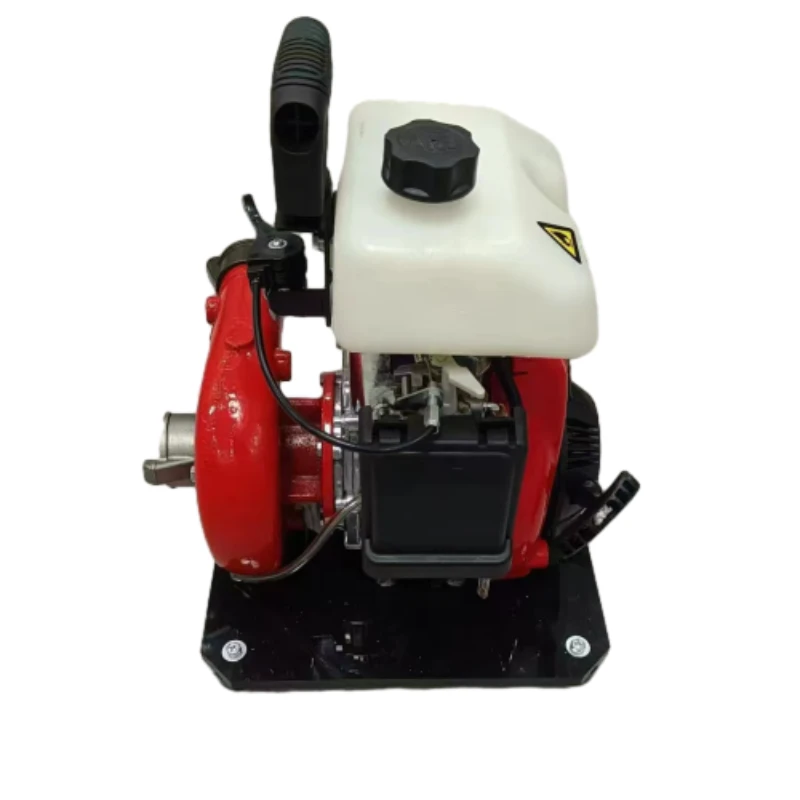
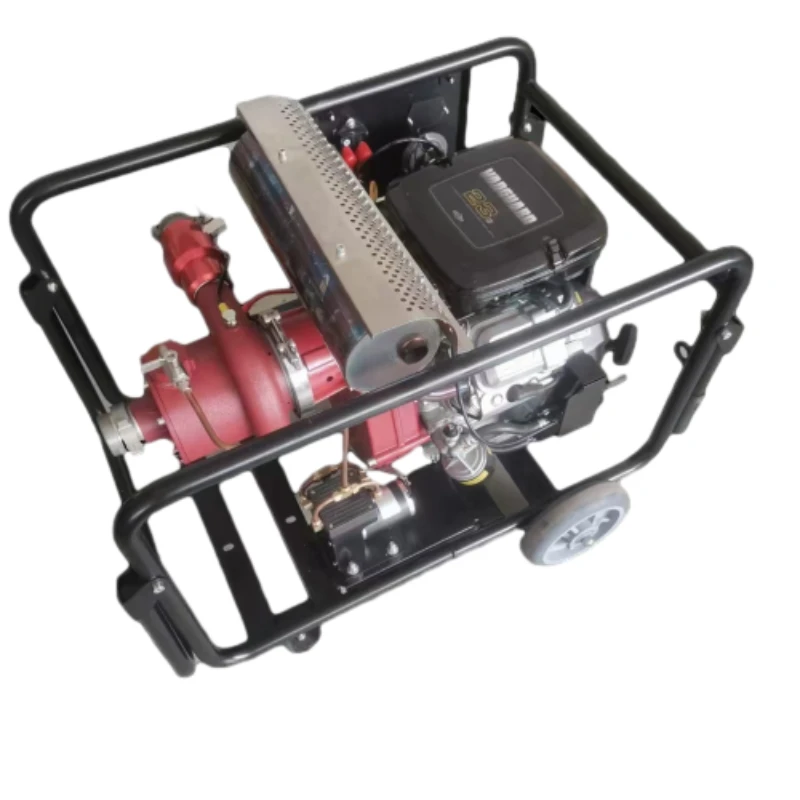
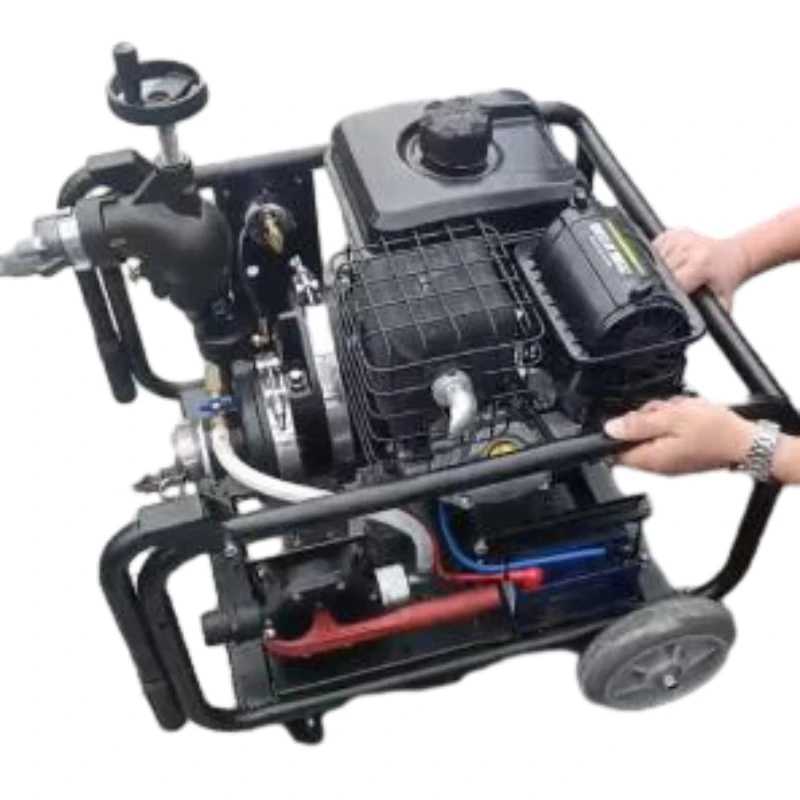
Simply put, a diesel powered fire pump is a pump system driven by a diesel engine purposely built for firefighting. The pump draws water (from a nearby source or storage), pressurizes it, and delivers streams powerful enough to combat flames effectively.
Think of it as the muscle behind a fire water system — when electric pumps might stall during blackouts or infrastructure damage, these diesel models keep going strong. They’re indispensable in petrochemical plants, urban fire protection systems, large commercial buildings, and even in emergency setups for humanitarian responses.
Key Components and Critical Features
1. Durability and Reliability
Being part of firefighting apparatus means these pumps must withstand harsh conditions—think high temperatures, dust, and water exposure. Diesel engines have a longstanding reputation for ruggedness. Many units meet UL 448 and NFPA 20 standards, ensuring they perform reliably even under stress.
2. Power and Flow Capacity
A diesel powered fire pump can push water volumes ranging from a few hundred to over 2,000 gallons per minute. Power depends on engine size and pump design but the principle stays: deliver intense, steady flow for fire suppression. This vast flexibility suits projects from small industrial sites to sprawling municipal fire hydrant networks.
3. Autonomy and Quick Start
Since these pumps rely solely on diesel fuel, they operate independently of electric grids — a lifesaver during power outages caused by the very fires they fight. Their rapid start-up times (often under 15 seconds) mean firefighters aren’t left waiting when seconds count.
4. Ease of Maintenance
Oddly enough, diesel engines are among the easiest to maintain in heavy equipment. Spare parts are widely available, and many technicians worldwide are familiar with their mechanics. This reduces downtime and keeps pumps ready for action.
5. Portability & Scalability
Some diesel powered fire pumps come as skid-mounted or trailer units, making them transportable for quick deployment in remote or emergency sites. Modular designs allow scaling pump setups to various flow and pressure requirements.
Typical Specs of a Diesel Powered Fire Pump
| Specification | Typical Range |
|---|---|
| Engine Power | 50 - 300 HP |
| Flow Rate | 500 - 2,500 GPM |
| Maximum Pressure | 150 - 300 PSI |
| Starting System | Electric or Manual |
| Fuel Tank Capacity | 50 - 200 Liters |
| Compliance | UL, NFPA 20, ISO 9001 |
Comparing Top Vendors of Diesel Powered Fire Pumps
| Vendor | Power Range | Certifications | Notable Features |
|---|---|---|---|
| PumpTech USA | 75-250 HP | UL, NFPA 20 | Quick start system, remote monitoring |
| FireFlow Solutions | 50-300 HP | UL, ISO 9001 | Compact design, low emissions |
| HydroFire Corp. | 100-280 HP | NFPA 20 certified | Trailer-mounted, diesel-electric hybrid |
Applications Across the Globe
Diesel powered fire pumps are everywhere — from skyscrapers in Singapore to remote mining camps in Australia. Their versatility means they find homes in:
- Industrial Sites: Refineries and chemical plants favor them given their reliability and compliance with strict safety codes.
- Municipal Firefighting: Many cities install diesel pumps in critical water supply points to guarantee functionality during outages.
- Disaster Relief Operations: Nongovernmental organizations deploy them in flood or wildfire zones to ensure on-the-spot firefighting democracy.
- Oil & Gas Exploration: Remote drilling sites use skid-mounted diesel pumps for fire suppression due to site isolation.
A recent example that stuck with me was a wildfire in California where electric systems failed across several zones. Diesel powered fire pumps kicked in and helped responders save neighborhoods. It’s this kind of real-world impact that elevates the technology’s value beyond specs.
Why Choose Diesel Powered Fire Pumps? The Advantages
- Unmatched Reliability: They run when other pumps fail.
- Cost Efficiency: Diesel fuel is often more accessible and cost-effective in remote areas.
- Long-Term Durability: Engines last thousands of run-hours with proper maintenance.
- Social Impact: They protect communities vulnerable to fires, preserving lives and livelihoods.
- Scalability: Easily configurable for different firefighting scales.
Truth be told, safety isn’t just a feature—it’s peace of mind. The emotional aspect, knowing you have a trusted backup, counts for a lot when stakes are this high.
Looking Ahead: Innovations and Future Trends
Interestingly, the diesel powered fire pump sector is evolving. Some notable trends include:
- Integration with Digital Controls: Automation and remote monitoring improve response times and diagnostics.
- Emission Controls: New engines comply with stricter emission standards, blending power with environmental consciousness.
- Hybrid Technologies: Diesel-electric hybrid pumps offer quieter operation and better fuel economy.
- Renewable Fuel Compatibility: Research into biodiesel and renewable diesel is underway, potentially lowering carbon footprints.
These developments ensure that diesel powered fire pumps remain relevant and efficient in an ever-changing landscape.
Challenges to Address and Solutions in Sight
Of course, nothing is perfect. Diesel powered fire pumps face challenges like fuel storage logistics, engine noise, and regulatory hurdles. However, ongoing advances in sound insulation, compact fuel systems, and policy harmonization help ease these pain points.
Environmental critics often question diesel reliance, but hybridization and cleaner fuels show a path forward. In short: staying ahead means balancing power with sustainability — and many manufacturers are committed to that.
FAQ: Common Questions About Diesel Powered Fire Pumps
- Q: How long can a diesel powered fire pump operate continuously during an emergency?
- A: Generally, these pumps can run for 8 to 12 hours continuously with adequate fuel supply. Some setups include auxiliary tanks for extended operation, but regular maintenance and monitoring are essential to ensure optimal performance.
- Q: Are diesel powered fire pumps suitable for residential fire protection?
- A: Typically, they’re more common in commercial, industrial, and municipal setups due to their size and power. However, larger residential complexes or fire districts might incorporate them into central firefighting systems.
- Q: What kind of maintenance do these pumps require?
- A: Routine maintenance includes fuel system checks, oil changes, engine inspections, and pump seal replacements. Annual overhauls by certified technicians are recommended to avoid failures when called into action.
- Q: Can diesel powered fire pumps be transported easily for emergency response?
- A: Many models are skid- or trailer-mounted specifically for mobility. This enables rapid deployment in disaster zones, construction sites, or undeveloped areas.
- Q: Are there environmentally friendlier alternatives to traditional diesel fire pumps?
- A: Yes, hybrid diesel-electric pumps and those compatible with biodiesel are increasingly common. These options reduce emissions and fuel consumption while maintaining reliability.
Conclusion: Why Diesel Powered Fire Pumps Will Continue to Matter
In real terms, the diesel powered fire pump represents a blend of tradition and innovation—anchored in reliability but evolving towards sustainability. Their ability to deliver vital firefighting power during emergencies is unmatched, making them an investment in safety, resilience, and trust.
If you’re looking to equip your facility or organization with trusted fire safety equipment, consider learning more about them. Visit our website: diesel powered fire pump to explore solutions tailored to your needs.
Mini Takeaway: Diesel powered fire pumps, with their robustness and evolving tech, remain critical tools in global fire protection—especially where dependable, autonomous power is non-negotiable.





 English
  Arabic
  Bengali
  China
China  French
  German
  Hausa
Hausa  Indonesian
  Italian
  Japanese
  Javanese
  Malay
Malay  Persian
  Portuguese
  Punjabi
  Russian
  Spanish
  Swahili
  Telugu
  Vietnamese