








Understanding the Diesel Jockey Pump: A Silent Backbone of Fire Safety Systems
When it comes to fire protection and water supply systems, the diesel jockey pump often works behind the scenes, rarely in the spotlight but absolutely critical. Frankly, its role in maintaining system pressure and readiness is vital worldwide, especially where reliable power and safety standards matter — from high-rise buildings in urban centers to remote industrial sites. Understanding this technology isn't just technical jargon; it's about grasping how communities and industries keep resilient, safe, and prepared for emergencies.
Introduction: Why Diesel Jockey Pumps Matter Globally
Globally, fire safety and water distribution systems play an essential role in protecting people and infrastructure. According to the International Organization for Standardization (ISO), standards related to fire safety equipment shape global safety frameworks. Yet, commercial and residential buildings often underestimate the importance of maintaining proper water pressure control — which is precisely what diesel jockey pumps address.
In regions where electrical reliability is spotty, or where the stakes of a fire emergency are high (think manufacturing plants, hospitals, or remote oil rigs), diesel jockey pumps provide an extra layer of assurance. They keep fire suppression systems pressurized and ready, even when the main electric pumps aren't running — reducing downtime and safeguarding lives.
What Is a Diesel Jockey Pump?
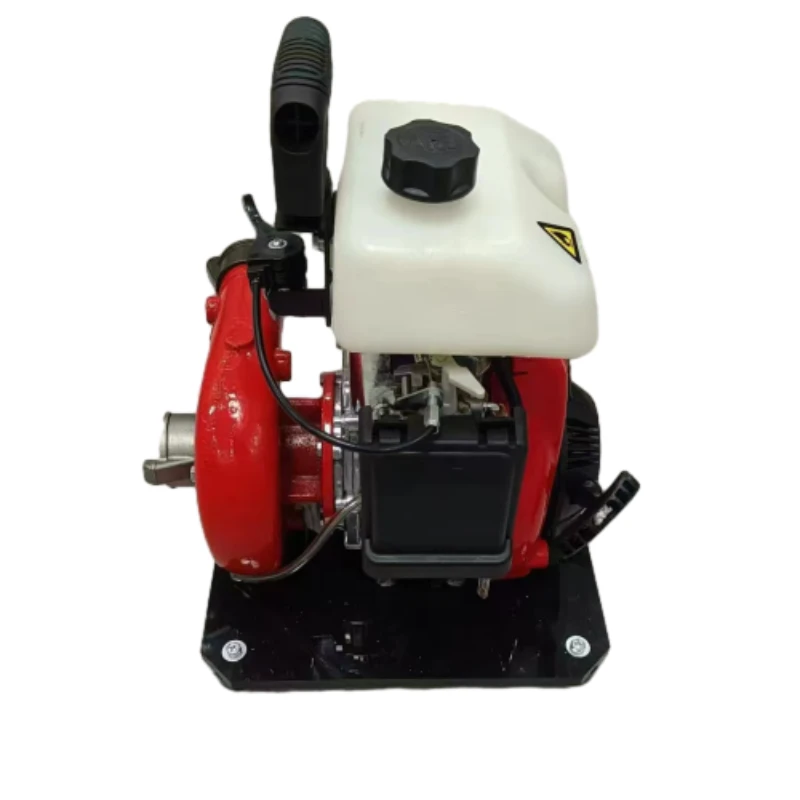
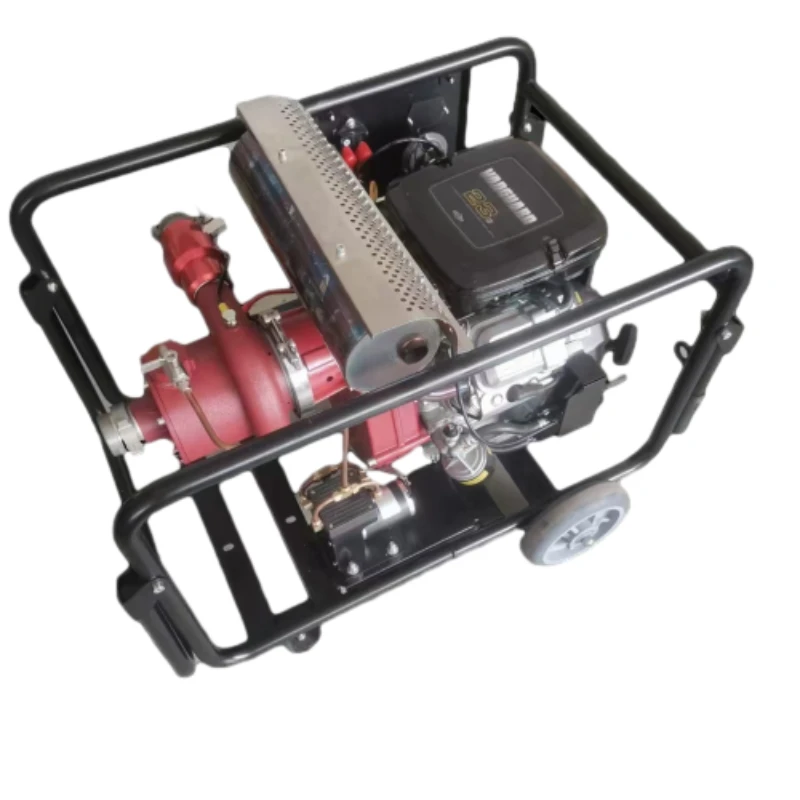
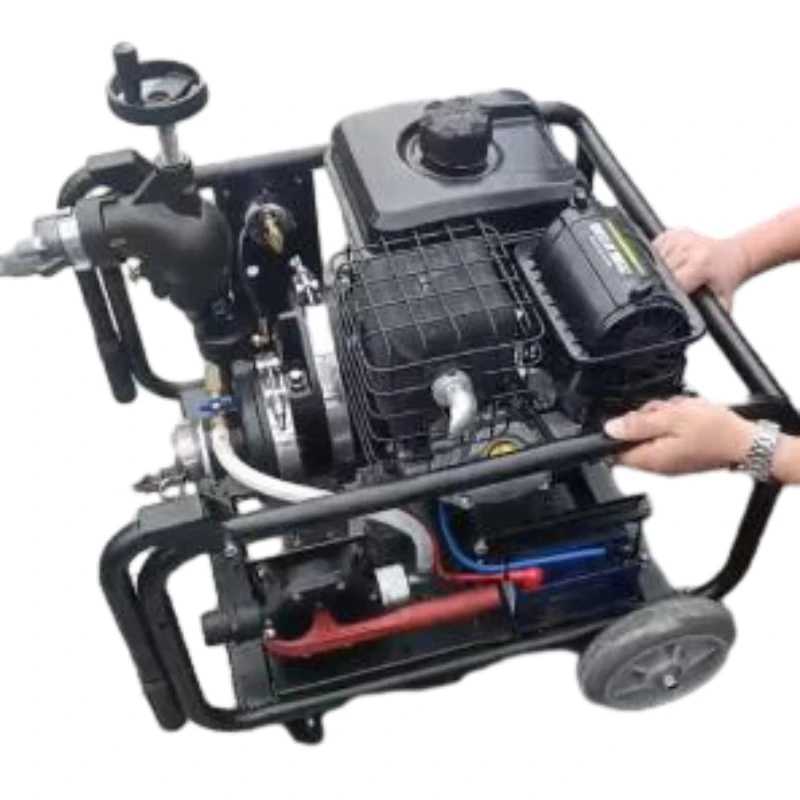
A diesel jockey pump is a small, diesel-powered pump designed to maintain a consistent pressure within fire sprinkler or water systems. It essentially “tops up” pressure losses due to minor leaks or temperature variations, so the main pumps don’t cycle on unnecessarily. In simple terms, it’s the guardian ensuring the system is always ready but not overworking itself.
These pumps combine mechanical reliability with independent diesel power, making them invaluable where electric supply can fluctuate or fail altogether. This functionality ties directly into modern building safety regulations, especially for high-risk or mission-critical environments.
Core Components and Key Features of Diesel Jockey Pumps
1. Durability and Material Quality
Materials used — think cast iron casings and corrosion-resistant components — ensure these pumps endure harsh conditions. Many manufacturers comply with ISO 9001 standards, which reassures users of quality and performance longevity.
2. Pressure Control Accuracy
The heart of a good diesel jockey pump is its capacity to detect pressure drops as low as a few psi and respond instantly. This keeps sprinkler systems primed without energy waste.
3. Fuel Efficiency and Autonomy
Diesel engines are known for longevity, but efficient fuel consumption is a growing priority — especially for remote operations where refueling isn't trivial.
4. Scalability and Integration
Whether for small commercial spaces or expansive industrial complexes, these pumps can integrate into existing water systems seamlessly, a factor appreciated by engineers managing infrastructure upgrades.
5. Ease of Maintenance
The design often favors quick access to replacing filters and routine servicing, critical to keeping downtime at zero.
| Feature | Specification |
|---|---|
| Power Source | Diesel Engine (10-40 HP) |
| Operating Pressure Range | 40–150 psi (adjustable) |
| Flow Rate | 10–50 GPM |
| Fuel Tank Capacity | Up to 50 liters |
| Noise Level |
Global Applications & Use Cases
These pumps find critical uses across regions with varying infrastructure challenges. For example, in Southeast Asia’s growing urban fire safety initiatives, diesel jockey pumps back up sprinklers in high-rise condominiums vulnerable to brownouts.
In the oil and gas sector of the Middle East, their importance shines as they maintain firefighting readiness in remote drilling sites where electric grids are unreliable. Oddly enough, some NGOs also integrate diesel jockey pumps in refugee camps to ensure consistent water pressure for sanitation and emergency response.
In each case, they offer peace of mind, a ready safeguard reliably priming systems silently in the background.
Vendor Comparison: Diesel Jockey Pump Providers
| Feature | PumpTech Solutions | FireSafe Manufacturing | HydroGuard Systems |
|---|---|---|---|
| Price Range | $3,000 - $5,000 | $4,000 - $6,500 | $3,500 - $6,000 |
| Warranty | 3 Years | 5 Years | 4 Years |
| After-Sales Service | Global Support | Regional Focus | 24/7 Hotline |
| Fuel Efficiency | Standard | High Efficiency Models | Standard |
| Special Features | Remote Monitoring | Noise Reduction Technology | Quick-Release Hoses |
Advantages & Long-Term Value
The main appeal of diesel jockey pumps lies in their dependability. They reduce wear and tear on primary pumps and cut energy costs by minimizing unnecessary starts. This translates to a longer operational lifespan and better system efficiency.
But it’s not just about numbers. Operators often cite the emotional relief from knowing their system reliably stays charged. Safety, after all, is partly about trust — and that can’t always be quantified.
Future Trends & Innovations in Diesel Jockey Pumps
Technology isn’t standing still. Diesel jockey pumps are starting to embrace digital controls for remote performance monitoring, predictive maintenance, and integration into smart building management systems. At the same time, greener fuels and hybrid designs are on the horizon, allowing for cleaner combustion and reduced emissions.
Oddly enough, some engineers are experimenting with bio-diesel blends in jockey pumps to help industries meet increasingly stringent environmental standards while maintaining reliability.
Challenges & Solutions in Diesel Jockey Pump Use
Challenges include fuel storage and maintenance in remote or harsh environments, as well as noise and emissions concerns in urban settings. Solutions range from improved soundproofing, automated fuel management systems, to modular pump designs that simplify servicing.
Collaborating with trusted vendors who offer solid warranties and training can make a big difference — you don’t want to be left stranded when the pump is needed most.
Frequently Asked Questions About Diesel Jockey Pumps
- How does a diesel jockey pump differ from a main fire pump?
A diesel jockey pump is smaller and designed to maintain system pressure, not to supply large volumes during a fire. The main fire pump activates only when firefighting demand exceeds the jockey pump’s maintenance role. - Can diesel jockey pumps operate automatically?
Yes, modern diesel jockey pumps often include automatic pressure sensors to start and stop the engine as needed, ensuring constant pressure without manual intervention. - What maintenance is required for diesel jockey pumps?
Regular fuel checks, engine servicing, and system pressure tests are key. Many advise monthly running of the pump to ensure operational readiness. - Are diesel jockey pumps suitable for residential buildings?
Typically, their use is more common in commercial, industrial, or high-rise buildings where fire sprinkler systems require constant pressure maintenance — but they can be included if regulations or design call for it. - How do I select the right diesel jockey pump for my facility?
Consider your system’s required pressure range, flow rate, power availability, and local regulations. Consulting with professionals who understand diesel jockey pump options is always recommended.
Conclusion: Why Diesel Jockey Pumps Should Not Be Overlooked
To sum up, diesel jockey pumps silently safeguard the readiness of fire protection systems worldwide. Their combination of reliability, efficiency, and independence from electric grids ensures that systems stay pressurized and functional – just when they are needed the most. If your facility’s fire safety relies on water-based suppression systems, exploring diesel jockey pumps can be a wise investment for long-term resilience.
For more details and expert guidance, do visit our website: https://www.ffwfiresafety.com where specialists can help you find the right solutions tailored to your needs.
Mini takeaway: Diesel jockey pumps, though often overlooked, play a vital role in maintaining fire safety system pressure, protecting lives and assets with quiet reliability and engineering finesse.




 English
  Arabic
  Bengali
  China
China  French
  German
  Hausa
Hausa  Indonesian
  Italian
  Japanese
  Javanese
  Malay
Malay  Persian
  Portuguese
  Punjabi
  Russian
  Spanish
  Swahili
  Telugu
  Vietnamese