








Understanding the Diesel Hydrant Pump: A Vital Component for Fire Safety Worldwide
Fire safety is no joke, especially when it comes to protecting large industrial facilities or urban areas. The diesel hydrant pump plays a surprisingly critical role here — quietly ensuring that, when the worst happens, firefighting teams have the steady, reliable water pressure they desperately need. Oddly enough, despite its essential nature, many don’t fully appreciate how this heavy-duty equipment fits into global fire protection strategies. So, let’s unpack why understanding diesel hydrant pumps matters globally, their key benefits, and why advancing their technology benefits safety everywhere.
Introduction: Why Diesel Hydrant Pumps Matter Globally
Globally, industrial safety standards (like those from ISO) emphasize efficient emergency firefighting infrastructure. Diesel hydrant pumps are especially relevant in areas without reliable electric grids or where power loss during an emergency could be catastrophic. According to the United Nations Office for Disaster Risk Reduction, improving firefighting readiness is central to mitigating fire disasters worldwide.
Consider that over 70% of industrial fires worldwide occur in facilities with poor firefighting equipment reliability. Diesel hydrant pumps address this by providing an autonomous, robust pressure source, independent of grid power. Their global footprint is significant, with countless installations in petrochemical plants, airports, and large manufacturing hubs — vital when conventional electrical sources are compromised.
What Is a Diesel Hydrant Pump and Why Does It Matter?
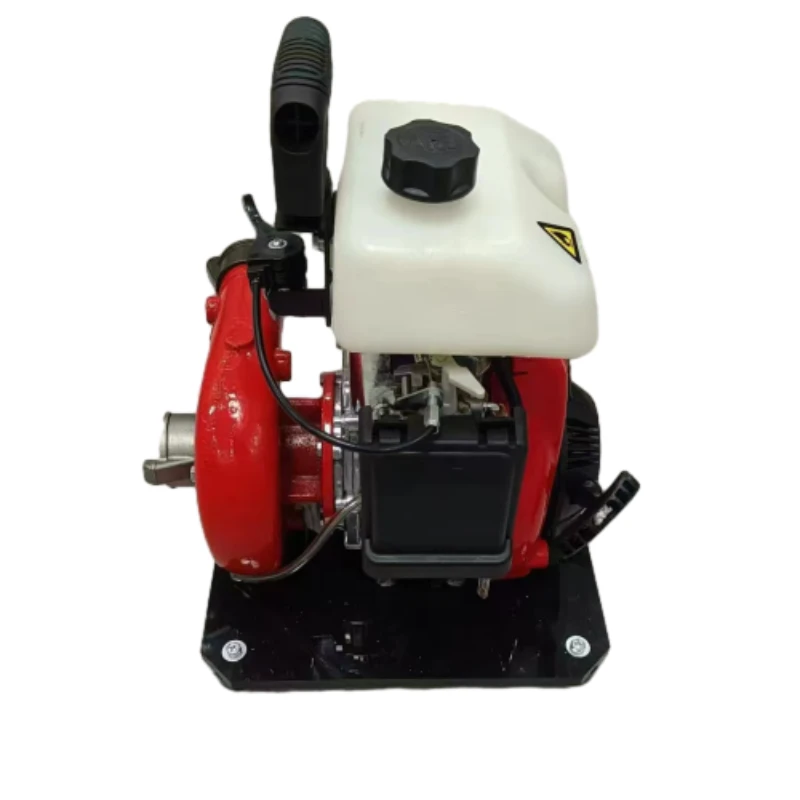
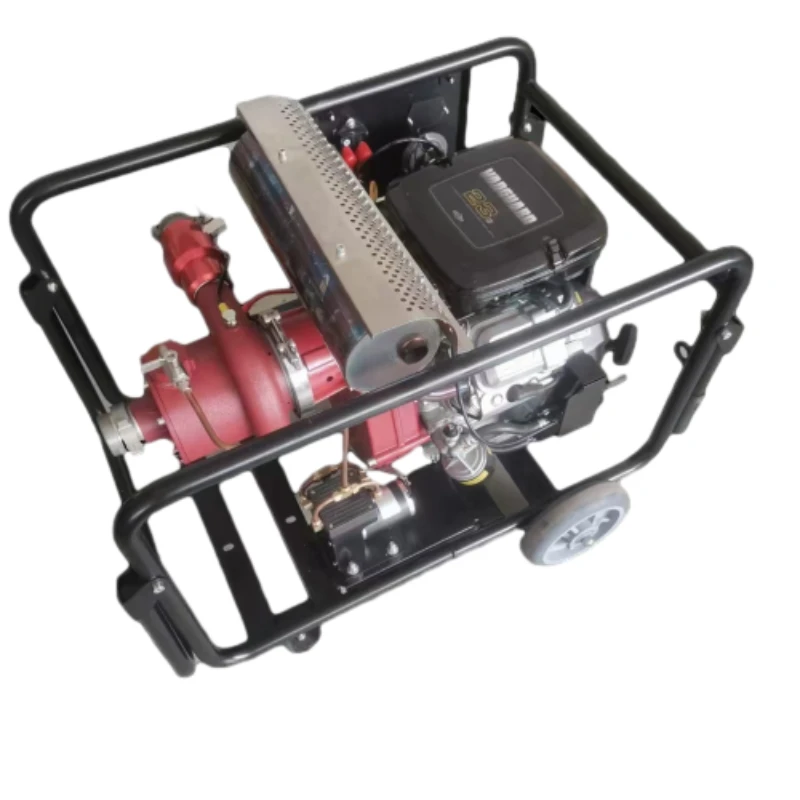
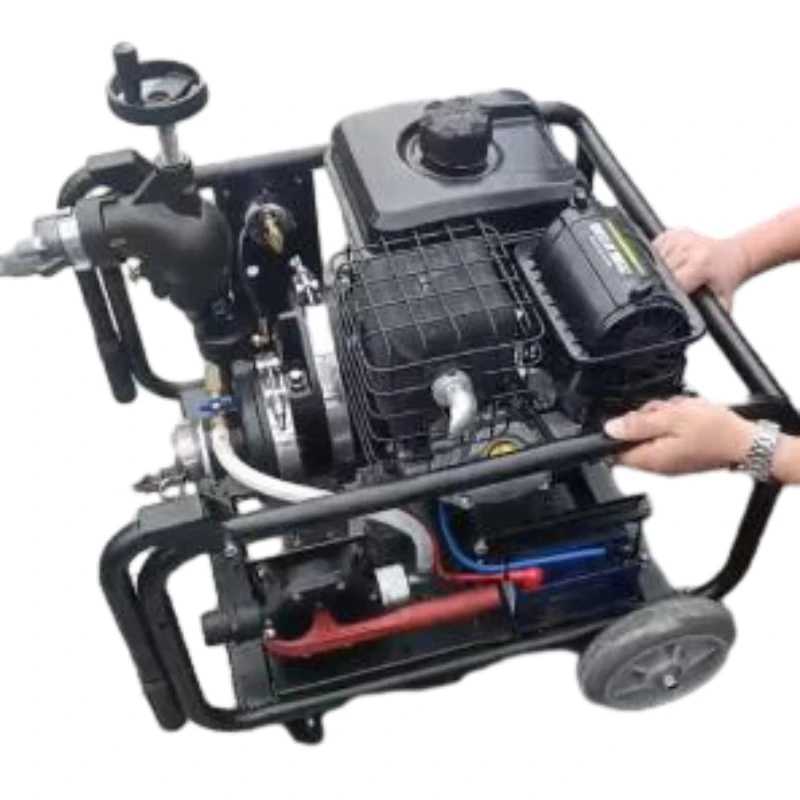
Simply put, a diesel hydrant pump is a diesel engine-powered pump responsible for pressurizing water in fire hydrant systems. Unlike electrically-driven pumps, it doesn’t rely on external power, making it indispensable in emergencies where electricity may fail. They form part of the “fire water system,” ensuring firefighters have immediate access to high-pressure water to tackle blazes effectively.
This equipment intersects with modern industry needs — especially in areas with unstable power or in remote installations where diesel pumps can run independently. Their durability and autonomy make them key to humanitarian and industrial fire safeties alike.
Core Components and Key Factors in Diesel Hydrant Pumps
1. Durability and Reliability
Diesel hydrant pumps often face harsh conditions: extreme temperatures, dust, or corrosive environments. They must operate flawlessly when every second counts. This requires solid-engineered diesel engines paired with corrosion-resistant pump components.
2. Autonomy and Power Independence
Since they don’t draw electricity, diesel pumps ensure firefighting capability even during blackouts or disasters, which is a massive advantage over electric alternatives.
3. Scalability and Capacity
Diverse pumps are available to suit different water flow rates and pressures — from smaller urban applications to huge industrial fire water networks.
4. Maintenance and Cost Efficiency
While diesel hydrant pumps require routine maintenance (fuel checks, oil changes), their long-term cost often beats generators plus electric pumps combined due to operational simplicity and fewer failure points.
5. Compliance with Safety Standards
Top models adhere to NFPA 20 (National Fire Protection Association Standard for Stationary Pumps), making them compliant globally, which frankly is essential for insurance and government approvals.
Spec Table: Example Diesel Hydrant Pump Features
| Feature | Specification | Notes |
|---|---|---|
| Engine Power | 150 HP Diesel Engine | Reliable brand engines comply with EPA Tier 4 |
| Flow Rate | 2000 GPM (Gallons Per Minute) | Suitable for large industrial sites |
| Max Pressure | 175 PSI | Ensures efficient water delivery |
| Fuel Tank Capacity | 150 liters | Allows several hours of continuous operation |
| Compliance | NFPA 20, UL Certified | Global safety standards |
Mini Takeaway: The diesel hydrant pump’s main strength lies in its rugged design, independence from electrical supply, and capacity to deliver powerful water flow in emergencies.
Global Applications and Real-World Use Cases
- Industrial Plants: Petrochemical refineries in the Middle East rely on these pumps for their firewater systems, where grid stability fluctuates.
- Airports and Transport Hubs: Diesel hydrant pumps ensure firefighting readiness in airports globally, from Nairobi to New York.
- Remote Mining Sites: Industries operating in off-grid locations count on diesel pumps for immediate response capabilities.
- Post-Disaster Relief: In disaster-prone regions like Southeast Asia, diesel hydrant pump systems have been swiftly deployed to stabilize community firefighting efforts after typhoons or earthquakes.
Frankly, it feels like these pumps quietly empower firefighters worldwide — behind the scenes — contributing to safer communities and more resilient industries.
Advantages and Long-Term Value of Diesel Hydrant Pumps
Practical benefits abound:
- Cost Savings: Avoid reliance on backup generators and complex power circuits.
- Sustainability: Modern engines are increasingly cleaner and run efficiently.
- Reliability: Operate when electricity fails — no compromise during emergencies.
- Social Impact: Ensures safety which preserves lives and dignity.
In real terms, their dependability builds trust — it gives operators peace of mind, knowing water will flow when it’s needed most.
Emerging Trends and Innovations in Diesel Hydrant Pumps
The sector is quietly shifting toward greener, smarter solutions. Some recent innovations include:
- Hybrid Diesel-Electric Systems: Combining diesel backup with electric pumps to optimize fuel use.
- IoT Monitoring: Sensors allow remote monitoring of pump status and fuel levels, enabling predictive maintenance.
- Advanced Materials: Corrosion-resistant alloys extend lifetime even in harsh environments.
- Compliance with Emission Regulations: Newer engines meet stricter global emission standards, reducing environmental impact.
It’s a slow but steady march toward sustainability, which — you know — really helps future-proof these systems.
Challenges and Practical Solutions
Of course, today’s diesel hydrant pumps aren’t perfect. Common challenges include:
- Fuel Storage and Availability: Ensuring adequate diesel supply can be tricky in remote areas.
- Maintenance Requirements: Pumps need regular servicing — ignoring this risks failure during emergencies.
- Noise and Emission Concerns: Diesel engines can be noisy and produce emissions if not modernized.
Experts often recommend:
- Integrating solar or battery backup to reduce diesel use.
- Implementing IoT-enabled maintenance alerts.
- Training local operators carefully; their know-how is often the best safeguard.
Vendor Comparison Table: Leading Diesel Hydrant Pump Vendors
| Vendor | Engine Quality | Global Reach | Service & Support | Price Range |
|---|---|---|---|---|
| PumpTech Inc. | Premium (Cummins engines) | Worldwide | 24/7 worldwide support | High |
| FireFlow Solutions | Mid-level (Deutz engines) | Europe, Asia | Business hours support | Mid |
| SafePump Co. | Basic (Local diesel engines) | Regional | Limited | Low |
FAQ: Frequently Asked Questions About Diesel Hydrant Pumps
- Q: How does a diesel hydrant pump differ from an electric pump in emergencies?
- A: Diesel pumps run independently of the electrical grid, which means they keep operating during power outages — a critical advantage during fires when power may be compromised.
- Q: What kind of maintenance is required for these pumps?
- Regular checks include engine oil changes, fuel quality monitoring, battery inspection (for start systems), and occasional pump testing. Following manufacturer guidelines is essential to ensure readiness.
- Q: Are diesel hydrant pumps compliant with international standards?
- Yes, many are certified to meet NFPA 20 and UL standards, which are widely recognized benchmarks for firefighting equipment quality and safety.
- Q: Can these pumps be operated remotely or monitored digitally?
- Modern systems increasingly integrate IoT sensors for remote monitoring of pump status, fuel levels, and predictive maintenance alerts.
- Q: What happens if the diesel fuel runs out during an emergency?
- It’s critical to maintain adequate fuel levels; emergency protocols typically include regular fuel checks and backup supplies to avoid pump downtime when it matters most.
Conclusion: Why Investing in Diesel Hydrant Pumps Makes Sense
At the end of the day, diesel hydrant pumps are indispensable for reliable fire protection across many global industries and regions. Their autonomy, durability, and adaptability give operators peace of mind. Frankly, it feels like an insurance policy not just financially, but for safety, dignity, and lives. For dependable fire readiness, look into models that match your facility’s scale and maintenance capability.
Interested in enhancing your facility’s firefighting infrastructure? Visit our website: diesel hydrant pump.
Hopefully, this gives you a clearer picture of the silent muscle behind many fire safety systems worldwide—sometimes the best protection is just the one you don’t see until it’s too late.
Takeaway: Diesel hydrant pumps combine autonomy, reliability, and safety into a powerful safeguard for modern fire emergencies — quietly saving lives across the globe every day.








 English
  Arabic
  Bengali
  China
China  French
  German
  Hausa
Hausa  Indonesian
  Italian
  Japanese
  Javanese
  Malay
Malay  Persian
  Portuguese
  Punjabi
  Russian
  Spanish
  Swahili
  Telugu
  Vietnamese