








Diesel Fire Pump: A Critical Backbone for Global Fire Safety
Fire safety remains a pressing concern worldwide, especially as urbanization and industrial growth multiply the risks. A diesel fire pump plays an invaluable role in this landscape—acting as the reliable workhorse capable of delivering high-pressure water supply even in the trickiest scenarios. Understanding how these pumps operate, and why they matter globally, reveals not only their technical marvel but also their crucial humanitarian value.
Introduction: Why Diesel Fire Pumps Matter Globally
Fire incidents cause significant losses each year — the UN estimates thousands of lives lost and billions of dollars in property damage globally. In industrial complexes, urban high-rises, and remote facilities alike, robust firefighting infrastructure is non-negotiable. Diesel fire pumps stand out because they function independently of the electric grid, making them indispensable in power outages—a common aftermath of fires or natural disasters.
Statistics from the International Organization for Standardization (ISO) underline the widespread adoption of diesel-driven fire pumps, especially in regions where power reliability is questionable or emergency readiness is regulated strictly. The challenge these pumps address is ensuring consistent, high-pressure water delivery for fire suppression under all conditions—no matter if electricity fails or flooding impairs other systems.
What Is a Diesel Fire Pump?
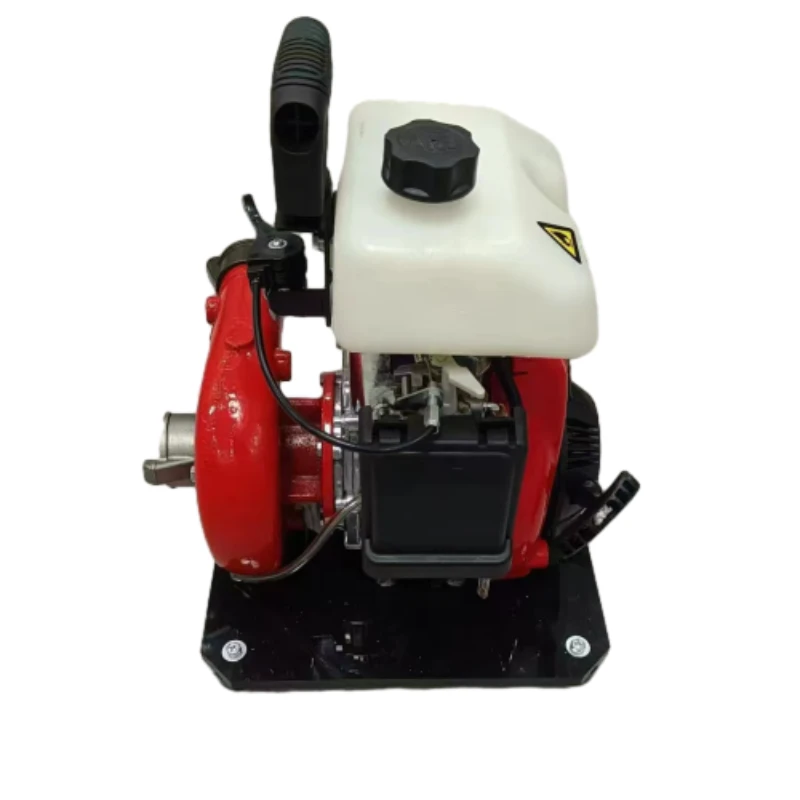
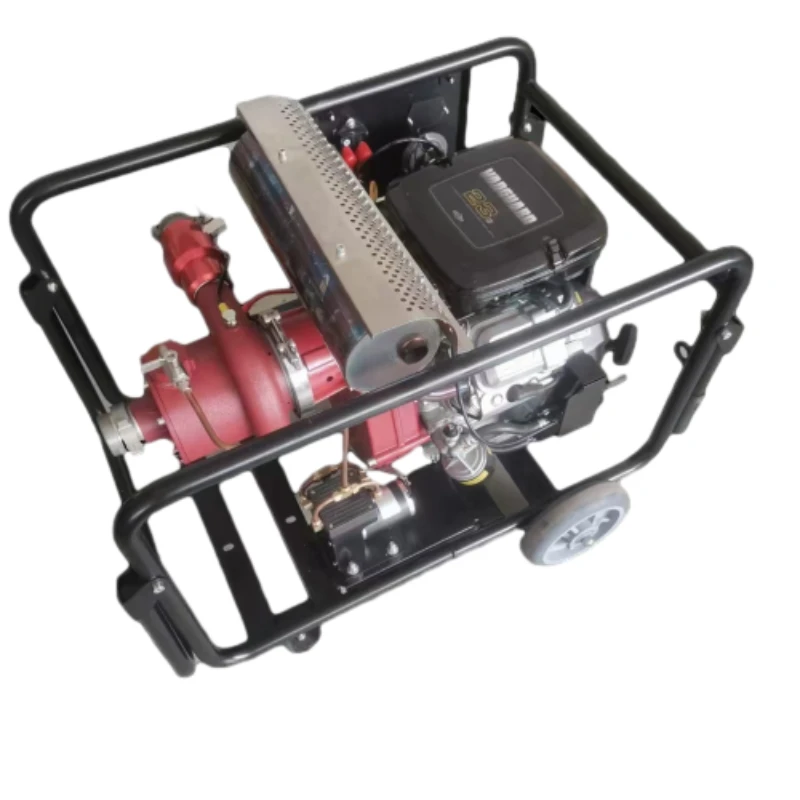
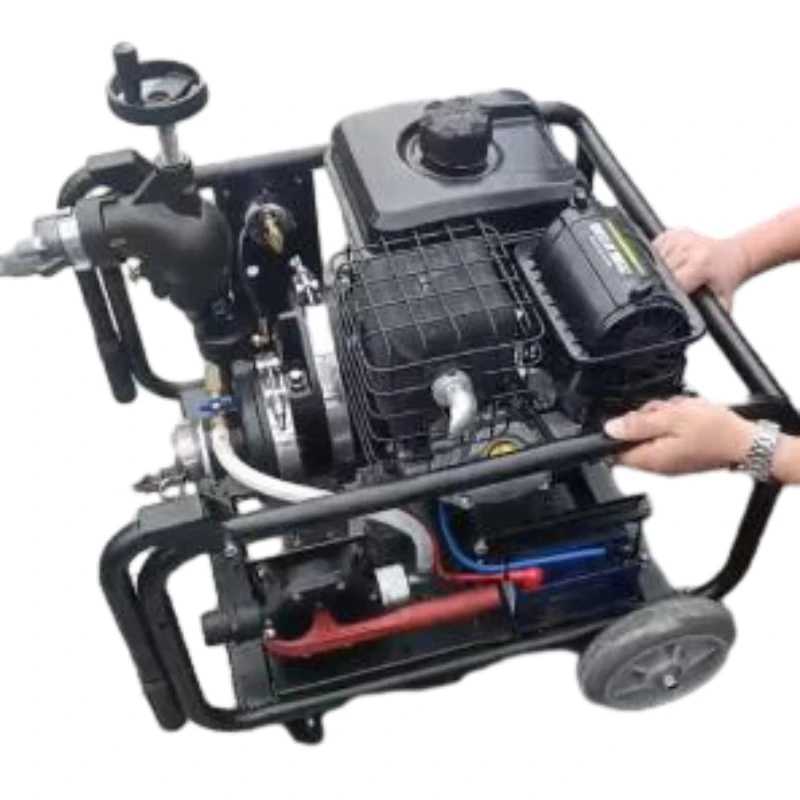
Simply put, a diesel fire pump is a mechanical device powered by a diesel engine that pressurizes and pumps large quantities of water into fire suppression systems. Unlike electric pumps, these operate independently, ensuring that firefighting systems stay functional even when electrical power is down. They’re fundamental in modern fire protection setups—from skyscrapers in bustling cities to off-grid industrial plants.
More than just a pump, it’s a linchpin of safety, combining rugged engineering with operational reliability to meet stringent fire codes worldwide.
Core Components of Diesel Fire Pumps
1. Durability & Ruggedness
Diesel fire pumps are built tough. Their engines and pump components withstand extreme heat, moisture, and continuous use, often made with cast iron or stainless steel to resist corrosion. This durability means fewer failures when you need them most—during a fire emergency.
2. Autonomy & Power Independence
They run on diesel fuel, which ensures operation without requiring electricity. This is vital during power outages—common during fires—meaning the pump can operate continuously, providing uninterrupted water flow.
3. Scalability & Capacity
Available in various sizes and flow capacities, these pumps can be selected to suit anything from small warehouse protection to massive petrochemical complexes. Scalability also means they can be integrated into modular firefighting systems tailored for site-specific needs.
4. Compliance & Certification
Most diesel fire pumps conform to international standards (like NFPA 20 or ISO standards), reassuring users of their quality and reliability. Proper certification is a critical factor for insurers and regulatory authorities globally.
5. Ease of Maintenance
Though technical, many models are designed for straightforward maintenance—thanks to modular parts and standardized components—helping reduce downtime and service costs.
Global Applications & Use Cases
Diesel fire pumps have widespread applications, ranging from urban high-rise buildings in North America and Europe, to remote mining and oil rigs in Africa and Australia. In post-disaster relief operations—think earthquake zones or flood-affected industrial areas—portable diesel pumps offer rapid deployment for firefighting or even emergency water removal.
For example, offshore oil platforms heavily rely on these pumps because electric power is vulnerable to weather & operational failures. Likewise, in regions with unreliable grid infrastructure—say parts of Southeast Asia—diesel fire pumps ensure compliance with fire safety norms without the need for continuous power.
Mini Takeaway:
Diesel fire pumps combine rugged autonomy and flexible capacity, making them indispensable worldwide, especially where power failure is a fire risk.
Technical Specifications of a Typical Diesel Fire Pump
| Specification | Details |
|---|---|
| Power Source | Diesel engine, 1500-2500 RPM |
| Flow Rate | Up to 5000 gallons per minute (GPM) |
| Max Pressure | Up to 250 psi |
| Material Construction | Cast iron, stainless steel components |
| Standards Compliance | NFPA 20, UL, ISO 9001 |
| Fuel Tank Capacity | Up to 12 hours continuous operation |
Advantages and Long-Term Value
At first glance, diesel fire pumps might seem like just another industrial machine, but their true value becomes obvious during emergencies. They guarantee operational reliability when it’s most critical—fire is a high-stakes game. Cost-wise, while the initial investment is higher than some electric alternatives, their operational independence and lower maintenance frequency often translate to lower long-term expenses.
Environmentally, there’s a push toward cleaner diesel technology that reduces emissions. Plus, the social impact? Lives saved, properties preserved, and enhanced community trust in infrastructure safety. That’s pretty powerful if you think about it.
Future Trends & Innovations
Interestingly, the diesel fire pump market is slowly embracing innovation. Hybrid power options combining diesel and electric systems improve efficiency and reduce carbon footprint. Digital monitoring with IoT sensors enables remote diagnostics—allowing teams to detect issues before a major failure.
Materials are evolving too – advanced alloys and protective coatings extend pump lifespan while reducing weight. Some manufacturers experiment with biofuels powering diesel engines, aligning with global climate goals.
Challenges & Solutions
Nonetheless, diesel fire pumps have challenges. Diesel fuel storage and emissions management pose environmental and regulatory hurdles. Maintenance in harsh or remote conditions can be complex. But solutions like automatic fuel monitoring, remote diagnostics, and modular design simplify upkeep.
Also, new regulations nudging industries toward greener alternatives prompt some to adopt hybrid or fully electric backup solutions where feasible. Yet, until grid reliability improves universally, diesel remains a trusted standard.
Vendor Comparison Table: Leading Diesel Fire Pump Manufacturers
| Feature | Brand A | Brand B | Brand C |
|---|---|---|---|
| Max Flow Rate (GPM) | 4500 | 5000 | 4200 |
| Engine Type | Turbocharged Diesel | 4-cylinder Diesel | V8 Diesel |
| Certification | NFPA 20, UL | ISO 9001, CE | NFPA 20, ISO |
| Fuel Efficiency | High | Medium | High |
| Digital Monitoring | Available | Optional | Coming Soon |
FAQ: Frequently Asked Questions About Diesel Fire Pumps
- Q: How long can a diesel fire pump operate continuously during an emergency?
- A: Typically, these pumps are designed to run continuously for up to 8-12 hours, depending on fuel tank capacity and engine efficiency. This is adequate for most firefighting scenarios, allowing enough time for fire control teams to respond.
- Q: Are diesel fire pumps difficult to maintain?
- A: While they do require regular checks, many modern models are built for easier servicing with modular parts and standardized components. Routine engine maintenance and fuel system checks are essential to ensure reliability.
- Q: Can diesel fire pumps be used in remote locations without electric power?
- A: Absolutely. Their main advantage is independence from electric grids. This makes them ideal for remote industrial sites, offshore platforms, and disaster zones where reliable electricity is unavailable.
- Q: What safety standards should I look for in a diesel fire pump?
- Look for compliance with NFPA 20 (National Fire Protection Association), UL listing, and ISO 9001 certifications. These indicate reliable performance and adherence to global fire safety regulations.
- Q: How do diesel fire pumps compare to electric pumps in sustainability?
- Diesel pumps emit more emissions than electric ones, but ongoing innovations in cleaner diesel technology and hybrid systems are improving environmental impact. The tradeoff is their ability to operate without depending on electricity, which remains critical.
Conclusion: Why Diesel Fire Pumps Are Worth the Investment
In the grand scheme, a diesel fire pump isn’t just equipment — it’s a commitment to safety, resilience, and preparedness. Their unmatched autonomy, durability, and flexibility make them pillars of fire protection around the world. Frankly, it’s reassuring to know that whether in a power outage, remote location, or intense emergency, these pumps have your back.
For those interested in upgrading fire safety infrastructure or learning more about diesel fire pump solutions, visit our website: https://www.ffwfiresafety.com.
Final Thoughts
While newer technologies continue to evolve, diesel fire pumps remain a trusted and proven staple. It’s like having a reliable old friend who shows up strong when needed most—a comforting thought in fire safety.





 English
  Arabic
  Bengali
  China
China  French
  German
  Hausa
Hausa  Indonesian
  Italian
  Japanese
  Javanese
  Malay
Malay  Persian
  Portuguese
  Punjabi
  Russian
  Spanish
  Swahili
  Telugu
  Vietnamese