








Diesel Pump for Fire Hydrant System: Ensuring Reliable Fire Safety Worldwide
The phrase diesel pump for fire hydrant system might sound niche, but it’s critical infrastructure in buildings and industrial sites around the world. Understanding how these pumps operate—and why they matter—is key to advancing fire safety on a global scale. These pumps boost water pressure in firefighting systems during emergencies, ensuring hydrants deliver sufficient flow to control or extinguish fires. This long-overlooked component safeguards lives, property, and community resilience everywhere from dense urban centers to remote industrial complexes.
Introduction: A Global Perspective on Fire Safety and Diesel Pumps
Fire hazards cause tens of thousands of deaths annually, and billions of dollars in damage—according to the UN Office for Disaster Risk Reduction. Fire hydrant systems are frontline defenders, but only when powered with reliable pumps. Diesel pumps are especially vital where electricity is unstable or unavailable. Their global relevance cannot be overstated: they operate in skyscrapers in New York, oil refineries in the Middle East, and even remote mining operations in Australia. A challenge remains—how to ensure these pumps function flawlessly when disaster strikes. Understanding diesel fire pumps bridges engineering, safety regulations like ISO 21599, and real-world usability.
What Is a Diesel Pump for Fire Hydrant System?
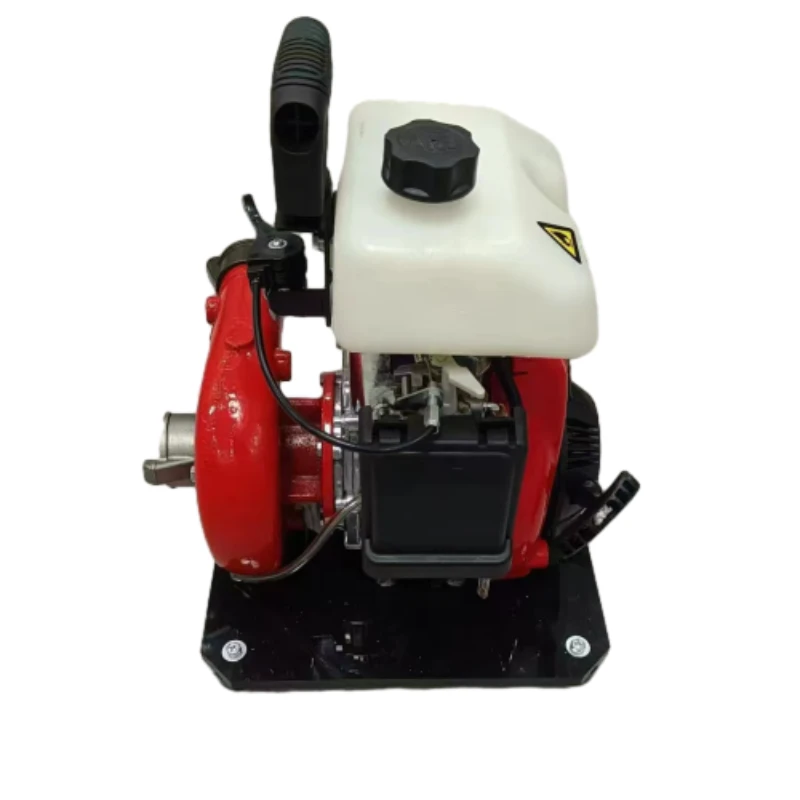
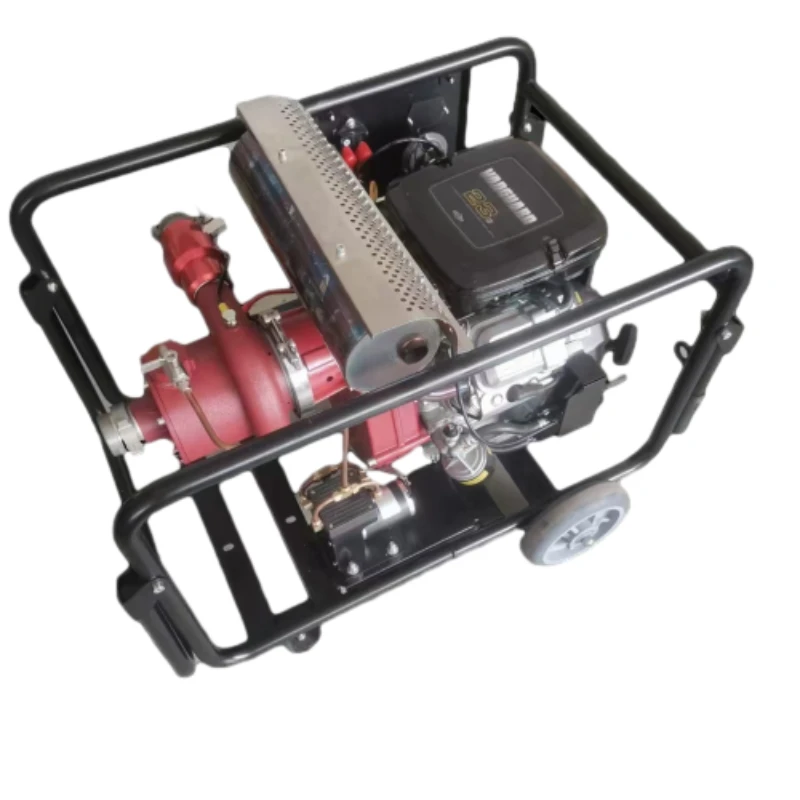
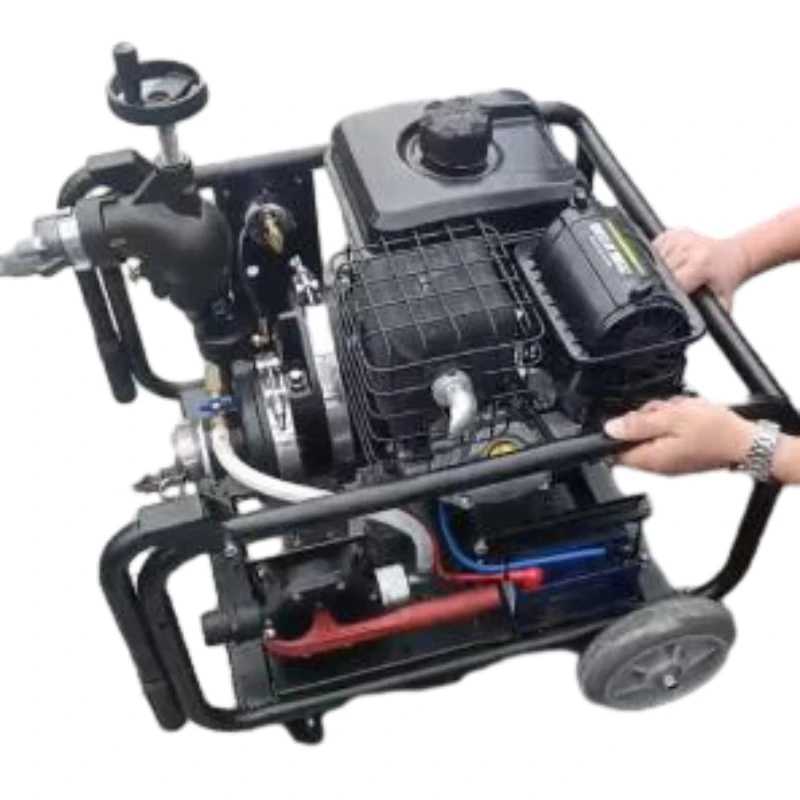
Simply put, a diesel pump for fire hydrant system is a backup pump powered by diesel fuel that activates when electric pumps fail, providing consistent water flow to fire hydrants and sprinkler systems. Unlike electric pumps, diesel pumps operate independent of power grids, making them indispensable for emergency fire fighting. They comprise an engine, a centrifugal pump, control panels, and safety features designed to maintain pressure and reliability under harsh conditions.
Core Components and Key Factors
Durability
These pumps are built tough. They need to endure high pressures, extreme weather, and continuous readiness for years without frequent maintenance. Sturdy cast-iron casings, fuel-efficient engines, and corrosion-resistant materials are common.
Scalability
Selecting the right pump size depends on building height, water demand, and risk profile. Modular designs allow easy upgrades and integration with existing systems.
Cost Efficiency
While diesel pumps tend to cost more upfront than electric variants, their operational independence and longevity offer lower lifecycle costs. Fuel consumption and maintenance scheduling can optimize expenses further.
Reliability & Maintenance
Diesel pumps' greatest strength is their ability to start quickly and run without external power. Regular testing and parts replacement, such as filters and belts, keep reliability high.
Compliance & Safety Features
Modern diesel fire pumps align with standards like NFPA 20 and ISO 21599, including automatic starting controls, alarms, and fail-safes to minimize downtime and hazards.
Typical Specifications of a Diesel Pump for Fire Hydrant System
| Parameter | Typical Value |
|---|---|
| Power Source | Diesel Engine (4-stroke) |
| Output Flow Rate | 500 - 5000 GPM (Gallons per Minute) |
| Pressure Capability | 150 - 300 PSI (Pounds per Square Inch) |
| Start-Up Time | Less than 15 seconds |
| Noise Level | 75 - 85 dB at 1 meter |
| Fuel Tank Capacity | 50 - 500 liters |
Global Applications & Use Cases
In real terms, these pumps form the backbone of fire safety in high-risk environments. The oil and gas sector, with its volatile flammable materials, relies heavily on diesel backup pumps. Remote industrial sites in Canada and Russia use diesel fire pumps due to unreliable grid power. Urban fire safety codes in cities like London or Tokyo require these systems for high-rise buildings and public complexes. Post-disaster relief efforts also deploy portable diesel pump units to reestablish firefighting capabilities where infrastructure has been damaged.
Consequently, diesel pumps serve a diverse set of needs—from protecting critical infrastructure to ensuring community safety in areas underserved by reliable electricity.
Vendor Comparison: Leading Diesel Pump Manufacturers
| Feature | Brand A | Brand B | Brand C |
|---|---|---|---|
| Price Range | $5,000 - $25,000 | $6,500 - $30,000 | $4,800 - $22,000 |
| Warranty | 3 years | 5 years | 2 years |
| Fuel Efficiency | Good | Very Good | Average |
| Control Panel Options | Basic / Advanced | Advanced Only | Basic Only |
| Compliance Certifications | NFPA 20, ISO 21599 | NFPA 20 Certified | ISO Compliant |
Advantages and Long-Term Value
The reliability of diesel pumps translates into tangible safety that’s hard to quantify: knowing a fire hydant system won’t fail during power outages or natural disasters builds crucial trust within businesses and communities. Cost-wise, while the initial investment seems steep, the pump’s long operational life and minimal dependency on electricity cut costs over decades. Socially, these pumps protect lives and infrastructure, thus indirectly supporting economic stability and dignity—especially in less developed regions.
Future Trends & Innovations
Interestingly, green innovations are creeping into this traditional technology. Hybrid diesel-electric units and biofuel-compatible engines offer improved sustainability. Digitalization adds remote monitoring and diagnostics, enabling preemptive maintenance that can prevent equipment failure. Automation ensures faster response times, while evolving global fire safety regulations push manufacturers toward ever higher standards.
Challenges and Practical Solutions
Common issues include fuel storage risks, diesel engine emissions, and parts wear. Smart fuel management systems and hybrid engine designs mitigate environmental concerns. Proactive maintenance regimes, augmented by IoT monitoring tools, reduce unexpected downtime. Furthermore, training for fire safety staff improves system reliability—no point having great equipment if operators don’t know how to use it well!
FAQ: Frequently Asked Questions About Diesel Pump for Fire Hydrant System
- Q: How often should a diesel fire pump be inspected?
A: Most standards recommend monthly inspections and annual full performance tests to detect any issues early and ensure operational readiness during emergencies. - Q: Can a diesel pump run continuously during a fire emergency?
A: Yes, diesel fire pumps are designed for continuous operation during firefighting events, but routine maintenance is crucial to keep them reliable. - Q: Is it possible to retrofit existing fire hydrant systems with diesel pumps?
A: Absolutely. Retrofitting involves assessing water demands, power availability, and spatial constraints to integrate a diesel pump with current infrastructure. - Q: What fuel types do diesel fire pumps typically use?
A: Standard diesel fuel is common, but there’s growing interest in biodiesel blends to reduce carbon footprint without compromising performance.
Conclusion: Safeguarding Our Future With Diesel Pumps
In the grand scheme, a diesel pump for fire hydrant system is more than just machinery; it’s a lifeline under crisis. From skyscrapers to remote outposts, these pumps ensure water-based firefighting systems function when it matters most. Investing in durable, compliant, and well-maintained diesel fire pumps is a critical step toward safer buildings and resilient communities.
If you’re considering upgrading or installing a diesel fire pump, I highly recommend starting with trusted suppliers and consulting current safety standards. For reliable products and expert advice, visit diesel pump for fire hydrant system providers like FFW Fire Safety.
Mini Takeaway: Diesel pumps form the electrical backbone for fire hydrants in critical moments, delivering irreplaceable reliability.







 English
  Arabic
  Bengali
  China
China  French
  German
  Hausa
Hausa  Indonesian
  Italian
  Japanese
  Javanese
  Malay
Malay  Persian
  Portuguese
  Punjabi
  Russian
  Spanish
  Swahili
  Telugu
  Vietnamese