








Understanding Diesel Pump Hydrant Systems: Key to Reliable Fire Safety and Water Management
If you’ve ever wondered how large industrial sites or remote facilities maintain fire safety where reliable water pressure is a must, the diesel pump hydrant might just be the unsung hero behind the scenes. Globally, the ability to ensure fast water delivery in emergencies isn’t just about compliance — it’s literally about saving lives. Understanding diesel pump hydrant systems is crucial, especially as industries expand into challenging environments where electricity may be unreliable and fire risks remain high.
Diesel pump hydrants combine the power of diesel-driven pumps with water hydrants, providing a robust fire protection measure that does not rely on electrical power. For urban planners, industrial safety teams, and disaster response coordinators alike, recognizing the benefits and limitations of these systems can influence infrastructure planning worldwide.
The Global Context of Diesel Pump Hydrant Systems
The worldwide fire safety market is projected to grow significantly, driven in part by stricter regulations and the expansion of industrial zones into less-developed or remote areas. According to the International Fire Safety Standards Coalition, over 70% of fire-related deaths happen in areas lacking adequate fire protection infrastructure. Diesel pump hydrants address a core challenge in these zones: ensuring consistent, reliable water pressure without dependence on electrical grids, which may be prone to outages or simply unavailable.
Oddly enough, regions with burgeoning industries—like parts of Africa, Southeast Asia, and South America—find diesel pump hydrant systems invaluable due to their portability and independence from power lines. The challenge? Integrating these systems affordably while maintaining durability in harsh climates.
What Exactly Is a Diesel Pump Hydrant?
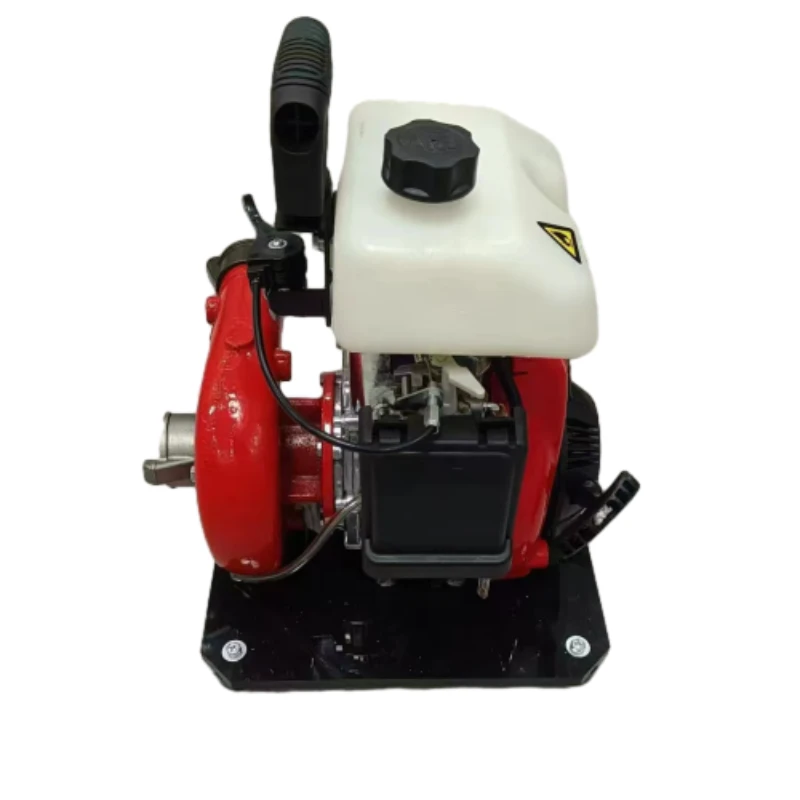
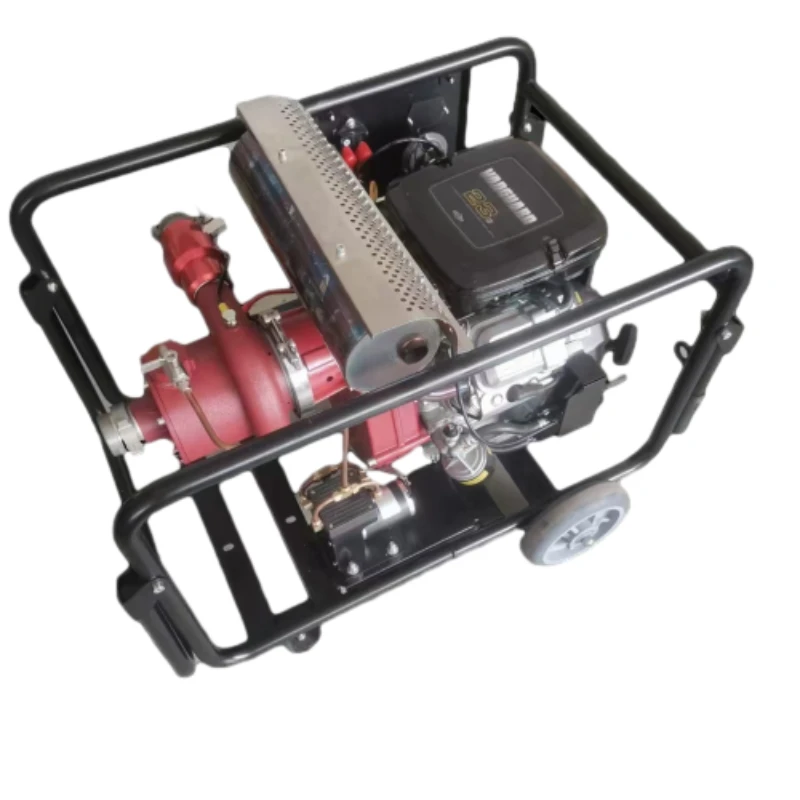
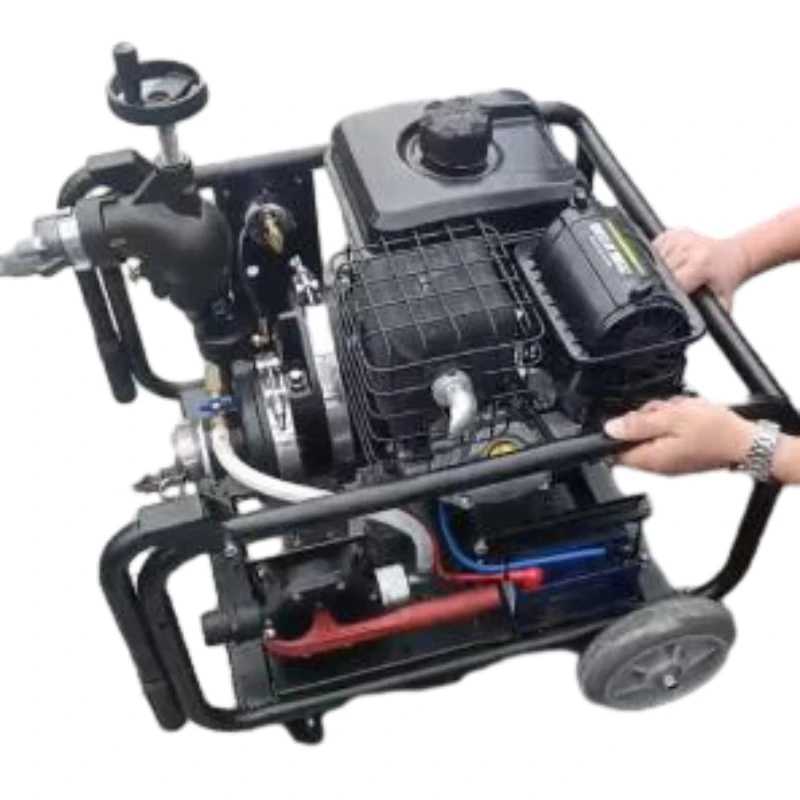
Simply put, a diesel pump hydrant system consists of a diesel engine that powers a centrifugal water pump connected to a fire hydrant or network of hydrants. Unlike electric pumps, these systems rely on diesel fuel, allowing them to operate even during blackouts or in off-grid locations. This makes them a cornerstone of modern fire safety engineering in places where electric power cannot be guaranteed.
Beyond fire fighting, these systems also find use in water transfer operations, irrigation, or emergency flood relief efforts—showing their versatile role in humanitarian and industrial contexts alike.
Core Components and Factors for Effective Diesel Pump Hydrant Systems
1. Durability and Build Quality
The pumps and engines must endure rough usage and extreme weather. Many manufacturers apply corrosion-resistant coatings and use stainless steel impellers to extend life expectancy.
2. Fuel Efficiency
Since they run on diesel, fuel consumption impacts operating costs. Systems optimized for lower diesel use without sacrificing pump pressure are preferable—especially in remote sites where refueling is costly or complicated.
3. Scalability and Flow Rate
Different sites need varying water volumes. Thankfully, diesel pump hydrant systems come in multiple sizes, with flow rates commonly ranging from 500 gallons per minute (GPM) to over 2000 GPM—tailored for small industrial plants or sprawling complexes.
4. Ease of Maintenance
Since expert technicians may not always be nearby, these systems are often designed for straightforward maintenance—think accessible panels, modular parts, and clear service intervals.
5. Compliance with International Fire Safety Standards
Diesel pump hydrants must adhere to standards such as NFPA 20 or ISO 9001 certifications, which ensures testing for reliability, safety, and performance.
Typical Diesel Pump Hydrant Specification
| Specification | Details |
|---|---|
| Pump Type | Single-stage centrifugal |
| Discharge Capacity | 750 - 2000 GPM |
| Engine Power | 100 - 350 HP diesel engine |
| Operating Pressure | 150 - 250 psi |
| Fuel Tank Capacity | 100 - 300 liters |
| Compliance Standards | NFPA 20, ISO 9001 |
Comparing Leading Diesel Pump Hydrant Vendors
| Vendor | Key Strengths | Geographic Reach | Price Range |
|---|---|---|---|
| HydroPro Systems | Fuel efficiency, modular parts | Global (Americas, Asia, Europe) | $$$ |
| FireGuard Tech | Robust durability, quick deployment | EMEA, Middle East | $$ |
| PumpWorks Inc. | High capacity, certified safety | North America, Australia | $$$$ |
Practical Applications Across Industries and Regions
Diesel pump hydrant systems have a surprisingly broad footprint, from remote mining operations in Australia to petrochemical plants in the Gulf, and even emergency setups following natural disasters in Southeast Asia. In post-disaster relief operations, for example, portable diesel-driven pumps enable temporary fire safety and potable water solutions when electric infrastructure is compromised. Similarly, large manufacturing sites in emerging economies rely on these systems to meet strict fire protection codes without upgrading entire electrical grids.
It’s also worth noting that many government agencies and NGOs prefer diesel pump hydrants for their resilience. After all, when power goes out, water pressure can’t be compromised—especially not in hospitals or critical infrastructure where safety is non-negotiable.
Mini takeaway: Diesel pump hydrants live at the intersection of dependable technology and practical necessity, especially in places where power isn’t a given.
The Long-Term Benefits of Diesel Pump Hydrant Systems
- Reliability: Independent diesel engines operate continuously even when electricity fails.
- Cost Efficiency: Lower infrastructure costs mean easier installation in new or remote locations.
- Sustainability: Newer models balance diesel consumption with emissions standards, minimizing environmental impact.
- Safety and Trust: For end-users, diesel pump hydrants offer peace of mind that firefighting support is always on standby.
It feels like a quiet kind of innovation — powering safety behind the scenes, without much fanfare but with enormous impact.
What’s Next? Future Trends in Diesel Pump Hydrant Technology
Future diesel pump hydrants are trending towards hybrid systems that pair diesel power with solar or battery backups, reducing carbon footprints. Additionally, smart sensors and IoT integration are beginning to enhance monitoring remotely—alerting operators about performance drops or required maintenance before failures occur.
On the policy side, stricter emission regulations and sustainability goals are pushing manufacturers to develop cleaner-running engines, often borrowing tech from automotive advances.
Addressing Challenges Head-On
While diesel pump hydrant systems are robust, challenges include fuel dependency—especially in isolated areas—and environmental concerns around diesel emissions. Experts suggest integrating renewable energy where possible and maintaining rigorous fuel management protocols. Moreover, training personnel to perform routine checks and optimize fuel use can add years to system lifespan.
FAQ: Your diesel pump hydrant Questions Answered
- Q: How do diesel pump hydrants compare to electric systems in terms of response time?
A: Diesel systems generally activate as quickly as electric ones; however, because they don’t rely on power grids, they maintain full operation during electricity outages, which can be critical during emergencies. - Q: What maintenance is typically required for diesel pump hydrants?
A: Regular fuel check, engine oil changes, and pump seal inspections are standard. Many models include easy-access panels to simplify these tasks, minimizing downtime. - Q: Can diesel pump hydrants be used in cold climates?
A: Yes, but special antifreeze measures and winterized components may be necessary to prevent freezing and damage. - Q: Are there environmentally-friendly alternatives to diesel pump hydrants?
A: Hybrid systems combining diesel with battery or solar power are emerging, balancing reliable pumping with reduced emissions. - Q: Where can I find certified diesel pump hydrant suppliers?
A: Checking certifications like NFPA 20 and ISO 9001 is a good start. Vendors such as HydroPro Systems and FireGuard Tech have internationally recognized products. Also, explore diesel pump hydrant solutions tailored to your needs.
Conclusion & Next Steps
Diesel pump hydrant systems remain a cornerstone of effective fire safety management globally, especially in locations where power reliability cannot be assumed. Their blend of durability, efficiency, and independence makes them invaluable today and prepares us for a safer tomorrow. If you’re looking to upgrade your facility or plan infrastructure that truly factors in emergencies, diving deeper into diesel pump hydrant options is a smart move.
Curious to learn more or ready to explore specific systems? Visit our website: https://www.ffwfiresafety.com — where expert advice and tailored solutions await.
Sometimes the most dependable safety solutions are the ones quietly humming in the background—but, frankly, they keep everything else working smoothly when it counts the most.








 English
  Arabic
  Bengali
  China
China  French
  German
  Hausa
Hausa  Indonesian
  Italian
  Japanese
  Javanese
  Malay
Malay  Persian
  Portuguese
  Punjabi
  Russian
  Spanish
  Swahili
  Telugu
  Vietnamese