








Understanding Diesel Engine Driven Fire Pumps: What, Why, and How They Matter Globally
When you think of firefighting equipment, what comes to mind? Perhaps hoses, extinguishers, or sprinkler systems. But the unsung hero in many critical fire safety setups is the diesel engine driven fire pump. This device might not be glamorous, but it plays a vital role in protecting lives, infrastructure, and industries all over the world. Understanding these pumps isn't just for engineers or safety officers—it’s essential for anyone involved in industrial safety, emergency planning, or infrastructure management.
Globally, the demand for reliable, self-sufficient fire suppression systems is rising, especially in regions prone to power outages or where electrical supply can’t be guaranteed. Diesel engine driven fire pumps answer this need by providing a steady, powerful flow of water without relying on external electricity. Frankly, they often become the last line of defense in high-risk environments.
Mini takeaway: Diesel engine driven fire pumps are critical because they combine reliability and independence from electric power to meet global fire safety demands.
Global Context: Why Are Diesel Engine Driven Fire Pumps So Important?
According to the World Fire Statistics Centre, fires in industrial and commercial properties cause billions of dollars in damages annually and disrupt essential services in both developed and developing regions.[1] The United Nations Office for Disaster Risk Reduction highlights that infrastructure resilience is key to minimizing fire disaster impact. Here’s the catch: during natural disasters or grid failures, electrical pumps often fail.
Now, picture remote mining operations, offshore oil rigs, or refugee camps. They all require dependable fire suppression but often lack reliable electricity. Diesel engine driven fire pumps fill that gap—they run independently, are robust, and can be quickly maintained. Without them, firefighting efforts might fall flat when power goes out, leaving lives and property vulnerable.
Mini takeaway: Globally, diesel engine driven fire pumps mitigate fire risks where electricity isn’t guaranteed, playing a crucial role in safety across diverse sectors.
What Is a Diesel Engine Driven Fire Pump?
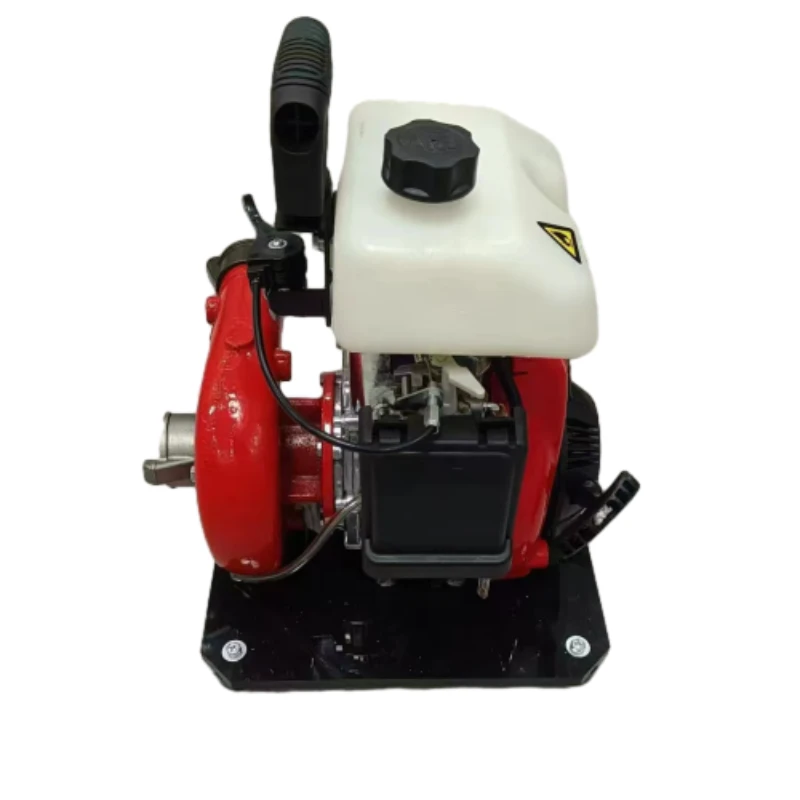
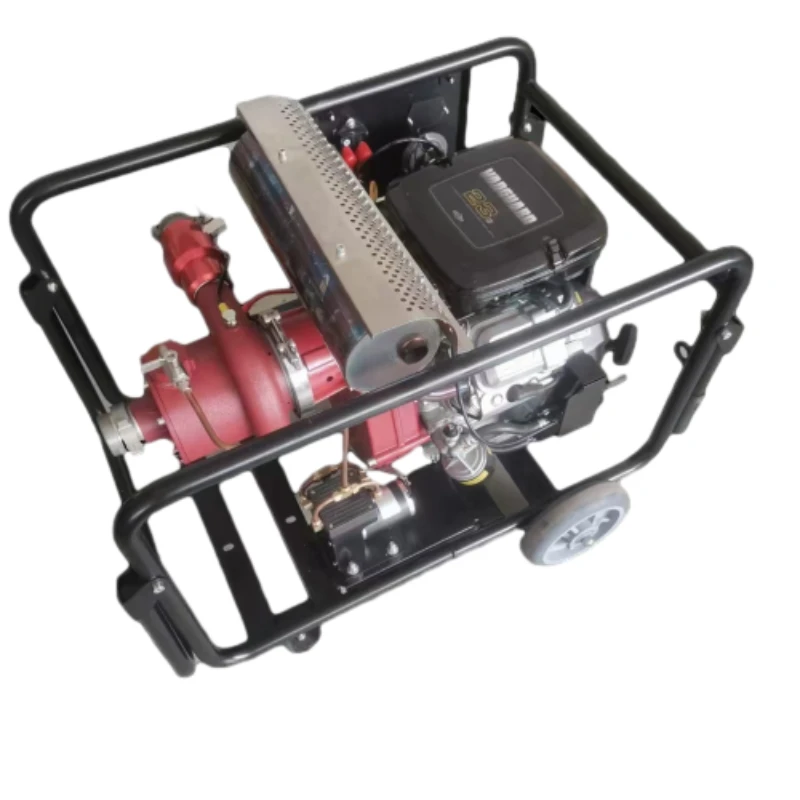
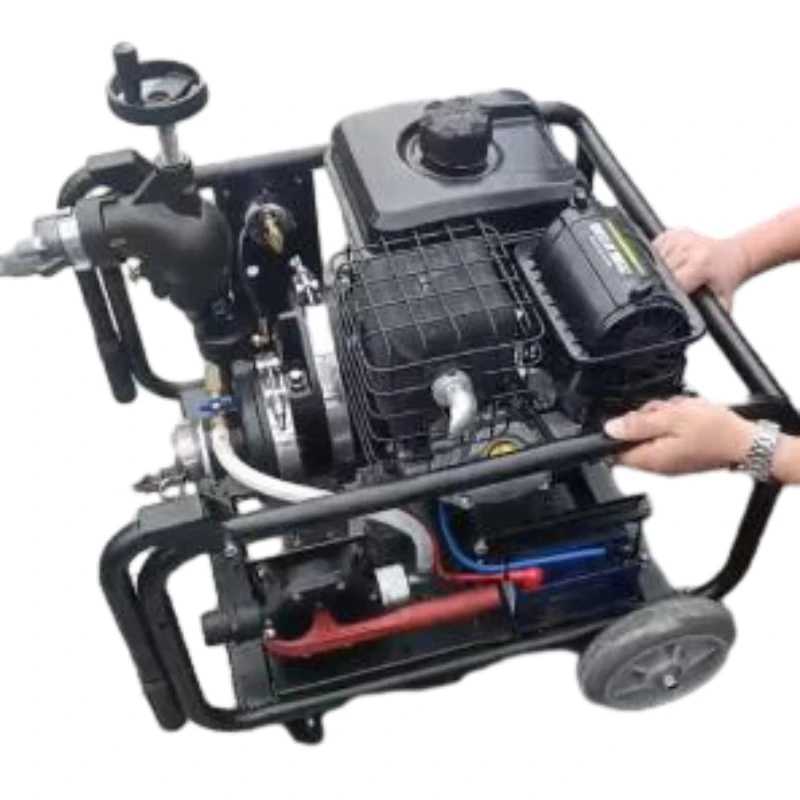
In simple terms, it’s a fire pump powered not by electric motors but by a diesel engine. Unlike electric pumps that depend on grid supply, these pumps generate their own power. Their purpose is to draw water from a source (like a tank, river, or reservoir) and deliver it at high pressure to fire sprinkler systems or hose reels.
Such pumps are often part of fire protection systems required by standards like ISO 21015 and NFPA codes, which enforce safety in industrial and commercial buildings. Their resilience helps humanitarian operations maintain fire safety even under adverse conditions, an essential point in refugee camps or post-disaster settings.
Mini takeaway: Diesel engine driven fire pumps reliably power firefighting systems independently of external electrical sources—key for modern and emergency operations.
Key Factors of Diesel Engine Driven Fire Pumps
1. Durability & Reliability
These fire pumps are designed to withstand harsh environments—from extreme weather to dusty mining sites. The diesel engines powering them are often rugged and field-tested, capable of running continuously during emergencies without faltering.
2. Scalability & Capacity
They come in various sizes and configurations, easily scaled to match the fire safety needs of anything from a small warehouse to a massive refinery. Flow rates typically range from hundreds to thousands of gallons per minute (GPM), ensuring adequate water pressure for diverse risk scenarios.
3. Cost Efficiency & Maintenance
While initial costs may be higher than electric pumps, diesel-driven models save money in areas where electricity is unreliable or expensive. Maintenance is straightforward but requires skilled technicians—diesel engines aren’t plug-and-play, after all.
4. Compliance & Certification
Most diesel engine driven fire pumps meet stringent international standards like NFPA 20. This ensures safety, operational readiness, and helps facilities pass inspections quickly.
5. Rapid Deployment Capability
Often mounted on mobile skid units, these pumps can be moved or installed swiftly—especially handy in emergency relief efforts or temporary industrial setups.
| Specification | Detail |
|---|---|
| Power Source | Diesel Engine (various HP ratings) |
| Flow Rate | 500 to 3000+ GPM |
| Max Pressure | 150-175 psi (varies by model) |
| Fuel Tank Capacity | 50-150 gallons (depending on runtime needs) |
| Standards Compliance | NFPA 20, UL, ISO Certified |
Mini takeaway: The balance between durability, scalability, and compliance makes diesel engine driven fire pumps indispensable in fire safety.
Global Applications & Use Cases
Oddly enough, these pumps find their way into some of the most challenging and diverse environments worldwide:
- Industrial Zones: Heavy manufacturing plants and refineries often depend on diesel fire pumps due to the critical need for uninterrupted fire protection.
- Remote Oil & Gas Fields: Offshore rigs and desert fields where power is unstable or absent altogether.
- Disaster Relief Operations: After hurricanes or earthquakes, water and power infrastructure may be compromised. Diesel engine driven fire pumps provide reliable fire control in temporary camps and shelters.
- Large Commercial Buildings: Shopping centers and hospitals frequently incorporate these pumps into their safety design to ensure compliance and back-up functionality.
- Municipal Fire Services: Some fire departments employ diesel-driven pumps on mobile units for rapid response in areas without fire hydrants or municipal water supply.
Mini takeaway: Whether in bustling cities, isolated industrial sites, or emergency zones, diesel engine driven fire pumps deliver dependable fire safety.
Advantages & Long-Term Value
The advantages are both practical and profound:
- Dependability: You'll almost never lose pressure due to electricity failure—crucial when seconds count.
- Cost Savings: Lower operating costs over time in areas where power is unreliable or costly.
- Social Impact: Protects lives, assets, and supports community resilience during disasters.
- Environmental Considerations: Advances in diesel engine technology are reducing emissions, and combined with appropriate containment, environmental risks are minimized.
- Safety & Trust: Fire safety planners appreciate the proven reliability these pumps provide, instilling confidence in facilities’ readiness.
Mini takeaway: The logical benefits of performance and cost complement the emotional reassurance these pumps provide.
Future Trends & Innovations
The firefighting industry isn't static—diesel engine driven fire pumps are evolving. Some trends worth watching:
- Cleaner Fuels & Emissions Controls: Next-gen pumps integrate Tier 4 diesel engines with emissions scrubbing, complying with strict environmental regulations.
- Automation & Remote Monitoring: IoT-enabled sensors can provide real-time status updates, predictive maintenance alerts, and remote start/stop control.
- Hybrid Systems: Combining diesel engines with battery-backed electric systems can improve efficiency and reduce fuel consumption.
- Lightweight Materials: New alloys and composites improve portability and reduce corrosion risks.
Mini takeaway: Digital innovation and environmental trends are shaping the future of diesel engine driven fire pumps, keeping them relevant and effective.
Common Challenges & How Experts Address Them
Of course, no technology is perfect. Diesel engine driven fire pumps face challenges, including:
- Fuel Storage & Supply: Managing diesel safely on-site is a logistic hurdle, especially in remote areas.
- Regular Maintenance Needs: Diesel engines require skilled upkeep to prevent downtime—an ongoing cost and training investment.
- Loud Operation: Noise can be an issue in certain environments, requiring soundproof enclosures.
Experts recommend comprehensive maintenance schedules, onsite fuel management protocols, and the use of enclosures or barriers to minimize noise pollution. Additionally, diesel engine driven fire pump vendors often provide training and remote diagnostics support to reduce operational risks.
Mini takeaway: Challenges are acknowledged, but with proper management and innovation, issues are successfully mitigated.
Frequently Asked Questions About Diesel Engine Driven Fire Pumps
Q1: How long can a diesel engine driven fire pump run during an emergency?
A: Most pumps have fuel tanks designed to run continuously for 4 to 8 hours without refueling, but this depends on the engine size and load. Additional fuel storage or quick refueling is usually planned for prolonged use.
Q2: Are diesel engine driven fire pumps suitable for marine applications?
A: Yes, many marine and offshore safety systems use diesel fire pumps because of their reliability in environments where electricity can’t be trusted. These pumps are configured with corrosion-resistant materials appropriate for saltwater exposure.
Q3: What maintenance routines are required?
A: Routine checks include engine oil changes, fuel filter replacements, battery testing, and pump performance inspections. Typically, monthly operational tests plus annual comprehensive servicing are recommended.
Q4: Can diesel pumps be connected to existing fire water systems?
A: Absolutely. Most diesel engine driven fire pumps are designed to integrate with existing fire sprinkler and hydrant networks, ensuring seamless operation during emergencies.
Q5: Is it complex to obtain certifications for diesel fire pumps?
A: As long as the pump complies with recognized standards like NFPA 20, UL listing, or ISO certifications, vendors often assist with documentation and inspection processes.
Vendor Comparison: Leading Diesel Engine Driven Fire Pump Options
| Vendor | Engine Power (HP) | Max Flow (GPM) | Fuel Efficiency | Compliance | Additional Features |
|---|---|---|---|---|---|
| Brand A | 250 HP | 2000 GPM | Medium | NFPA 20, UL | Remote monitoring, soundproofing |
| Brand B | 300 HP | 2500 GPM | High | NFPA 20, ISO | Hybrid electric-start, emissions control |
| Brand C | 200 HP | 1500 GPM | Low | UL Listed | Compact skid design, quick deployment |
Conclusion: Why Diesel Engine Driven Fire Pumps Deserve Your Attention
So, it feels like diesel engine driven fire pumps quietly safeguard many parts of our industrial and humanitarian world. Their ability to operate independently from the power grid, rugged durability, and compliance with safety codes make them an essential tool in fire protection strategies worldwide. Whether in bustling urban skyscrapers or remote emergency camps, they deliver peace of mind.
If your facility or organization needs reliable fire safety systems that won't fail when you need them most, exploring diesel engine driven fire pumps is a wise move. For a deeper dive into specs and custom solutions, visit diesel engine driven fire pump options available today.
Mini takeaway: Investing in diesel engine driven fire pumps is investing in resilience, safety, and long-term value for any critical infrastructure.
References:





 English
  Arabic
  Bengali
  China
China  French
  German
  Hausa
Hausa  Indonesian
  Italian
  Japanese
  Javanese
  Malay
Malay  Persian
  Portuguese
  Punjabi
  Russian
  Spanish
  Swahili
  Telugu
  Vietnamese