








Understanding the Diesel Driven Fire Pump: A Lifeline in Emergency Firefighting
Globally, the race against fire is a race against time, and equipment like diesel driven fire pumps often stand between catastrophe and controlled safety. But beyond firefighting, these pumps play substantial roles in industries and regions where power reliability and robust fire defense are non-negotiable. Grasping their design, utility, and evolving role isn’t just for specialists — it’s crucial for planners, emergency responders, and industries aiming for resilience in volatile environments.
Global Relevance and Industry Landscape
Fire incidents worldwide claim thousands of lives and billions in property damage annually. Per the UN Fire Safety data, timely and effective response is notably hindered in areas with unstable power grids or remote locations. Diesel driven fire pumps fill this urgent gap by providing reliable, high-power firefighting capability even when electrical networks fail.
Oddly enough, in many developing regions prone to wildfires or industrial mishaps, the diesel pump is the quiet hero enabling quick containment. Facing climate change-linked fire risks, governments and industries from Southeast Asia to parts of Africa are emphasizing diesel pump deployment in their firefighting arsenals.
Diesel driven fire pumps tackle core problems: low dependency on electrical supply, mobility in rugged terrain, and powerful water delivery. The stakes? Lives, industrial continuity, ecological preservation — all rely on these machines working flawlessly.
What Is a Diesel Driven Fire Pump?
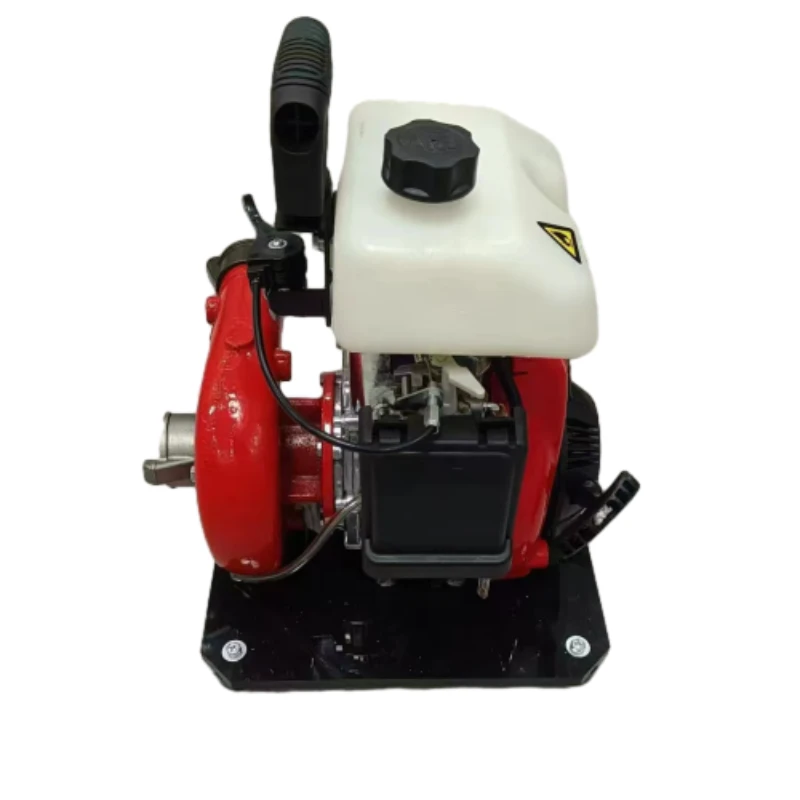
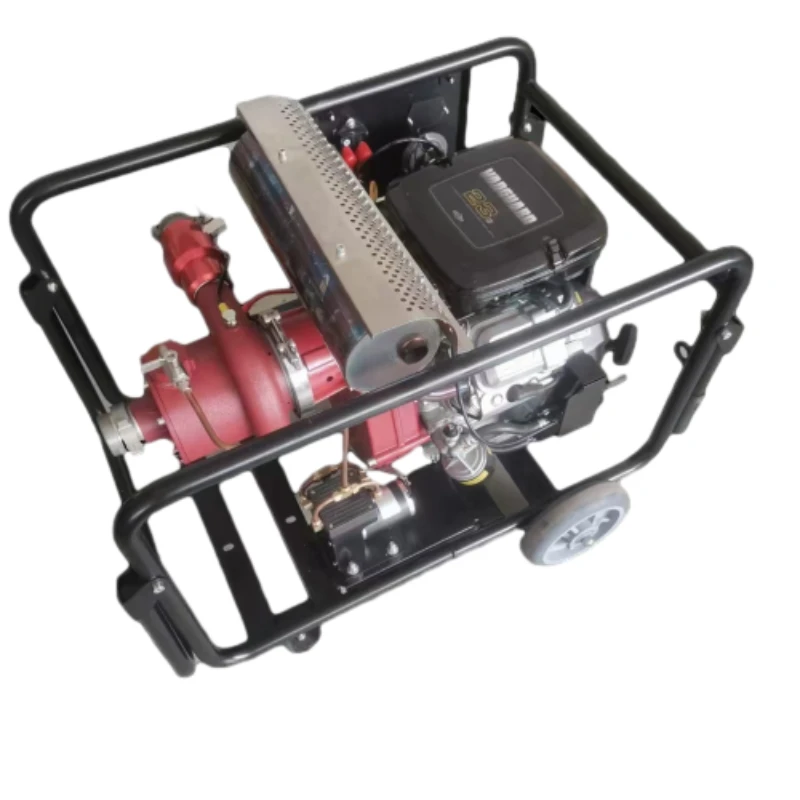
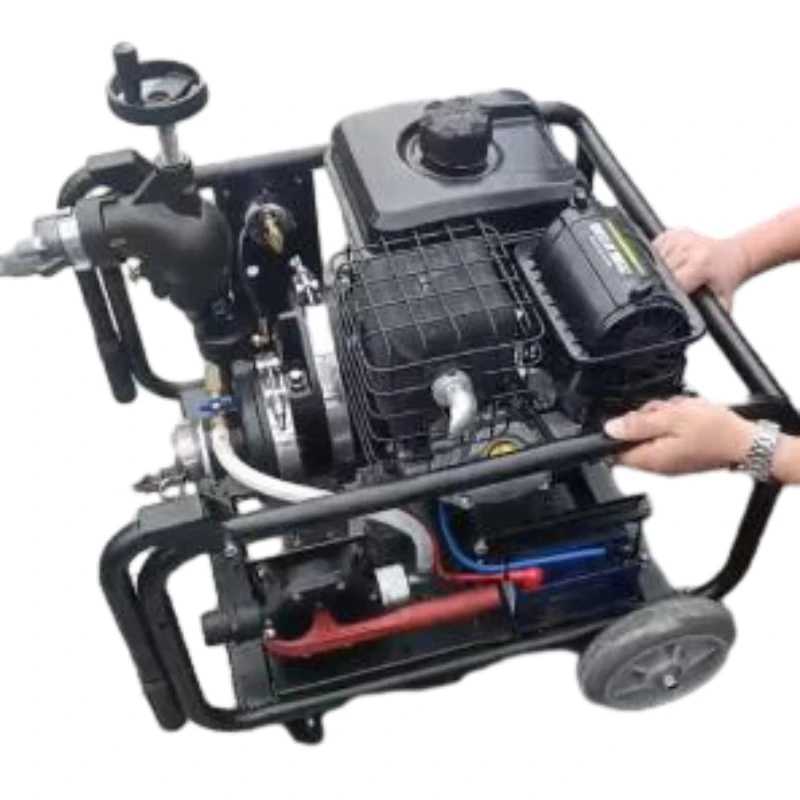
Simply put, a diesel driven fire pump is a high-capacity centrifugal pump powered by a diesel engine, designed to draw and propel water or firefighting agents effectively during emergencies. Unlike electric pumps, it’s self-sufficient — it doesn’t need an electricity supply, which is critical when fires knock out power.
The pump pairs rugged engineering with rapid deployment, often serving industrial sites, municipal fire brigades, and remote installations where automotive fuel access is easier than electrical infrastructure. It’s a linchpin in the modern firefighting ecosystem, bridging technology with emergency needs worldwide.
Core Components and Key Factors
1. Durability and Reliability
Diesel engines are renowned for robust operation under harsh conditions. These pumps are built from corrosion-resistant materials (cast iron, stainless steel) to withstand both intense heat and prolonged exposure to water and chemicals.
2. High Performance Capacity
The capacity to pump thousands of gallons per minute at considerable pressure is crucial. Diesel drives manage heavy-duty output with consistent torque, essential for quickly saturating fire zones or maintaining industrial safety protocols.
3. Portability and Scalability
Despite their power, many diesel driven fire pumps are designed for mobile setups on trailers or trucks. This allows rapid relocation and scalability depending on incident size or industrial demand.
4. Self-Contained Operation
No external power source means functionality during blackouts or natural disasters where grid dependency is a vulnerability.
Product Specifications – Example Model
| Specification | Detail |
|---|---|
| Engine Type | Diesel, 4-cylinder, turbocharged |
| Pump Capacity | 2500 GPM (Gallons Per Minute) |
| Max Pressure | 150 PSI |
| Power Output | 120 kW (160 HP) |
| Fuel Tank Capacity | 150 liters, continuous operation ~6 hrs |
Mini takeaway: A well-designed diesel driven fire pump merges engine toughness and pump velocity — the heart of efficient firefighting logistics where electricity can’t reach.
Global Applications and Use Cases
- Post-Disaster Relief: In earthquake aftermaths or flood zones, diesel pumps restore water supply and help control fires when infrastructure is crippled.
- Remote Mining or Industrial Sites: Often off-grid, these sites depend on diesel pumps for fire safety compliance and emergency water delivery.
- Wildfire Response Units: Mobile diesel pumps form the backbone of rapid wildfire containment in regions like California or Australia.
- Maritime Firefighting: Ships and offshore platforms leverage these pumps as they’re independent of vessel power systems.
Vendor Comparison of Popular Diesel Driven Fire Pumps
| Vendor | Max Flow (GPM) | Pressure (PSI) | Fuel Efficiency | Price Range (USD) |
|---|---|---|---|---|
| PumpMaster Inc. | 2800 | 160 | 8 L/hr | $45,000–$55,000 |
| FireSafe Solutions | 2500 | 150 | 7.5 L/hr | $48,000–$52,000 |
| SafePump Corp. | 2300 | 140 | 7 L/hr | $42,000–$50,000 |
Mini takeaway: Choosing between vendors is often a balance between capacity, fuel efficiency, and cost — but reliability and after-sales support tip the scales for many buyers.
Advantages and Long-Term Value
Owning a diesel driven fire pump means investing in:
- Dependable Performance: Even in power outages or natural calamities, water delivery never stops.
- Cost-Effectiveness: Less downtime means fewer losses. Diesel engines generally offer easier fuel logistics in remote sites.
- Sustainability Potential: Modern engines are integrating cleaner combustion technologies, reducing emissions.
- Peace of Mind: Industrial managers and residents feel safer knowing firefighting is guaranteed under adverse conditions.
Future Trends and Innovations
The sector is buzzing with some promising developments, like:
- Hybrid Diesel-Electric Systems: Combining grid power when available with diesel as backup for improved efficiency.
- IoT Integration: Remote monitoring and diagnostics improving maintenance and readiness.
- Alternative Fuels: Experiments with biodiesel for greener operations.
- Enhanced Materials: Use of lighter, corrosion-resistant composites for easier transport and longer lifespan.
Challenges and Smart Solutions
Despite their reliability, diesel driven fire pumps face some hurdles:
- Fuel Dependency: Supply chain disruptions can impede operation — but onsite fuel storage planning helps.
- Noise and Emissions: Still higher than electric alternatives, prompting quieter, cleaner engine R&D.
- Maintenance Complexity: Requires trained personnel for best results, so investing in training is key.
Many experts argue that the solution lies in integrated firefighting systems: pairing diesel pumps with renewable-powered or electric complements for optimal readiness.
FAQ: Frequently Asked Questions About Diesel Driven Fire Pumps
- Q: How long can a diesel driven fire pump operate continuously in an emergency?
- A: Most diesel pumps run efficiently for around 4-6 hours on a full tank, but with auxiliary fuel tanks or refueling strategies, continuous operation can be extended without interruption.
- Q: Are diesel driven fire pumps suitable for remote locations without electricity?
- A: Absolutely. Their standalone power source makes them ideal for off-grid areas, mines, and disaster zones where dependable firefighting capability is needed regardless of electrical infrastructure.
- Q: What maintenance is required for these pumps to ensure reliability?
- A: Routine tasks include engine checks, fuel quality monitoring, lubrication, and periodic testing. Proper training for operators significantly boosts reliability and prevents unexpected breakdowns.
- Q: Can diesel driven fire pumps handle foam or chemical firefighting agents?
- A: Yes, many models are compatible with foam induction systems, making them versatile enough to tackle chemical or flammable liquid fires beyond just water application.
Conclusion and Call to Action
In real terms, investing in a diesel driven fire pump is choosing resilience, safety, and long-term operational assurance. Whether confronting wildfires, industrial hazards, or emergency blackouts, these pumps remain a steadfast ally. For comprehensive solutions and expert guidance, visit FFW Fire Safety, your trusted partner in dependable firefighting technology.
Reflecting on these vital machines, it feels like diesel driven fire pumps quietly carry the weight of countless emergencies. They are the unsung engines of safety that we often only miss when they’re absent.





 English
  Arabic
  Bengali
  China
China  French
  German
  Hausa
Hausa  Indonesian
  Italian
  Japanese
  Javanese
  Malay
Malay  Persian
  Portuguese
  Punjabi
  Russian
  Spanish
  Swahili
  Telugu
  Vietnamese