








Understanding the Diesel Engine Fire Pump: What Makes It Essential Worldwide
When it comes to fire safety equipment that can function reliably in harsh conditions, the diesel engine fire pump stands out as an indispensable asset. Used globally in industries ranging from oil & gas to municipal infrastructure, this pump plays a critical role in safeguarding lives and assets. But why exactly does it matter so much? And what benefits come from understanding the nuances of diesel engine fire pumps? For one, these pumps offer powerful, dependable fire suppression where electricity might fail or be unavailable — think remote construction sites, offshore rigs, or disaster relief zones. They ensure water pressure and flow remain steady even under extreme circumstances, literally making the difference between containment and catastrophe.
In this article, you'll get a clear picture of how these pumps work, their key components, global applications, and future prospects. You might even find some insights useful whether you’re a safety engineer, procurement lead, or just curious about how fire safety technology adapts to real-world challenges.
Why Diesel Engine Fire Pumps Hold Global Importance
Fire pumps are critical for reliable firefighting systems worldwide, and diesel engines, in particular, have a unique edge. According to the International Organization for Standardization (ISO 8528), diesel-driven fire pumps are preferred in many regions due to their independence from electrical grids — a huge advantage in emergency scenarios where power outages often occur. The UN’s global disaster reports cite infrastructure failure as a major contributor to fire damage; diesel engine fire pumps mitigate this risk by providing autonomous operation.
One challenge, however, is ensuring these pumps operate smoothly and meet regulations across diverse environments — from the humid tropics to the arid Middle East — which is why understanding the technology behind them is vital.
What Exactly Is a Diesel Engine Fire Pump?
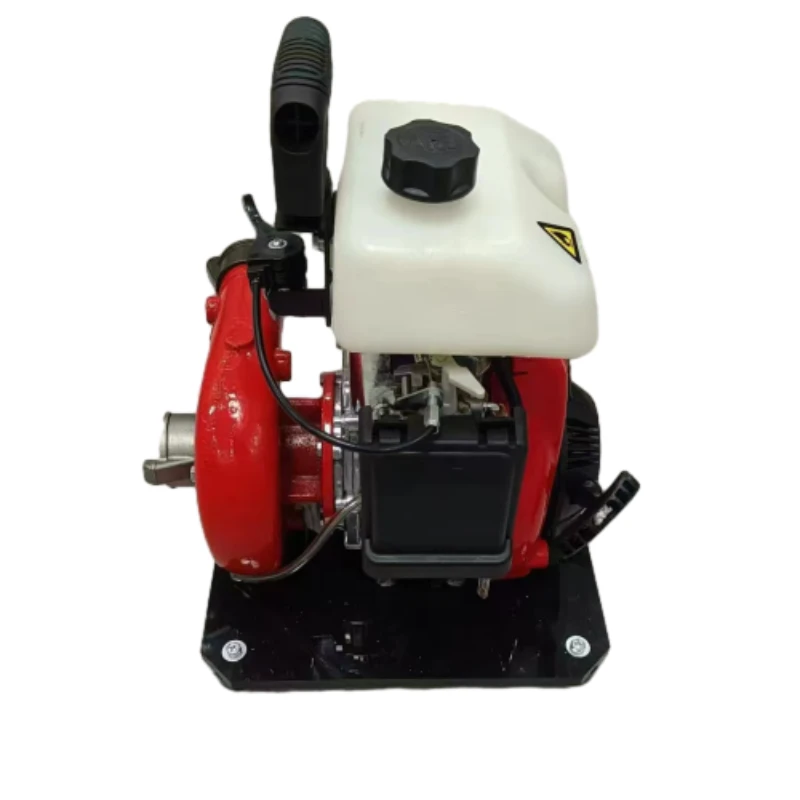
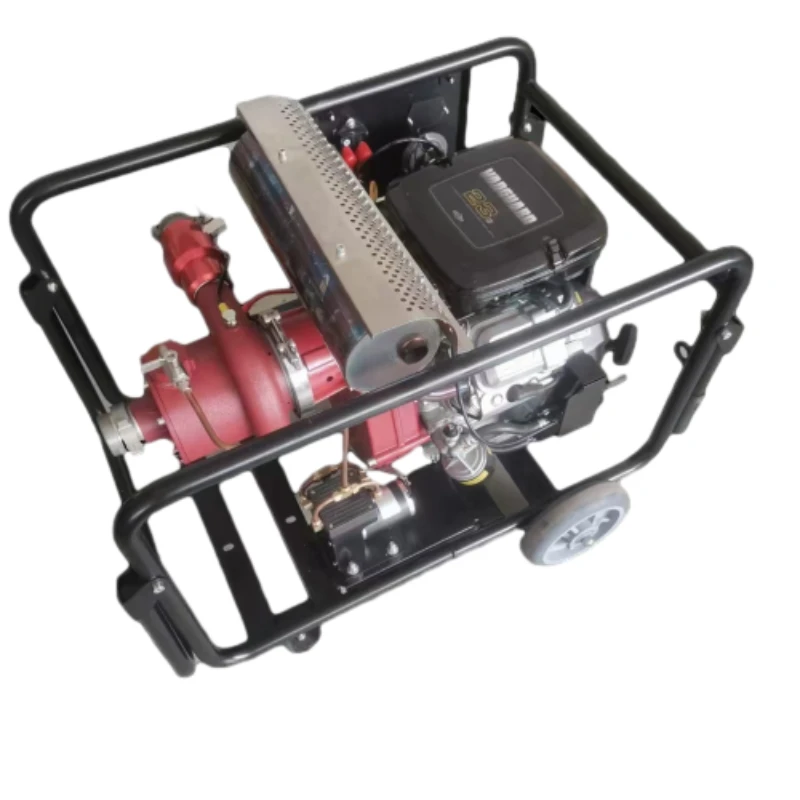
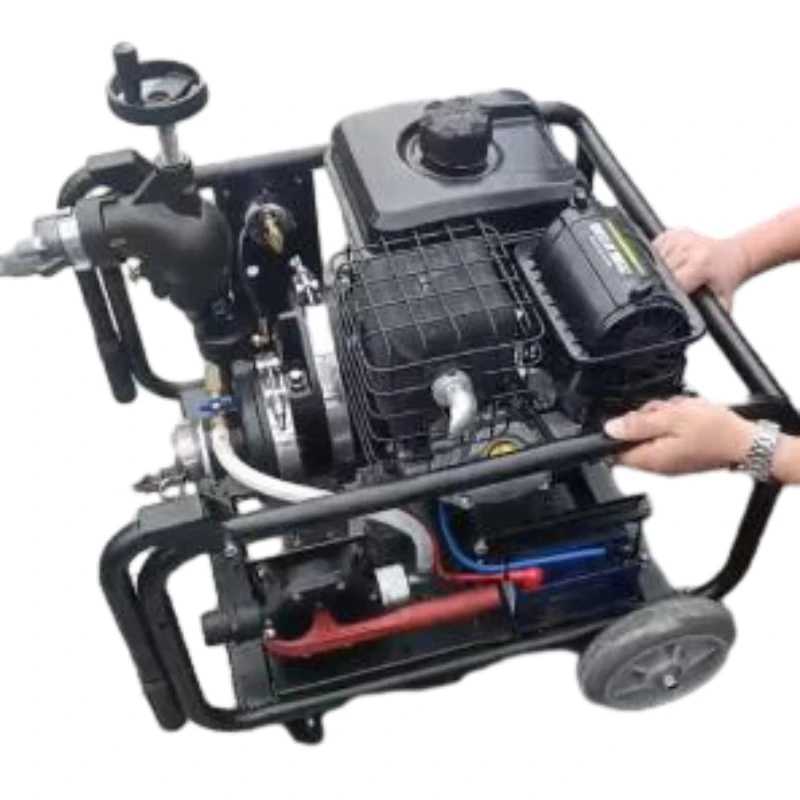
Simply put, a diesel engine fire pump is a specialized water pump powered by a diesel engine designed primarily for fire protection systems. Unlike electric fire pumps, it doesn't rely on external electrical power, making it the go-to choice for areas prone to blackouts or where electricity infrastructure isn’t reliable.
Modern industry depends heavily on these pumps to maintain fire water supply during emergencies. Whether it’s at an offshore oil platform or a remote warehouse, diesel engine fire pumps help keep operations safe by providing a dependable firefighting water source.
Core Components and What Makes Them Tick
1. Durability
These pumps are built tough — often housed in weatherproof enclosures and using corrosion-resistant materials. Diesel engines themselves are rugged, designed for extended periods of operation in extreme environments.
2. Scalability
Fire pumps come in various capacities, ranging from small units delivering a few hundred gallons per minute to massive systems that can pump thousands of gallons. This scalability is crucial depending on the size and risk profile of the facility.
3. Cost Efficiency
While diesel engine fire pumps might have a higher upfront cost than electric ones, their operational reliability and lower maintenance in certain contexts make them cost-effective over time. Fuel storage and engine servicing are practical considerations here.
4. Compliance and Testing
Manufacturers and installers must adhere to strict standards such as NFPA 20 and ISO 7206. Regular testing ensures the pumps kick in immediately during emergencies, a factor that literally cannot be compromised.
Product Specification Snapshot
| Specification | Typical Range |
|---|---|
| Pump Capacity (GPM) | 500 – 5000+ gallons per minute |
| Operating Pressure (PSI) | 150 – 300 PSI |
| Engine Power Output | 50 – 400 HP (Horsepower) |
| Fuel Type | Diesel (ULSD compliant) |
| Noise Level | 65 – 85 dB (depending on enclosure) |
Where Diesel Engine Fire Pumps Make Real-World Impact
Industry experts note that these pumps become lifelines in many tough-to-access zones. For example:
- Remote Industrial Zones: Mining operations in Australia or Canada often rely on diesel pumps since electrical supply is spotty.
- Post-Disaster Relief: After hurricanes or earthquakes, emergency responders deploy diesel fire pumps to sustain firefighting efforts even when power grids fail.
- Oil & Gas Sector: Offshore platforms require resilient fire pumps to meet strict safety regulations and withstand corrosive marine environments.
These examples show how diesel engine fire pumps contribute not just to safety but also to operational continuity across the globe.
Mini Takeaway:
Diesel engine fire pumps power crucial fire-protection efforts wherever power supply can’t be taken for granted, proving invaluable in remote or disaster-affected areas.
Advantages and the Long-Term Value You Can Count On
Why choose a diesel engine fire pump? For starters, they bring unmatched reliability. You can’t exactly have a fire and worry whether the pump will kick in because of a blackout. Plus, they’re often easier to maintain in rugged environments where electric systems might fail faster.
On a broader scale, diesel pumps support community safety and trust; they’re a physical manifestation of preparedness. Additionally, fuel efficiency has improved over the years, reducing costs and environmental footprint (still, diesel is diesel — so with care!). They align well with sustainability goals when properly maintained and paired with alternative fuels or hybrid systems.
Looking Ahead: Future Trends & Innovations
The diesel engine fire pump market is evolving along with advances in digital monitoring and hybrid powertrains. For example, real-time IoT diagnostics enable predictive maintenance so downtime is minimized. Manufacturers are also experimenting with bio-diesel fuels and improved emission controls to reduce environmental impact.
And oddly enough, we’re seeing some crossover between diesel and electric fire pumps, blending quick-start electric motors with diesel engine backup systems — a sort of best-of-both-worlds approach that could shape future fire safety solutions.
Challenges & Expert Solutions
Of course, diesel engine fire pumps aren’t perfect. They can be bulky and sometimes noisy, which complicates installation in noise-sensitive areas. Fuel storage presents logistical hurdles, particularly in disaster-prone zones. Emission regulations also demand cleaner engines, pushing manufacturers to innovate fast.
Practical solutions include better soundproof enclosures, comprehensive maintenance training, and integrating digital control systems that alert operators well before failures occur. Industry experts stress the importance of tailor-made solutions — no one-size-fits-all here.
Vendor Comparison: Leading Diesel Engine Fire Pump Manufacturers
| Vendor | Engine Type | Output Range (HP) | Notable Feature |
|---|---|---|---|
| PumpMaster Inc. | 4-stroke diesel | 100 – 350 HP | Modular soundproof enclosures |
| SafeFlow Systems | Turbocharged diesel | 150 – 400 HP | Integrated IoT monitoring |
| FireGuard Solutions | Eco-friendly diesel variants | 75 – 300 HP | Emissions optimized engines |
Frequently Asked Questions About Diesel Engine Fire Pumps
- How long can a diesel engine fire pump operate continuously during an emergency?
- Most diesel engine fire pumps can operate continuously for several hours, usually 4 to 8 depending on their fuel tank capacity and maintenance status. For extended operations, onsite fuel replenishment or larger tanks are necessary to ensure no interruption.
- Are diesel engine fire pumps suitable for indoor use given noise concerns?
- Yes, but they typically require sound attenuating enclosures to comply with noise regulations. Many manufacturers offer modular, weatherproof, and soundproof housing specifically designed for indoor or noise-sensitive environments.
- What maintenance routines are critical for diesel engine fire pumps?
- Regular inspections include checking fuel quality, lubricating engine parts, testing automatic start systems, and ensuring water seals are intact. Most standards recommend monthly testing and annual full-performance inspections.
- Can diesel engine fire pumps be integrated with electric pump systems?
- Absolutely. Hybrid systems are gaining popularity to combine the reliability of diesel engines with the quick start and lower emissions of electric pumps. This hybrid setup provides operational flexibility under various conditions.
Conclusion: Why Diesel Engine Fire Pumps Are a Long-Term Safety Investment
By now, it’s clear that diesel engine fire pumps play a critical role in fire safety — especially where power reliability is questionable. Their durability, scalability, and increasingly advanced technology make them a cornerstone of industrial and municipal fire suppression systems worldwide. Investing in one isn’t just about equipment — it’s about peace of mind, sustainability, and long-term resilience.
Curious to learn more or to find the right diesel engine fire pump for your needs? Visit our website at https://www.ffwfiresafety.com and explore solutions crafted for real-world fire safety challenges.
Mini Takeaway:
Diesel engine fire pumps combine engineering robustness with practical reliability, creating safety nets that whole industries and communities depend on. They’re worth understanding — and investing in — for anyone serious about fire protection.
References:





 English
  Arabic
  Bengali
  China
China  French
  German
  Hausa
Hausa  Indonesian
  Italian
  Japanese
  Javanese
  Malay
Malay  Persian
  Portuguese
  Punjabi
  Russian
  Spanish
  Swahili
  Telugu
  Vietnamese