

wechat
d3f465e7-84e5-42bb-9e8a-045675d7acbb.webp1
whatsapp
736c7497-0c03-40d4-ba30-fc57be1a5e23.webp1
mailto
up
0%

Table of Contents

When seconds count during a fire emergency, the reliability of the water supply system depends entirely on the power source driving the pump. A diesel engine for fire fighting pump serves as the critical heartbeat of these systems, providing an independent and robust energy source that functions regardless of the electrical grid's status. In high-stakes environments, this independence is not just a technical preference but a life-saving necessity.

Globally, the demand for high-performance pumping solutions is rising as industrial complexes and urban infrastructures grow in complexity. The integration of a specialized diesel engine ensures that fire suppression systems can deliver massive volumes of water at high pressures instantly. Whether it is protecting a remote warehouse or a high-rise residential building, the synergy between the engine and the pump determines the effectiveness of the first response.

Understanding the nuances of choosing the right diesel engine for fire fighting pump involves balancing torque, fuel efficiency, and rapid-start capabilities. By investing in high-grade diesel propulsion, facility managers and safety engineers can ensure compliance with international fire safety standards while significantly reducing the risk of catastrophic property loss and ensuring the safety of human lives.
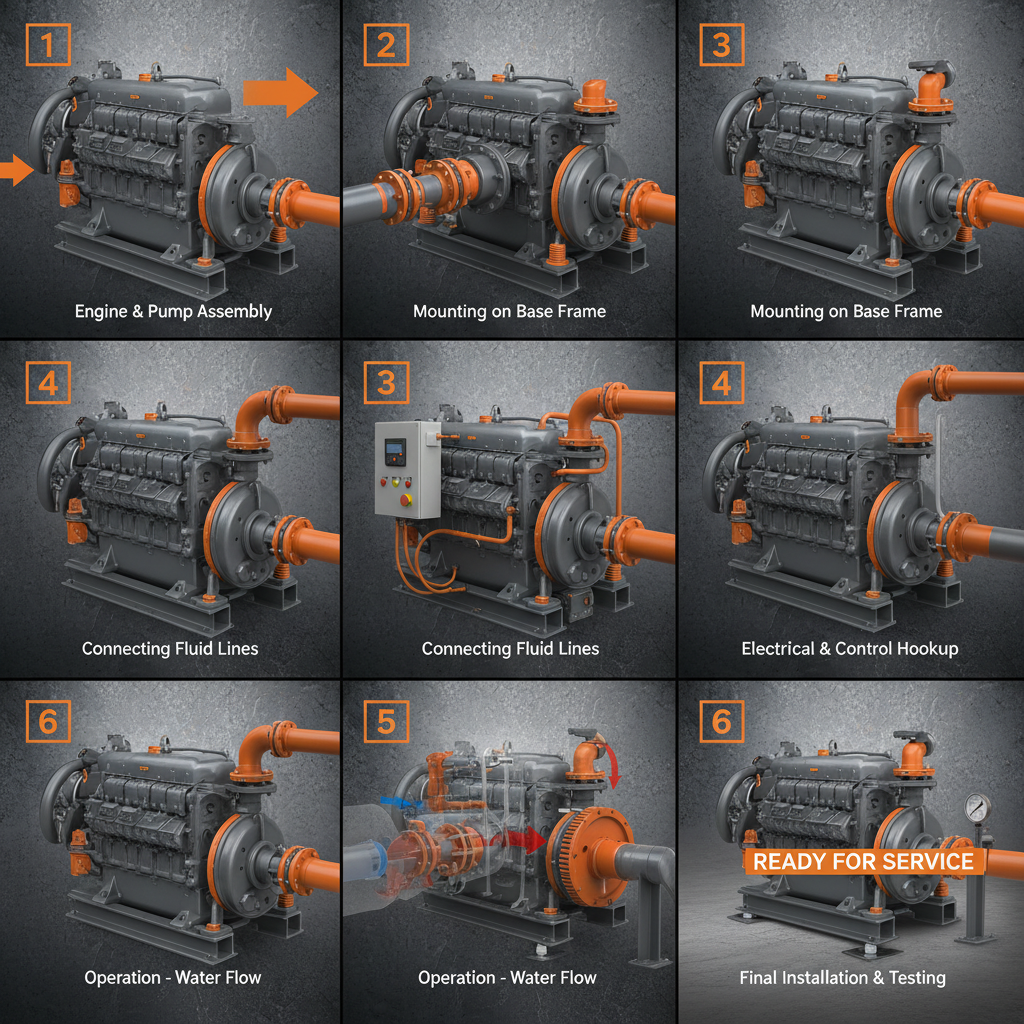
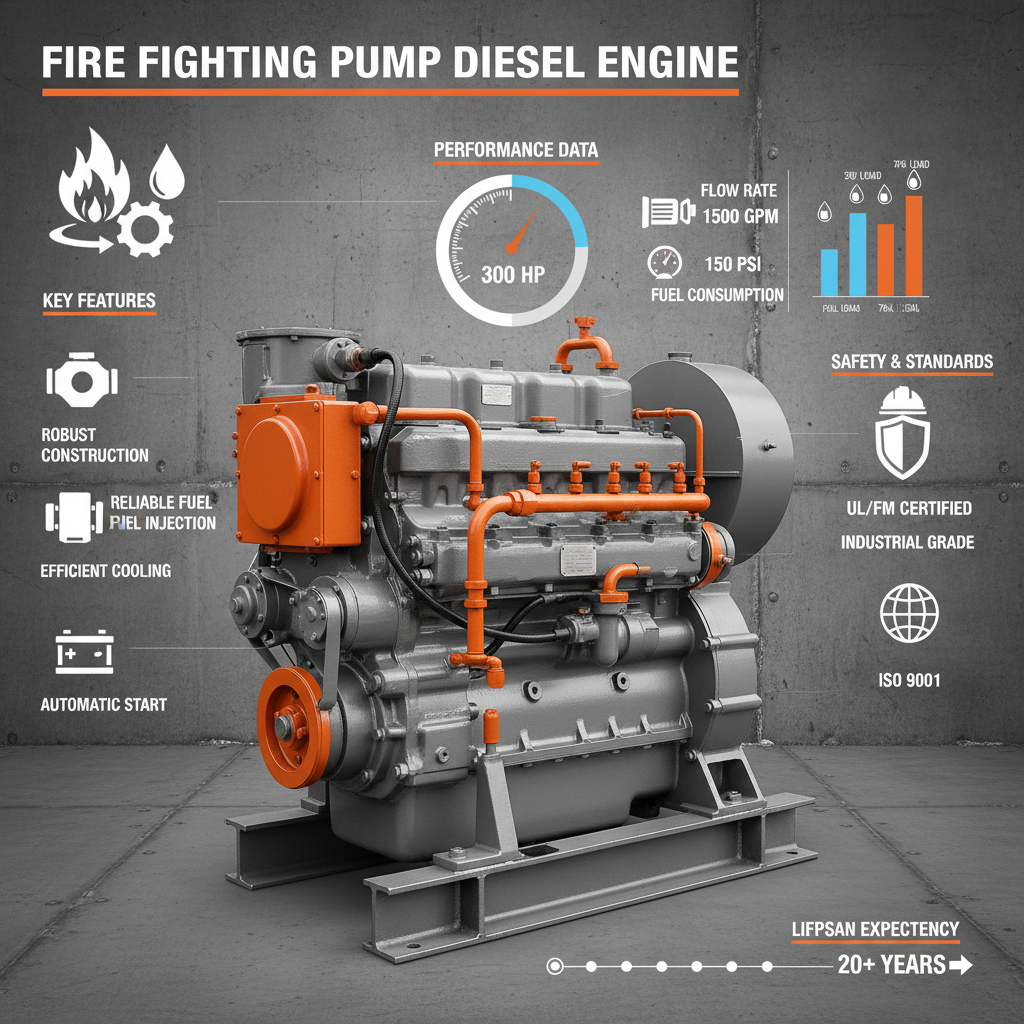
High Performance Diesel Engine for Fire Fighting Pump Solutions

Global Relevance of Diesel Propulsion in Firefighting

High Performance Diesel Engine for Fire Fighting Pump Solutions

Across the globe, fire safety regulations such as NFPA 20 emphasize the necessity of redundant power sources. The reliance on a diesel engine for fire fighting pump is widespread because electrical failures are common during major fire incidents. When power lines melt or circuit breakers trip, a diesel-driven system ensures that water continues to flow, preventing a controllable fire from becoming an uncontrollable disaster.

From the industrial hubs of Asia to the sprawling refineries in the Middle East, the diesel engine provides a level of autonomy that electric motors cannot match. Statistics from global safety audits indicate that facilities equipped with independent diesel-driven fire pumps have a significantly higher success rate in early-stage containment, reducing total losses by an average of 30% in large-scale industrial accidents.

Defining the Diesel Engine for Fire Fighting Pump

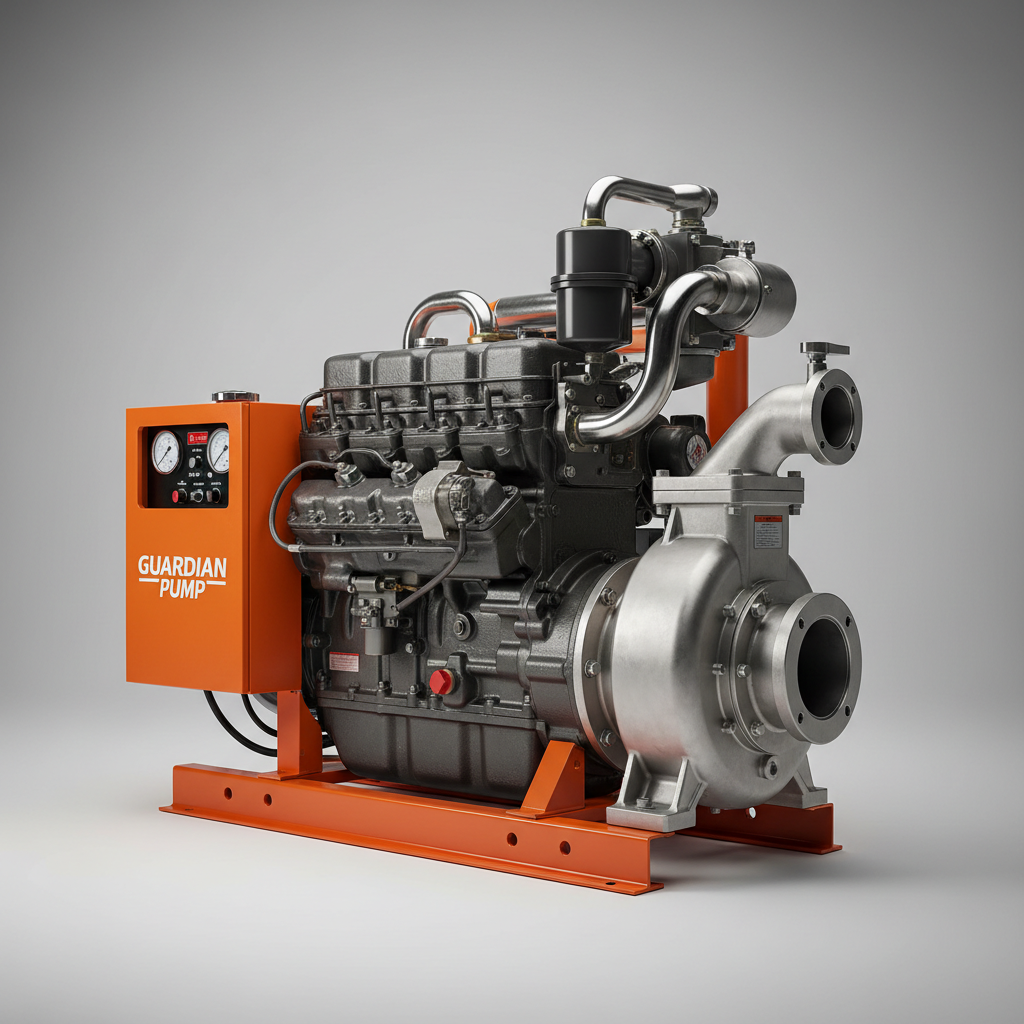
In simple terms, a diesel engine for fire fighting pump is a heavy-duty internal combustion engine specifically tuned to drive a centrifugal or positive displacement pump. Unlike commercial diesel engines used in transport, these units are engineered for "standby readiness," meaning they must be capable of jumping from a cold start to full operating load in a matter of seconds.

These engines are the bridge between the available water source (such as a reservoir or hydrant) and the fire hoses. By converting chemical energy from diesel fuel into mechanical torque, the engine rotates the pump impeller at high speeds, creating the necessary pressure to push water across vast distances and through multi-story piping systems.

In the context of modern humanitarian and industrial needs, these engines represent a critical safety layer. They are essential for protecting critical infrastructure where power outages are a probable outcome of the emergency itself, ensuring that the "last line of defense" is always operational regardless of external conditions.

Core Components and Engineering Factors

Durability is the cornerstone of any diesel engine for fire fighting pump. These engines utilize reinforced blocks and heat-resistant alloys to withstand the extreme thermal stress of sudden full-load acceleration. The goal is to ensure that the engine does not seize or fail during the most critical minutes of an emergency.

Scalability and power matching are equally vital. A diesel engine for fire fighting pump must be precisely matched to the pump's flow rate (GPM) and pressure requirements (PSI). An undersized engine will fail to reach the required RPM, while an oversized engine leads to unnecessary fuel consumption and increased maintenance costs without adding operational value.

Reliability is further enhanced through dual-starting systems. Most professional-grade diesel engines for fire pumps feature both electric and pneumatic starting options. This redundancy ensures that even if the battery fails, the engine can still be ignited via compressed air, maintaining the integrity of the entire fire suppression network.

Practical Applications and Global Use Cases

The application of a diesel engine for fire fighting pump extends far beyond standard city buildings. In remote industrial zones, such as mining sites or oil fields, these engines are the only viable option due to the lack of stable electrical grids. They provide the necessary power to operate high-capacity foam pumps used in chemical fire suppression.

In post-disaster relief operations, mobile fire fighting units equipped with diesel engines allow emergency teams to draw water from open ponds or rivers. This flexibility is crucial in earthquake or flood zones where traditional water mains are ruptured and the only way to combat secondary fires is through portable, diesel-powered pumping systems.

Performance Comparison of Diesel Engine for Fire Fighting Pump Configurations


Long-Term Value and Operational Advantages

The primary advantage of a diesel engine for fire fighting pump is the absolute peace of mind it offers. Unlike electric systems that can be paralyzed by a single short circuit, diesel systems provide a logical and physical separation from the building's power grid. This reliability translates into lower insurance premiums for commercial properties and a higher safety rating for industrial plants.

Beyond safety, there is a significant economic angle. Diesel engines are known for their long lifespans and high torque-to-weight ratios. When properly maintained, these engines can remain operational for decades. The social impact is equally profound; by ensuring that firefighting teams have a guaranteed water supply, the community gains trust in the local infrastructure and the dignity of knowing that safety is not left to chance.

Future Trends in Fire Pump Power Systems

The future of the diesel engine for fire fighting pump is moving toward "Smart Monitoring." Integration with IoT (Internet of Things) allows for remote health checks, where sensors can alert facility managers about fuel levels, battery voltage, or oil degradation in real-time, eliminating the risk of a "fail-to-start" scenario.

Sustainability is also playing a larger role. We are seeing the emergence of synthetic diesel and biodiesel blends that reduce the carbon footprint of standby engines without sacrificing the high torque and reliability required for fire suppression. These "green" fuels ensure that safety doesn't come at the cost of environmental degradation.

Furthermore, automation is streamlining the transition between primary electric pumps and backup diesel pumps. Advanced controllers now manage the seamless handover, ensuring that the diesel engine for fire fighting pump kicks in with millisecond precision the moment a pressure drop is detected, maintaining a constant flow of water.

Overcoming Challenges in Engine Maintenance

One of the most common challenges with a diesel engine for fire fighting pump is "wet stacking," which occurs when an engine is run at low loads for too long, causing unburnt fuel to accumulate in the exhaust. Expert insight suggests implementing regular "full-load" tests to clear the combustion chamber and ensure the engine is ready for maximum effort.

Another limitation is fuel degradation over time. Diesel fuel can develop algae or sediment if left sitting in a tank for months. The solution lies in the use of fuel stabilizers and rigorous filtration systems, combined with a scheduled fuel rotation policy to ensure the fuel is always fresh and combustible.

Lastly, the complexity of the cooling system can be a point of failure. In extreme climates, overheating or freezing can occur. Implementing climate-controlled enclosures or specialized engine heaters ensures that the diesel engine for fire fighting pump remains in the optimal temperature range, regardless of whether it is in a frozen tundra or a scorching desert.

Comparative Analysis of Diesel Engine for Fire Fighting Pump Maintenance Strategies

Maintenance Level Key Focus Area Risk Mitigation Reliability Score (1-10)
Basic Inspection Fluid levels & Battery Basic startup failure 6
Preventative Care Filter changes & Oil Engine wear & tear 8
Load Testing Combustion efficiency Wet stacking/Carbon buildup 9
Predictive Monitoring IoT vibration/Temp sensors Unforeseen component failure 10
Fuel Management Fuel polishing & Testing Fuel contamination/Sludge 8
Comprehensive Overhaul Full engine rebuild Catastrophic engine failure 9

FAQS

Why is a diesel engine preferred over an electric motor for fire pumps?

The primary reason is autonomy. During a fire, electrical grids often fail due to damaged wiring or intentional shutdowns for safety. A diesel engine for fire fighting pump operates independently of the power grid, ensuring that water delivery is never compromised by electrical outages, making it the gold standard for backup safety systems.

How often should a diesel engine for fire fighting pump be tested?

According to most international standards (like NFPA), a weekly "no-flow" test is recommended to ensure the engine starts and reaches operating speed. Additionally, a monthly "flow test" should be conducted to verify that the engine can maintain the required pump pressure under actual load conditions.

What happens if the diesel engine fails to start during an emergency?

To prevent this, professional systems use redundant starting methods. If the primary electric starter fails, a secondary pneumatic (air) starter is typically employed. Regular maintenance of batteries and air tanks is crucial to ensure that these redundancies function exactly when needed.

Can any industrial diesel engine be used for a fire pump?

No. A diesel engine for fire fighting pump must be specifically rated for "fire service." This means it is designed for rapid acceleration from cold starts and can operate at maximum load for extended periods without overheating, unlike standard industrial engines which may have slower warm-up cycles.

How do I prevent fuel from going bad in a standby fire pump?

Fuel stability is managed through fuel polishing systems that filter out contaminants and moisture. Additionally, using high-quality diesel stabilizers and rotating the fuel supply every 6 to 12 months prevents the growth of bacteria and sludge that can clog injectors.

Is it possible to make these engines more eco-friendly?

Yes, the industry is shifting toward the use of biodiesel (B20 or higher) and the implementation of more efficient combustion technologies. Furthermore, IoT-driven maintenance reduces waste by replacing parts based on actual wear rather than arbitrary schedules, reducing the overall environmental footprint.

Conclusion

In summary, the diesel engine for fire fighting pump remains the most reliable safeguard for high-risk environments. By providing an autonomous, high-torque power source that is independent of the electrical grid, it ensures that fire suppression systems can operate under the most grueling conditions. From its core engineering durability and scalability to the integration of smart monitoring and sustainable fuels, the diesel-driven pump is an indispensable asset in global fire safety infrastructure.

As we look toward the future, the emphasis will shift toward the marriage of mechanical reliability and digital intelligence. We suggest that facility managers transition from reactive to predictive maintenance to maximize the lifespan and reliability of their equipment. Investing in a premium diesel engine is not just a compliance requirement; it is a commitment to the safety of personnel and the preservation of critical assets. Visit our website for more professional solutions: www.ffwfiresafety.com

Daniel Hayes

Daniel Hayes

Daniel Hayes serves as the Regional Sales Manager for FEI FAN WEI, covering the Western US. With over 15 years of experience in fire safety equipment sales, Daniel brings a deep understanding of the challenges faced by wildland firefighters and forestry professionals. He's a graduate of Montana State University with
Next Reliable Diesel Engine Fire Fighting Pump for Emergency Response

SUBSCRIBE NEWSLETTER

We are very interested in your company's high-quality fire protection equipment and hope to learn more about the products and discuss purchasing matters.