








Understanding Water Mist Suppression Systems: Why They Matter Worldwide
Fire safety isn’t just about having a fire extinguisher around the corner anymore. With increasing urban density, industrial complexity, and climate-related disasters, modern fire protection demands smarter, more efficient solutions. That’s where the water mist suppression system steps in — a technology that’s quietly transforming firefighting strategies across the globe. But what exactly is it, and why should industries, governments, and humanitarian groups pay closer attention?
At a glance: water mist systems offer rapid fire suppression with minimal water use, reduced property damage, and enhanced safety for people and critical assets. Understanding these systems means better preparedness — especially in zones prone to wildfires, petrochemical risks, or dense urban development.
The Growing Global Importance of Water Mist Suppression
As wildfires blaze larger, and industrial complexes store more volatile materials, traditional sprinkler methods sometimes fall short. According to the International Organization for Standardization (ISO), fire-related losses globally tally to billions every year, impacting lives and economies. Water mist suppression systems present a compelling alternative — their fine spray cools and starves flames quickly while using less water.
What’s striking is the versatility. From shipping vessels navigating crowded seas, to data centers housing invaluable information, and to even heritage sites requiring delicate preservation — the appeal of rapid, low-water fire control is spreading fast. Yet, despite this promise, many industries remain cautious or unaware of these systems’ full potential. That gap presents a real challenge and an opportunity alike.
What Is a Water Mist Suppression System?
Put simply, a water mist suppression system uses ultra-fine droplets — think of mist, not a flood — to suppress fires. Unlike traditional sprinklers that douse an area, these systems create a mist so fine it evaporates quickly, absorbing heat and displacing oxygen. This dual action stops fires without the water damage associated with bulkier approaches.
Such systems use high-pressure pumps and specialized nozzles to atomize water down to droplets typically below 100 microns. This means better penetration around tricky corners or delicate equipment. In modern industry, especially, they address fire hazards in places where water damage or chemicals would be disastrous — like clean rooms, archives, or tunnels.
Core Components of Water Mist Suppression Systems
- Nozzle Technology: Precision-engineered to create uniform, fine droplets for maximum cooling and oxygen displacement.
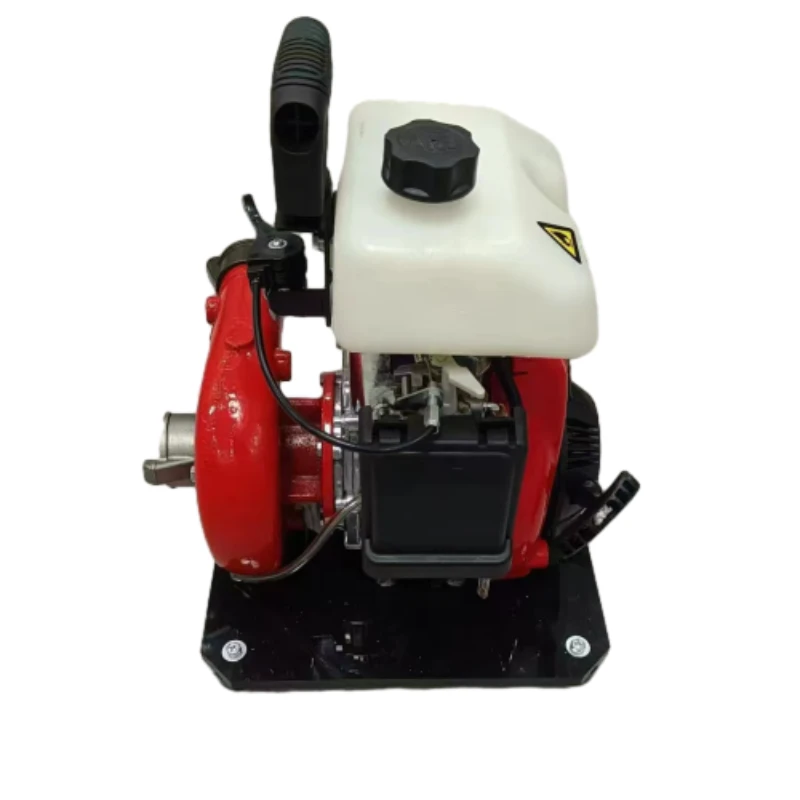
- High-Pressure Pumps: Deliver water at pressures often between 70 to 140 bar to break water into mist.
- Control Units: Integrated systems that detect fires early and activate suppression quickly.
- Water Supply & Quality: Clean, filtered water ensures no nozzle blockages and optimal spray quality.
- System Durability: Corrosion-resistant materials for longevity in harsh environments.
- Scalability & Integration: Designed to be easily scaled for small server rooms or large industrial complexes.
These components work in tandem — kind of like a well-rehearsed orchestra — to deliver fast, effective fire suppression without soaking everything in site. For industries where time and precision matter most, it’s a substantial upgrade over conventional sprinklers.
Mini Takeaway:
Water mist systems combine advanced nozzle design and high-pressure delivery to efficiently fight fires while minimizing collateral damage. That technical combo is a real game-changer for sensitive or high-risk environments.
Where Are Water Mist Suppression Systems Making the Biggest Impact?
The demand for these systems is nothing if not global. In Europe, thousands of commercial buildings, historic museums, and tunnels employ water mist systems to protect priceless assets without wrecking them in the process. Scandinavian cities, for example, have adopted it in metro tunnels where chemical fires are a major threat.
In Asia and the Middle East, booming petrochemical and shipping industries rely heavily on these systems to manage high-risk fire scenarios. Likewise, disaster relief organizations often include portable mist suppression setups in their emergency kits, knowing precise fire control can protect temporary shelters or aid warehouses.
One interesting use case: a coastal refinery in Singapore cut water consumption for fire suppression by over 50% after switching to a water mist system, while boosting safety staff confidence. That’s not just a local win — it’s a boost to regional safety standards.
Advantages of Water Mist Systems: What Makes Them Worth It?
- Water Efficiency: Uses 80-90% less water compared to sprinklers, reducing property and environmental damage.
- Rapid Fire Control: Faster reaction times thanks to fine mist reaching hard-to-access areas.
- Enhanced Safety: Minimizes scalding risk and toxic smoke inhalation.
- Preserving Assets: Ideal for sensitive electronics, documents, and cultural artifacts.
- Eco-Friendly: Less water and chemical runoff improves sustainability profiles.
- Regulatory Support: Increasingly recognized and recommended by bodies like NFPA and ISO.
Thinking about it, water mist suppression isn’t just about putting out fires — it’s about preserving life, property, and dignity. For facility managers, it’s an investment in peace of mind.
Looking Ahead: Innovations and Trends in Water Mist Technology
Innovation tends to ride the wave of wider trends, and right now, water mist systems are riding the sustainability and digital revolution. We’re seeing smarter sensors coupled with AI to detect fires earlier and activate suppression only when truly necessary, cutting false activations.
Material advances mean smaller, more robust nozzles, sometimes 3D-printed for optimized droplet formation. Meanwhile, integration with green energy sources ensures backup power stays on during blackouts, a critical factor when every second counts.
The push for greener fire suppression also leads to hybrid systems mixing water mist with inert gases or foam for specialized needs — sort of an all-weather, all-threat solution.
Challenges and How Experts Are Tackling Them
Despite all these advantages, water mist systems aren’t magic. They require clean water supplies, regular maintenance to avoid nozzle clogging, and upfront investment. Plus, they don’t replace all types of fire systems — for huge fires, sometimes classic sprinklers or foam are still the go-to.
Experts encourage thorough risk assessments to determine where mist systems best fit. New testing standards from ISO 6183 help designers and engineers verify performance in diverse conditions, which boosts confidence for wider adoption.
Quick FAQ About Water Mist Suppression Systems
- Q: How does a water mist suppression system compare to traditional sprinklers in residential buildings?
A: Water mist systems use less water and create less damage, but cost and complexity usually suit high-risk commercial or industrial sites better than typical homes. - Q: Can water mist systems be retrofitted into existing buildings?
A: Yes, especially where water supply and pressure meet requirements. Retrofitting needs professional assessment but is increasingly common. - Q: Are these systems safe for electronic equipment?
A: Absolutely. Their fine mist means minimal moisture exposure, which is much safer than conventional sprinklers for sensitive electronics. - Q: How often do water mist systems need maintenance?
A: Regular inspections every 6-12 months are recommended; nozzle cleaning and pressure checks ensure reliability.
Water Mist Suppression System Specification Table
| Feature | Specification | Value/Details |
|---|---|---|
| Droplet Size | Typical Diameter | 20-100 microns |
| Operating Pressure | Pump Pressure | 70-140 bar (1000-2000 psi) |
| Water Consumption | Compared to sprinkler | Up to 90% less |
| Activation Time | Fire Detection to Spray | |
| Coverage Area | Typical Per Nozzle | 10-20 m² |
| Maintenance Interval | Inspection Frequency | 6-12 months |
Vendor Comparison: Leading Water Mist System Providers
| Vendor | System Type | Typical Applications | Price Range | Global Reach |
|---|---|---|---|---|
| MistFire Solutions | High-Pressure Water Mist | Marine, Industrial, Tunnels | $$$ | Europe, Asia, Americas |
| AquaMist Technologies | Ultra-High Pressure Systems | Data Centers, Heritage Sites | $$$$ | Global |
| EcoShield Safety | Hybrid Mist + Foam | Petrochemical, Warehouses | $$ | Middle East, Africa |
| SafeMist International | Modular Water Mist Systems | Remote Sites, Disaster Relief | $ | Africa, Asia |
Final Thoughts
In essence, water mist suppression systems aren’t just another fire safety option — they’re an evolving, globally relevant technology that caters to today’s complexities and tomorrow’s challenges. Their efficiency, adaptability, and reduced environmental footprint offer a hopeful path forward, whether on a luxury cruise liner, in a data-rich tech hub, or at relief camps saving lives.
If you’re in charge of safety, asset protection, or environmental sustainability, it’s worth diving deeper. For more insights and tailored solutions, visit our website — because when it comes to fire suppression, a fine mist can make a huge difference.




 English
  Arabic
  Bengali
  China
China  French
  German
  Hausa
Hausa  Indonesian
  Italian
  Japanese
  Javanese
  Malay
Malay  Persian
  Portuguese
  Punjabi
  Russian
  Spanish
  Swahili
  Telugu
  Vietnamese