








The Essential Overview: What is a Misting System Fire and Why it Matters Globally
Fire safety is a universal concern—it doesn’t respect borders or industries. One promising solution gaining traction worldwide is the misting system fire, a technology designed to improve fire suppression efficiently and sustainably. In essence, these misting systems use ultra-fine water droplets to cool flames, reduce oxygen, and ultimately extinguish fires faster and with less damage than traditional sprinklers.
Why care? Globally, fire-related incidents cause billions in damages, threaten human lives, and demand better, greener suppression methods. Understanding misting system fire technology offers solutions that combine safety, environmental responsibility, and cost-efficiency—important factors for industries, emergency services, even humanitarian efforts in vulnerable regions.
Setting the Stage: The Global Context for Misting Fire Suppression
Fire safety statistics are sobering. According to the United Nations Office for Disaster Risk Reduction, millions of fire incidents occur yearly, mostly in urban and industrial settings. The World Bank also highlights how infrastructure loss due to fires slows development, especially in less-resourced countries.
Traditional fire suppression methods, while effective, sometimes waste significant water volumes, damage property with heavy flooding, or simply lack precision—raising concerns in an increasingly climate-conscious world.
Here, misting systems come in. Industry reports, including ISO standards on sprinkler systems (ISO 6182 series), now recognize mist systems as a viable approach offering targeted fire fighting with less water and disruption.
Defining Misting System Fire: A Simple Explanation
So what exactly is a misting system fire? At its core, it’s a fire suppression system that disperses a fine aerosol of water droplets—“mist”—typically in the range of 50 to 100 microns. Because the droplets are so small, they evaporate quickly, absorbing heat and starving flames of oxygen more efficiently than conventional sprinkler heads, which produce larger water droplets.
Such systems are particularly crucial in industries where water damage must be minimized, such as data centers, museums, or heritage buildings. But they’re not limited to civil applications—they’re increasingly found in mining, maritime, and even agricultural environments.
Core Components Shaping Misting System Fire Technology
1. Droplet Size and Distribution
The magic is in the mist. A finer droplet size means more surface area per volume of water, which translates into faster heat absorption and vaporization. A well-designed system ensures uniform coverage, cooling fires quickly without soaking surrounding areas.
2. Water Pressure and Delivery Mechanism
Pressure pumps drive the systems, often requiring high pressure (upwards of 100 bar) to atomize water effectively. This can demand specialized piping and nozzles designed for durability and reliability under constant strain.
3. Control and Activation Sensors
Modern misting systems integrate advanced heat and smoke sensors. These intelligent controls allow rapid activation, reducing response times potentially to seconds, critical when every moment counts.
4. Integration with Existing Fire Safety Infrastructure
Because most facilities have some form of fire suppression already, misting systems often serve as complementary layers, or upgrades, blending with alarms, sprinklers, or gaseous extinguishers.
In Real Life: How Misting System Fire is Making a Global Difference
Industry-wise, misting systems shine in places like chemical plants in Europe where spills or fires pose extreme risk; the systems reduce water runoff contamination.
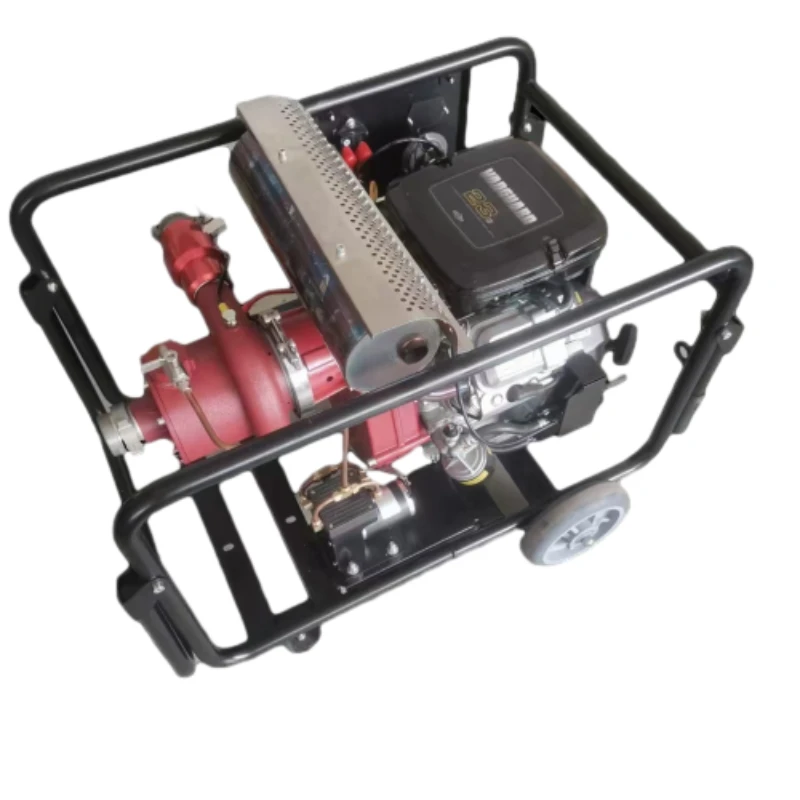
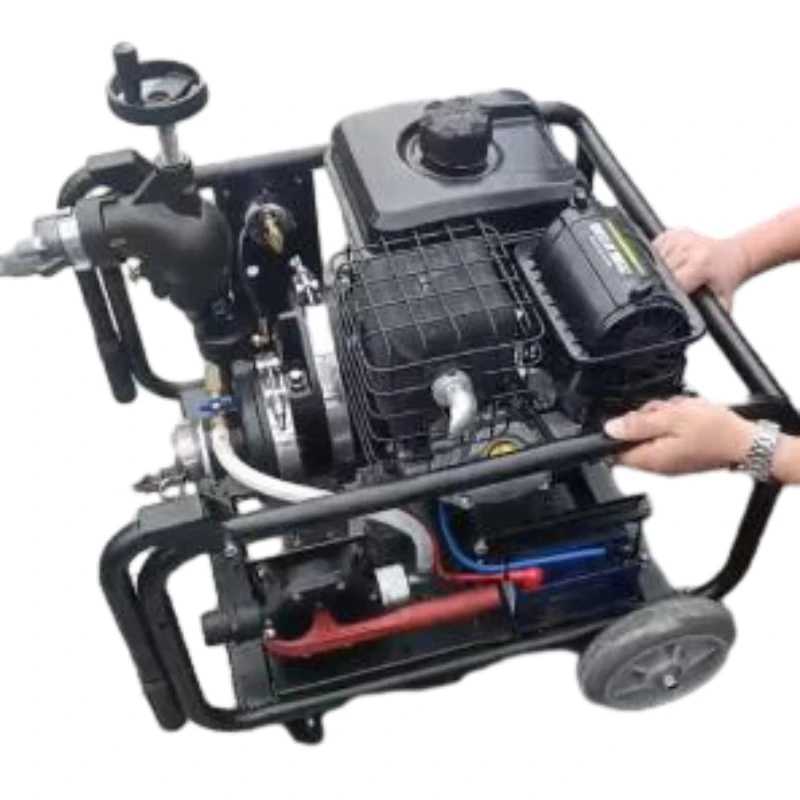
In Asia-Pacific, many heritage sites have adopted misting technology to protect delicate artifacts where heavy water would cause irrevocable damage. In post-disaster or humanitarian zones, portable misting fire suppression devices help protect temporary housing and equipment misting system fire teams deploy.
Elsewhere, remote industrial zones in Latin America benefit from misting systems’ minimal maintenance and efficient fire control capabilities, making them a lifesaver where firefighting resources are scarce.
| Feature | Specification | Benefit |
|---|---|---|
| Droplet Size | 50–100 microns | Rapid heat absorption with minimal water use |
| Operating Pressure | 100–140 bar | Efficient atomization of water into mist |
| Activation Time | ~3–5 seconds | Quick fire detection and response |
| Water Consumption | 70% less than traditional systems | Water saving and reduced property damage |
Advantages and Long-Term Value of Misting Systems for Fire Suppression
- Cost Efficiency: Reduced water consumption means lower utility bills and less cleanup after incidents.
- Sustainability: Less water use and minimal chemical agents mean greener fire control compatible with modern environmental policies.
- Reliability: Rapid activation limits fire spread, lowering downtime for businesses and improving safety.
- Minimal Property Damage: Because the mist doesn’t soak materials, it helps protect sensitive equipment and infrastructure.
- Social Impact: Provides peace of mind to communities, especially in high-risk or underserved areas.
Looking Ahead: Trends and Innovations in Misting Fire Systems
The future looks misty, but in a good way. Automation and IoT integration are allowing fire systems to self-diagnose, predict failures, and alert operators remotely. Materials science advances have brought corrosion-resistant nozzles and smarter pump designs, increasing longevity.
Moreover, manufacturers are increasingly pairing misting systems with renewable power sources, cutting their environmental footprint further. Digital twins of fire suppression layouts help engineers simulate and optimize coverage before installation, making deployment smarter.
Challenges to Overcome and Expert Solutions
However, misting systems aren’t a silver bullet. High-pressure requirements demand quality installations and maintenance. Some older buildings struggle to retrofit due to plumbing constraints, and initial costs can be higher than conventional sprinklers.
Experts recommend integrating systems early in design phases where possible and employing modular units for retrofits. Moreover, training local technicians improves upkeep quality, and emerging low-pressure mist tech promises to ease retrofit barriers.
| Vendor | System Type | Water Usage | Typical Deployment | Warranty |
|---|---|---|---|---|
| AquaMist Inc. | High Pressure Misting | 70% less than sprinklers | Commercial & Heritage Buildings | 5 years |
| FireFog Systems | Low Pressure Misting | 65% less than sprinklers | Industrial & Remote Locations | 3 years |
| Nimbus Protection | Hybrid Misting & Gas | 50-70% water saving | Data Centers & Museums | 7 years |
Frequently Asked Questions About Misting System Fire
1. How does a misting system fire differ from traditional sprinkler systems?
A misting system uses much smaller droplets (around 50–100 microns) compared to sprinklers, enabling quicker heat absorption and more efficient oxygen displacement. This means fires can be controlled faster with less water, minimizing water damage.
2. Can misting systems be installed in older buildings?
Retrofitting can be challenging due to the high-pressure pump and pipe requirements, but modular low-pressure systems are making this easier. Early consultation with fire safety engineers is key to assessing feasibility.
3. Are misting fire suppression systems environmentally friendly?
Yes. They use significantly less water than sprinklers and no chemical agents, reducing environmental impact both during incidents and in normal maintenance.
4. What industries benefit most from misting system fire technology?
Data centers, heritage sites, chemical plants, maritime vessels, and remote industrial facilities find misting systems particularly advantageous due to reduced water damage and efficient fire elimination.
5. How quickly do misting systems activate during an incident?
Modern systems typically detect fire through advanced sensors and activate within 3–5 seconds, providing rapid response critical for minimizing damage.
Wrapping Up: The Lasting Impact of Misting System Fire Solutions
To sum up, misting system fire technology offers a compelling blend of efficiency, sustainability, and reliability. The benefits stretch from protecting priceless artifacts to safeguarding critical infrastructure, across continents and sectors. While challenges remain, ongoing advances promise even wider adoption—helping societies stay safer, smarter, and greener.
Interested in learning more or upgrading your fire safety approach? Visit our website: https://www.ffwfiresafety.com for cutting-edge solutions and expert advice.




 English
  Arabic
  Bengali
  China
China  French
  German
  Hausa
Hausa  Indonesian
  Italian
  Japanese
  Javanese
  Malay
Malay  Persian
  Portuguese
  Punjabi
  Russian
  Spanish
  Swahili
  Telugu
  Vietnamese