








The Rising Importance of a High Pressure Water Mist System
If there’s one thing I’ve noticed working across multiple industries, it’s that fire safety isn’t a luxury—it’s a necessity that saves lives and assets globally. High pressure water mist systems may not sound glamorous at first, but they’re fast becoming a vital solution worldwide. This technology uses ultra-fine water droplets sprayed at high pressures to suppress fires more efficiently than traditional sprinkler systems. Inline with the UN’s Sustainable Development Goals on resilient infrastructure and sustainable cities, understanding how these systems operate—and their benefits—is imperative.
From industrial plants in Asia to heritage buildings in Europe, water mist systems are stepping up to safer and greener fire suppression. If you haven’t looked at these systems closely, now’s the time. I’ll walk you through the basics, key components, applications, and even some challenges with practical thoughts on what’s next in this field.
Why the World Needs Advanced Fire Safety Solutions
Globally, fires cause over 300,000 deaths and countless injuries annually, according to the World Health Organization. In addition to loss of life, the economic toll from fire damage is staggering. Urbanization, climate change, and aging infrastructure increase fire risks, particularly in densely packed or industrial zones.
Here’s the crux: traditional sprinkler systems use large water droplets, which, while effective, waste a lot of water and sometimes lead to water damage. Enter high pressure water mist systems, which generate a fine mist that rapidly cools flames and displaces oxygen — often using up to 90% less water. According to ISO standards for fire suppression (ISO 6183), finer mist droplets contribute to faster fire knockdown and reduced collateral damage.
In real-world terms, many facilities that switched to these systems reported fewer false alarms, less downtime, and lower insurance premiums. They address the challenge of combining high-efficiency fire suppression with sustainability, a tough balance that rightly concerns engineers and safety managers worldwide.
What Exactly is a High Pressure Water Mist System?
In the simplest terms, the high pressure water mist system is a fire suppression technology that sprays water through specially designed nozzles at pressures around 100 to 200 bar (about 1500-3000 psi). This pressure crushes the water into microscopic droplets typically under 100 microns in diameter—so fine you can barely see the mist.
Compared to conventional sprinklers, these tiny droplets absorb heat more efficiently and vaporize quickly, smothering fires by oxygen displacement and cooling. It’s similar to the difference between a heavy rainstorm and a fine fog—one soaks everything, the other cools and spreads differently.
Their compact and modular design makes them suitable for various settings—industrial, commercial, maritime, and even heritage sites where water damage from traditional sprinklers would be catastrophic. Humanitarian and refugee housing projects also explore these systems for safer, faster-deployable fire suppression, linking technology with emergency management.
Core Components of High Pressure Water Mist Systems
1. Water Supply and Pumps
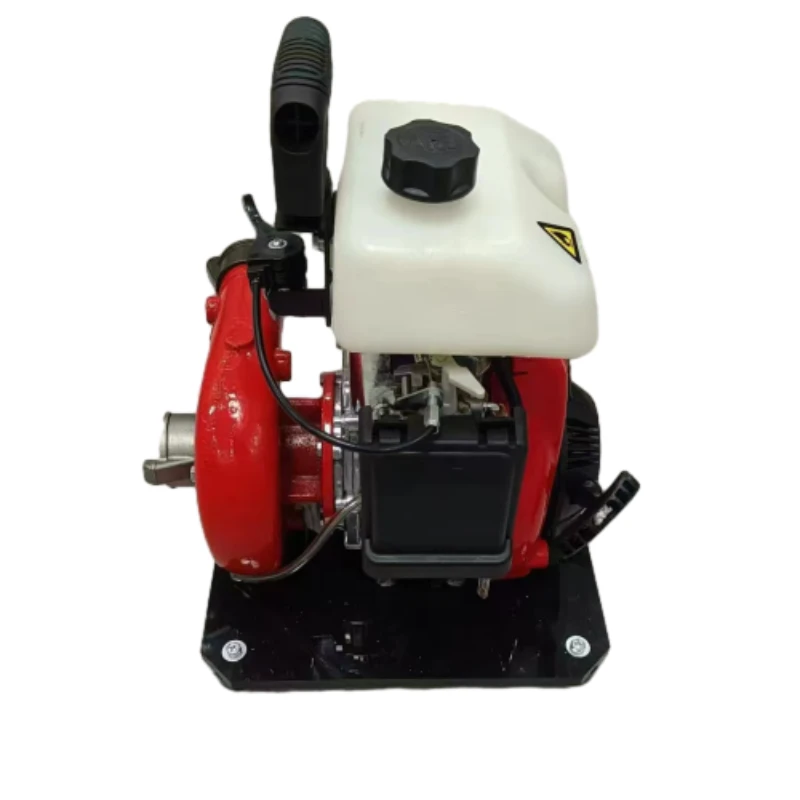
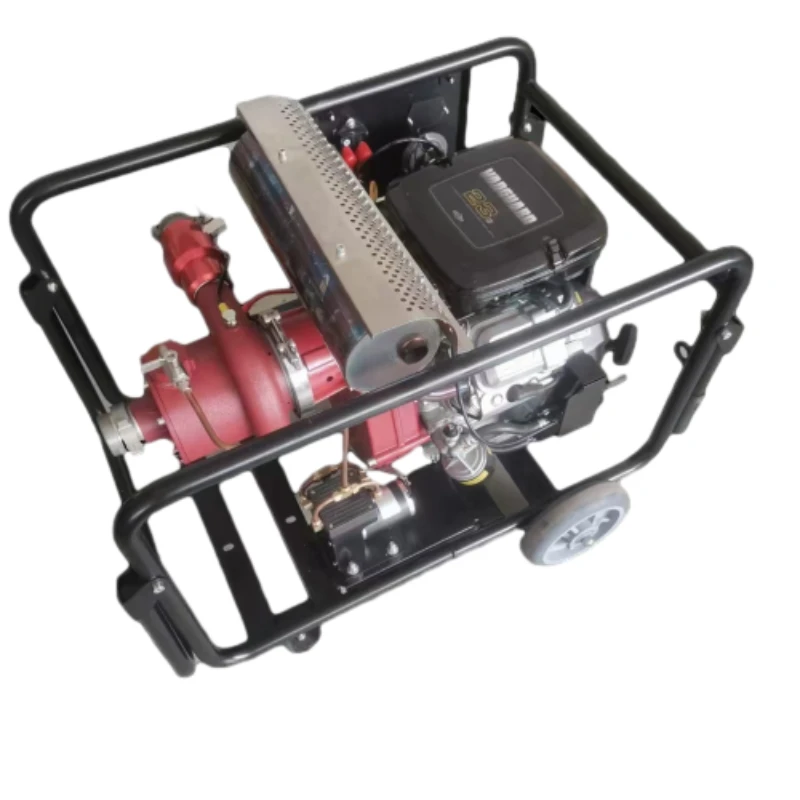
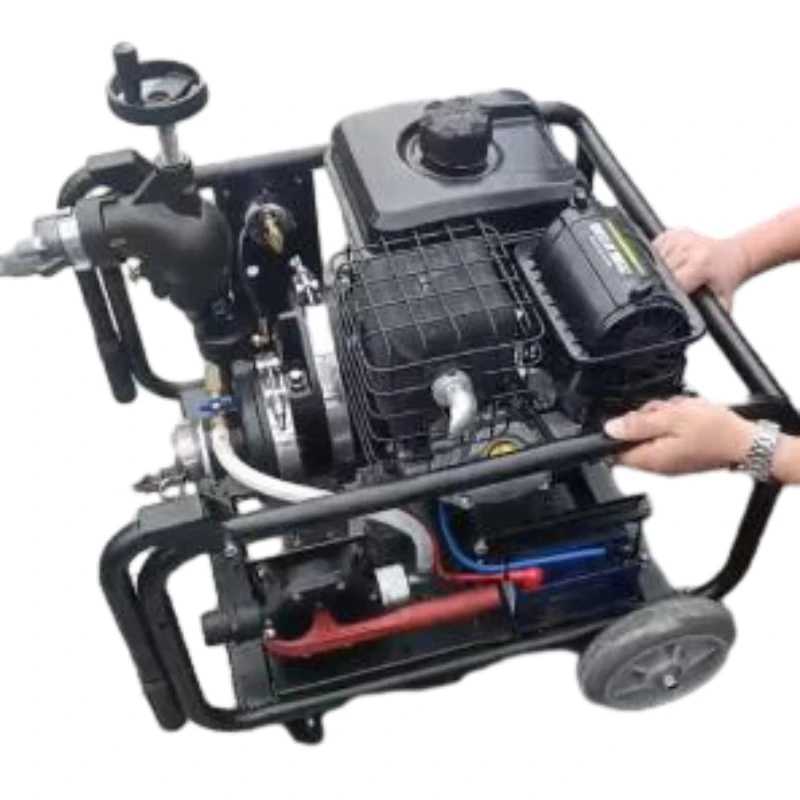
A robust pump is the heart of every system, pushing water to the nozzles at the required pressure. These pumps often include backup power options for continuous operation in emergency scenarios.
2. High-Pressure Piping
Unlike conventional sprinkler piping, this must withstand very high pressures without leaks or ruptures. Material quality and precision fittings are paramount.
3. Specialised Nozzles
Nozzle design shapes and atomizes the water into the fine mist. Often made from corrosion-resistant materials, these are tailored to the environment—be it marine or industrial.
4. Control and Detection Systems
Integrated smoke and heat detectors trigger the mist release promptly. Advanced systems have monitoring dashboards, sometimes integrated with building automation for real-time alerts.
5. Water Quality & Treatment
Impurities may clog or damage system components, so filtering or treating water before pressurization is standard practice.
Mini takeaway: These components have to work seamlessly under stress—any weak link impacts the whole system’s reliability.
Where High Pressure Water Mist Systems Make a Difference Globally
Industries from petrochemical complexes in the Middle East to data centers in North America rely on this technology. What’s fascinating is how different sectors apply it uniquely:
- Maritime: Ships often use these systems because water use is limited and electrical equipment is plentiful.
- Heritage and Museums: The fine mist suppresses fires without soaking priceless artifacts.
- Industrial Facilities: Refineries, power plants, and factories appreciate the compact footprint and lower water demands.
- Refugee Camps and Humanitarian Sites: Quick deployment and minimal water damage reduce fire risks where every resource counts.
For example, a European museum upgraded from traditional sprinklers to a high pressure water mist system, reducing water damage during a small fire event by nearly 70%, according to their fire safety team’s report. This balance of safety and preservation is a real game-changer.
Advantages & Long-Term Value of High Pressure Water Misting
What truly sets these systems apart is how they combine fire suppression efficacy with sustainability:
- Water Efficiency: Uses a fraction of water compared to traditional sprinklers.
- Reduced Collateral Damage: Minimal water leads to less damage to equipment, inventory, and structures.
- Space Saving: Smaller piping and equipment footprint fit tight or historic buildings.
- Reliability and Safety: Fast activation and finer droplets improve knockdown time.
Plus, there’s a comforting social impact side. When people know their workspace or home has effective fire protection, it builds trust and peace of mind.
Looking Ahead: Innovations Shaping the Future
New materials, data networks, and green energy trends are pushing the envelope:
- Smart Integration: IoT-enabled sensors provide predictive fire risk assessments alongside mist activation.
- Green Pumps: Energy efficient pumps powered by renewables reduce carbon footprints.
- Hybrid Systems: Combining water mist with inert gas or foam to handle varied fire classes more effectively.
- Modular Designs: For rapid installation in emergency or temporary settings.
One major manufacturer is experimenting with AI-driven activation to optimize mist release depending on fire size and location, cutting water use even further.
Common Challenges & How Experts Overcome Them
No tech is perfect, and water mist systems face hurdles like:
- Installation Costs: Higher upfront compared to traditional sprinklers, but often offset by savings elsewhere.
- Pipe Maintenance: High pressure pipes require stricter maintenance routines.
- Water Quality Constraints: Need for filtered water can complicate remote installations.
Luckily, experts recommend adopting modular designs and phased upgrades, plus partnering with vendors offering robust training and support.
Quick FAQ: What Folks Usually Ask About These Systems
- How does a high pressure water mist system compare to sprinklers in water use?
- High pressure water mist systems typically use 70-90% less water due to finer droplets and targeted suppression, leading to less water damage and quicker fire control.
- Can these systems handle all types of fires?
- They're effective on most common fires (classes A, B, and electrical fires). In some cases, hybrid systems combine mist with foams or gases for tougher fire classes.
- Is installation feasible for existing buildings?
- Yes, many systems are designed to retrofit into existing structures, especially thanks to smaller pipe sizes and modular components.
- What maintenance is required?
- Regular inspections of pumps, pipes, and nozzles, plus water quality checks, are essential. Vendor training programs often streamline upkeep schedules.
- Are these systems eco-friendly?
- Absolutely. Their reduced water consumption and potential integration with green energy solutions make them a sustainable choice aligned with environmental standards like ISO 14001.
High Pressure Water Mist System Specifications at a Glance
| Parameter | Typical Range / Value | Notes |
|---|---|---|
| Operating Pressure | 100-200 bar (1,500-3,000 psi) | Higher pressure needed for finer mist |
| Droplet Diameter | 20-100 microns | Smaller droplets for quicker evaporation |
| Water Consumption | 5-20 liters/min per nozzle | Depends on nozzle and area coverage |
| Response Time | Under 60 seconds | Quick detection and activation critical |
| Typical Coverage per Nozzle | 10-20 m² | Varies by environment and design |
Vendor Solutions at a Glance
| Vendor | Key Strength | Price Range | Typical Applications |
|---|---|---|---|
| AquaShield Systems | Cutting-edge nozzle tech, energy efficient pumps | $$$ (Premium) | Heritage sites, marine vessels |
| FireMist Pro | Modular systems tailored for industrial use | $$ (Midrange) | Factories, warehouses |
| MistGuard | Affordable retrofit kits, strong aftersales support | $ (Budget-friendly) | Commercial buildings, offices |
To sum it up — high pressure water mist system technology has evolved beyond a niche safety solution into a mainstream contender for fire protection worldwide. Its blend of efficiency, sustainability, and adaptability makes it a smart choice for modern challenges.
For practical and in-depth info, many engineers recommend checking out standards from ISO and safety guidelines from NFPA. Because, frankly, good fire safety saves more than property—it saves dignity and lives.
If you’re ready to explore options or need tailored solutions, feel free to visit high pressure water mist system experts for practical advice and up-to-date products.




 English
  Arabic
  Bengali
  China
China  French
  German
  Hausa
Hausa  Indonesian
  Italian
  Japanese
  Javanese
  Malay
Malay  Persian
  Portuguese
  Punjabi
  Russian
  Spanish
  Swahili
  Telugu
  Vietnamese