








Water Mist Fire Extinguishing System: A Quiet Guardian in Fire Safety
When it comes to fire safety, the stakes are incredibly high — whether protecting industrial plants, hospitals, or even heritage buildings. Enter the water mist fire extinguishing system, an innovative mechanism blending technology and environmental care to tackle fires efficiently and with surprising finesse. Why does this matter globally? Because every year, fires claim thousands of lives and cause billions in damages, while conventional suppression methods often risk water damage, toxic chemicals, or heavy infrastructure. Understanding water mist technology means embracing a fire safety strategy that’s increasingly relevant worldwide, with benefits ranging from reduced environmental impact to finely targeted extinguishing power.
Mini takeaway: Water mist systems represent a smarter, greener evolution in firefighting, offering global communities an adaptable, effective solution that minimizes collateral damage.
The Global Stage: Why Water Mist Systems are Gaining Momentum
Fires are a universal hazard, intensified by urbanization and changing climate patterns. According to the United Nations Fire Management initiative, the frequency of fire-related disasters is climbing, putting enormous pressure on safety strategies. Traditional methods—think CO2 or foam extinguishers—have their place but bring challenges: environmental toxicity, large volumes of water, or residue cleanup. Water mist systems address these head-on by spraying ultra-fine droplets that cool flames and reduce oxygen without soaking everything in sight.
ISO standards (ISO 6183 among others) have begun recognizing water mist as an efficient alternative, driving manufacturers worldwide to innovate and governments to design fire codes accordingly. It’s no exaggeration to say water mist technology could be the difference between a devastating blaze and a minor incident.
Mini takeaway: With rising fire risks globally, water mist extinguishing systems are both a practical and strategic tool backed by international regulation and environmental concerns.
What Exactly Is a Water Mist Fire Extinguishing System?
At its core, a water mist fire extinguishing system uses tiny water droplets — far smaller than those in sprinkler systems — to quench fires. These droplets quickly absorb heat, evaporate, and displace oxygen around the flame, creating a multi-pronged attack on the burning process. Unlike conventional sprinkler setups, water mist causes less water damage and is safer for sensitive electronics or priceless assets.
In humanitarian and industrial zones, these systems offer an ideal balance: low environmental impact, minimal cleanup, and adaptability across different fire classes. For example, sensitive hospital wards rely on water mist to avoid hazardous chemicals but still secure patient safety.
Core Components of a Water Mist System
1. High-Pressure Pump
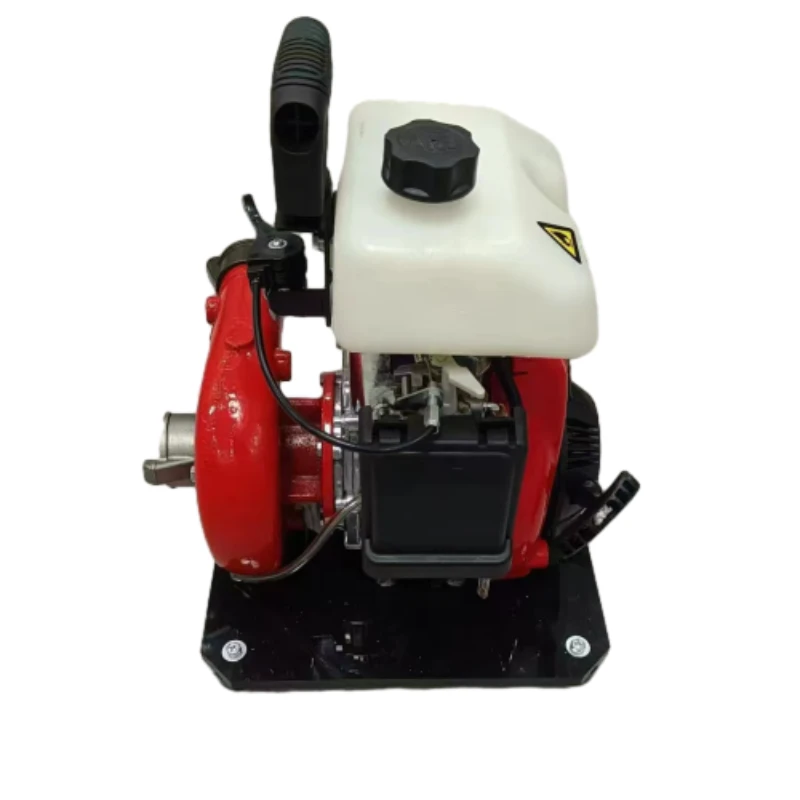
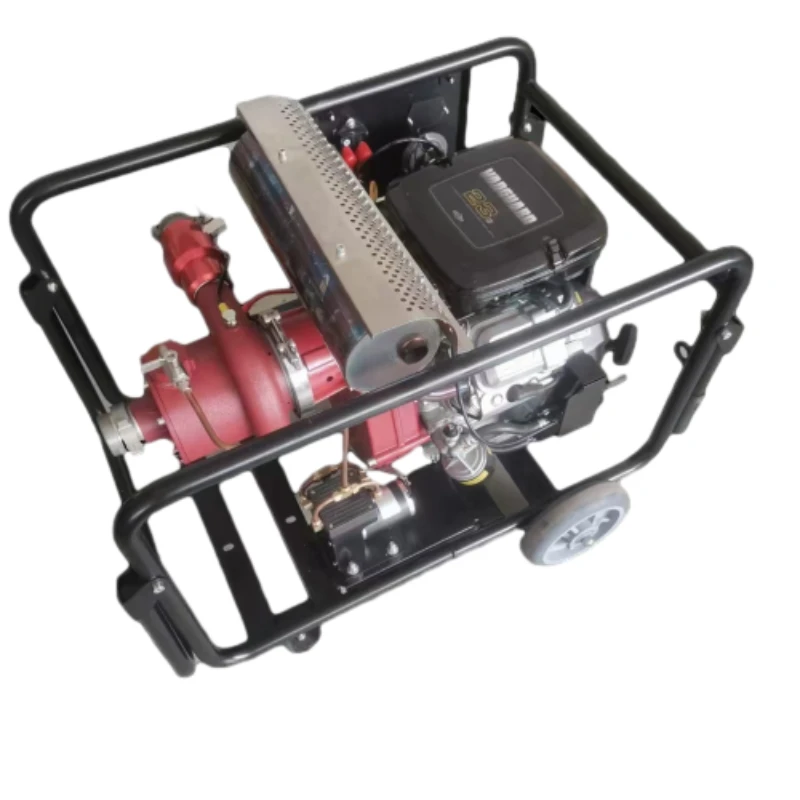
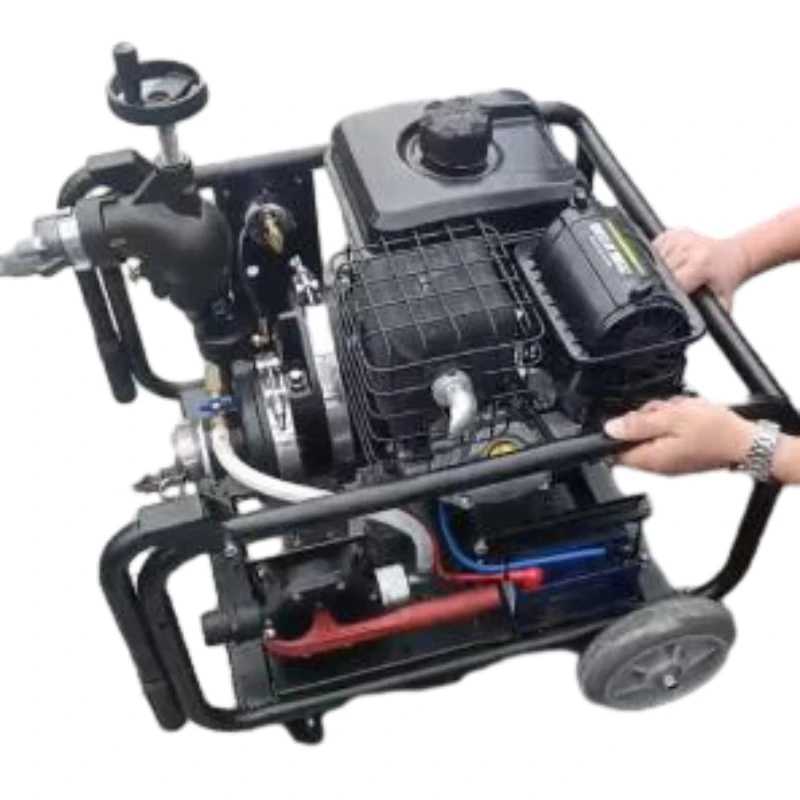
The heart of water mist technology lies in generating ultra-fine droplets, typically under 100 microns. This requires a high-pressure pump (30-120 bar), which atomizes water through specialized nozzles.
2. Specialized Nozzles
These carefully engineered nozzles create the mist pattern and droplet size; their design influences effectiveness against different fire types.
3. Control Panel and Sensors
Modern systems include smart controls and sensors for automatic detection and activation, improving response time and integration with building management systems.
4. Water Supply & Storage
A dedicated water reservoir or connection to the main supply ensures readiness; some setups include additives or antifreeze agents for specific environments.
5. Piping and Distribution Network
Corrosion-resistant piping carries the mist safely where needed — design varies greatly depending on the protected area.
6. Backup Power
Ensures operation during power failures or emergency scenarios.
Mini takeaway: From nozzles to control units, each element in a water mist system is optimized for precision, reliability, and adaptability.
Where Are Water Mist Fire Extinguishing Systems Making a Difference?
The applications span continents and sectors. In Europe, many heritage sites utilize these systems to prevent damaging restoration blowouts. Industrial complexes in Asia rely heavily on them to safeguard sensitive machinery without flooding factory floors. Hospitals across North America prefer water mist for critical care areas where chemical suppressants aren’t an option. Even the shipping industry applies water mist technology aboard vessels, reducing the risk of catastrophic fires where traditional sprinklers could cause damage equal to or more than the fire.
In developing regions, water mist systems have been installed in remote industrial zones or refugee shelters, providing lightweight, effective fire defense where infrastructure is minimal. NGOs often recommend such systems for disaster relief installations because of their ease of deployment and minimal environmental footprint.
Global Use Cases in a Nutshell
- Historic Buildings: Protect priceless architecture with minimal water damage risk.
- High-Tech Manufacturing: Safeguard delicate electronics or combustible materials.
- Healthcare: Ensure patient safety without chemical exposure.
- Maritime: Control fires in enclosed ship compartments.
- Humanitarian Settings: Provide fire protection in resource-limited environments.
Advantages and Long-Term Value of Water Mist Fire Systems
- Cost Efficiency: Use less water and reduce post-fire cleanup costs.
- Sustainability: Water is natural and environmentally friendly versus chemical agents.
- Safety and Reliability: Less risk of collateral damage and safer for occupants during operation.
- Social Impact: Enhances community resilience and safeguards livelihoods.
It’s quite satisfying to think about a system that both protects and preserves. Many engineers say it feels almost like “firefighting with a gentle touch.” You get the emotional peace of mind knowing people, assets, and the environment are all protected in harmony.
Looking Ahead: Emerging Trends in Water Mist Fire Safety
Innovation continues, as the field is ripe with possibilities. Green energy-powered pumps reduce carbon footprint, while digital IoT integration means systems can be remotely monitored and even self-test. Automation advances are enabling water mist-use in drone-delivered firefighting or smart city emergency responses. Materials technology, particularly in nozzle design and corrosion protection, improves longevity and efficiency.
Policies driven by sustainability goals are encouraging wider adoption, especially in public buildings and transit. The synergy between fire safety and environmental care has never been clearer — making water mist fire extinguishing systems a core technology of the future.
Challenges and Insights: What Holds Water Mist Back?
Despite its advantages, water mist technology isn’t perfect. Installation complexity and upfront cost can be concerns—especially compared to traditional sprinklers. Another challenge is system calibration; getting the droplet size and pressure just right for differing environments demands expert design.
However, ongoing R&D addresses these, including modular pre-fabricated systems for easy installation and training programs for technicians worldwide. The beauty of water mist systems is their adaptability — when tailored properly, they overcome many conventional firefighting limitations.
Quick FAQs About Water Mist Fire Extinguishing Systems
- How does a water mist system compare to traditional sprinklers?
- Water mist uses smaller droplets that absorb heat more efficiently and reduce water damage. It’s often safer for electronics and sensitive equipment, making it ideal for specialized environments.
- Can water mist systems handle all types of fires?
- Water mist is effective on most common fires (Classes A, B, and C) but must be designed specifically for certain fuels or environments. Consulting fire safety standards like ISO 6183 is crucial.
- Are these systems expensive to maintain?
- While initial installation costs may be higher, maintenance is generally straightforward, with fewer issues related to corrosion or chemical residue compared to other suppression systems.
- Is water mist safe around people?
- Yes, water mist is generally safe for occupants, producing no harmful gases and avoiding the hazards associated with some chemical suppressants.
- How quickly does a water mist system activate?
- Modern systems use smart sensors and can activate within seconds of fire detection, offering rapid response to emerging fires.
Product Specification Table
| Feature | Specification |
|---|---|
| Operating Pressure | 30 - 120 bar |
| Nozzle Type | Fine mist atomizing |
| Droplet Size | |
| Activation | Automatic with sensors/manual override |
| Water Source | External or integrated reservoir |
| Suitable Fire Classes | A, B, C (varies by design) |
Vendor Comparison
| Vendor | Product Range | Installation Support | Compliance & Certifications | Global Reach |
|---|---|---|---|---|
| MistGuard Systems | Industrial & Marine | On-site & remote support | UL, ISO 6183 | Europe, Asia, Americas |
| EcoMist Technologies | Residential & Commercial | Modular pre-install kits | CE, FM Approval | Europe & North America |
| FireMist Global | Specialty Applications | Consultancy & installation | NFPA Compliant, UL | Global |
In conclusion, water mist fire extinguishing systems are more than just a niche technology—they’re a versatile and forward-thinking solution for modern fire safety challenges. They deliver effective suppression with minimal environmental and asset impact, making them a long-term investment in safety and sustainability. As we see emerging trends in IoT and greener tech, these systems will only get sharper, smarter, and more accessible.
Interested in exploring the advanced options for your fire safety needs? Don’t hesitate to visit water mist fire extinguishing system experts to get tailored advice and cutting-edge solutions.




 English
  Arabic
  Bengali
  China
China  French
  German
  Hausa
Hausa  Indonesian
  Italian
  Japanese
  Javanese
  Malay
Malay  Persian
  Portuguese
  Punjabi
  Russian
  Spanish
  Swahili
  Telugu
  Vietnamese