








Water Mist Fire Fighting: A Modern Solution for a Global Challenge
Fire safety has always been critical, but with urbanization and industrial advances speeding up, the tactics we rely on have to keep pace too. Water mist fire fighting, a technology that's been gaining remarkable traction worldwide, offers promising benefits not only in protecting lives and property but also in aligning with sustainability goals. Understanding how this system works and why it’s important helps industries and governments make safer, smarter choices — and frankly, it feels like a shift towards more precise, less wasteful firefighting approaches.
Why Water Mist Fire Fighting Matters Globally
Globally, fires cause over 300,000 deaths annually, according to the World Health Organization, with billions more in property damage. The United Nations and ISO emphasize sustainable, efficient firefighting methods to reduce harm and environmental impact. Traditional sprinkler systems consume vast amounts of water and may damage sensitive equipment or environments. Here, water mist offers a compelling alternative: by spraying ultra-fine droplets, it cools fires quickly and cuts oxygen without flooding affected areas.
This is especially relevant in densely populated cities, high-tech industries, and disaster-prone regions where containment speed and minimizing water use are key. So, when you hear water mist fire fighting, think not just firefighting but a smarter conservation-centric approach that’s scaling fast worldwide.
Mini takeaway: Water mist systems tackle global fire hazards while conserving water and reducing collateral damage.
What Exactly Is Water Mist Fire Fighting?
At its core, water mist fire fighting involves releasing microscopic droplets of water—much smaller than those from conventional sprinklers. These tiny droplets vaporize quickly, absorbing heat and pushing away oxygen, effectively smothering flames without drenching everything nearby. It’s a blend of physics and smart engineering designed to be both gentle and powerful.
Industries from marine shipping to data centers increasingly prefer this approach because it protects delicate assets while offering rapid response. Beyond industry, humanitarian groups appreciate it for quick deployment in disaster zones where water is scarce but fire risk remains high.
Core Components and Key Factors of Water Mist Systems
1. Droplet Size and Distribution
The effectiveness hinges on nozzle technology that produces droplets typically between 10 to 100 microns. Smaller droplets mean faster evaporation and better heat absorption but require precise engineering.
2. Pressure and Flow Control
Water mist systems operate at high or low pressure depending on application. High-pressure is more efficient but needs sturdy pumps and piping. Low-pressure systems suit smaller or retrofit installations.
3. Durability and Material Compatibility
Materials must resist corrosion and work well with water chemistry to avoid clogging nozzles. Stainless steel and special polymers are popular choices.
4. Scalability and Integration
The systems can be tailored from single rooms to entire buildings, and integrate with alarms and automated controls.
5. Cost Efficiency and Maintenance
Though initial costs can be higher than traditional sprinklers, lower water consumption and less property damage often make up the difference over time.
Typical Product Specifications
| Specification | Value/Range |
|---|---|
| Droplet Size | 10–100 microns |
| Operating Pressure | 0.4–12 MPa (Low to High) |
| Effective Coverage Area | Up to 100 m² per nozzle |
| Water Consumption | 80–90% less than traditional sprinklers |
| Typical Use Case | Data centers, marine vessels, museums |
Global Applications & Real-World Use Cases
Water mist fire fighting isn’t a niche anymore — its adoption spans continents and sectors:
- Marine Industry: Ships operating in confined spaces benefit from low water damage risk and effective heat suppression.
- Data Centers: It safeguards expensive electronics where traditional water systems might cause irreparable harm.
- Historical Buildings & Museums: Protecting priceless artifacts without soaking them.
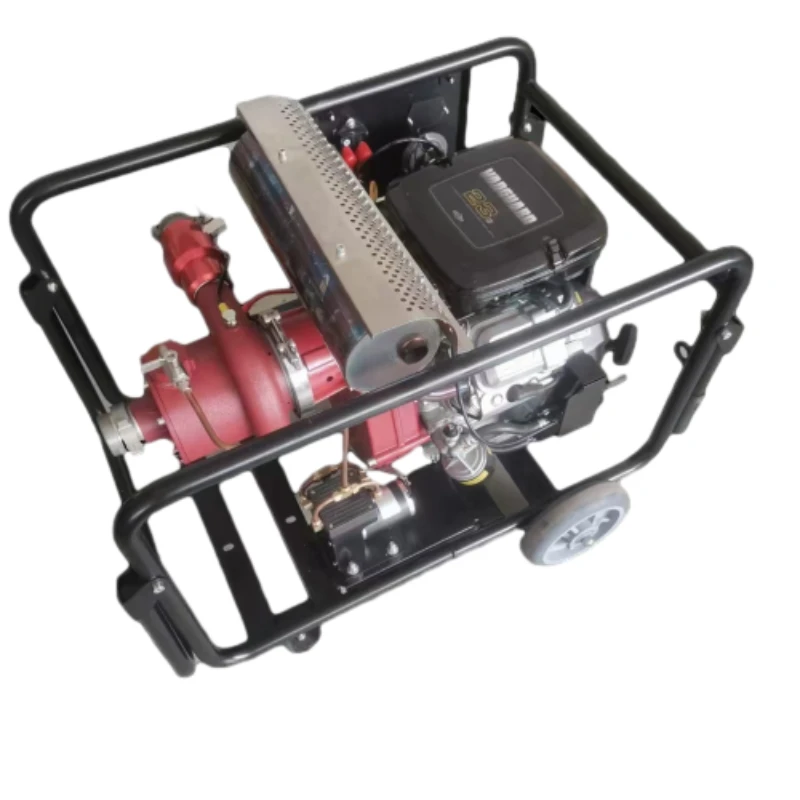
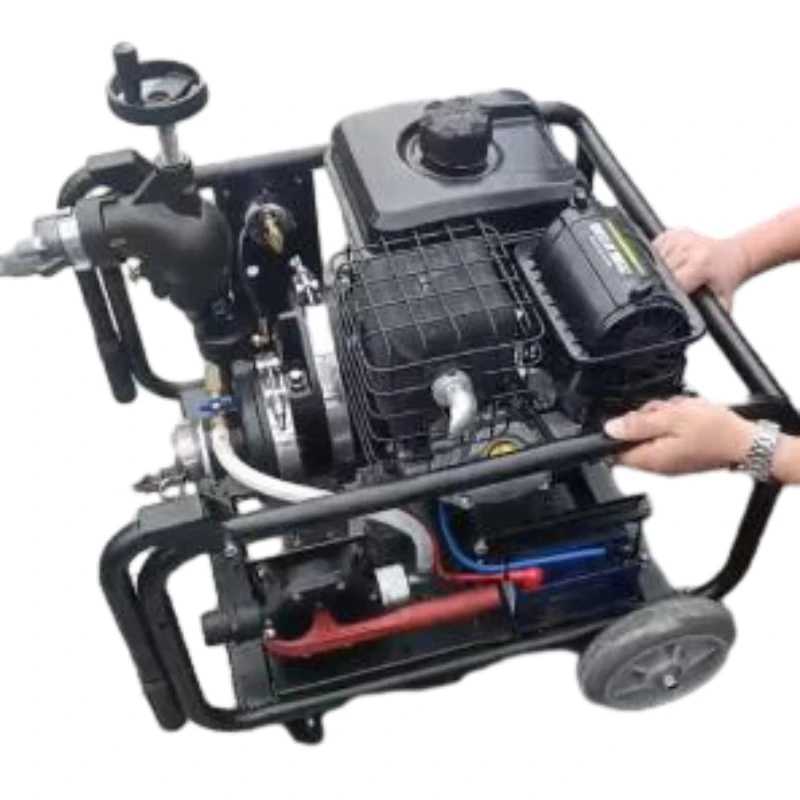
- Disaster Relief Zones: Quick, portable systems deployed in water-scarce regions during wildfires or industrial accidents.
- Industrial Facilities Across Asia and Europe: For managing risks in factories with sensitive manufacturing processes.
A noteworthy example: after wildfires devastated parts of California, some communities deployed mobile water mist units to protect critical infrastructure during peak fire season.
Mini takeaway: From ships to museums to disaster relief, water mist firefighting is flexible and widely embraced.
Advantages and the Long-Term Value of Water Mist Systems
Let’s talk benefits. Water mist fire fighting
- Conserves Water — Using less water is crucial where supply is limited or damage must be minimized.
- Reduces Property Damage — Electronic equipment, documents, fragile artifacts stay safer.
- Environmentally Friendly — Less chemical agent, less water runoff contamination.
- Improves Safety — Faster fire suppression reduces risk for occupants and first responders.
- Customizable & Scalable — Fits many spaces and fire risks.
On a softer note, many facility managers have expressed peace of mind knowing their assets won’t be ruined while fighting fires — that sense of balance between protection and preservation is priceless.
Looking Ahead: Future Trends and Innovations in Water Mist Fire Fighting
Innovation never sleeps. Technology in this field is evolving along these lines:
- Smart Integration: IoT sensors combined with AI trigger precise water mist release, automating efficient responses.
- Eco-Friendly Materials: New corrosion-resistant alloys and biodegradable polymers reduce environmental impact and maintenance costs.
- Renewable Energy Powered Systems: Solar or battery-powered pumps, making units deployable even off-grid.
- Hybrid Fire Suppression: Combining water mist with inert gases or foam for tailored protection based on fire type.
Seems like we’re moving toward systems that could almost predict and pre-empt fires, or at least reduce human intervention — which is probably a good thing.
Challenges and Practical Solutions
Like all tech, water mist firefighting has hurdles:
- High Upfront Costs: Pump and nozzle precision don’t come cheap.
- Complex Installation: Retrofitting older buildings can get tricky.
- Maintenance Demands: Tiny nozzles require regular checks to avoid clogging.
Experts often suggest phased installations and modular systems to reduce capital strain, plus strict maintenance schedules with remote diagnostics to catch issues early. Also, manufacturer training partnerships can help facilities get up to speed smoother than you’d expect.
Vendor Comparison: Leading Water Mist Fire Fighting Systems
| Vendor | Pressure Range (MPa) | Typical Installations | Cost Level | Special Features |
|---|---|---|---|---|
| AquaMist Solutions | 0.4 – 10 | Data centers, Museums | Mid-range | Smart IoT-ready controls |
| FireGuard Tech | 1 – 12 | Marine, Industrial Plants | Higher | Hybrid foam integration |
| EcoSpray Systems | 0.5 – 8 | Disaster Relief, Remote Sites | Budget-friendly | Solar-powered pumps available |
FAQ: Common Questions About Water Mist Fire Fighting
Q1: How does water mist fire fighting differ from traditional sprinkler systems?
A: Instead of flooding an area with large water drops, water mist uses tiny droplets that quickly vaporize, cooling the fire and displacing oxygen more efficiently. It uses significantly less water, reducing damage and water waste.
Q2: Are water mist systems suitable for sensitive environments?
A: Absolutely. Museums, archives, data centers, and hospitals benefit greatly because the mist suppresses fire without soaking equipment, papers, or delicate materials.
Q3: What kind of maintenance do these systems require?
A: Regular inspections are critical to ensure nozzles aren’t clogged and pumps operate correctly. Some advanced systems offer remote monitoring to simplify upkeep.
Q4: Can water mist fire fighting be deployed in remote or disaster-prone areas?
A: Yes, especially with portable, solar-powered units that don’t rely on extensive infrastructure. This flexibility is a game-changer in tough environments.
Q5: Is the upfront cost justified for smaller businesses?
A: While initial investment can be higher, the long-term savings on water, property damage, and insurance often make water mist a smart choice.
Conclusion: Why Water Mist Fire Fighting Is the Smart Bet for the Future
We’ve come a long way from soaking everything with buckets of water, haven’t we? Water mist fire fighting is a nuanced, effective, and sustainable way to tackle fires that respects the environment and precious assets. If you want to protect life, property, and the planet — all while modernizing your fire safety approach — this technology is easy to recommend.
Want to explore how you can upgrade your fire protection systems with water mist? Visit our website: https://www.ffwfiresafety.com and discover practical, innovative solutions designed with your needs in mind.




 English
  Arabic
  Bengali
  China
China  French
  German
  Hausa
Hausa  Indonesian
  Italian
  Japanese
  Javanese
  Malay
Malay  Persian
  Portuguese
  Punjabi
  Russian
  Spanish
  Swahili
  Telugu
  Vietnamese