








Why Water Mist Fire Protection Matters More Than Ever
When you hear “water mist fire protection”, you might picture tiny droplets fighting flames with a gentle sprinkle. But this technology is rewriting the book on fire safety worldwide, especially in industries and places where traditional sprinklers just won’t cut it. Fire is a global challenge — according to the UN Office for Disaster Risk Reduction, nearly 9 million fires happen annually, costing lives, homes, and billions in economic damage. Understanding advanced systems like water mist fire protection isn’t just about gadgets; it’s about saving lives, protecting resources, and ensuring resilience on a huge scale.
The Global Context: How Water Mist Fire Protection Addresses a Critical Need
Industries from shipping to petrochemical plants to historic buildings have always wrestled with the question: How to extinguish fires quickly without causing collateral damage? Traditional sprinklers can soak everything, sometimes worsening electrical fires or damaging delicate machinery. Water mist fire protection steps in here as a game-changer. By releasing ultra-fine water droplets, the system cools flames and displaces oxygen, controlling fires more efficiently with less water. The World Bank reports industrial fire losses make up a significant chunk of developing countries’ GDP loss annually — so it’s not just a matter of safety but also economic stability.
Mini Takeaway:
Water mist fire protection is emerging as a vital global solution, mixing efficiency with minimized water damage — a real win-win.
So, What Exactly Is Water Mist Fire Protection?
At its core, water mist fire protection is a system that sprays tiny droplets — think 100 micrometers or less in diameter — to fight fires. These minuscule particles have a much bigger surface area than traditional sprinkler water streams, meaning better heat absorption, rapid cooling, and oxygen displacement. Unlike massive water dumps, water mist is delicate enough to protect electrical equipment, priceless artifacts, or critical infrastructure without the “collateral flood.”
This kind of system has become essential in industries and humanitarian contexts where preserving assets and human lives is critical. For example, hospitals, archives, industrial offshore platforms, and even transport vessels increasingly rely on it. It’s not just a fancy alternative — it’s tailored to the nuanced needs of modern risk environments.
Core Components That Make Water Mist Systems Tick
1. Droplet Size & Distribution
The smaller the droplets, the faster they absorb heat and interrupt fire chemistry. Engineers obsessively design nozzles and pumps to achieve the ideal mist pattern — wide enough to cover but fine enough for efficiency.
2. Pressure & Flow Control
Unlike traditional sprinklers that deliver large water volumes at low pressure, water mist systems use higher pressure pumps, sometimes reaching 140 bar or more, to atomize water properly.
3. Durability & Materials
Components must resist corrosion, especially in harsh marine or industrial environments. Stainless steel, brass, and specialized polymers are common — and your choice depends on where and how the system runs.
4. Automation & Detection Integration
Fast response is critical. Water mist systems often link to sophisticated smoke and heat detectors for automatic activation, minimizing human delay.
5. Scalability & Adaptability
From compact offshore modules to sprawling warehouses, water mist designs can scale or customize according to spatial and fire hazard demands.
Mini Takeaway:
The delicate dance of droplet size, pressure, materials, and smart controls is what makes water mist fire protection both art and science.
Real-World Applications Across the Globe
If you think water mist is just a fancy sprinkler for luxury yachts, think again. This technology is quietly protecting oil rigs off the coasts of Norway, countless hospital clean rooms in Japan, historic castles in Europe, and even refugee camps where quick fire suppression is vital but water availability is limited.
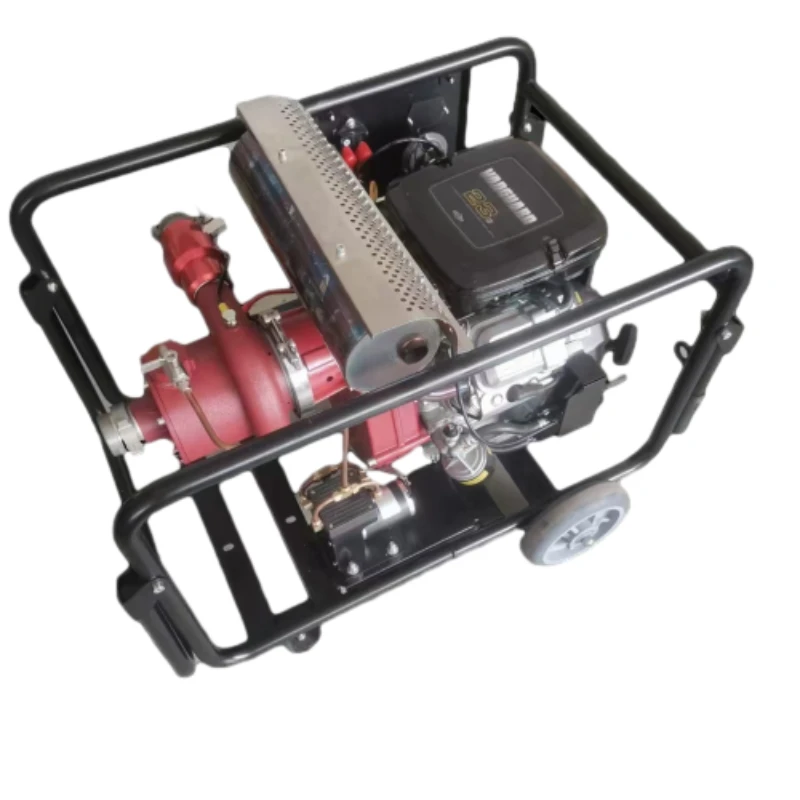
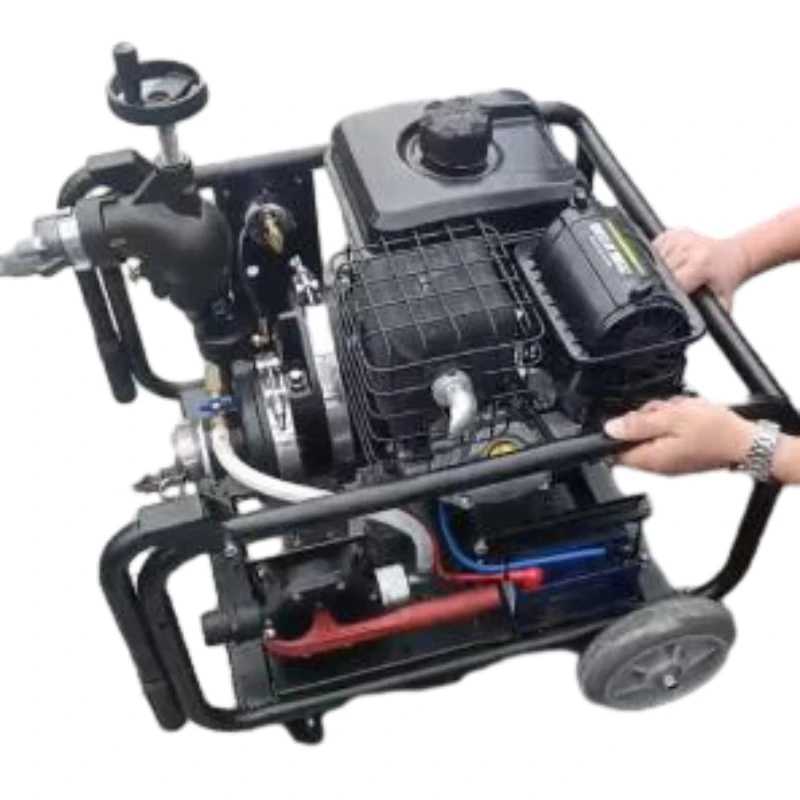
In post-disaster relief operations, portable water mist units help NGOs manage fires without overwhelming fragile infrastructure. Remote industrial zones, especially in parts of Southeast Asia and Africa, benefit from water mess systems because they reduce water waste and damage — important where every resource is precious.
Water mist fire protection is something I noticed getting steadily more fame during recent wildfires in California, where protecting electrical substations couldn’t rely on traditional methods.
Product Specification Table: Typical Water Mist System Parameters
| Specification | Value / Range | Comments |
|---|---|---|
| Droplet Size | 10-100 μm | Optimized for fast cooling and oxygen displacement |
| Operating Pressure | 40-140 bar | Higher pressures atomize water better |
| Water Consumption | Up to 90% less than sprinkler | Critical for water-scarce areas |
| Response Time | Below 30 seconds | Depends on sensor integration |
| Materials Used | Stainless steel, brass, polymers | Must resist corrosion and wear |
Comparing Top Water Mist System Vendors
| Feature/Vendor | SafeMist Inc. | AquaGuard Systems | HydroShield Tech |
|---|---|---|---|
| Pressure Range | 50-130 bar | 40-120 bar | 60-140 bar |
| Droplet Size (μm) | 15-90 | 10-100 | 20-80 |
| Suitable Environments | Marine, Industrial | Healthcare, Data Centers | Offshore, Warehousing |
| Automation Features | Auto-start, Remote monitoring | Integrated sensors, AI analytics | Basic auto-start, manual override |
| Typical Installation Cost | $$$ | $$$$ | $$ |
The Long-Term Benefits of Choosing Water Mist Fire Protection
Cost savings might jump out first — water mist systems often use up to 90% less water than traditional sprinklers, drastically lowering water bills and cleanup costs. But there’s also sustainability to consider. Lower water use means less strain on municipal supplies, especially crucial in drought-prone regions.
On a more human level, these systems offer peace of mind, protecting people and assets without the “shock” of drenched floors or damaged tech. Many people I chatted with, especially facility managers, say the subtlety and reliability foster workplace trust — you don’t want a fire system so disruptive, it creates new problems.
Peeking Ahead: Trends Shaping Water Mist Fire Protection’s Future
The fusion of digital transformation with fire protection is fascinating. Expect more AI-powered sensor arrays that analyze fire risk in real-time and adjust water mist pressure or distribution dynamically. There’s also an exciting push toward green energy—solar-powered pumps and eco-friendly plumbing materials.
Moreover, R&D labs are experimenting with hybrid solutions, combining water mist with inert gases or foam, extending versatility. These innovations point toward smarter, more modular fire protection that can be tailored instantly to changing risk profiles.
Common Challenges & How Experts Are Tackling Them
Of course, no silver bullet exists. Water mist systems face hurdles like high initial installation cost and maintenance complexity. Also, not all water mist designs perform equally under extreme temperature or pressure swings.
Experts recommend thorough risk assessment upfront and continued training for operators. Modern digital dashboards help monitor system health remotely, reducing downtime. Additionally, modular component designs make repairs quicker and cheaper — a small but meaningful evolution.
FAQ: Frequently Asked Questions About Water Mist Fire Protection
- Is water mist fire protection safe for sensitive electronics?
- Absolutely. Because of the tiny droplet size, these systems use far less water than sprinklers, significantly reducing risk of water damage to electronics and sensitive equipment.
- How does water mist compare to traditional sprinkler systems?
- Water mist uses up to 90% less water, cools fires faster, and works better for confined spaces or areas with electrical hazards. Sprinklers, however, cover larger open areas more simply and cost-effectively.
- Can water mist systems be customized for various industries?
- Yes, manufacturers design water mist solutions tailored to different environments, from hospitals to marine vessels, ensuring optimal performance based on risk profile.
- What maintenance do water mist fire protection systems require?
- Regular checks include nozzle cleaning, pressure testing, and sensor calibration. Many modern systems have remote diagnostics to alert maintenance teams proactively.
Wrapping Up
Water mist fire protection isn’t just a tech upgrade — it’s a smarter, more sustainable, and increasingly essential way to fight fires in places that matter most. From saving water in drought-hit regions to protecting delicate historical sites or high-tech industrial gear, it’s clear this is a technology shaping the future of fire safety.
If you’d like to explore how water mist fire protection can safeguard your assets while cutting costs and environmental impact, do visit our website: https://www.ffwfiresafety.com. Sometimes, the best solutions are the ones quietly working behind the scenes.




 English
  Arabic
  Bengali
  China
China  French
  German
  Hausa
Hausa  Indonesian
  Italian
  Japanese
  Javanese
  Malay
Malay  Persian
  Portuguese
  Punjabi
  Russian
  Spanish
  Swahili
  Telugu
  Vietnamese