








Understanding Mist Systems Fire Protection: A Global Safety Solution
Fires—unfortunately—can spark anywhere: in dense urban centers, sprawling industrial complexes, or remote forests. As our buildings stack higher and our factories grow more complex, mist systems fire protection crops up as an elegant, practical solution to a very old problem. At its core, these systems work by spraying ultra-fine water droplets to choke flames and cool surfaces rapidly, limiting fire spread while causing less water damage than traditional sprinklers.
Globally, fire incidents cause billions in damage yearly, with developing nations especially vulnerable due to limited infrastructure or outdated safety methods. Given the scale of urban growth and industrial expansion, mastering mist systems fire protection addresses urgent needs for both safety and sustainability—two goals that are increasingly intertwined.
Why Mist Systems Fire Protection Matters on a Global Scale
Here’s a startling figure: according to the United Nations Office for Disaster Risk Reduction (UNDRR), more than 180,000 fires are reported daily worldwide, many associated with injuries, fatalities, or massive property loss. In cities alone, population density only heightens potential catastrophe.
Industries like oil refining, chemical plants, and even high-rise residential complexes face unique challenges that traditional sprinklers may not address effectively. Water damage concerns and limited water availability in arid regions, for example, often make conventional fire suppression cumbersome or even impractical.
Mist systems fire protection, by delivering precise, low-volume water sprays, help conserve water, reduce cleanup costs, and hold great promise for areas where every drop counts. This form of fire control aligns perfectly with international efforts on sustainable building practices and disaster resilience (ISO standards on fire safety are increasingly referencing water mist systems).
What Exactly Are Mist Systems Fire Protection?
Simply put, mist fire protection systems use nozzles designed to create thousands of tiny droplets — usually less than 100 microns in diameter — capable of rapidly absorbing heat and displacing oxygen around a fire’s core.
Unlike traditional sprinklers that dump large volumes of water, these mist systems deploy microscopic water droplets that quickly vaporize, soaking hot surfaces and starving flames without flooding areas. This approach is especially suited to sensitive environments, like museums, server rooms, or historical buildings, where water damage can be catastrophic.
From a humanitarian perspective, mist systems can be critical in shelters, temporary housing, or refugee camps—many of which are vulnerable to fast-spreading fires and lack complex fire suppression infrastructure.
Core Components and Key Factors of Mist Systems Fire Protection
1. Nozzle Design and Droplet Size
The essence of mist systems lies in how fine the water droplets are. Smaller droplets mean greater surface area, allowing faster heat absorption to smother fires. Precision-engineered nozzles regulate droplet size and spray pattern, crucial for adapting to varied environments.
2. Water Supply and Pressure
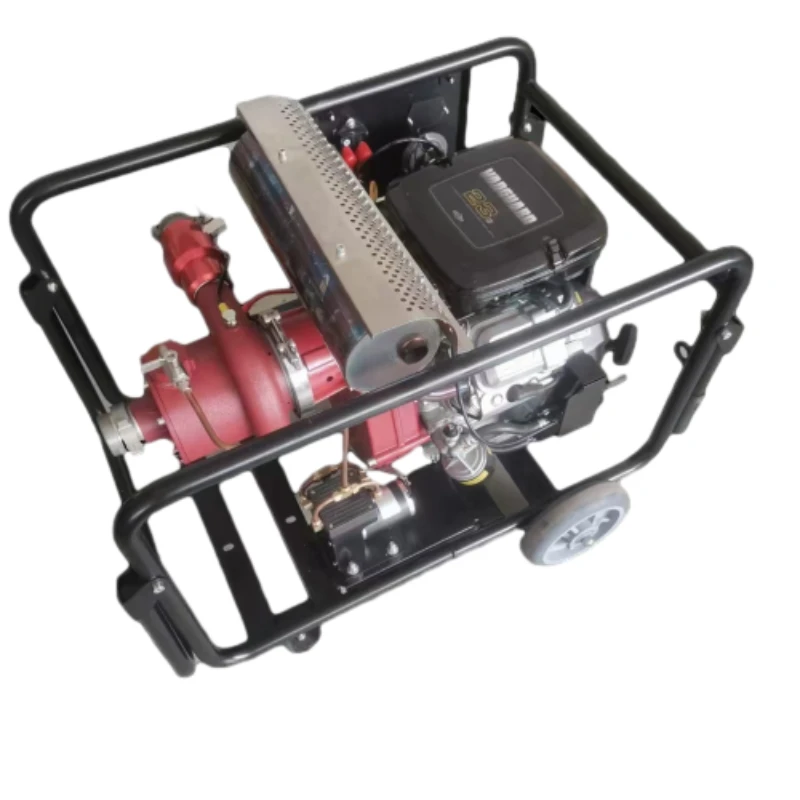
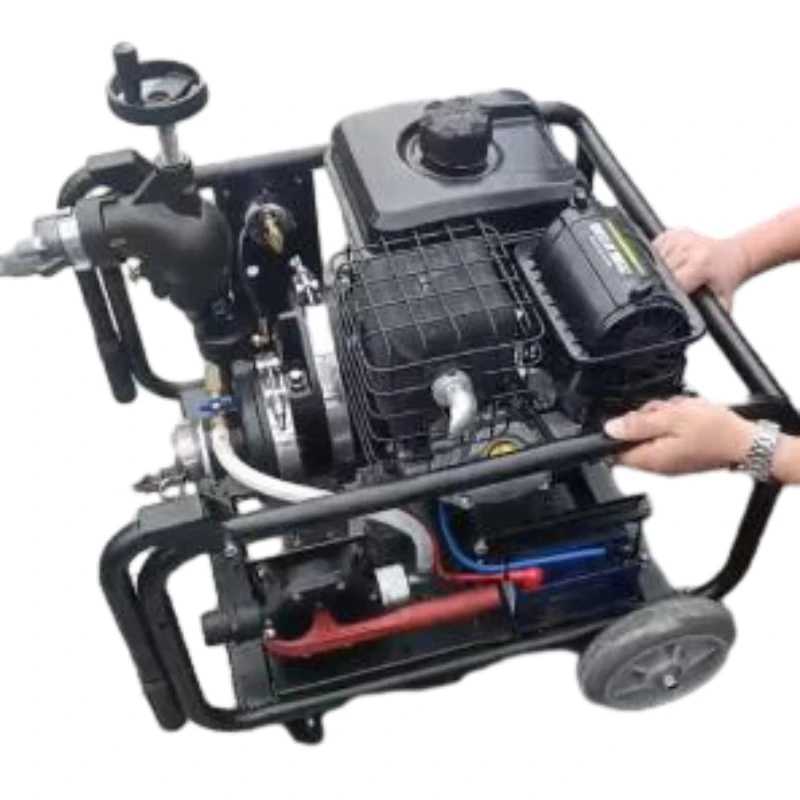
Reliable water pressure and volume controls ensure the system activates promptly and sustains the mist until fire control or suppression occurs. Many systems incorporate pumps with battery backups for resilience during power cuts.
3. Detection and Activation
Automated sensors and heat detectors linked to control units trigger fire mist release instantly. Faster activation equals reduced fire damage and less risk to occupants or equipment.
4. Scalability and Integration
These systems can be custom-tailored for small enclosed spaces or extended to protect entire industrial halls. The flexibility to integrate with existing sprinkler or sprinkler-alternative setups means gradual upgrades can be feasible and less disruptive.
5. Environmental and Cost Efficiency
Minimal water consumption significantly cuts costs on water bills and reduces environmental impact—an ascending priority for enterprises aiming for greener operations.
| Feature | Detail |
|---|---|
| Droplet Size | 20–100 microns |
| Water Consumption | Up to 90% less than traditional sprinklers |
| Activation Time | Under 10 seconds |
| Pressure Requirement | 7–12 bar typical |
| Suitable Environments | Museums, industrial plants, marine vessels, hospitals |
| Maintenance Interval | Every 6–12 months recommended |
Applying Mist Systems Fire Protection Around the World
From bustling metropolitan centers in Japan to oil rigs in the Middle East or hospital corridors in Europe, mist fire protection has penetrated diverse sectors. Oddly enough, the world’s wettest locations adopt it just as eagerly as the driest thanks to its water efficiency.
- Post-Disaster Relief Sites: Rapidly deployable mist systems can protect fragile wooden shelters and tents.
- Remote Industrial Zones: In mining or forestry regions, these systems lower risk without heavy reliance on water infrastructure.
- Cultural Sites: Museums and archives use mist protection to reduce water damage risk from conventional sprinklers.
- Marine Applications: Ships and offshore platforms rely on mist systems due to space and weight constraints.
You might be interested in learning more or finding tailored solutions at mist systems fire protection providers who combine global expertise with local responsiveness.
Advantages and Long-Term Benefits of Water Mist Fire Safety
It’s tempting to think fire suppression is all about reaction speed, but mist system advantages run deeper. Let me elaborate:
- Cost Savings: Reduced water use means fewer resources spent on water procurement and drainage management.
- Preservation: Sensitive contents remain intact, crucial in libraries or hospitals.
- Environmental Impact: Lower water runoff lessens pollution risk.
- Human Safety: Low water volume reduces slip hazards and electrical risks during fire events.
- Trust and Innovation: Implementing advanced technology boosts occupant confidence and corporate reputation.
Frankly, using these systems also signals a company’s seriousness about safety without wasting resources—an increasingly important factor in pitcher-perfect sustainability narratives.
Future Trends: Innovations Transforming Mist Systems Fire Protection
Industry insiders note that digital transformation is already afoot. Smart sensors paired with IoT platforms enable constant diagnostics, predictive maintenance, and system tweaks without manual inspections.
In materials science, corrosion-resistant alloys and bio-inspired nozzle designs promise longer life and finer droplet control. Green energy-powered pumps—solar or battery hybrid—augment off-grid applicability.
Regulatory frameworks are beginning to embrace such technologies, encouraging their integration in new builds and retrofits—an exciting outlook for sustainability-conscious builders.
Challenges Remain, But Solutions Are Emerging
Despite many benefits, mist systems face hurdles: installation expense, retrofitting complexity, and awareness gaps slow adoption, especially in emerging markets.
Some engineers advocate phased upgrades and modular designs to ease cost burdens. Training programs and industry standards help demystify system operation for facilities managers unfamiliar with newer fire suppression tech.
Comparing Leading Mist Fire Protection System Providers
| Vendor | System Type | Typical Applications | Water Efficiency | Price Range |
|---|---|---|---|---|
| AquaMist Solutions | High-Pressure Water Mist | Hospitals, Data Centers, Museums | Up to 85% less water | $$$ |
| EcoFire Systems | Low-Pressure Water Mist | Industrial Plants, Warehouses | ~70% less water | $$ |
| Nimbus Safety Tech | Hybrid Mist-Sprinkler | Marine Vessels, Retail | ~65% less water | $$$ |
Frequently Asked Questions About Mist Systems Fire Protection
Q1: How do mist systems compare to traditional sprinklers in terms of water damage?
Unlike traditional sprinklers that release large volumes of water, mist systems spray fine droplets that vaporize quickly, significantly reducing water damage. This makes them ideal for sensitive areas where preserving assets is crucial.
Q2: Can mist fire protection systems be retrofitted into existing buildings?
Yes. While installation may require adjustments, many mist systems are modular and can integrate with existing fire safety setups, providing a less disruptive upgrade path.
Q3: Are mist systems effective in outdoor or semi-open areas?
Their effectiveness outdoors can diminish due to wind dispersal; however, they perform well in semi-enclosed spaces or specialized outdoor enclosures designed to shield mist spray.
Q4: What maintenance is needed for a mist system?
Routine checks every 6 to 12 months are recommended, focusing on nozzle cleanliness, pressure testing, and sensor calibration to ensure reliable operation.
Q5: Where can I find certified mist system providers?
Industry certifications like UL or FM approval signal reliability. Leading providers are listed on specialized safety websites and platforms such as mist systems fire protection.
Wrapping It Up: The Long Game for Mist Systems Fire Protection
For anyone invested in cutting-edge, resource-conscious fire safety, mist systems fire protection is more than just a new gadget. It’s a paradigm shift embracing less waste, smarter control, and broader applicability—from industrial giants to vulnerable humanitarian camps.
If you’re curious how mist systems could fit your safety or sustainability ambitions, drop by our site for tailored insights and solutions.
1. United Nations Office for Disaster Risk Reduction (UNDRR) - www.undrr.org
2. ISO Fire Safety Standards - www.iso.org
3. Wikipedia: Water Mist Fire Suppression Systems - en.wikipedia.org




 English
  Arabic
  Bengali
  China
China  French
  German
  Hausa
Hausa  Indonesian
  Italian
  Japanese
  Javanese
  Malay
Malay  Persian
  Portuguese
  Punjabi
  Russian
  Spanish
  Swahili
  Telugu
  Vietnamese