

wechat
d3f465e7-84e5-42bb-9e8a-045675d7acbb.webp1
whatsapp
736c7497-0c03-40d4-ba30-fc57be1a5e23.webp1
mailto
up

Advanced wildfire backpack pump Solutions for Ecuador

High-performance fire suppression technology engineered for the diverse terrains and critical forest ecosystems of South America.

Advanced wildfire backpack pump Solutions for Ecuador

Providing professional-grade firefighting equipment tailored for the Andean highlands and Amazonian rainforests, ensuring rapid response and maximum containment.

Current State of Firefighting in Ecuador

Analyzing the challenges of vegetation fire control in the Ecuadorian landscape.

Ecuador's unique geography, ranging from the coastal plains to the high Andes and the humid Oriente, creates varied fuel loads for wildfires. Currently, many local brigades rely on traditional methods, but there is a growing demand for specialized wildland pumps to access remote areas where heavy machinery cannot penetrate.

The climate variability induced by El Niño often leads to severe droughts in the scrublands, making the deployment of a reliable fire fighting pump essential for safeguarding biodiversity and agricultural assets from rapid fire spread.

Logistical constraints in mountainous regions mean that mobility is paramount. The adoption of portable, ergonomic equipment is no longer optional but a necessity for the safety of first responders facing unpredictable wind patterns in the Andean valleys.
Evolution of Forest Fire Technology

From manual water buckets to high-pressure portable suppression systems.

Market Development History

In the early 2000s, firefighting in Ecuador primarily relied on basic hand tools and large water tankers. However, these were ineffective in the steep slopes of the Andes, leading to the first introduction of manual backpack sprayers.

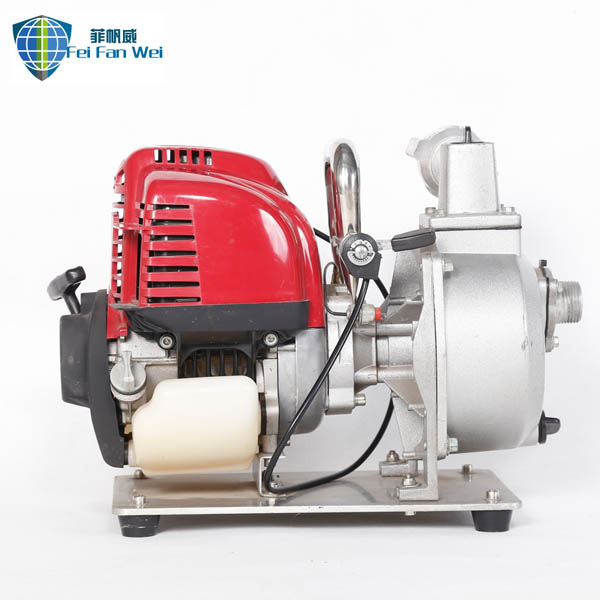
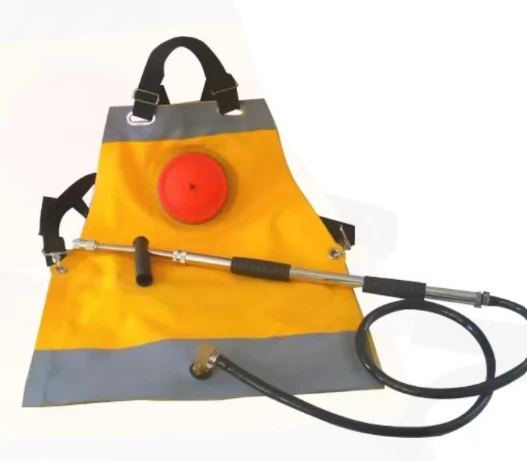
By 2010-2015, the industry shifted toward mechanical assistance. The introduction of the backpack fire pump forestry models allowed crews to project water further and with more force, significantly reducing the risk to personnel.

From 2018 to the present, there has been a transition toward integrated systems, combining diesel-powered reliability with portable agility, specifically optimizing the flow rates for the dense canopy of the Amazon basin.

Future Development Trends

Lightweight Composite Materials

The shift toward carbon-fiber and high-grade polymers will reduce the physical burden on firefighters operating in high-altitude Ecuadorian regions.

Hybrid Power Systems

Integration of battery-assisted pumps to complement diesel engines, reducing noise pollution in protected wildlife reserves while maintaining pressure.

Precision Flow Control

Smart nozzles that adjust water output based on fuel type, optimizing the limited water resources available in remote wildland settings.

Industry Trends and Future Outlook

Predicting the trajectory of fire safety equipment in South America.

High-Pressure Portability
Increasing demand for pumps that balance extreme pressure with lightweight frames for mountain deployment.
Diesel Efficiency
Optimization of diesel sprinkler pump systems for long-duration perimeter defense in rural estates.
Eco-Friendly Foams
Integrating biodegradable fire-retardants into pump systems to protect the Galápagos and mainland ecosystems.
Rapid Deployment
Focusing on "plug-and-play" modularity for immediate response during the dry season.

Industry Outlook

Google search trends for "emergency fire response" in the region indicate a shift toward decentralized firefighting. Instead of relying on a few massive stations, there is a push for smaller, highly equipped mobile units using portable pumping technology.

We anticipate a 25% increase in the adoption of specialized wildland equipment over the next 3 years as the Ecuadorian government strengthens its environmental protection policies and disaster risk management protocols.

Localized Application Scenarios in Ecuador

Practical deployment of fire pumps across Ecuador's diverse biomes.

1. Andean Cloud Forest Protection

Deploying lightweight backpack pumps to combat undergrowth fires in the steep, moist slopes of the cloud forests where access is limited to footpaths.

2. Amazon Basin Rainforest Defense

Using high-capacity portable pumps to draw water from river networks for rapid containment of anthropogenic fires in the Oriente region.

3. Coastal Scrubland Management

Utilizing diesel-powered sprinkler systems to create wet-lines around critical infrastructure during the peak dry season in Manabí and Guayas.

4. Agricultural Perimeter Safeguarding

Implementing fixed-position sprinkler pumps in banana and cocoa plantations to prevent wildland fires from destroying commercial crops.

5. Highland Paramó Conservation

Utilizing specialized forestry pumps to protect the fragile Paramó grasslands, ensuring minimal soil disturbance during firefighting operations.

Brand Story

Global Development Process of Hebei Feifanwei Technology Co., Ltd.

Foundational Engineering

Established with a mission to solve the critical gap in high-pressure portable fire equipment for rugged terrains.

Technological Breakthrough

Developed patented valve systems that increased water flow efficiency by 30% for wildland applications.

Global Market Expansion

Extended operations to South America, adapting equipment to meet the specific altitude and humidity needs of the region.

Certification Excellence

Achieved international safety and quality certifications, ensuring every pump meets rigorous firefighting standards.

Future-Ready Innovation

Now focusing on intelligent, remote-monitored pumping systems to enhance firefighter safety worldwide.

Complete Fire Suppression Portfolio for Ecuador

A comprehensive range of equipment designed for Andean and Amazonian environments.

Common Questions in the Ecuadorian Market

Expert answers regarding the deployment of fire pumps in South America.

Which wildfire backpack pump is best for high-altitude Andean regions?

For high altitudes, we recommend pumps with optimized air-intake systems to maintain consistent pressure despite lower oxygen levels, ensuring maximum efficiency during ascent.

How do diesel sprinkler pump systems perform in remote Amazonian areas?

Our diesel systems are designed for ruggedness and fuel efficiency, allowing them to operate for extended periods in humid environments with minimal maintenance.

What is the maintenance cycle for a backpack fire pump forestry model?

We recommend a full seal inspection and valve cleaning every 50 hours of operation, especially when using water from natural sources that may contain sediment.

Can these wildland pumps handle high-viscosity fire retardants?

Yes, our pumps are engineered with corrosion-resistant internals specifically to handle both clear water and approved chemical fire-fighting foams.

How to choose the right fire fighting pump for agricultural use in Ecuador?

Consider the distance from the water source and the required throw distance; for larger plantations, a diesel-powered pump is ideal, while for small plots, portable units suffice.

Are the portable pumps compatible with existing hose standards in South America?

Yes, we provide universal adapters that ensure our equipment is compatible with the most common hose diameters used by emergency services across the region.

Secure Your Assets Today

Get professional consultation for the best fire safety equipment tailored for Ecuador.

Contact Us Now

SUBSCRIBE NEWSLETTER

We are very interested in your company's high-quality fire protection equipment and hope to learn more about the products and discuss purchasing matters.

If you are interested in our products, you can choose to leave your information here, and we will be in touch with you shortly.


en_USEnglish