








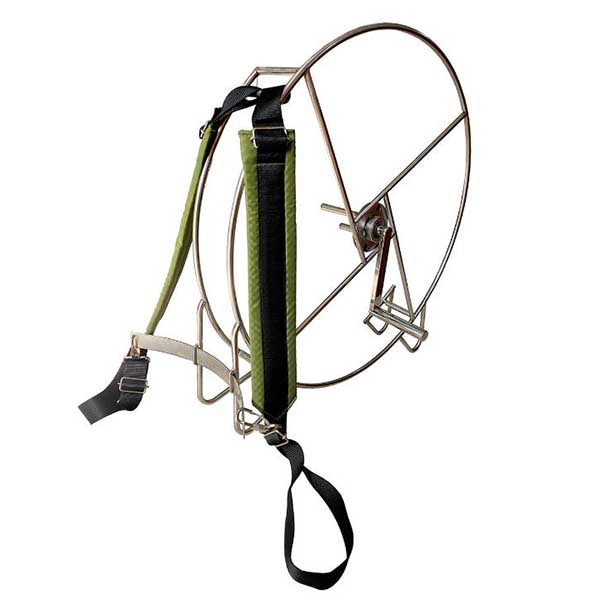
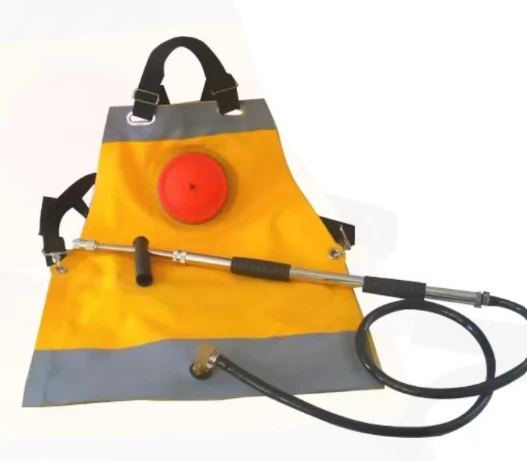
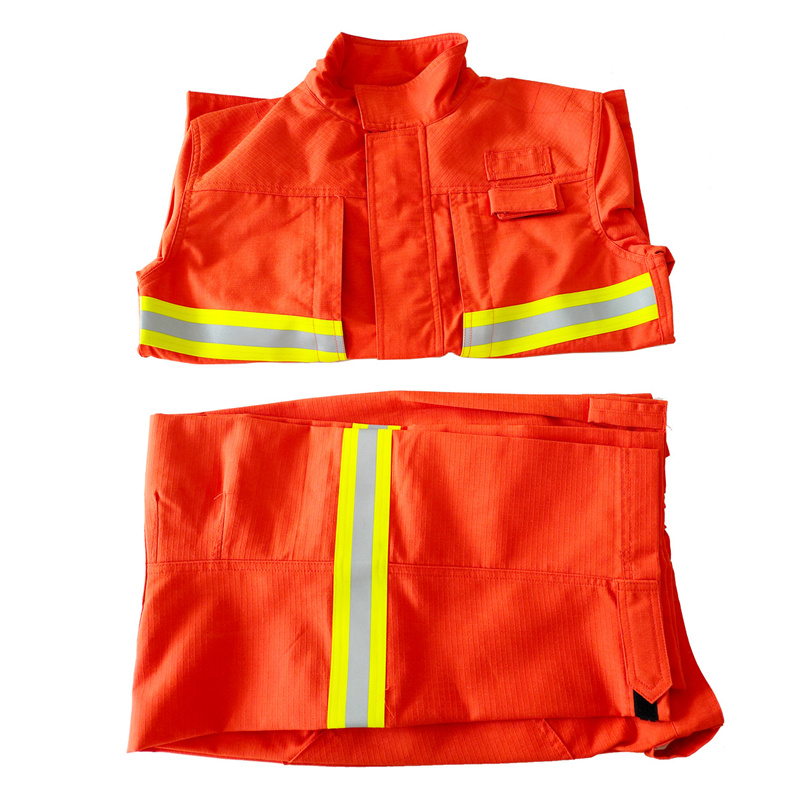
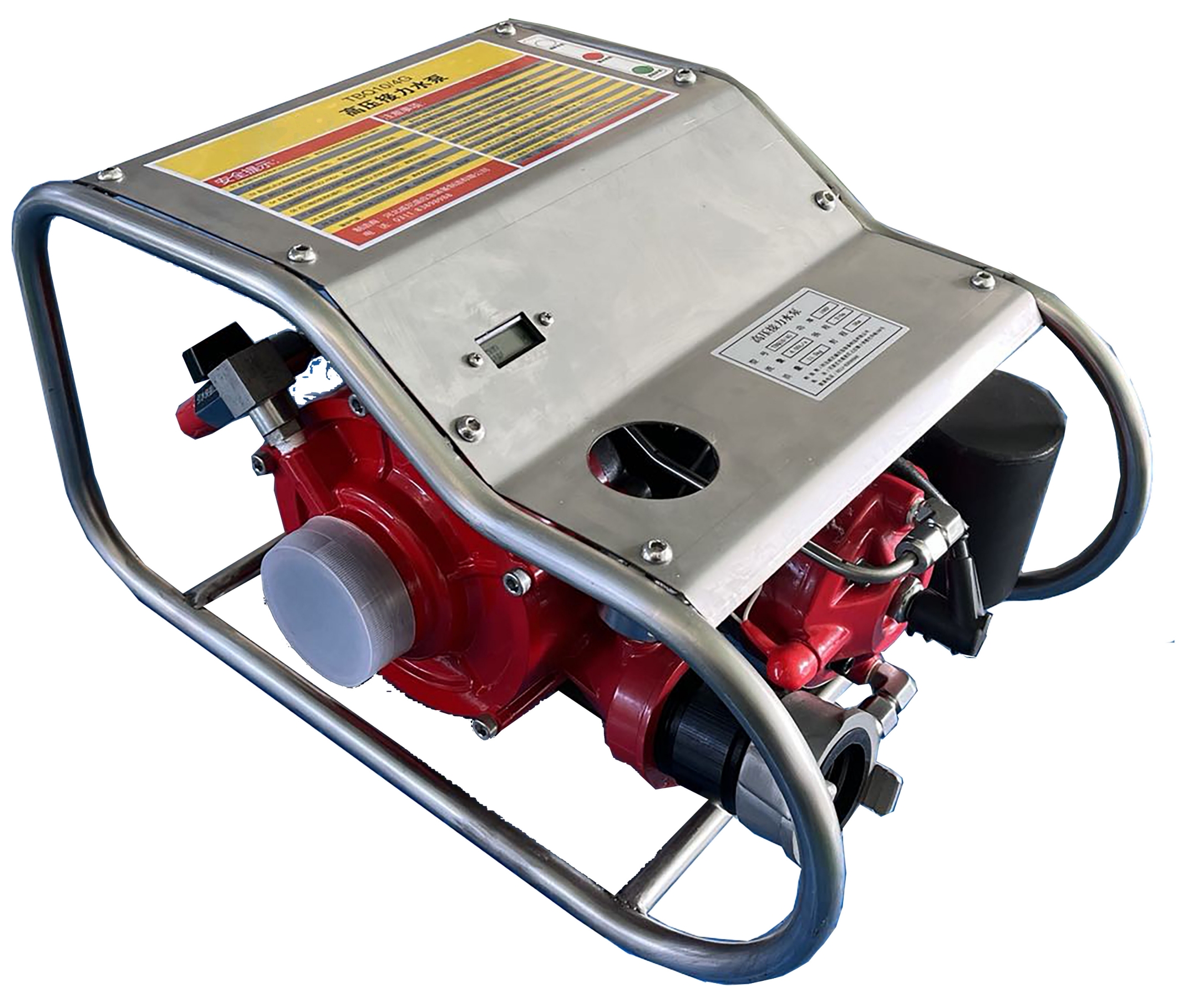
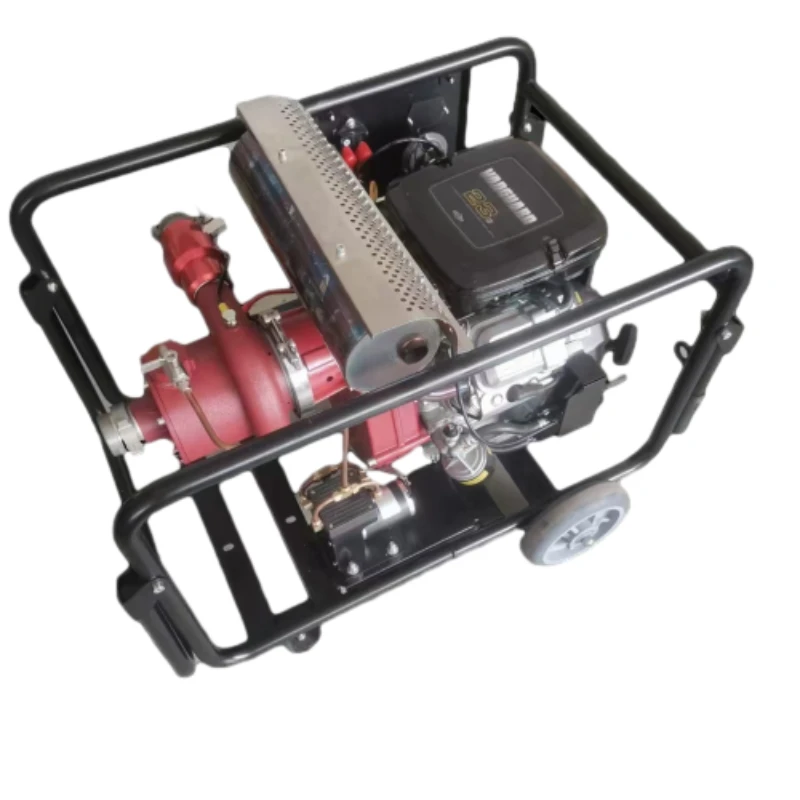
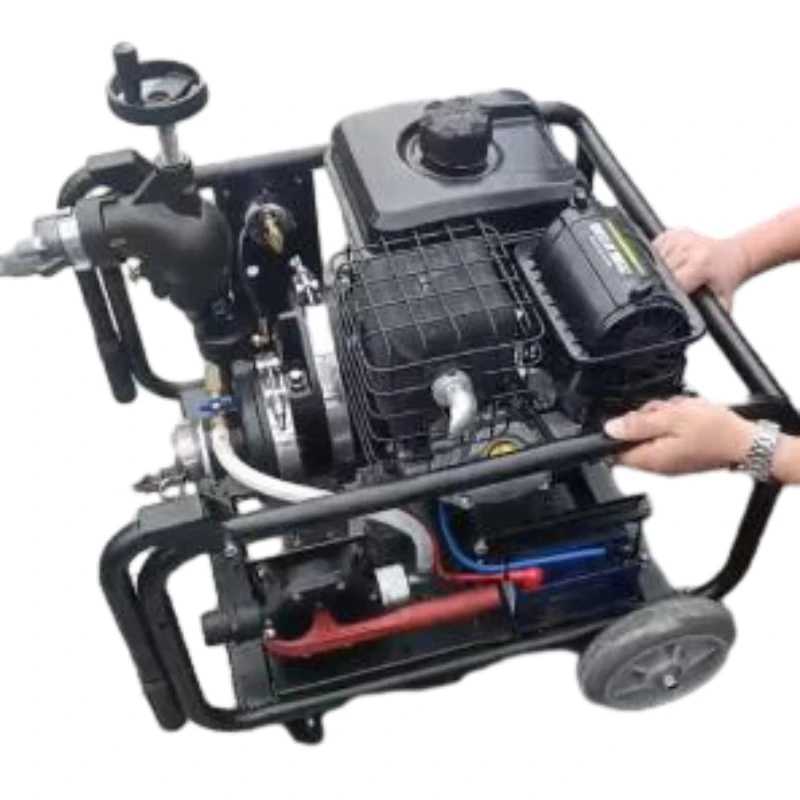
Ecuador's unique geography, ranging from the coastal plains to the high Andes and the humid Oriente, creates varied fuel loads for wildfires. Currently, many local brigades rely on traditional methods, but there is a growing demand for specialized wildland pumps to access remote areas where heavy machinery cannot penetrate.
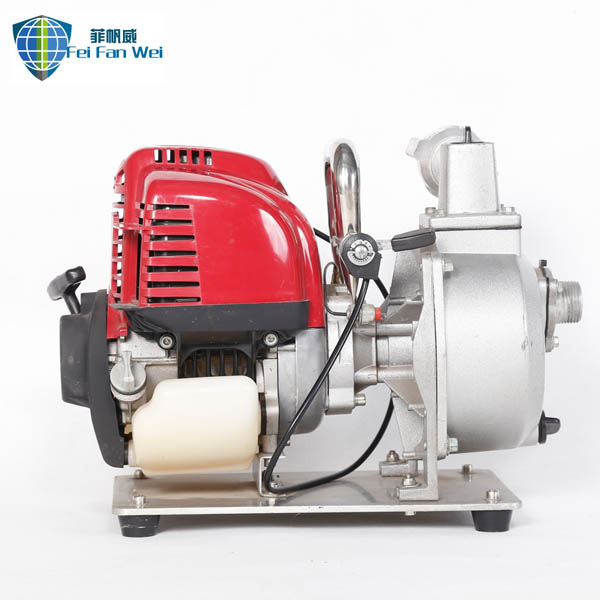
The climate variability induced by El Niño often leads to severe droughts in the scrublands, making the deployment of a reliable fire fighting pump essential for safeguarding biodiversity and agricultural assets from rapid fire spread.
Logistical constraints in mountainous regions mean that mobility is paramount. The adoption of portable, ergonomic equipment is no longer optional but a necessity for the safety of first responders facing unpredictable wind patterns in the Andean valleys.



 English
  Arabic
  Bengali
  China
China  French
  German
  Hausa
Hausa  Indonesian
  Italian
  Japanese
  Javanese
  Malay
Malay  Persian
  Portuguese
  Punjabi
  Russian
  Spanish
  Swahili
  Telugu
  Vietnamese