








Understanding the Water Pump Fire Extinguisher: Essential Safety in Motion
Fires are unpredictable, furious, and often devastating. In countless industries and communities worldwide, the water pump fire extinguisher plays a vital role in putting out flames quickly and effectively. But beyond just a simple device, it symbolizes a global commitment to safety, sustainability, and proactive disaster management. Knowing how these extinguishers work, whom they serve, and their cutting-edge innovations is not just technical jargon — it’s literally a conversation about saving lives and resources.
The Global Context: Why Water Pump Fire Extinguishers Matter Now More Than Ever
Around the world, fire hazards continue to cause significant damage to infrastructure, agriculture, and human lives. According to the United Nations Office for Disaster Risk Reduction (UNDRR), fire-related disasters have increased by nearly 20% over the last decade, hitting developing countries hardest.1 In industrial zones, rural communities, and even urban settings, quick access to reliable fire suppression tools like the water pump fire extinguisher can drastically reduce loss.
The challenge, though, is that conventional fire safety equipment often struggles in remote or resource-limited environments — places where water supply, maintenance infrastructure, and transportation might all be fragile. That’s where water pump fire extinguishers come into their own. These devices pump water at high pressure, targeting fires more effectively than simple handheld extinguishers, making them integral to firefighting in everything from wildlands to factories.
Mini takeaway: The sheer rise in global fire incidents coupled with resource challenges underscores why versatile and high-performance equipment like water pump fire extinguishers are now indispensable.
What Exactly Is a Water Pump Fire Extinguisher?
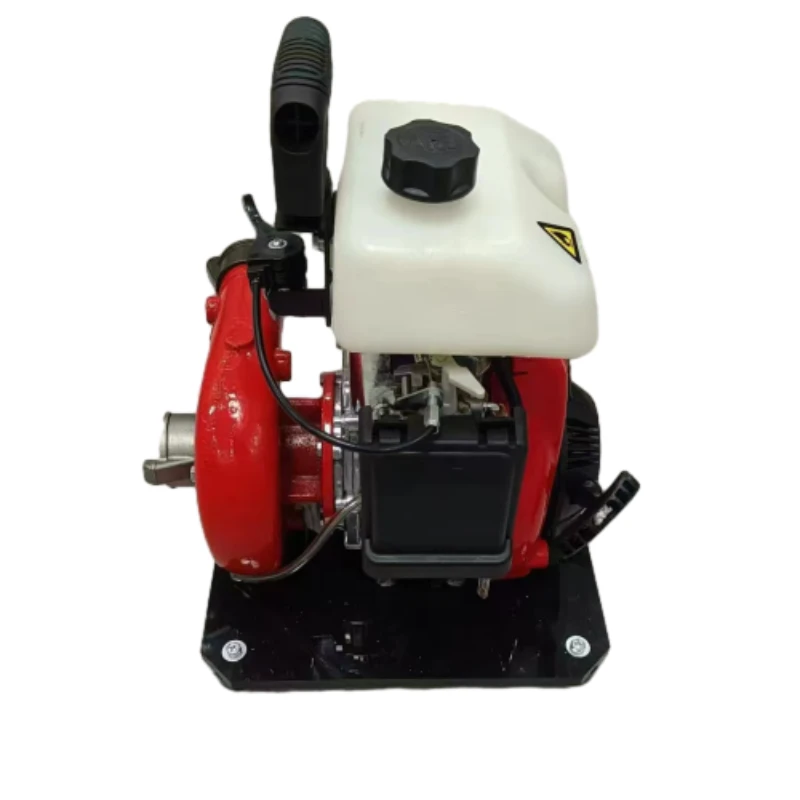
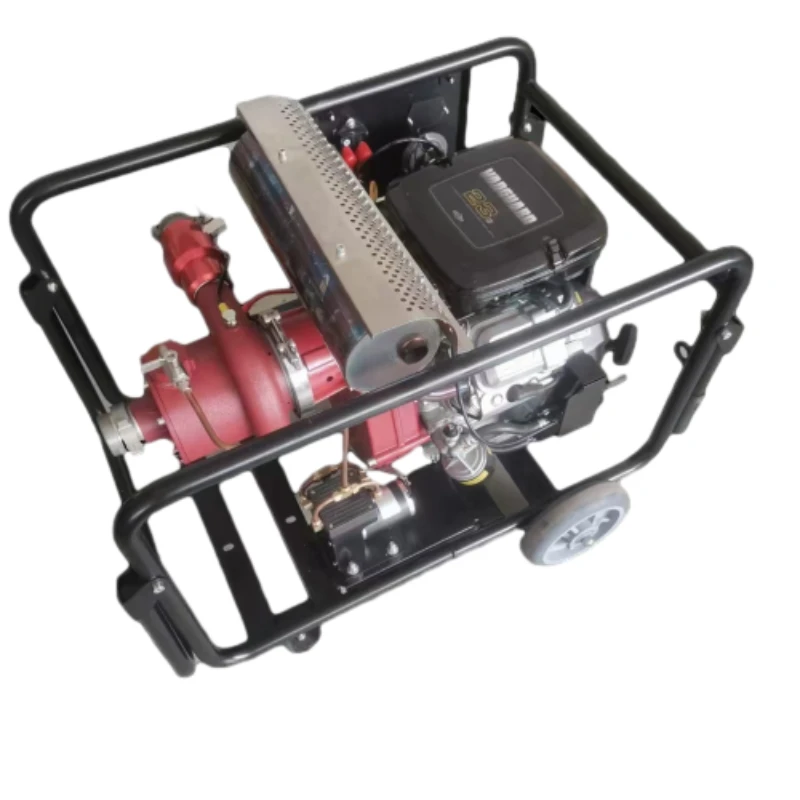
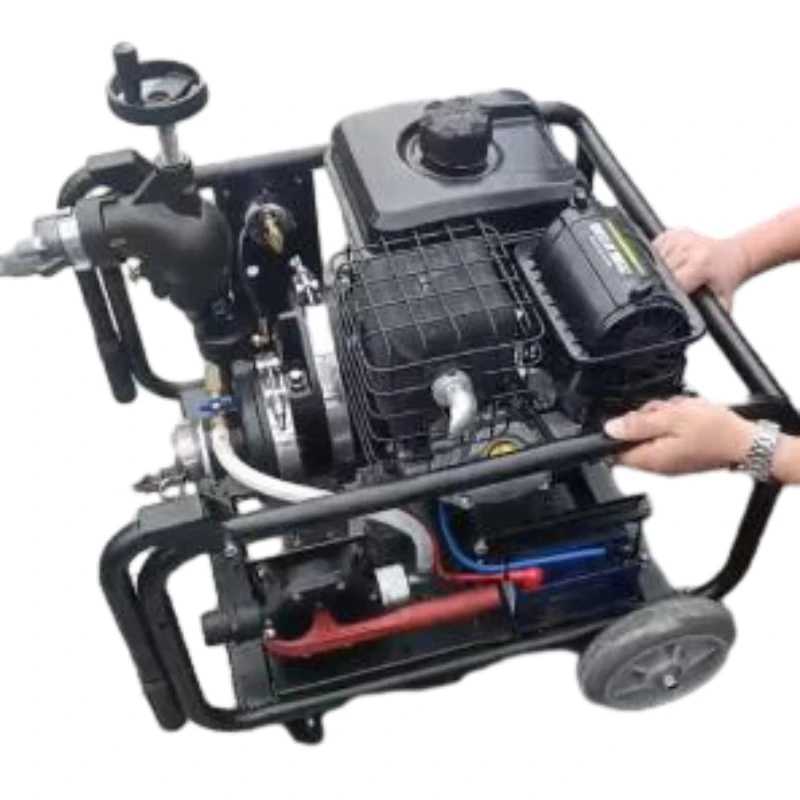
Think of a water pump fire extinguisher as a hybrid between a traditional extinguisher and a mini fire hose. Instead of relying on chemical agents, it uses water propelled by a pump mechanism to douse flames. This makes it particularly effective against Class A fires — those involving ordinary combustible materials like wood, paper, or fabric.2
The key difference? The integrated pump allows for greater pressure and a further-reaching spray, meaning firefighters or trained operators can tackle large or rapidly spreading fires more easily. In industrial or humanitarian contexts, where quick, large-volume firefighting options may be scarce, these extinguishers are crucial.
Key Features that Make Water Pump Fire Extinguishers Work
1. Durability and Build Quality
Many water pump fire extinguishers boast stainless steel or corrosion-resistant components, ensuring they hold up even in moist environments. Longevity matters—these devices often sit unused but must fire up under pressure at a critical moment.
2. Pump Efficiency and Coverage
The pump’s ability to push water at a consistent high pressure is the secret weapon. It extends the effective radius, so operators don’t have to get dangerously close to the flames.
3. Portability vs. Capacity
Some models balance a manageable size and weight with enough water volume for small to medium fires. Larger units may require mounting or wheels but deliver sustained firefighting power.
4. Maintainability and Ease of Use
In less technical settings or humanitarian relief zones, complex machinery can be a burden. So, simple pump mechanisms and easy refill procedures are a priority.
5. Cost Efficiency
Compared to chemical extinguishers, water pump models often cost less over their lifespan, especially since water is cheaper and more environmentally friendly.
Mini takeaway: Whether it’s ruggedness or operational simplicity, each factor is critical to bringing firefighting capability where it’s most needed.
Where Are Water Pump Fire Extinguishers Changing the Game?
Across continents and industries, they’re finding home in emergency vehicles, rural clinics, open air markets, and factories with heavy combustible materials on site. For instance:
- Remote industrial zones: Mines in Australia and South Africa use these devices to combat sudden fire outbreaks where water sources might be limited but fires can be fast-moving.
- Post-disaster relief operations: NGOs operating in wildfire-prone areas, like California or Mediterranean countries, equip teams with pump extinguishers because they can be refilled from natural water sources easily.
- Agricultural settings: Large farms in India and Brazil rely on these because open storage areas for grain or hay are highly flammable and distant from fire stations.
Comparing Popular Water Pump Fire Extinguishers: Basics at a Glance
| Model | Water Capacity (L) | Pump Pressure (psi) | Weight (kg) | Portability |
|---|---|---|---|---|
| HydroSafe 5000 | 5 | 120 | 9.8 | Handheld |
| AquaBlaze PRO | 10 | 150 | 18.5 | Mounted w/Wheels |
| FireFlow Classic | 7 | 130 | 12.2 | Handheld |
Why Investing in a Water Pump Fire Extinguisher Pays Off
When you think cost-effectiveness, it’s not just the upfront price that counts but the long game. Water pump fire extinguishers often mean fewer refills, less reliance on chemicals (which can degrade or expire), and easier maintenance. This translates to better sustainability – you’re not just preventing fire losses but reducing environmental impact.
There's also a human factor. Imagine a firefighter knowing their tool won’t jam the second they need it, or a factory worker confident that their safety measures aren’t "just for show." That emotional trust has a real impact on workplace morale and community confidence.
Looking Ahead: The Future of Water Pump Fire Extinguishers
Oddly enough, while water might sound “old school,” the technology behind pumping and delivery systems is evolving fast. From lightweight composite materials to digital pressure monitors and even solar-powered pumps in off-grid zones, the future for these extinguishers is electrifying.
Moreover, with countries tightening environmental regulations (ISO standards for fire safety are increasingly strict3), manufacturers are innovating to ensure devices are greener while maintaining top-notch reliability.
Challenges and Fixes in Water Pump Fire Extinguisher Deployment
Challenges remain, of course. Water freezing in cold climates, pump maintenance neglect, or difficulties sourcing clean water in arid regions can hamper effectiveness. But experts recommend proactive maintenance schedules, insulating technologies, and adapters that can use alternative safe fluids.
Plus, ongoing training ensures operators don’t simply “hope for the best” but understand their equipment intimately.
FAQ: Your Top Questions About Water Pump Fire Extinguishers
Q: How does a water pump fire extinguisher differ from chemical extinguishers?
A: While chemical extinguishers use agents like foam or powder to suffocate flames, water pump models rely purely on pressurized water. This makes them ideal for Class A fires and environmentally safer but less effective on electrical or grease fires.
Q: Can water pump fire extinguishers be used in areas without a steady water supply?
A: Yes, many models have onboard reservoirs. For extended use, they can be refilled from natural or external water sources, making them versatile for remote settings.
Q: What kind of maintenance does a water pump fire extinguisher require?
A: Regular inspection includes checking pump pressure, confirming water levels, examining seals, and ensuring the hose and nozzle are clear. Annual professional servicing is recommended for safety.
Q: Are these extinguishers safe to use indoors?
A: Generally yes, but users should ensure electrical equipment is switched off since water conducts electricity. Chemical extinguishers are preferable for electrical fires.
Q: How do I select the right water pump fire extinguisher for my facility?
A: Consider fire risk level, area size, access to water, and local climate. Consulting a fire safety professional ensures the best match.
Vendor Comparison: Finding the Right Partner
| Vendor | Product Range | Global Reach | After-Sales Support | Average Price (USD) |
|---|---|---|---|---|
| FireSafe Solutions | Basic to PRO Lines | 50+ countries | 24/7 Support & Training | $450 - $1,200 |
| HydroGuard Equipment | Heavy-duty & Custom Models | 30 countries mainly Asia & Europe | Onsite Maintenance Services | $600 - $1,500 |
| AquaX Fire Tech | Affordable & Entry-Level | Mainly North America | Online Troubleshooting | $300 - $700 |
In Closing: Why This Matters
The water pump fire extinguisher isn’t just a tool; it’s a linchpin for safer communities, industries, and disaster response around the globe. Whether you’re managing a factory floor, leading a fire brigade, or coordinating humanitarian aid, these devices offer a blend of reliability, cost efficiency, and eco-friendliness that’s hard to beat.
Want to learn more or explore options? Feel free to visit our partner site at water pump fire extinguisher for detailed support and product lines tailored to your needs.
References:
1. United Nations Office for Disaster Risk Reduction - undrr.org
2. Wikipedia - Fire extinguisher - en.wikipedia.org
3. ISO Fire Safety Standards - iso.org




 English
  Arabic
  Bengali
  China
China  French
  German
  Hausa
Hausa  Indonesian
  Italian
  Japanese
  Javanese
  Malay
Malay  Persian
  Portuguese
  Punjabi
  Russian
  Spanish
  Swahili
  Telugu
  Vietnamese