








What Exactly Is a Fire Extinguisher Water Pump and Why It Matters?
When it comes to firefighting equipment, we often think about extinguishers, hoses, or sprinklers. But one unsung hero in many fire safety systems is the fire extinguisher water pump. At its simplest, this device helps push water at high pressure from a reservoir to the nozzle on a fire extinguisher or sprinkler system, ensuring effective and timely fire suppression. Globally, fires cause thousands of deaths and massive property damage annually—so having reliable water pumps in extinguishing systems isn’t just practical; it’s lifesaving. Understanding these pumps, their design, and applications can help industries, emergency responders, and even homeowners optimize fire safety strategies.
Mini takeaway: Fire extinguisher water pumps are critical, often overlooked components that make water-based fire suppression both effective and reliable worldwide.
Why Fire Extinguisher Water Pumps Are Vital in Today’s Global Safety Landscape
The world is changing fast. According to the United Nations, escaped fires are one of the growing hazards in both urban and rural areas, intensified by climate change and expanding industrialization. ISO standards highlight that quick and consistent delivery of extinguishing agents is paramount to controlling fires. Yet, many regions still face challenges — from unreliable water pressure systems to ageing firefighting infrastructure.
The fire extinguisher water pump bridges this gap by ensuring that fire extinguishers and sprinkler systems receive steady, high-pressure water flow regardless of location, height, or supply challenges. Without it, even the best extinguishers might underperform just when we need them most.
Mini takeaway: In a world where fires are becoming more frequent and dangerous, reliable water pumps play a strategic role in firefighting efficacy, supported by standards and urgent global needs.
Defining the Fire Extinguisher Water Pump: What Is It?
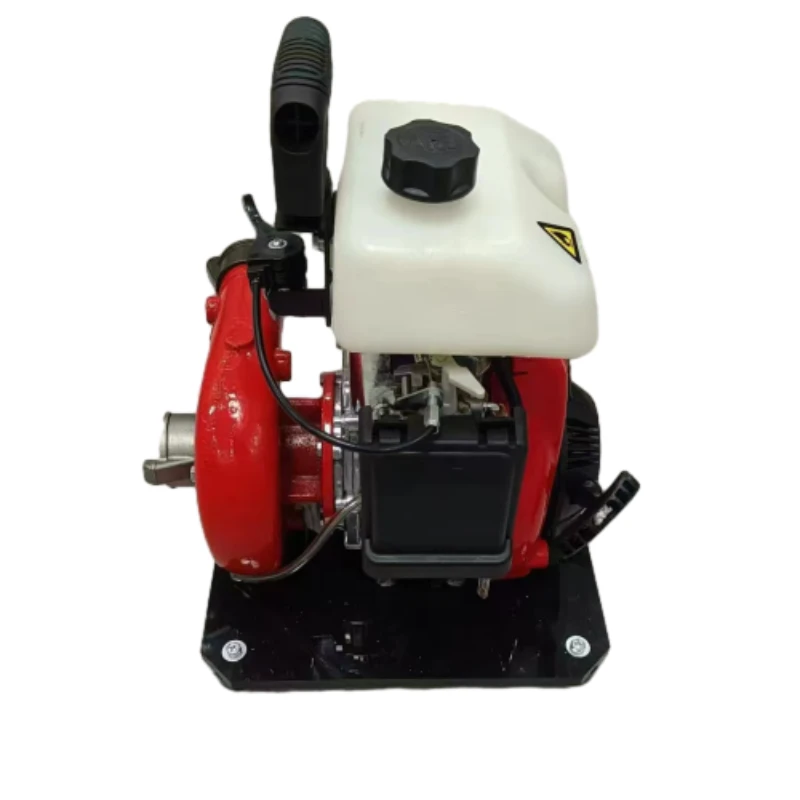
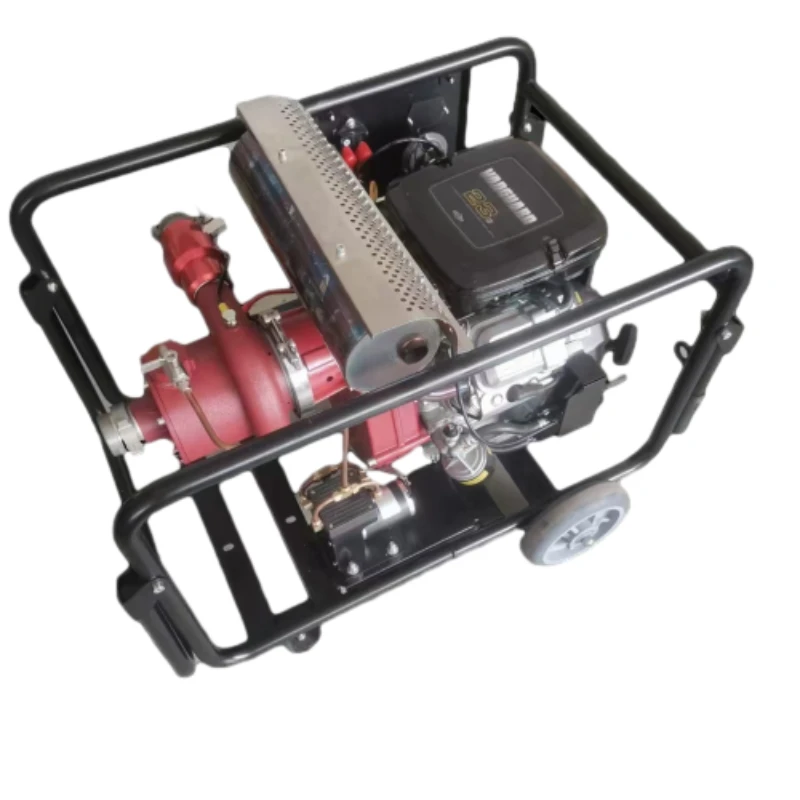
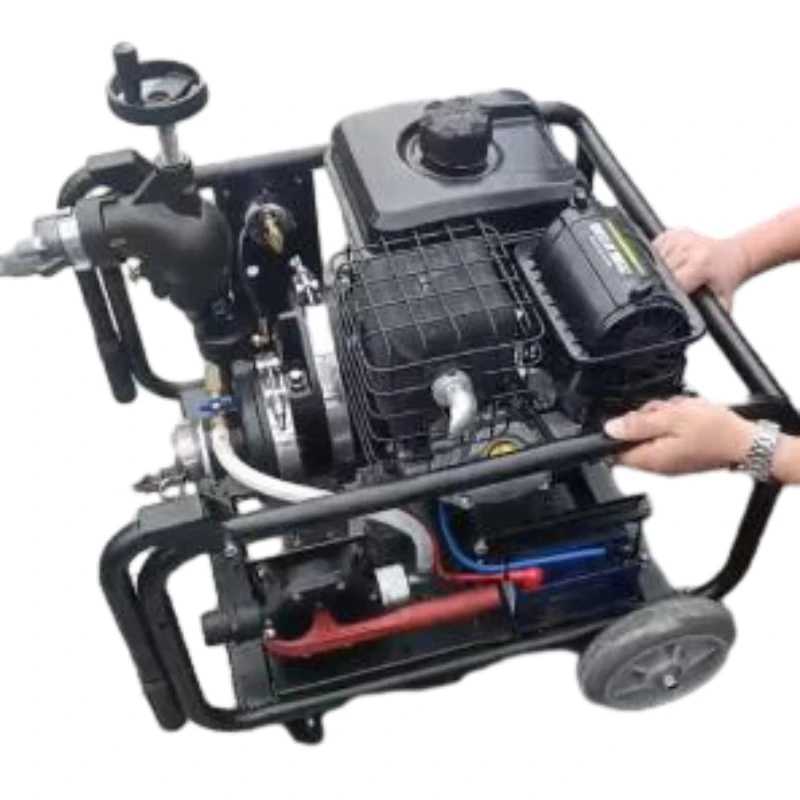
So, what specifically is a fire extinguisher water pump? In plain terms, it is a mechanical device designed to pressurize and move water within fire safety equipment. These pumps typically work with portable water tanks, standpipes, or local mains, transforming static water into a forceful stream capable of dousing flames quickly.
They differ from standard water pumps in that they are specially engineered to activate rapidly, withstand high operating pressures, and maintain reliable performance in emergencies where seconds count. They’re crucial for industrial complexes, high-rise buildings, and even temporary disaster relief setups.
Mini takeaway: Fire extinguisher water pumps are engineered for speed, pressure, and reliability—making them indispensable in modern safety and humanitarian contexts.
Key Components That Make These Pumps Tick
1. Durability and Material Quality
Fire situations can be extremely harsh, so these pumps need to be built from corrosion-resistant metals like stainless steel or treated alloys. Many engineers I’ve spoken to emphasize longevity, especially when equipment sits unused for long periods but must burst into action instantly.
2. Flow Rate and Pressure Output
The effectiveness depends on a balance between flow rate (liters per minute) and pressure (measured in PSI or bar). Different scenarios demand different specs—residential sprinklers require modest pressure, but industrial blaze suppression calls for far more muscle.
3. Power Source Versatility
Many pumps run electrically, but battery-operated, diesel, or even solar-powered variants are becoming popular to tackle remote or disaster-struck zones lacking grid power.
4. Size and Portability
Some pumps are compact, easily handled for mobile fire extinguishers, while others are fixed installations in large buildings or factories. The choice depends on anticipated use cases and logistics.
5. Maintenance and Testing Requirements
Regular testing is necessary to ensure operational readiness. Pumps with self-diagnostic features or easy maintenance access points dramatically lower long-term costs and downtime.
| Spec | Typical Value | Notes |
|---|---|---|
| Flow Rate | 100–500 L/min | Varies by pump size and use |
| Pressure | 4–12 bar (60–175 psi) | Ensures effective spray distance |
| Power | Electric, Diesel, Battery | Choice depends on location |
| Materials | Stainless Steel, Brass | Corrosion resistant |
| Activation Type | Manual / Automatic | Some pump systems start automatically |
Mini takeaway: Choosing the right fire extinguisher water pump boils down to matching durability, power, and functionality with the specific firefighting scenario.
Real-World Applications of Fire Extinguisher Water Pumps
Globally, these pumps show up everywhere from factory floors in Germany to wildfire control stations in Australia. Take for example remote mining sites in South America, where unstable power grids demand diesel-powered pumps to keep sprinklers functional. In post-disaster relief operations in Southeast Asia, battery-operated fire extinguisher water pumps enable quick deployment with no complicated hookups. Even everyday urban fire safety relies on these pumps, especially in skyscraper sprinkler installations where water must be pumped dozens of floors up reliably.
Industrial complexes, shipping ports, and even agricultural storage facilities all depend on the consistent performance of these pumps. They may not be glamorous, but they’re darned effective. For a quick deep dive into industrial fire safety equipment, see fire extinguisher water pump solutions tailored for complex needs.
Mini takeaway: From disaster relief to industrial zones, fire extinguisher water pumps serve as functional lynchpins in diverse firefighting scenarios worldwide.
Why Invest in Fire Extinguisher Water Pumps? The Long-Term Value
- Cost Efficiency: Properly chosen pumps reduce water waste and accelerate firefighting effectiveness, lowering property loss costs.
- Sustainability: Durable materials and energy options (like solar) ensure eco-friendly operation over decades.
- Safety & Trust: Workers and residents feel safer knowing water delivery won’t fail in emergencies.
- Innovation: Modern smart pumps can report faults before they escalate, boosting maintenance efficiency.
Honestly, it’s not just about dollars — there’s an emotional reassurance in knowing a pump will kick in instantly when all else seems to fail. And that kind of trust? Priceless.
What’s Next? Innovations Shaping the Future of Fire Extinguisher Water Pumps
We're already seeing a surge in compact, digital-controlled pumps that integrate with IoT fire detection systems. Imagine a pump that self-adjusts pressure based on sensor data or communicates with emergency services directly. Green energy-powered pumps—solar arrays paired with high-capacity batteries—are reducing reliance on diesel generators, making firefighting equipment more sustainable. Materials science also plays a part, with polymers and composites replacing metals to cut weight while retaining strength.
As cities grow smarter, I expect pumps to evolve into proactive components—helping not just in putting fires out, but in preventing them altogether.
Challenges & Solutions in Fire Extinguisher Water Pump Deployment
Of course, no tech is perfect. Current challenges include:
- Power reliability: Especially in remote or disaster-struck regions.
- Maintenance complexity: Pumps are often sealed units, making field repairs tricky.
- Cost barriers: Smaller businesses may struggle to justify investment.
To tackle this, some vendors offer modular, easily upgradable pump units, and support via remote diagnostics. Training local technicians and leveraging multi-power options (diesel/battery/solar) also ease deployments across different geographies.
| Vendor | Power Options | Maintenance Features | Unique Selling Point |
|---|---|---|---|
| AquaPump Systems | Electric, Solar | Built-in diagnostics | IoT integration |
| FireSafe Tech | Diesel, Battery | Modular design for easy repairs | Rapid deployment kits |
| HydroGuard | Electric only | Annual service plan with monitoring | Custom pressure tailoring |
Fire Extinguisher Water Pump: Frequently Asked Questions
Q1: How do I choose the right water pump for my fire extinguisher system?
A1: Consider the building size, water supply source, required pressure, and power availability. For residential setups, smaller electric pumps are usually enough, while industrial buildings might require diesel-powered, high-capacity pumps. Consulting with a certified fire safety engineer is always recommended.
Q2: Can fire extinguisher water pumps work during power outages?
A2: Yes, pumps powered by diesel engines, batteries, or solar setups can operate independently of the electrical grid, ensuring reliable fire suppression in emergencies.
Q3: How often should these pumps be tested?
A3: ISO and NFPA standards suggest monthly visual checks and annual functional testing to verify performance and identify maintenance needs.
Q4: Are there environmentally friendly fire extinguisher water pumps?
A4: Absolutely. Many manufacturers now offer solar-powered or hybrid pumps that reduce emissions and energy consumption without compromising reliability.
Q5: Can I integrate a water pump with smart building systems?
A5: Yes, modern pumps often support IoT integration, allowing automatic activation and continuous monitoring through fire alarm networks and building management systems.
Wrapping Up: Why Your Fire Safety Strategy Needs a Reliable Water Pump
To sum it all up: A fire extinguisher water pump isn’t just a mechanical boost for water; it’s a cornerstone of modern fire safety. Whether you manage a sprawling factory or retrofit urban apartments, understanding and implementing the right pump technology can make a literal difference between containment and catastrophe. The blend of durability, pressure control, and adaptability means these pumps continue to evolve alongside firefighting challenges globally.
Don’t leave fire safety to chance — visit https://www.ffwfiresafety.com for expert guides, tailored pump solutions, and support to secure your premises today.
References:




 English
  Arabic
  Bengali
  China
China  French
  German
  Hausa
Hausa  Indonesian
  Italian
  Japanese
  Javanese
  Malay
Malay  Persian
  Portuguese
  Punjabi
  Russian
  Spanish
  Swahili
  Telugu
  Vietnamese