Understanding the Water Fire Pump: Why It Matters Globally
When you hear “water fire pump,” you might picture a bulky, noisy machine tucked away in a corner of a fire station. But honestly, these pumps are way more crucial—and fascinating—than that simple snapshot suggests. Globally, water fire pumps form the backbone of firefighting efforts, industrial safety, and even disaster relief. Without their steady, reliable push to move water powerfully and quickly, countless structures and lives would face much higher risks from fire outbreaks.
From bustling urban centers to remote industrial zones, installing and maintaining robust water fire pumps is a practical necessity—and a global challenge. According to the International Fire Chiefs Association, response efficiency hinges partly on pump performance. It’s the difference between a small kitchen fire and a devastating blaze. So getting to know these devices isn't just about machinery; it's part of humanity’s ongoing effort to protect itself.
Mini takeaway: Water fire pumps may not grab headlines but quietly form a global safety net, making them one of the unsung heroes in public safety and industrial resilience.
The Global Context of Water Fire Pumps
Across continents, fire safety standards like ISO 9001 and ISO 7240 mandate dependable water fire pump systems. With urban areas expanding at unprecedented rates—UN data shows that 56% of the world’s population now lives in cities—the pressure on firefighting infrastructure is enormous. Fire departments, industries, and governments face the constant problem of ensuring their water supply can meet sudden demands.
Surprisingly, one of the biggest challenges isn’t just the pump itself but accessibility to reliable water sources, especially in drought-prone or disaster-hit regions. This is where water fire pumps step in not merely as firefighting tools but as vital components of emergency response plans worldwide.
Why the Focus on Water Fire Pumps?
- They guarantee rapid water delivery even under extreme conditions.
- They help enforce fire safety compliance globally.
- They protect economic assets worth billions.
- They add layers of security in humanitarian relief where fire risk can be dangerously high.
Mini takeaway: In an increasingly urbanized and industrialized world, the role of water fire pumps transcends firefighting—it’s a key to resilient communities.
What Exactly Is a Water Fire Pump?
Simply put, a water fire pump is a device designed to boost the pressure and flow of water to fire suppression systems. If you imagine a fire hose struggling with low water pressure, the pump is that muscle making the water shoot powerfully out of the nozzle.
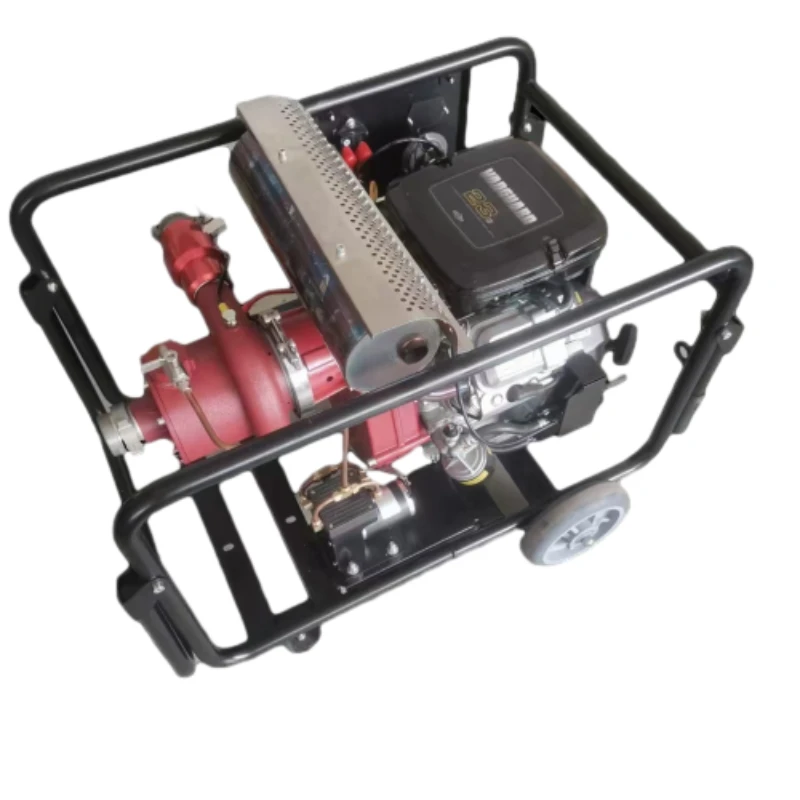
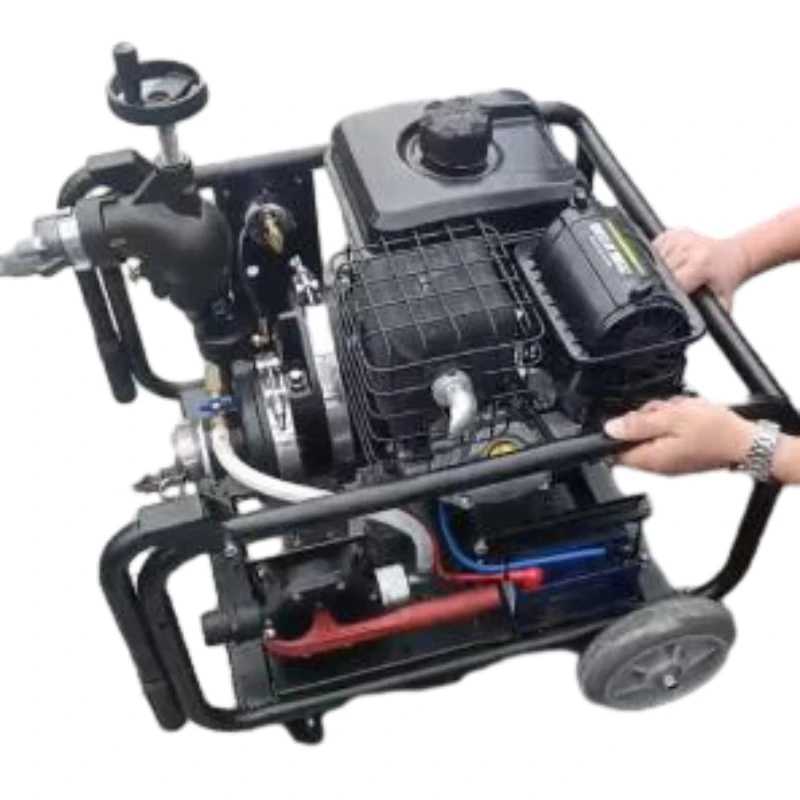
These pumps come in various types—diesel-driven, electric motor-driven, centrifugal, or multi-stage—depending on the application and power availability. They’re integrated into sprinkler systems, hydrants, and standpipes to ensure firefighters and safety systems have the water flow and pressure necessary to contain fires fast.
Oddly enough, many modern industries—from petrochemical plants to large campuses—depend heavily on fire pumps not just for emergency scenarios but also to meet regulatory fire prevention standards.
Core Components and Key Features That Define Water Fire Pumps
Durability and Reliability
Water fire pumps often operate in the harshest environments, from freezing temperatures to sweltering heat. Materials like stainless steel or cast iron are common to withstand corrosion and mechanical strain. Many manufacturers stress rigorous ISO-certified testing to guarantee pumps won’t fail when they’re needed most.
Power Source Options
Electric-driven pumps dominate urban setups with stable grids, whereas diesel pumps provide a fail-safe alternative in areas prone to power outages. Hybrid systems are emerging, ensuring uninterrupted operation during emergencies.
Capacity and Scalability
Pumps range from small units supporting single buildings to massive industrial models moving thousands of gallons per minute. Engineers typically select them based on projected risk scenarios, factoring in future site expansions too.
Cost Efficiency and Maintenance
A pump’s upfront cost is just part of the story. Energy consumption, routine maintenance, and replacement components affect the total lifecycle cost significantly. Smart systems now incorporate IoT sensors to predict wear and optimize servicing schedules.
Compliance and Certification
Meeting international standards such as UL, NFPA 20, and FM Approvals is non-negotiable for fire pumps. These certifications give peace of mind that the pump will perform under regulated test conditions.
Mini takeaway: Successful fire pump implementation balances toughness, adaptability, smart maintenance, and compliance — a recipe for lasting safety.
Water Fire Pumps in Action: Global Applications and Use Cases
Imagine a massive chemical plant in Singapore where a malfunctioning valve could ignite a blaze. The onsite water fire pump system supplies high-pressure water in seconds, limiting damage and saving lives.
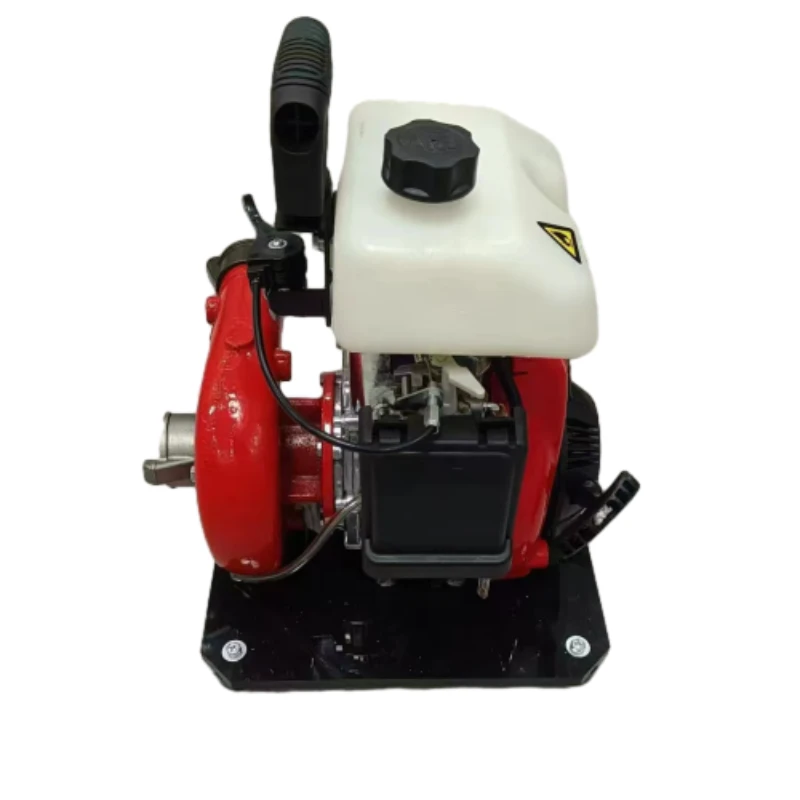
Or take wildfire-ravaged California. Fire departments rely on mobile water fire pumps to access lakes and reservoirs quickly when hydrants are overwhelmed or absent.
In remote regions of Africa, water fire pumps serve a dual role—supporting firefighting and providing access to clean water during drought relief operations. NGOs frequently deploy portable pumps for this purpose.
Mini takeaway: Water fire pumps often blur boundaries between firefighting, disaster relief, and water supply, highlighting their versatility across industries and geographies.
Advantages & Long-Term Value of Water Fire Pumps
Practically speaking, these pumps reduce fire damage costs substantially. An equation often quoted by fire risk professionals is that a reliable pump system can reduce property loss by nearly 30-50%. Beyond dollars, the human aspect—saving lives, preserving livelihoods—can’t be overstated.
Environmentally, modern pumps designed for energy efficiency and low emissions contribute to sustainability goals, especially when paired with renewable power sources.
Emotionally, communities feel safer knowing their environment is soundly protected, adding an intangible but invaluable peace of mind.
Mini takeaway: Water fire pumps deliver a blend of financial resilience, environmental stewardship, and human security that benefit society long term.
Future Trends & Innovations in Water Fire Pumps
Digitization is huge here. Smart pumps with sensors monitor performance, detect leaks, and predict maintenance needs in real-time—minimizing unexpected failures.
Sustainability pushes the envelope too. Solar-powered pumps and hybrid systems reduce carbon footprints without compromising reliability. Materials science breakthroughs have led to lighter, stronger pump components that extend device lifespans.
Policy-wise, stricter fire safety regulations worldwide drive demand for higher-capacity, smarter pumps integrated with centralized monitoring systems.
Challenges & How to Solve Them
Common hurdles include water source scarcity, power interruptions, and aging infrastructure. Manufacturers and engineers often turn to modular pump designs, allowing rapid replacement or scalable system upgrades.
Energy challenges are met with hybrid models and integrating renewable energy sources, while digital monitoring allows remote troubleshooting reducing downtime.
In many cases, cross-sector collaboration—fire departments, manufacturers, local governments—brings innovative deployment strategies ensuring water fire pumps remain effective even under growing urban pressures.
FAQ: Practical Questions About Water Fire Pumps
- How often should water fire pumps be tested?
- Regular testing is crucial. NFPA standards recommend weekly churn tests and annual flow tests to ensure reliability. This helps detect mechanical issues early and verifies pressure output.
- Can water fire pumps operate during power outages?
- Yes, diesel-driven pumps provide backup power for such situations. Some facilities also install generators or hybrid power systems offering fail-safe operation.
- What is the typical lifespan of a water fire pump?
- With proper maintenance, pumps can last 15-20 years. Usage intensity, environmental conditions, and service quality influence longevity.
- Are there portable water fire pump options?
- Absolutely. Portable pumps are designed for rapid deployment in disaster zones or wildland firefighting, offering flexibility when fixed infrastructure is unavailable.
- How do regulations impact pump choice?
- Compliance with local and international fire safety codes dictates minimum capacity, pressure, and certification requirements, driving proper pump selection.
Choosing the Right Water Fire Pump: Spec Essentials
| Specification |
Typical Range |
Comments |
| Flow Rate |
500 - 5000 GPM |
Depends on building size and hazard level |
| Max Pressure |
150 - 500 psi |
Must meet NFPA specifications |
| Power Source |
Electric / Diesel / Hybrid |
Site and backup power availability factors in |
| Materials |
Cast iron, stainless steel, alloys |
Corrosion resistance essential |
| Certifications |
UL, FM, NFPA 20 |
Ensures safety and legal compliance |
Vendor Comparison: Leading Water Fire Pump Providers
| Feature |
PumpCo |
FlowSafe |
FireXpress |
| Product Range |
Wide (500-6000 GPM) |
Medium (700-4000 GPM) |
Specialized (Up to 3500 GPM) |
| Price Point |
$$$ |
$$ |
$$$ |
| Certification Coverage |
UL, FM, NFPA |
UL, NFPA |
FM, ISO |
| Innovations |
IoT Monitoring + Hybrid Power |
Energy Efficient Motors |
Compact Lightweight Design |
| Customer Support |
24/7 Global Network |
Regional Offices |
Dedicated Onsite Training |
Conclusion & Next Steps
To sum it up, understanding the nuances of water fire pumps equips us better to safeguard communities, industries, and ecosystems alike. Their role isn’t just firefighting but enabling peace of mind—that silent assurance that when disaster strikes, help comes fast and strong. If you’re interested in diving deeper, exploring options, or simply want expert advice on the right water fire pump for your needs, check out
water fire pump resources and solutions online. Investing in this knowledge is investing in safety.
---
References
- ISO 7240 - Fire detection and alarm systems
- NFPA - National Fire Protection Association
- United Nations Urbanization Report 2018















 English
  Arabic
  Bengali
  China
China  French
  German
  Hausa
Hausa  Indonesian
  Italian
  Japanese
  Javanese
  Malay
Malay  Persian
  Portuguese
  Punjabi
  Russian
  Spanish
  Swahili
  Telugu
  Vietnamese