






Selecting the right partner among water mist fire protection system manufacturers is no longer just about comparing price lists; it is about evaluating the technical capacity to handle specific environmental hazards. Whether protecting a high-value data center or a remote forestry outpost, the precision of water droplet size determines the effectiveness of the suppression.
Modern fire safety demands a transition from traditional high-volume water flooding to precision-engineered mist systems. This shift reduces collateral water damage and increases heat absorption rates, making it a critical consideration for emergency rescue and wildland protection equipment.
For procurement officers and safety engineers, understanding the intersection of pump pressure, nozzle efficiency, and mobility is key to deploying a system that withstands rugged environments while maintaining operational reliability.

Defining the Technical Scope of Water Mist Systems

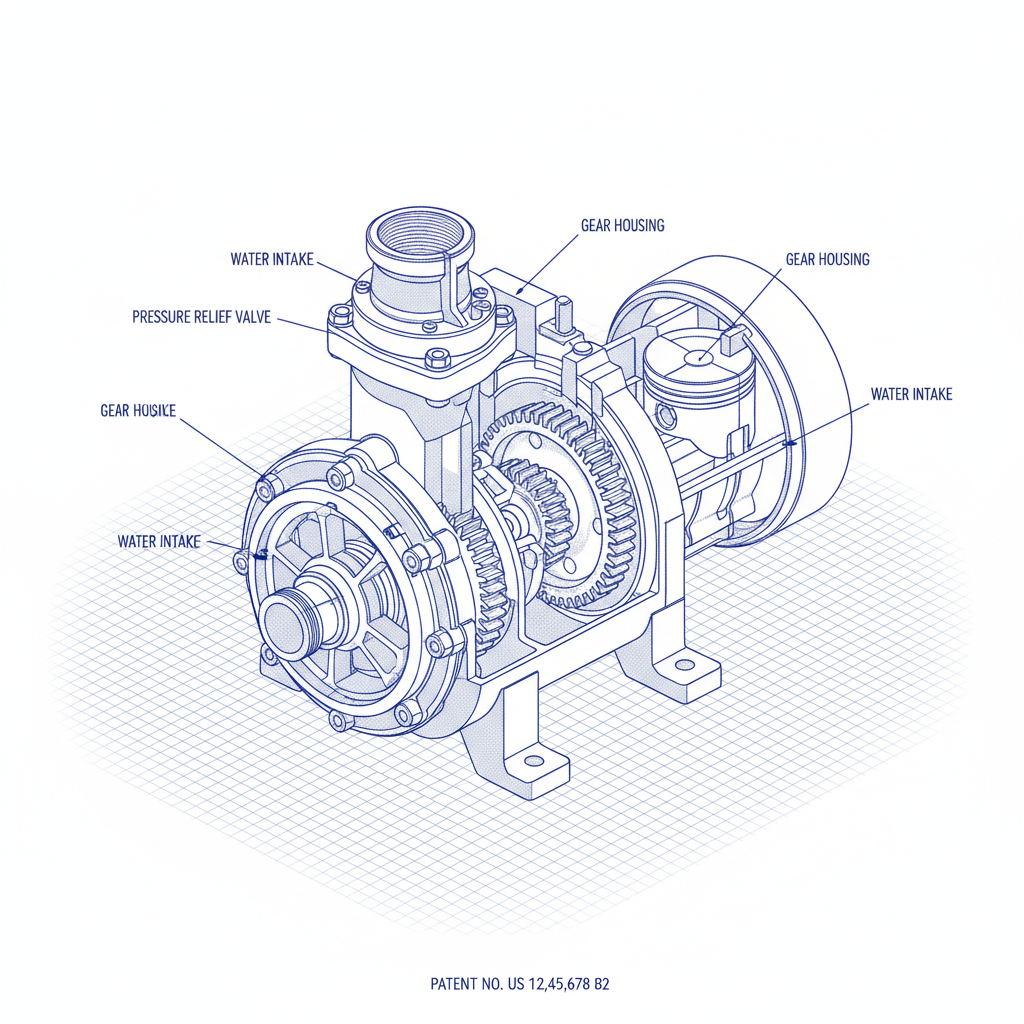
Water mist technology differs fundamentally from traditional sprinklers by utilizing high-pressure pumps to atomize water into microscopic droplets. This process maximizes the surface area of the water, accelerating the cooling effect and displacing oxygen more efficiently through rapid evaporation.
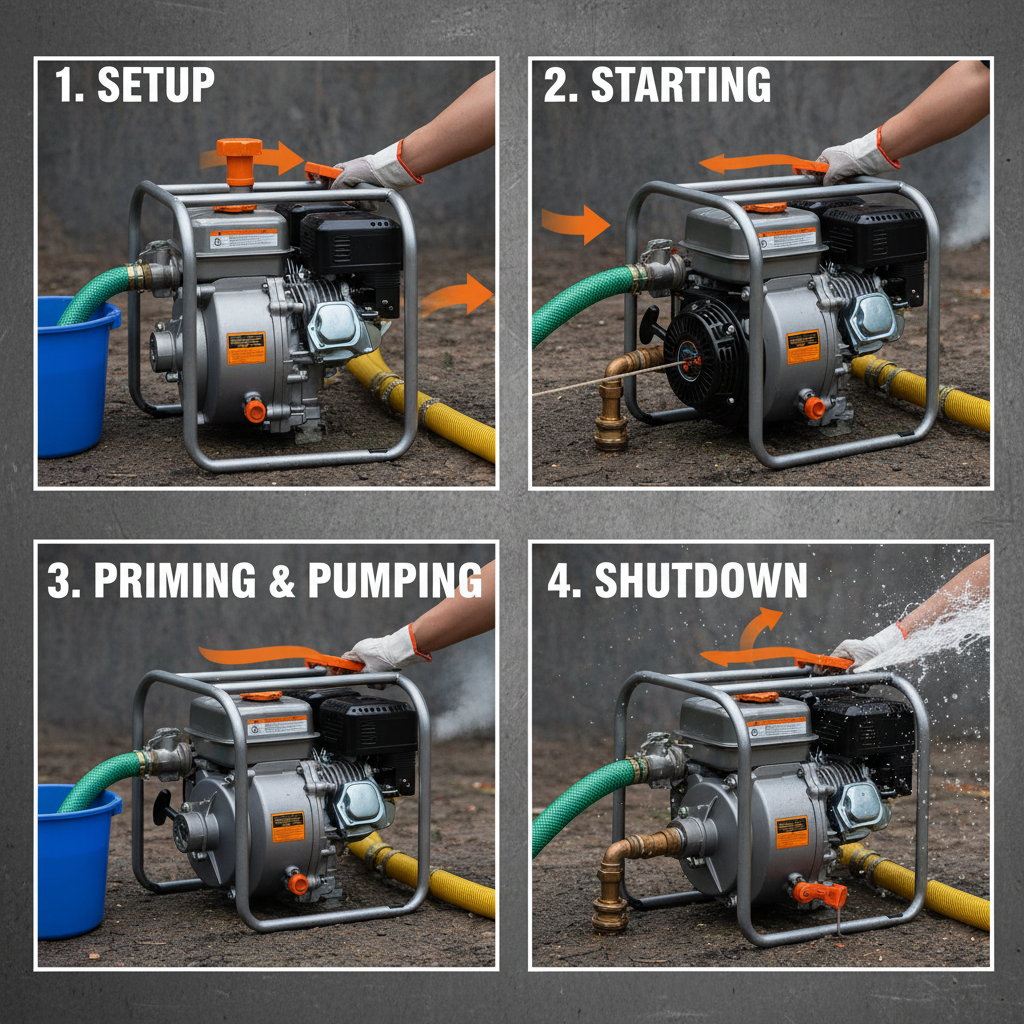
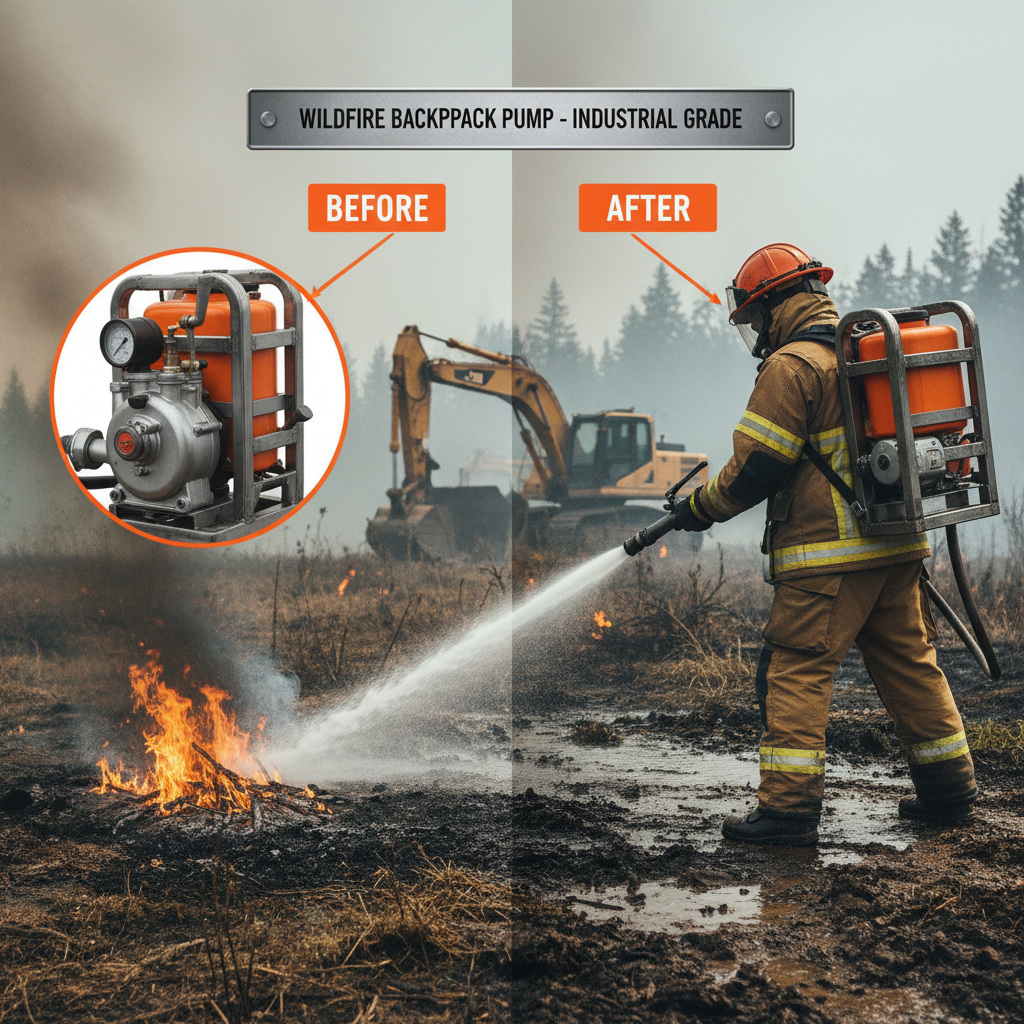
From a manufacturing perspective, the quality of the system depends on the synergy between the pump and the nozzle. For instance, specialized equipment like the Knapsack Water Mist Fire Pump must balance portability with the ability to maintain consistent pressure to ensure the mist remains fine enough for effective suppression.
In the context of emergency rescue, these systems are designed to operate in volatile conditions, where water conservation is as important as fire extinguishing speed. This makes them indispensable for forest and wildland protection where water sources are limited.
Core Advantages of Precision Water Mist Technology
The primary value proposition of water mist systems lies in their dual-action suppression mechanism: rapid heat absorption and oxygen displacement. Unlike traditional systems, the fine mist penetrates the fire plume more effectively without causing the significant structural damage associated with water flooding.
Furthermore, the environmental impact is significantly lower. Because these systems use a fraction of the water required by traditional hoses, they reduce the logistical burden on fire-fighting teams and minimize the risk of runoff contamination in sensitive forest ecosystems.
The versatility of this technology allows it to be integrated into various form factors, from portable knapsack units to vehicle-mounted pumps, ensuring that first responders have the right tool for the specific scale of the fire.
Critical Application Scenarios for Mobile Mist Equipment
Mobile water mist systems are specifically engineered for "first-strike" capabilities in areas where heavy machinery cannot reach. In forest fire-fighting, the ability to carry a Knapsack Water Mist Fire Pump allows personnel to engage spot fires before they escalate into uncontrollable crown fires.
Beyond forestry, these systems are critical for protecting high-value assets in remote locations. Portable fire pumps and mobile water diversion units provide a flexible defense line, allowing users to adapt to changing wind patterns and fuel loads in real-time.
Another vital scenario is the protection of hazardous material storage. The mist's ability to scrub smoke and cool surrounding containers prevents the "domino effect" of explosions, providing a safety buffer that traditional water streams cannot offer.
Analyzing System Performance and Flow Efficiency
Evaluating the performance of a fire pump requires a look at the relationship between maximum lift, flow rate, and engine power. For example, a unit with a flow rate exceeding 150L/min and a lift of over 35m can effectively move water across challenging terrain.
The efficiency of the mist is often measured by the droplet size and the resulting cooling rate. When comparing standard pumps to high-precision water mist systems, the difference in water usage versus suppression speed becomes evident.
water mist fire protection system manufacturers Performance Metrics
As shown in the metrics, precision systems typically achieve higher suppression efficiency per liter of water, which is a decisive factor in long-duration operations where refill logistics are complex.
Strategic Procurement Factors for Safety Equipment
When auditing water mist fire protection system manufacturers, procurement teams must prioritize technical stability over nominal specifications. The ability of a pump to maintain a recoil starting mode and a steady 1.8HP output under load is more critical than peak theoretical flow.
Evaluation should also extend to the ecosystem of accessories. A system is only as effective as its weakest link, meaning the quality of fire pump fittings and manual hose winders must match the performance of the primary pump unit.
Finally, consider the training and support infrastructure. Specialized equipment like pneumatic extinguishers or vehicle-mounted pumps require a clear operational protocol to ensure that users can deploy them safely and effectively in high-stress environments.
Future Trends in Autonomous Fire Suppression
The industry is moving toward the integration of AI-driven sensors and autonomous deployment. We may see the rise of smart water mist systems that can automatically detect the fire's core temperature and adjust the droplet size and flow rate in real-time to optimize water usage.
Additionally, the development of new composite materials for pump housing is likely to further reduce the weight of portable units, increasing the mobility of forest fire-fighting teams without sacrificing engine power or lift capacity.
Sustainability will also drive innovation, with a shift toward more energy-efficient engines and biodegradable additives that can be mixed with the water mist to increase its flame-retardant properties in wildland scenarios.
Comparing Water Mist Solution Architectures
Selecting the right architecture requires an analysis of the specific threat profile. A portable knapsack system is ideal for rapid intervention, whereas a vehicle-mounted system is necessary for sustained perimeter defense.
The following table provides a comparative overview of different system configurations and their ideal application contexts to guide decision-making.
| System Type | Primary Use Case | Key Technical Metric | Deployment Factor |
|---|---|---|---|
| Knapsack Mist Pump | Initial Forest Spot Fires | High Portability | Single Operator |
| Vehicle-Mounted Pump | Perimeter Fire Lines | Maximum Flow Rate | Truck Logistics |
| Portable Water Tank | Remote Area Buffering | Storage Capacity | Static Support |
| Mini Portable Pump | Industrial Equipment Protection | Compact Footprint | Quick Setup |
| Mobile Diversion Pump | Water Source Transfer | High Lift Capacity | Terrain Adaptable |
| Pneumatic Extinguisher | Localized Chemical Fires | Pressure Stability | Precision Aim |
Ultimately, the most effective fire protection strategy often involves a layered approach, combining several of these architectures to ensure comprehensive coverage from the first spark to full suppression.
Frequently Asked Questions
Conclusion
The evolution of fire suppression technology has made water mist an essential tool for both professional firefighters and industrial safety managers. By prioritizing the balance of flow efficiency, portability, and reliability, organizations can significantly reduce the risk of catastrophic loss while minimizing environmental impact.
For those evaluating specialized equipment for forest, wildland, or industrial protection, reviewing the comprehensive range of solutions at www.ffwfiresafety.com can provide the necessary technical context for making an informed procurement decision.