






When analyzing the 40 hp fire pump price, it is essential to understand that the cost is not merely a purchase figure but a reflection of the pump's capacity to handle critical emergency water delivery. A 40 horsepower pump typically serves as a mid-range solution, balancing the need for high-pressure output with the portability required for forest and wildland firefighting operations.
For procurement officers and emergency response teams, the primary challenge lies in identifying a pump that offers reliable flow rates without exceeding budget constraints. Factors such as engine efficiency, material durability, and the inclusion of specialized fittings significantly influence the final market value, making a detailed cost-benefit analysis necessary for sustainable fleet management.
This guide provides a comprehensive breakdown of the pricing drivers for 40 hp fire pumps, evaluating technical specifications against operational costs. Readers will gain insights into selection criteria, performance expectations, and how to evaluate suppliers to ensure the equipment withstands the most demanding rugged environments.

1Understanding 40 HP Fire Pump Specifications

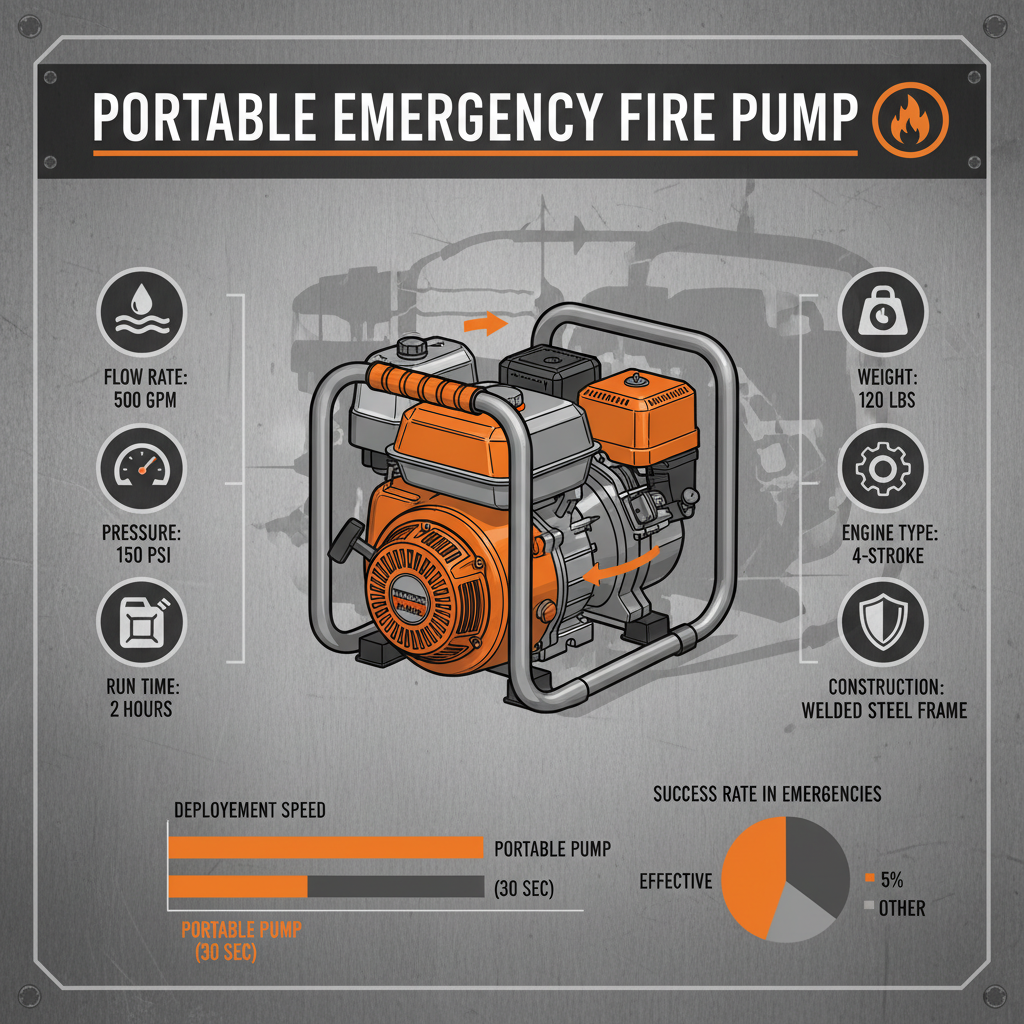
A 40 hp fire pump is engineered to provide a substantial volume of water under pressure, making it suitable for mobile water diversion and portable fire-fighting tasks. The horsepower rating indicates the engine's ability to drive the impeller at speeds necessary to overcome friction loss in long hose lays, which is a critical requirement in forest fire scenarios where water sources may be distant from the fire line.
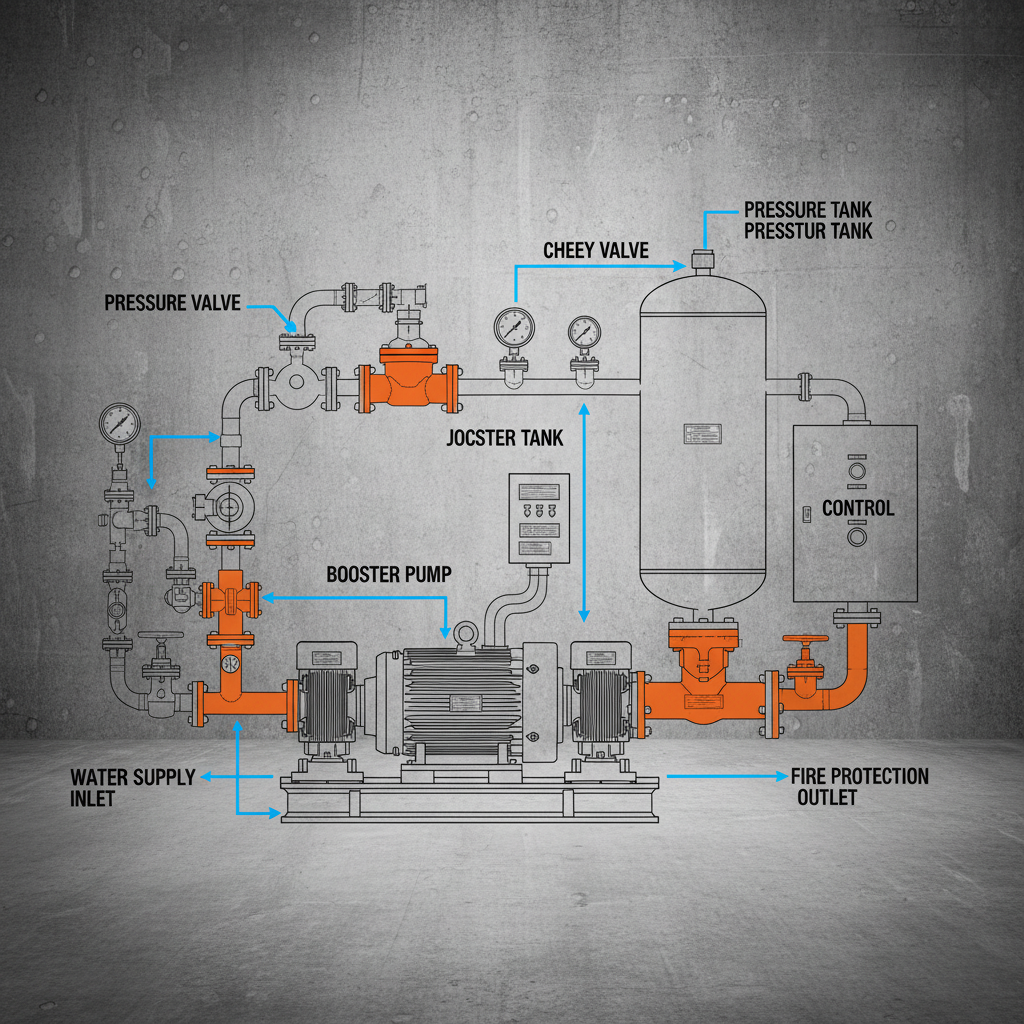
Technically, these pumps often utilize centrifugal designs to ensure a steady flow. The integration of high-grade alloys in the pump housing prevents corrosion and cavitation, which can otherwise lead to premature failure in acidic or sediment-heavy water sources commonly found in wildland environments.
Beyond the engine, the overall assembly includes frame stability and ease of transport. The balance between weight and power is the defining characteristic of this class, allowing for rapid deployment by small teams while maintaining the pressure levels required for effective suppression.
2Key Pricing Drivers for Emergency Water Pumps
The variance in 40 hp fire pump price is largely dictated by the quality of the power plant and the materials used in construction. High-efficiency engines that reduce fuel consumption while maintaining torque are typically more expensive but offer lower operational costs over the equipment's lifecycle.
Additional cost factors include the type of pump fittings and the inclusion of portable tanks or hose winders. Units that are designed as comprehensive "kits" for immediate deployment tend to carry a premium compared to standalone pump units.
Furthermore, certifications and compliance with international fire safety standards add to the initial investment. Pumps that undergo rigorous pressure testing and quality assurance are priced higher because they provide the reliability necessary for life-safety applications.
3Operational Application and Use Cases
These pumps are primarily deployed in forest and grassland protection. Their ability to be mounted on vehicles or operated as portable units makes them versatile for creating firebreaks or supporting hand-crew operations in remote areas where traditional fire trucks cannot penetrate.
In urban-edge interfaces, 40 hp pumps are used for mobile water diversion, pulling water from swimming pools, ponds, or cisterns to protect residential structures. The specific pressure capacity allows for the use of various nozzles, from wide-angle fog for protection to straight streams for penetration.
The operational flexibility is further enhanced when paired with equipment like knapsack water mist pumps or manual hose winders, creating a tiered defense system that addresses both large-scale fire suppression and localized spotting fires.
4Performance Metrics and Efficiency Data
Evaluating a 40 hp fire pump requires looking at the flow curve—the relationship between the pump's head (pressure) and the discharge rate. An efficient pump maintains a flatter curve, ensuring that the flow rate does not drop drastically as the resistance in the hose increases.
Fuel efficiency is another critical metric. In remote forest operations, fuel logistics can be a bottleneck. Pumps that optimize the fuel-to-water ratio allow teams to operate longer without needing refueling support, directly impacting the effectiveness of the firefighting effort.
40 hp fire pump price Performance Metrics
The data indicates that while higher-priced pumps have a larger upfront cost, their superior stability in pressure and durability under load result in a higher overall ROI by reducing downtime and increasing the volume of water delivered per hour of operation.
5Procurement and Selection Best Practices
When procuring 40 hp fire pumps, buyers should prioritize a "total cost of ownership" (TCO) model rather than focusing solely on the initial price. This includes evaluating the availability of spare parts and the ease of field repairs.
Compatibility is another key factor. The pump must integrate seamlessly with existing hose fittings and portable water tanks. Standardizing fittings across a fleet prevents critical delays during emergency deployments.
Supplier evaluation should focus on the manufacturer's experience in emergency rescue equipment. Companies like Hebei FeiFanWei Technology, which specialize in comprehensive fire-fighting solutions, often provide better technical support and training for the end-users.
6Maintenance Constraints and Long-term Costs
The environment in which fire pumps operate is inherently hostile, characterized by extreme heat, smoke, and abrasive debris. Regular maintenance of the fuel filters and the cooling system is mandatory to prevent engine overheating during peak operation.
A common limitation is the wear and tear on the impeller and seals. Pumps used in silty water will experience faster erosion, requiring more frequent replacements of the wear rings to maintain suction efficiency.
Long-term costs are mitigated by implementing a strict preventive maintenance schedule. This includes oil changes, seal inspections, and pressure testing every six months to ensure the unit is mission-ready at all times.
7Comparative Analysis of Pump Options
Choosing between different power ratings depends on the scale of the operation. While a smaller pump might be more portable, it cannot sustain the pressure needed for high-elevation water delivery. Conversely, larger pumps may be too heavy for rapid manual deployment.
The 40 hp segment represents the "sweet spot" for many forestry departments, offering a balance of power and maneuverability that fits most wildland fire scenarios.
| Pump Class | Pressure Capability | Deployment Ease | Typical Use Case |
|---|---|---|---|
| Mini Portable | Low-Medium | Excellent | Small Spot Fires |
| 40 HP Portable | Medium-High | Good | Forest Fire-lines |
| Vehicle-Mounted | High | Fair | Structural Support |
| High-Capacity | Very High | Poor | Major Industrial |
| Knapsack Mist | Low | Superior | Precision Damping |
| Truck-Mounted | Maximum | Low | City Infrastructure |
In summary, the decision should be based on the specific distance from water sources and the required flow rate at the nozzle to ensure the chosen pump can perform under the expected operational stress.
Frequently Asked Questions
Conclusion
Selecting a fire pump based on the 40 hp fire pump price requires a strategic balance between initial capital expenditure and long-term operational reliability. While the market offers various price points, the most effective solutions are those that prioritize engine efficiency, material durability, and seamless integration with existing fire-fighting toolkits.
For organizations tasked with protecting forests and wildlands, investing in a pump that can maintain stable pressure under extreme conditions is a critical safety decision. Those evaluating suitable solutions can review the available product information and comprehensive rescue equipment catalogs at www.ffwfiresafety.com.