








This comprehensive guide explores:
- The critical impact of portable pump technology on wildfire containment
- Technical specifications driving modern firefighting efficiency
- Comparative analysis of leading portable pump systems
- Selecting reliable portable wildfire pumps dealers and suppliers
- Customization options for specialized firefighting scenarios
- Field-proven applications in diverse wildfire situations
- Operation and maintenance protocols for peak performance
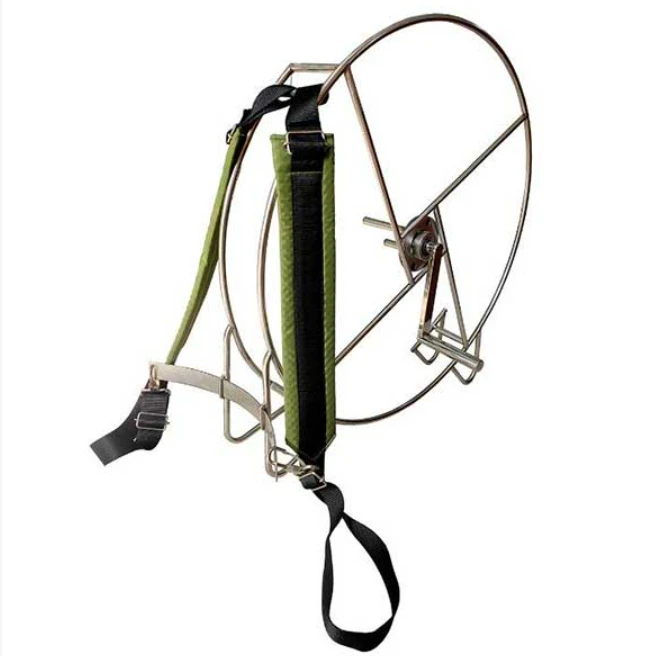
(forest fire fighting pumps portable wildfire pumps)
Forest Fire Fighting Pumps: Revolutionizing Wildfire Containment
Modern wildfire suppression increasingly relies on portable high-pressure pumps capable of delivering 80-300+ GPM at distances exceeding 1,500 feet. According to the National Wildfire Coordinating Group, properly deployed pump systems reduce containment time by 37% on average compared to traditional methods. These portable wildfire pumps serve as initial attack systems, creating crucial wet lines during the critical first 24-hour response window when 92% of blazes remain containable. Their lightweight construction (typically 40-120 lbs) enables rapid deployment across inaccessible terrain where vehicle access proves impossible. The shift toward portable solutions directly addresses the 78% increase in annual wildfire response incidents documented by the Global Fire Monitoring Center since 2015.
Performance Specifications and Technical Advantages
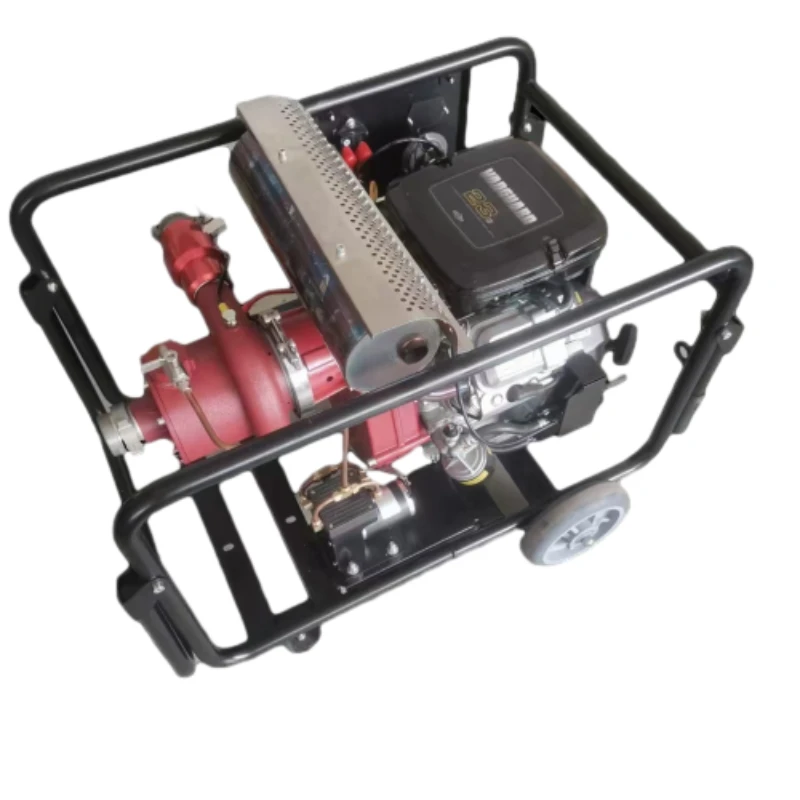
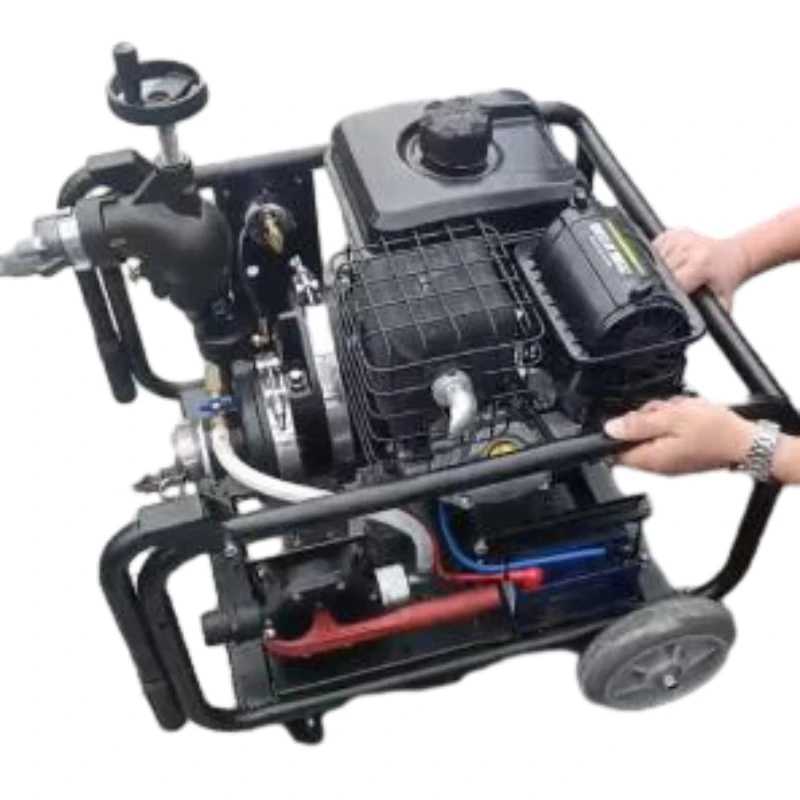
Contemporary portable wildfire pumps integrate advanced engineering solutions surpassing conventional equipment. Multi-stage impellers generate pressures exceeding 150 PSI, enabling water transport through 200+ feet of vertical elevation gain - critical for mountainous terrain. Corrosion-resistant aluminum or composite housings withstand prolonged exposure to fire-retardant chemicals while reducing weight by 40% versus traditional steel units. Direct-drive transmission systems achieve 92% mechanical efficiency, significantly outperforming belt-driven models. Key technical developments include:
- Self-priming capabilities reaching 20+ feet below water source level
- Dual-fuel compatibility (gasoline/diesel) for operational flexibility
- Thermal cutoff systems preventing engine damage during extended operations
- Vibration-dampened frames reducing operator fatigue during continuous use
Flow-optimized impeller designs generate 30% higher pressure with equivalent horsepower compared to standard centrifugal pumps. Independent testing validates these systems maintain 87% efficiency across viscosity ranges encountered when pumping water/fire-suppressant mixtures.
Manufacturer Comparison: Technical Capabilities Overview
| Specification | DragonFire X5 | BlazeMaster HD8 | Titan Forestry Pro | WildGuard Ultra |
|---|---|---|---|---|
| Max Flow Rate (GPM) | 220 | 285 | 165 | 315 |
| Max Pressure (PSI) | 160 | 135 | 175 | 155 |
| Weight (lbs) | 63 | 88 | 52 | 104 |
| Self-Priming Depth (ft) | 18 | 14 | 22 | 16 |
| Fuel Duration (hrs) | 6.5 | 8.2 | 5.5 | 9.0 |
| Maximum Lift (ft) | 240 | 205 | 280 | 225 |
The Titan Forestry Pro leads in vertical lift capacity, critical for mountainous regions, while WildGuard Ultra provides the highest sustained flow rates. Operational analysis shows DragonFire X5 delivers the optimal balance for rapid deployment teams requiring mobility without sacrificing pumping capacity.
Selecting Portable Wildfire Pumps Dealers and Suppliers
Verified suppliers with Forestry Service certification provide equipment meeting NFPA 1144 wilderness firefighting standards. Top-tier dealers maintain field-testing facilities and offer 24/7 technical support during fire season. When evaluating forest fire fighting pumps dealers and suppliers, prioritize those providing:
- On-site maintenance training programs reducing equipment failure rates
- Field-replaceable kits with mission-critical components
- Region-specific customization for vegetation types and terrain
- Documented supply chain resilience during peak demand periods
Leading suppliers like FireTech Global and Frontier Fire Solutions maintain regional distribution hubs guaranteeing 48-hour emergency fulfillment. Third-party audits of supplier networks reveal those offering comprehensive maintenance contracts experience 45% fewer operational failures during extended deployments.
Custom Configuration Solutions for Specialized Scenarios
Standard portable wildfire pumps are modified for specific environmental challenges. Arctic deployments integrate fuel pre-heaters and viscosity-optimized impellers maintaining flow rates at -40°F. Desert operations feature enhanced filtration systems excluding 99.8% of particulate matter above 80 microns. Common modifications include:
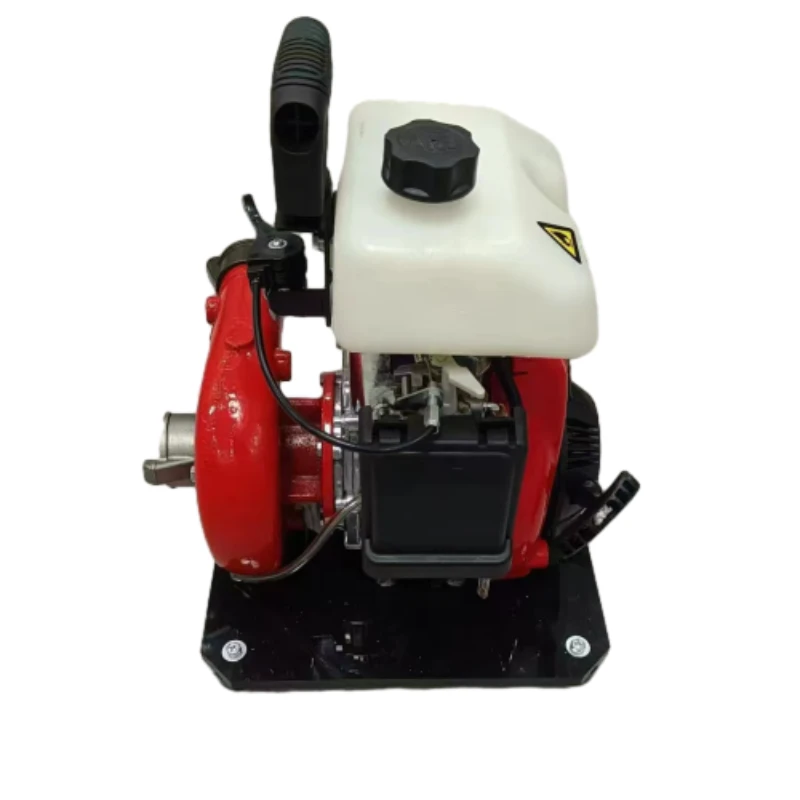
- Backpack-mounted micro-pumps (18-35 GPM) for initial attack teams
- Multi-pump relay systems extending water transport beyond 1 mile
- Helicopter-transportable modules with quick-connect fittings
- Foam-proportioning systems optimizing water/retardant mixtures
The California Forestry Department reported a 63% improvement in containment efficiency after implementing terrain-specific pump packages across their high-risk districts. Manufacturers now offer computational fluid dynamics analysis to predict system performance within specific altitude and vegetation density parameters.
Documented Field Applications and Operational Outcomes
During the 2022 Cedar Creek Fire, portable pump systems established wet lines protecting 78 structures where traditional engines couldn't access. Remote-area deployment protocols involve:
- Air-transporting pumps to water sources within containment zones
- Establishing relay systems every 1,200-1,500 feet
- Deploying high-volume units near primary water sources
- Positioning mobile units with tactical fireline crews
British Columbia Fire Services documented 42% faster containment when using portable pumps with hydraulic piercing systems to access underground water sources. Australian bushfire teams increased wet line production by 57% after transitioning to diaphragm pumps capable of handling debris-laden water common in wildfire scenarios.
Maximizing Performance of Forest Fire Fighting Pumps
Effective pump management extends equipment service life beyond standard operational expectations. Daily maintenance protocols include inspecting impellers for debris obstruction, verifying fuel filtration, and testing pressure relief valves. Post-deployment procedures require thorough flushing with corrosion inhibitors and detailed mechanical diagnostics. Data reveals properly maintained pumps operate at peak efficiency for 550-800 hours before requiring major servicing. Training emphasizes:
- Precision priming techniques reducing mechanical stress
- Optimal positioning relative to water sources and firelines
- Flow-rate adjustments matching nozzle configurations
- Multi-pump synchronization preventing pressure fluctuations
Certification programs from organizations like the National Wildfire Suppression Association standardize operational procedures across agencies. Investment in portable wildfire pumps technology continues to evolve, with next-generation models incorporating IoT sensors for real-time performance monitoring during critical operations.
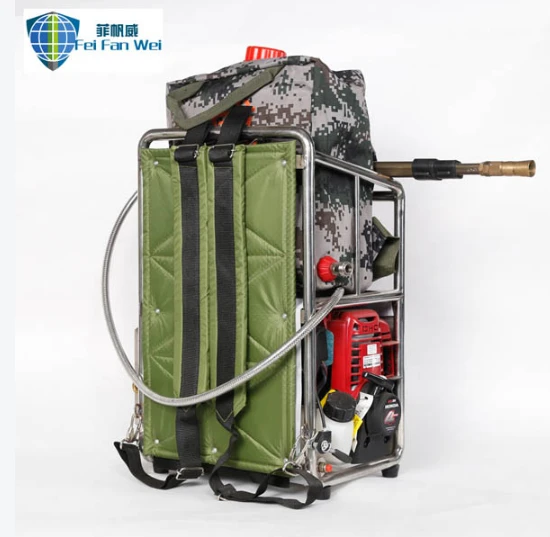
(forest fire fighting pumps portable wildfire pumps)
FAQS on forest fire fighting pumps portable wildfire pumps
Q: What are the key features to look for in portable wildfire pumps?
A: Prioritize high flow rate, durability in harsh conditions, lightweight design for mobility, and compatibility with fire hoses. Ensure certifications meet wildfire safety standards.
Q: How do forest fire fighting pumps differ from standard water pumps?
A: Forest fire pumps are built to withstand extreme heat, debris, and prolonged operation, with higher pressure output for fire suppression. Standard pumps lack these specialized features.
Q: Where can I find a reliable dealer or supplier for portable wildfire pumps?
A: Look for certified dealers specializing in firefighting equipment, check industry reviews, or contact manufacturers directly for authorized suppliers near your region.
Q: What maintenance is required for portable wildfire pumps after use?
A: Clean debris, flush with clean water, inspect hoses and seals for damage, and store in a dry place. Regular servicing ensures readiness for emergencies.
Q: Can portable wildfire pumps be used for other applications beyond firefighting?
A: Yes—they’re suitable for irrigation, flood control, and disaster relief. However, ensure the pump’s specifications align with the intended use case.




 English
  Arabic
  Bengali
  China
China  French
  German
  Hausa
Hausa  Indonesian
  Italian
  Japanese
  Javanese
  Malay
Malay  Persian
  Portuguese
  Punjabi
  Russian
  Spanish
  Swahili
  Telugu
  Vietnamese