








Understanding Water Mist Fire Protection System Manufacturers: Global Impact and Innovation
In an era where fire safety is more critical than ever, the role of water mist fire protection system manufacturers cannot be overstated. These manufacturers produce cutting-edge systems that use fine water sprays to control and suppress fires effectively, conserving water and reducing damage. Globally, with urban density increasing and industries pushing the limits of safe operations, these systems address a growing challenge: achieving efficient fire protection with minimal environmental footprint. Understanding them is not just a technical matter—it’s a safety imperative with economic and humanitarian importance.
Introduction: A Global Perspective on Water Mist Fire Protection Systems
According to the International Fire Safety Standards Coalition, urban fires cause thousands of deaths and billions in economic losses annually worldwide.[1] Traditional sprinkler systems consume vast amounts of water, sometimes leading to secondary damage. That’s where water mist fire protection systems come in. Their ability to suppress fires with fine water droplets—droplets so tiny they absorb heat faster and displace oxygen—represents a significant advancement in fire suppression technology.
Environmental agencies also flag water consumption as a critical issue, especially in drought-prone regions, suggesting that systems using less water are increasingly vital. Here, manufacturers of water mist systems are on the frontline, innovating solutions that marry effectiveness with sustainability.
What Are Water Mist Fire Protection System Manufacturers?
Simply put, these manufacturers design and build fire suppression systems that use ultra-fine water droplets—much smaller than traditional sprinklers—to quickly absorb heat, cool flames, and reduce smoke. This technology reduces water use by up to 90% compared to conventional sprinklers and is often used in sensitive environments.
Industries like oil and gas, museums, maritime, and high-tech manufacturing rely on these systems to protect assets where water damage is almost as harmful as fire. So, water mist fire protection system manufacturers play a crucial role, designing tailored systems that blend safety, efficiency, and adaptability.
Key Factors Shaping Water Mist Fire Protection Systems
1. Droplet Size and Distribution
Fine droplets ranging typically from 50 to 250 microns are essential. Their small size helps rapidly cool fire heat and displace oxygen, choking flames effectively. Manufacturers invest heavily in nozzle technology to optimize droplet size and spray patterns.
2. System Durability and Reliability
Since fire safety is non-negotiable, components must withstand harsh environments—corrosion, pressure changes, and temperature fluctuations. Durable materials like stainless steel and polymers are standard.
3. Scalability and Installation Flexibility
Whether protecting a single room or an entire ship, scalable designs are key. Manufacturers offer modular solutions that can adapt to diverse structures, from historic buildings to industrial plants.
4. Cost Efficiency and Maintenance
While initial costs can be higher than traditional sprinklers, reduced water damage and lower insurance premiums often balance the equation. Additionally, water mist systems generally require less space and infrastructure.
5. Compliance with International Standards
Adhering to regulations like NFPA 750 and ISO standards ensures safety and market acceptance. Manufacturers typically conduct rigorous testing and certification to meet these demands.
Mini Takeaway: Select manufacturers who balance innovation in nozzle technology, durability, and compliance to ensure effective, adaptable, and economical fire safety.
Product Specification Snapshot
| Specification | Typical Values |
|---|---|
| Droplet Size | 50–250 microns |
| Water Consumption | 20-30% of standard sprinklers |
| Operating Pressure | 6–12 bar (depends on system) |
| Response Time | Typically under 30 seconds |
| Typical Application | Industrial, marine, heritage sites, data centers |
Global Applications & Use Cases
Oddly enough, water mist fire protection spans a broad spectrum. In Europe, heritage sites use these systems to protect irreplaceable art without the risk of water damage traditional sprinklers cause. In the maritime industry, ships deploy them to comply with strict regulations while conserving freshwater onboard.
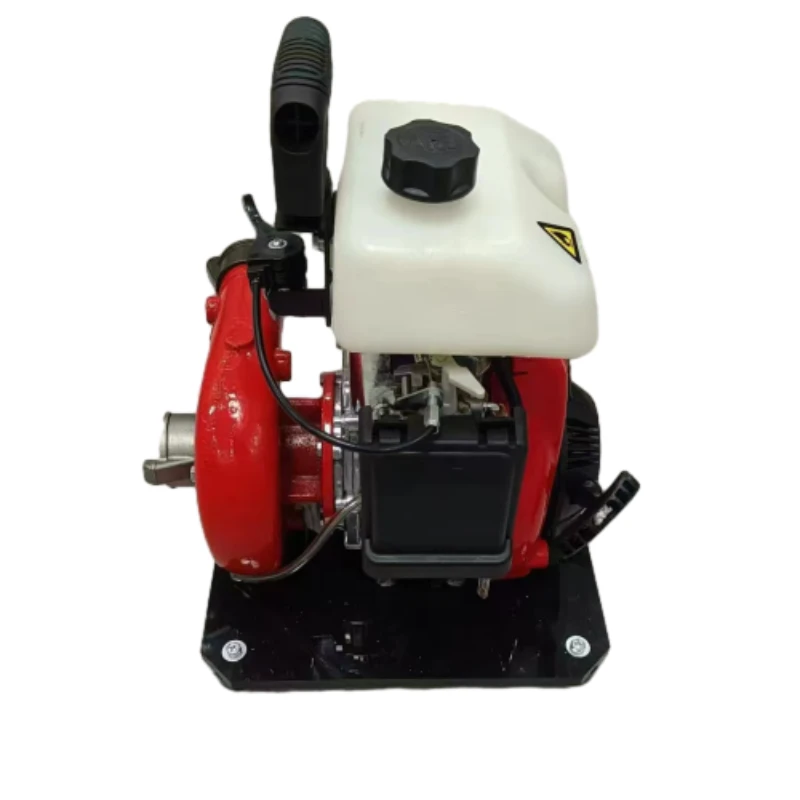
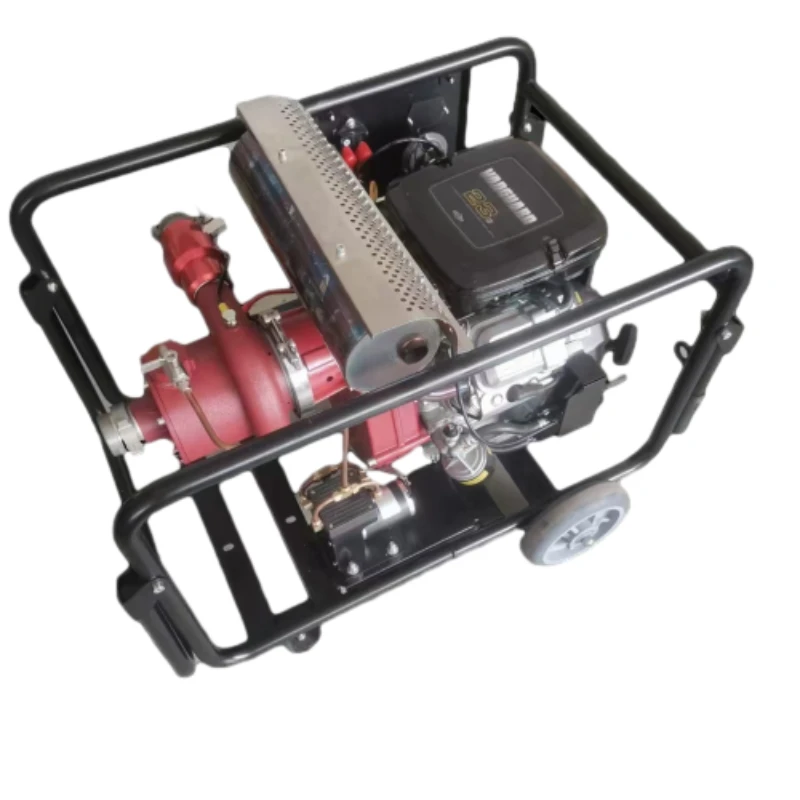
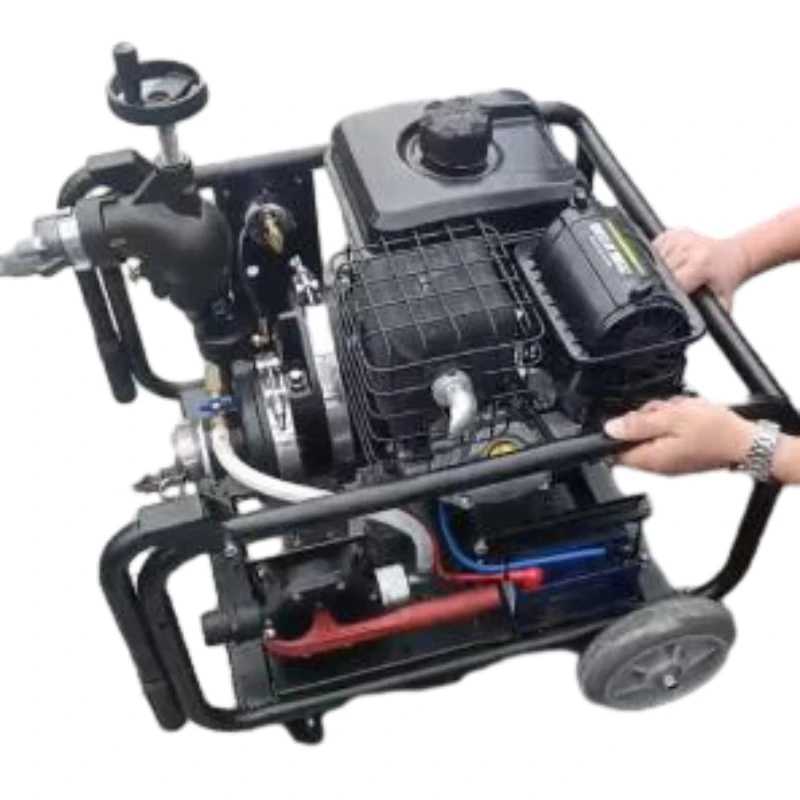
Oil and gas refineries in the Gulf region rely heavily on this technology due to its rapid fire suppression capability, vital in hazardous environments. Even disaster relief operations use portable water mist units for fast setup in remote areas after fires.
Cities in Asia with high population densities increasingly adopt these systems in new high-rises as part of green building initiatives, recognized by standards such as LEED® and BREEAM.
Mini Takeaway: The versatility of water mist fire protection systems makes them indispensable worldwide, across industries prioritizing safety, asset preservation, and environmental responsibility.
Vendor Comparison: Top Water Mist Fire Protection System Manufacturers
| Manufacturer | Key Advantage | Certifications | Typical Application |
|---|---|---|---|
| AquaFire Systems | Innovative nozzle design for ultra-fine mist | NFPA 750, UL Listed | Museums, data centers |
| MistTech Solutions | High-pressure systems for industrial environments | ISO 9001, MED Certified | Marine, oil & gas |
| EcoMist Fire Protection | Eco-friendly materials & low water usage | LEED Compliant, EN 14972 | Green buildings, residential |
Advantages and Long-Term Value
Frankly, what sets these water mist systems apart isn't just their technical specs. It’s their real-world impact. Reduced water usage not only lessens environmental damage but also lowers cleanup costs post-incident. On a social level, reliable fire suppression saves lives and property, instilling trust in safety infrastructure. For businesses, fewer disruptions and less damage mean resilience and reputation protection.
This technology also aligns well with sustainability goals. Less water, fewer chemicals, and minimal residue combine for a cleaner, greener future—something many companies and governments are desperately pursuing today.
Future Trends & Innovations
The future looks bright for water mist fire protection system manufacturers. Digital integration is enabling smart fire systems that self-diagnose and alert for maintenance needs, drastically reducing downtime. Materials innovations bring corrosion-resistant metals and polymers that extend system longevity.
Green energy plays a role too, with solar- or battery-powered pumps enabling off-grid installation, especially useful in remote or disaster-prone regions. We’re also seeing hybrid solutions combining water mist with inert gases, offering multi-threat protection in sensitive environments.
Challenges and Expert Solutions
However, not all is smooth sailing. Water mist systems can struggle in extremely cold climates where water freezing is a risk. Installation complexity and higher upfront costs can also deter some users. Experts recommend integrating freeze protection measures and emphasizing lifecycle cost savings rather than just initial spends.
Training installers and maintenance teams is critical, ensuring the systems perform optimally when it counts. Luckily, many manufacturers now provide detailed training programs and service contracts, which is a welcome trend.
FAQ: Common Questions About Water Mist Fire Protection System Manufacturers
- Q: How do water mist systems differ from traditional sprinklers?
- A: Water mist systems use very fine droplets that cool fires faster and use less water, reducing water damage. They’re ideal for sensitive environments where minimizing damage is critical.
- Q: Are these systems suitable for marine vessels?
- A: Yes! They’re widely used on ships due to their compact design and effectiveness in confined spaces, plus they comply with strict maritime safety standards.
- Q: What maintenance do water mist fire systems require?
- Routine inspections ensure nozzles are clog-free and pumps work properly. Many manufacturers recommend annual maintenance coupled with remote monitoring to catch issues early.
- Q: Can these systems operate in cold climates?
- Yes, but they need freeze protection measures such as insulated piping or dry pipe systems to prevent freezing and damage.
- Q: How do I select the right manufacturer?
- Look for proven certifications, industry experience, and customized engineering solutions. Also, consider post-sale support, warranties, and references.
Conclusion
At the junction of safety, sustainability, and innovation, water mist fire protection system manufacturers offer solutions that transcend traditional fire suppression. Their systems protect lives, preserve priceless assets, and align with green initiatives worldwide. For anyone invested in fire safety's future, engaging with reliable manufacturers is not just smart—it’s essential.
Discover more about these life-saving technologies by visiting our website and exploring how modern water mist systems can transform your fire protection strategy.
Final thought: Fire safety is evolving, and those first to adopt advanced water mist systems will not only mitigate risk but set new standards in responsible, effective protection.
References:
1. Fire Safety - Wikipedia
2. National Fire Protection Association (NFPA)
3. International Organization for Standardization (ISO)




 English
  Arabic
  Bengali
  China
China  French
  German
  Hausa
Hausa  Indonesian
  Italian
  Japanese
  Javanese
  Malay
Malay  Persian
  Portuguese
  Punjabi
  Russian
  Spanish
  Swahili
  Telugu
  Vietnamese