








Water Spray System Fire Protection: Essential Insights Into a Life-Saving Solution
When fires ignite, quick and effective suppression can mean the difference between disaster and safety. Enter water spray system fire protection, a critical technology used worldwide to manage fire hazards with precision and reliability. It’s an often overlooked, yet foundational part of fire safety in industries ranging from petrochemical plants to residential complexes and even humanitarian operations.
But why should this matter on a global scale? Frankly, fire incidents cost billions annually, cause irrevocable human suffering, and disrupt economies, especially as urban populations and industrial activities accelerate. Gaining a solid understanding of water spray systems can empower engineers, safety managers, and policymakers to adopt smarter, more sustainable fire defense tactics.
Context: The Global Relevance of Water Spray Systems
The United Nations Office for Disaster Risk Reduction estimates that fire accounts for thousands of deaths and countless injuries each year. The evolving complexity of industrial processes only underscores the need for targeted fire protection measures like water spray systems. These systems conform to standards set by bodies such as ISO 6182, which governs fire protection for fixed installations involving water spray techniques.
Oddly enough, while sprinklers are often the headline act in fire suppression, water spray systems form the backbone in scenarios demanding rapid, high-intensity localized water delivery — think oil refineries, chemical plants, or even government archives. The challenge is striking a balance between effective suppression and minimizing water-related damage. Water spray technology addresses this with increasing sophistication.
What Exactly Is a Water Spray System?
Simply put, a water spray system fire protection setup is an automated sprinkler network that releases finely atomized water droplets to quell flames or prevent fires spreading. It differs slightly from traditional sprinkler systems by focusing on specific coverage zones with high-density sprays optimized for different fire classifications.
More than just industrial safety gear, these systems have found a humanitarian niche. For example, in refugee camps prone to campfires or in temporary housing after disasters, water sprays can act swiftly to protect lives and shelter without overextending resources.
Core Components and Key Factors
1. Durability
Materials must withstand corrosive environments, high pressures, and extreme temperatures. Stainless steel piping and corrosion-resistant nozzles are common to ensure longevity and consistent performance.
2. Scalability
Whether a modest warehouse or sprawling industrial zone, systems can be scaled both in area and flow capacity. This flexibility helps meet a range of fire protection standards and site constraints.
3. Precision and Coverage
Modern water spray systems employ specialized nozzles designed to maximize surface area coverage while conserving water. The droplet size directly impacts cooling efficacy and steam generation, which suppresses the fire’s oxygen supply.
4. Cost Efficiency
While the upfront installation does require investment, these systems often reduce long-term losses by preventing fire spread and minimizing damage compared to other suppression methods.
5. Integration Capability
Water spray systems are often integrated with fire detection and alarm networks, enabling automatic activation. Some sophisticated setups even feature remote monitoring and control, tying into broader facility management systems.
Typical Product Specifications
| Specification | Detail |
|---|---|
| Operating Pressure | 7–10 bar (100–145 psi) |
| Water Flow Rate | 10–50 L/min per nozzle |
| Droplet Size | 100–500 microns |
| Coverage Area | 5–30 m² per nozzle |
| Activation | Automatic via heat or smoke detectors |
Global Applications & Use Cases
Real-world deployments span vastly different geographies and industries. In the oil and gas sector, fire water spray systems protect critical equipment zones, often in extremely hazardous environments from the Arabian Gulf to North America.
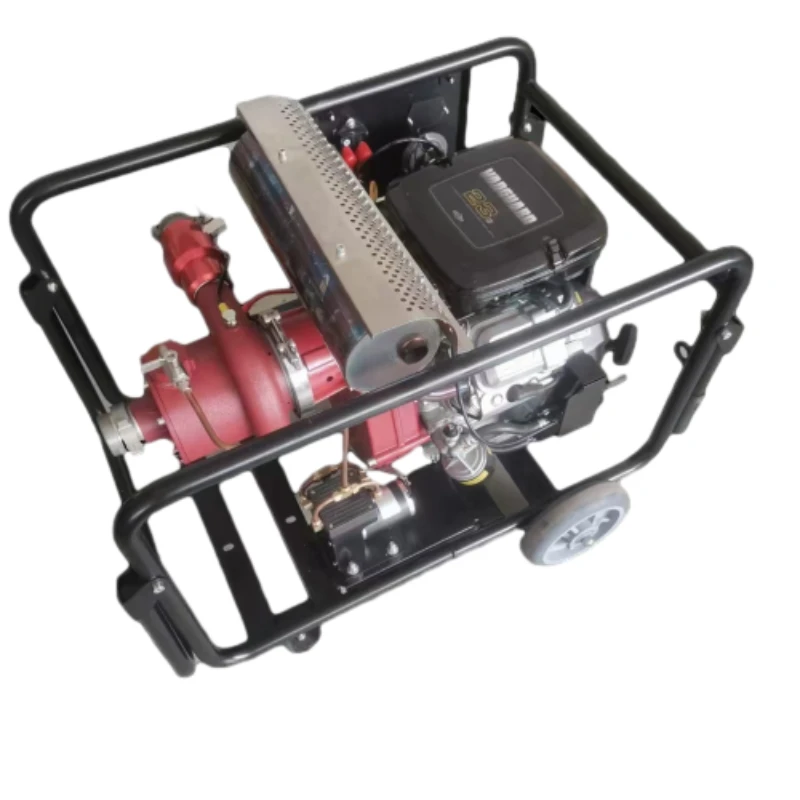
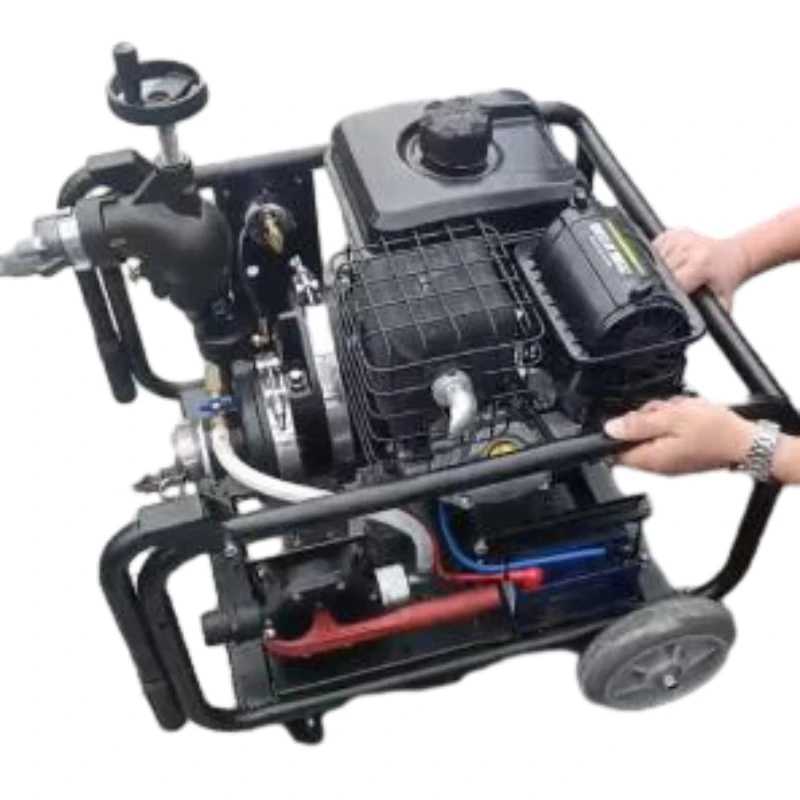
In Asia’s dense urban areas, water spray technology is adapted to protect historic sites and high-rise buildings where traditional sprinklers might cause water damage to priceless interiors. Meanwhile, NGOs have started utilizing mobile water spray systems in water spray system fire protection initiatives during post-disaster relief, providing rapid response against fire hazards in sprawling temporary camps.
Even heavy manufacturing hubs across Europe and South America rely on these systems to comply with increasingly stringent fire codes. The modular nature of water spray setups means they can cater to diverse site demands without the need for total infrastructure overhaul.
Vendor Comparison: Leading Water Spray System Providers
| Feature | AquaShield Pro | FireSpray Solutions | HydroDefendTech |
|---|---|---|---|
| Max Operating Pressure | 10 bar | 8 bar | 12 bar |
| Water Droplet Size | 150 microns | 200 microns | 100 microns |
| Customized Layout | Yes | Limited | Yes |
| Remote Monitoring | Available | Not Supported | Available |
| Estimated Cost per Unit | $$$ | $$ | $$$ |
The Advantages and Long-Term Value
The payoff from these systems is tangible and multifaceted. Financially, investing in a water spray system means cutting back on fire-associated losses by minimizing damage spread. Ecologically, water is a sustainable, non-toxic suppressor unlike chemical alternatives, aligning with growing pressures for greener fire safety solutions.
But beyond costs, the impact on human safety and trust is profound. Employees and communities feel reassured knowing that their environments are protected by reliable, fast-acting measures—helping preserve dignity and well-being during crises.
Looking Ahead: Future Trends & Innovations
It’s fascinating to watch innovations melding fire safety with smart tech. We’re seeing water spray system fire protection now integrating IoT sensors that not only trigger sprays but analyze fire progression in real-time. This digital transformation means more targeted, less wasteful suppression.
Plus, research into eco-friendlier coatings for nozzles aims to reduce corrosion further and extend system lifespan. Automated maintenance alerts and modular upgrade kits are also becoming industry staples, ensuring systems evolve alongside emerging risks and compliance standards.
Challenges and Solutions
There are hurdles, clearly. Water availability can be limited in some zones, and improper nozzle selection can reduce effectiveness. Overzealous water use can damage sensitive equipment or cultural property. That’s why expertise in system design and regular testing cannot be overstated—no setup is “one size fits all.”
Experts advocate combining water spray systems with other suppression tech where relevant, and increasingly recommend tailored training for staff to maximize benefits and ensure swift response under stress.
FAQ: Common Questions on Water Spray System Fire Protection
- Q: How does water spray system fire protection differ from sprinkler systems?
A: While sprinklers cover broad areas with moderate water flow, water spray systems deliver high-density sprays to specific zones, optimizing fire suppression efficiency, especially in high-risk industrial settings. - Q: Can these systems be used in residential buildings?
A: Yes, though they are more common in commercial or industrial contexts, adaptations for residential fire protection exist, particularly in large apartment complexes or heritage buildings. - Q: What maintenance is required for these systems?
A: Regular inspections ensure nozzles are clear, pipes free of corrosion, and activation sensors calibrated. Industry codes recommend at least annual full system testing. - Q: Are there eco-friendly alternatives to traditional water spray systems?
A: Researchers are enhancing water spray systems with recycled water options and integrating with renewable power for pumps, making them steadily greener.
Conclusion & Next Steps
For anyone grappling with fire risks, embracing water spray system fire protection means choosing a future-proof, scientifically grounded approach to safety. It’s a harmonious blend of technology, environmental care, and practical fire defense. Curious to explore tailored solutions? Visit https://www.ffwfiresafety.com for expert guidance and cutting-edge products.
Reflecting on the nuances of fire safety—it’s clear that simple water, wielded wisely, remains one of humanity’s best tools for protecting the vulnerable and preserving progress.
Takeaway: Understanding and investing in optimized water spray system fire protection isn’t just smart—it’s essential for sustainable safety in our evolving world.




 English
  Arabic
  Bengali
  China
China  French
  German
  Hausa
Hausa  Indonesian
  Italian
  Japanese
  Javanese
  Malay
Malay  Persian
  Portuguese
  Punjabi
  Russian
  Spanish
  Swahili
  Telugu
  Vietnamese