








Water Mist System Manufacturers: Innovating Fire Safety for a Global Challenge
Water mist system manufacturers play a critical role in advancing fire protection technology worldwide. These innovators design and produce systems that use finely atomized water sprays to suppress fires quickly and effectively. Given the increase in urbanization, industrial activities, and climate-driven fire risks, understanding the expertise behind these manufacturers isn’t just industry jargon—it’s key to safety, sustainability, and resilience everywhere.
Why This Matters Globally
Globally, fire incidents cause significant economic losses and human harm. According to the United Nations Office for Disaster Risk Reduction, fire disasters affect millions annually, particularly in urban slums and industrial areas. The World Bank estimates billions spent yearly on fire damage repairs. Water mist fire suppression technology addresses these risks with superior efficiency and environmental benefits compared to traditional sprinkler systems, making manufacturers in this sector vital to modern safety solutions.
Mini takeaway: Water mist system manufacturers are central players in global fire safety, marrying innovation with a dire need to protect life and property.
Defining Water Mist System Manufacturers
Put simply, water mist system manufacturers design, build, and supply fire suppression systems that discharge ultra-fine water droplets to control, suppress or extinguish fires. These systems use high pressure nozzles to create mist that absorbs heat and displaces oxygen around flames without the water damage risks associated with traditional sprinklers. The manufacturers combine expertise in mechanical engineering, fluid dynamics, and fire science to create tailored safety solutions for buildings, ships, data centers, and more.
Interestingly, these manufacturers often work closely with industrial designers and safety consultants to meet ever-changing fire codes and sustainability goals, making their role quite multidisciplinary.
Key Factors Behind Water Mist Systems
1. Durability
Water mist systems must endure harsh environments—think salty marine air or freezing industrial plants. Manufacturers focus on corrosion-resistant materials and robust seals to maintain longevity and reliability under diverse conditions.
2. Scalability
From small server rooms to sprawling petrochemical refineries, water mist solutions scale up or down. Leading manufacturers offer modular designs that adapt to site-specific fire risks and spatial constraints.
3. Cost Efficiency
Though upfront costs can be higher than conventional sprinklers, many manufacturers emphasize long-term savings. Reduced water use not only lowers damage repair bills but also trimming water supply infrastructure expenses.
4. Compliance & Certification
Adherence to international fire safety standards such as ISO 6183-1 and approvals from agencies like UL or FM Global is non-negotiable. Manufacturers invest heavily in testing and certification to ensure systems meet regional legal mandates.
5. Environmental Impact
Water mist systems consume significantly less water and produce no harmful chemicals, positioning manufacturers at the forefront of sustainable fire safety advancements.
Mini takeaway: Durability, scalability, efficiency, compliance, and sustainability define the product quality water mist system manufacturers deliver.
Global Applications and Use Cases
Water mist systems are versatile. In maritime operations—think cruise ships and naval vessels—they prevent fires with minimum water damage, crucial for onboard electronics. In oil and gas facilities, these systems rapidly cool and suppress hydrocarbon fires to minimize explosions. Many water mist system manufacturers supply customized units for historic buildings where water damage can be devastating to priceless artifacts.
- In Asia, booming urban centers incorporate water mist systems into high-rise developments to comply with evolving fire codes.
- European industries leverage these systems to meet stringent environmental regulations.
- In North America, data centers adopt mist systems to protect critical infrastructure without downtime.
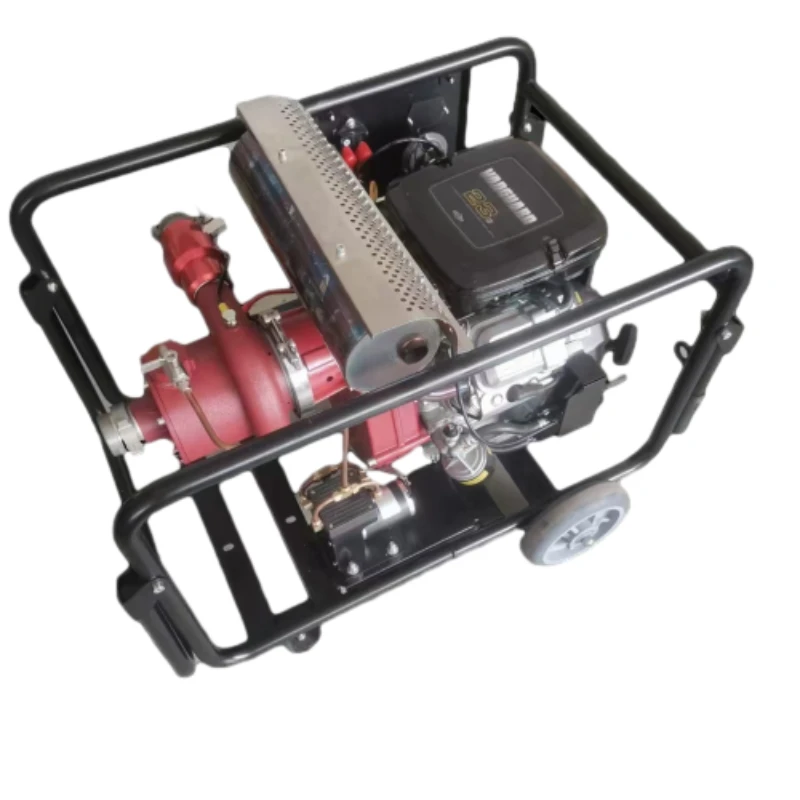
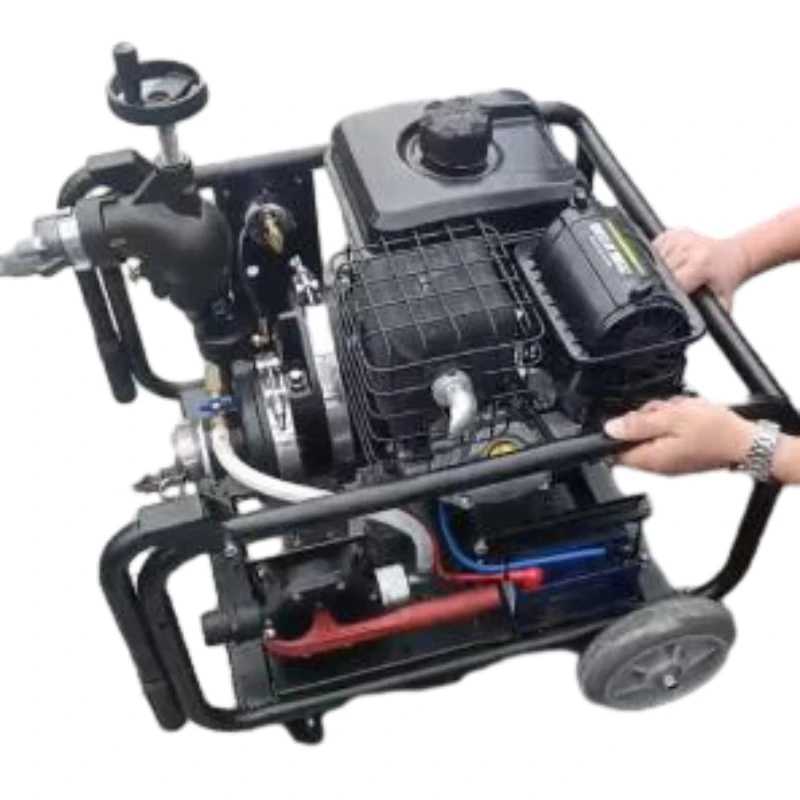
In post-disaster scenarios, portable water mist units offer quick fire control options for emergency responders, a detail often overlooked.
Advantages and Long-Term Value
- Safety: Mist cools fires efficiently and limits smoke production, increasing occupant escape chances.
- Sustainability: Using 80-90% less water than sprinklers helps conserve resources.
- Damage Reduction: The fine droplets minimize water damage to electronics and interiors.
- Innovation: Enables integration with modern smart building controls and IoT-enabled monitoring.
- Trust: Proven performance in rigorous certifications inspires confidence among insurers and regulators.
The emotional appeal is strong too—knowing a building is safeguarded by state-of-the-art fire suppression gives occupants peace of mind. In real terms, this trust often translates into lower insurance premiums.
Product Specification Table
| Specification | Typical Values | Notes |
|---|---|---|
| Droplet Size | 50–100 microns | Critical for efficient heat absorption |
| Pressure | 100–140 bar | High pressure for fine atomization |
| Water Usage | 0.3–0.7 L/min/m² | Much lower than standard sprinklers |
| Response Time | < 10 seconds | Fast activation essential for fire control |
Vendor Comparison: Leading Water Mist System Manufacturers
| Feature | Manufacturer A | Manufacturer B | Manufacturer C |
|---|---|---|---|
| Global Presence | 70+ countries | 45 countries | 30 countries |
| Certification Levels | UL, FM, CE | FM, ISO 6183-1 | UL, ISO 14520 |
| Innovation Focus | IoT-enabled monitoring | Green material usage | Emergency portable units |
| Typical Applications | Maritime, petrochemical | Historic buildings, museums | Data centers, hospitals |
Future Trends & Innovations in Water Mist Systems
Looking forward, water mist system manufacturers are embracing digital transformation. Smart sensors integrated with AI analyze fire risks dynamically, potentially activating systems preemptively. Sustainable materials that reduce environmental footprints without compromising durability are gaining momentum too.
Moreover, green energy integration—using solar or wind power to drive pumps—could become standard, especially for remote industrial sites. Automation also promises faster system deployment and self-diagnostic capabilities.
Challenges & Practical Solutions
The technology isn’t without hurdles. High-pressure pumps require maintenance and training, sometimes limiting adoption in low-resource settings. Additionally, system customization can be complex, delaying installations.
Manufacturers tackle these barriers by providing modular, plug-and-play units and extensive user training. Partnerships with local installers and streamlining certification processes also help overcome regulatory roadblocks.
FAQ: Common Questions About Water Mist System Manufacturers
- What differentiates water mist systems from traditional sprinkler systems?
- Water mist systems emit ultra-fine droplets at high pressure that rapidly absorb heat and cool fires with less water usage, reducing water damage compared to conventional sprinklers.
- Are water mist systems suitable for all building types?
- While versatile, these systems excel in environments sensitive to water damage (like data centers) or where water conservation is critical. However, large open spaces may still rely on traditional methods.
- How do I ensure my facility’s water mist system meets safety standards?
- Work with certified water mist system manufacturers who comply with UL, FM Global, or ISO standards and provide comprehensive installation and maintenance support.
- Can water mist systems be retrofitted into existing buildings?
- Yes, many manufacturers offer scalable, modular solutions designed for retrofitting without extensive structural changes, minimizing disruption.
Conclusion: Why Trust Water Mist System Manufacturers?
Ultimately, partnering with experienced water mist system manufacturers means investing in proven fire safety innovations that protect lives, assets, and the environment. Their work underpins safer buildings, smarter cities, and resilient industries. If you’re exploring these solutions, I’d say start by visiting our website — the gateway to trusted global expertise.
Oddly enough, while technology evolves rapidly, fire safety remains an area where experience and trustworthy engineering truly save lives.




 English
  Arabic
  Bengali
  China
China  French
  German
  Hausa
Hausa  Indonesian
  Italian
  Japanese
  Javanese
  Malay
Malay  Persian
  Portuguese
  Punjabi
  Russian
  Spanish
  Swahili
  Telugu
  Vietnamese